
The Global Sourcing Hub for Marine, Subsea & Offshore Technology
Discover cutting-edge solutions from leading global suppliers
September’s most-read stories explored how subsea technology is extending what operators can detect, document, and understand below the surface. From tracking buried infrastructure at stand-off distances to increasing underwater endurance without enlarging a vehicle, the month’s coverage focused on getting more information from each deployment.
That theme continued across scientific exploration and subsea inspection, with compact robotic systems supporting research in some of the ocean’s least accessible environments and high-resolution imaging adding greater detail to underwater assessments. Together, the stories showed how advances in sensing, power, imaging, and robotic access are making difficult subsea missions more practical and data-rich.
1. Subsea Cable Tracking & Inspection Capability Validated in Offshore Trials
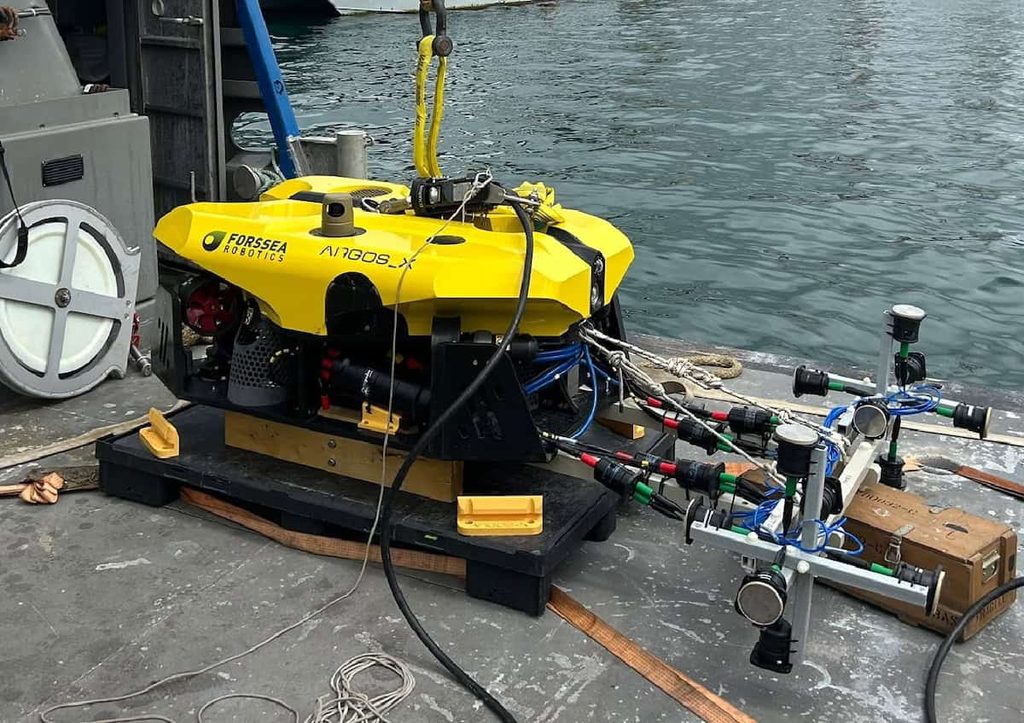
Offshore sea trials at the Fondation OPEN-C test site have successfully demonstrated ELWAVE and Forssea Robotics’s new subsea technology capable of detecting and tracking buried energized cables from stand-off distances exceeding 10 meters. During the testing campaign, ELWAVE integrated a dual ESENSE sensor configuration onto a Forssea Robotics ARGOS-X remotely operated vehicle (ROV) to survey active underwater infrastructure.
2. Tulip Tech Extends Lobster Robotics Underwater Drone Endurance
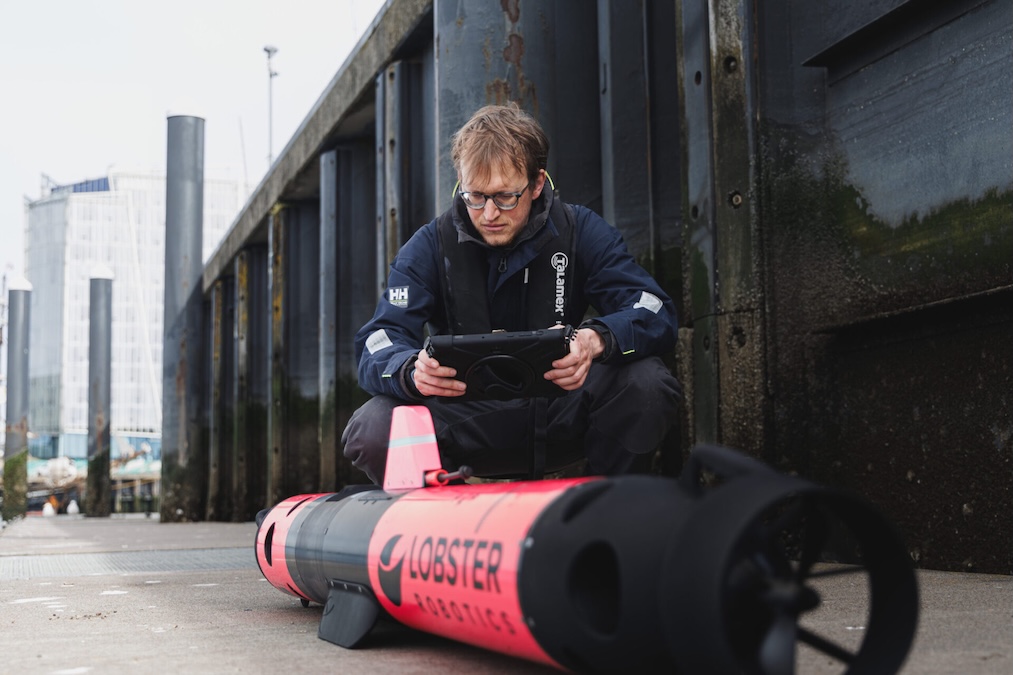
Tulip Tech worked with Lobster Robotics to increase the endurance of its autonomous underwater drones without requiring a larger vehicle. The battery system had to fit within the existing sealed hull, deliver substantially longer battery life, and remain practical to service during offshore operations.
3. First Northeastern Pacific Sighting of Elusive Deep-Sea Bigfin Squid
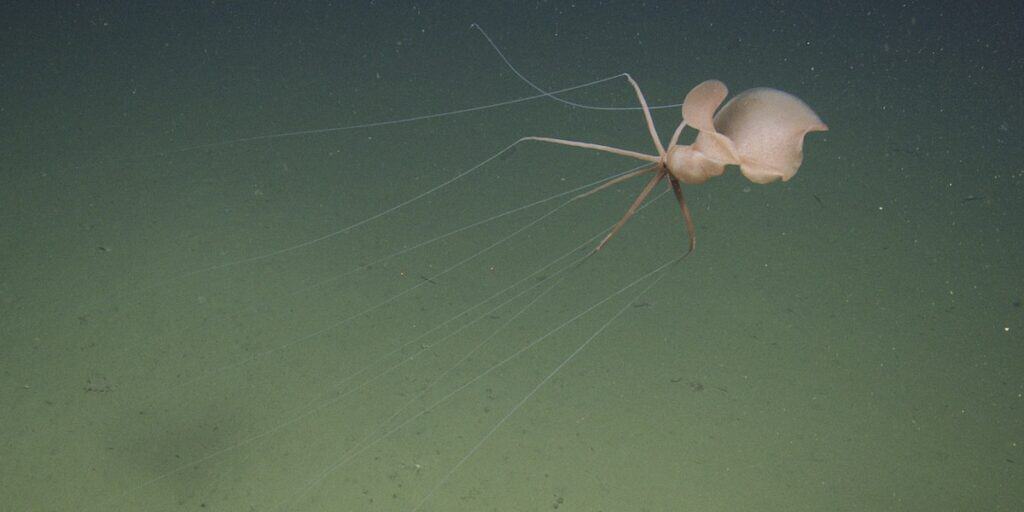
During a recent expedition aboard the flagship research vessel David Packard, scientists from the Monterey Bay Aquarium Research Institute (MBARI) and National Oceanic and Atmospheric Administration (NOAA) collaborators captured the first confirmed live observation of a rare deep-sea bigfin squid in the Northeastern Pacific Ocean.
4. PIVOT ROV Supports Multidisciplinary Ocean Science Research in Antarctica
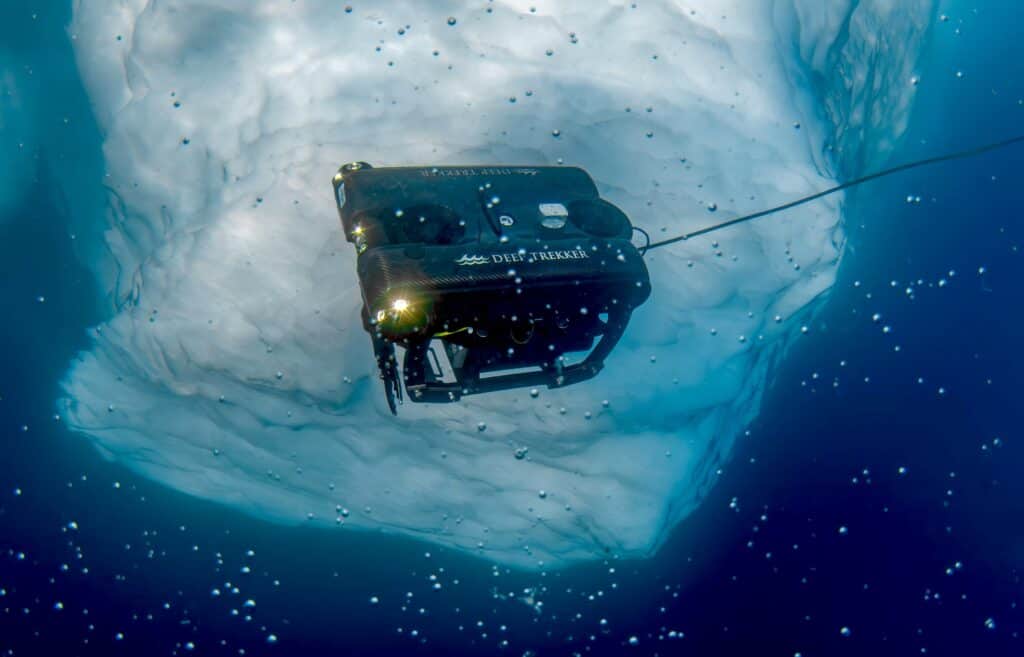
Deep Trekker details how its PIVOT ROV supported subsea research during a 24-day Antarctic expedition involving 22 women explorers from more than nine countries, who retraced Sir Ernest Shackleton’s historic Imperial Trans-Antarctic route while conducting interdisciplinary research across the Southern Ocean.
5. Voyis & CGuard to Demonstrate 3D Optical Imaging for MCM at REPMUS 2026

Voyis and CGuard will demonstrate how high-resolution underwater optical imaging can support safer and more efficient Mine Countermeasure (MCM) operations during the REPMUS 2026 exercise in Portugal. REPMUS is an international exercise focused on demonstrating and advancing maritime uncrewed systems.