The Global Sourcing Hub for Marine, Subsea & Offshore Technology
Discover cutting-edge solutions from leading global suppliers
2025 emerged as a highly active year for marine technology, defined by new sensing architectures, compact navigation systems, expeditionary security solutions, and advances in ocean monitoring. The year also saw notable partnerships across commercial, government, and research sectors, along with detailed industry insights that illustrated how developers addressed operational challenges and refined system performance.
In this overview, OST looks back on the new technologies, collaborative programs, and technical insights that shaped marine activity in 2025, highlighting key developments across sensing, autonomy, navigation, security, and environmental monitoring.
Jump to:
Marine Technology Developments in 2025
Global Collaborations for Commercial Operations & Maritime Security
Industry Insights from Leading Tech Developers
Reflections on 2025 & the Path Into 2026
Marine Technology Developments in 2025
Advances across navigation, subsea sensing, expeditionary security, portable hydrographic mapping, environmental forecasting, and scientific imaging defined a year marked by rapid progress in both operational capability and data quality.
Compact Navigation and Expeditionary Underwater Security Systems
Teledyne Marine introduced the Compact Navigator in 2025 at Ocean Business, offering a fully integrated navigation unit sized for small subsea and surface vehicles.
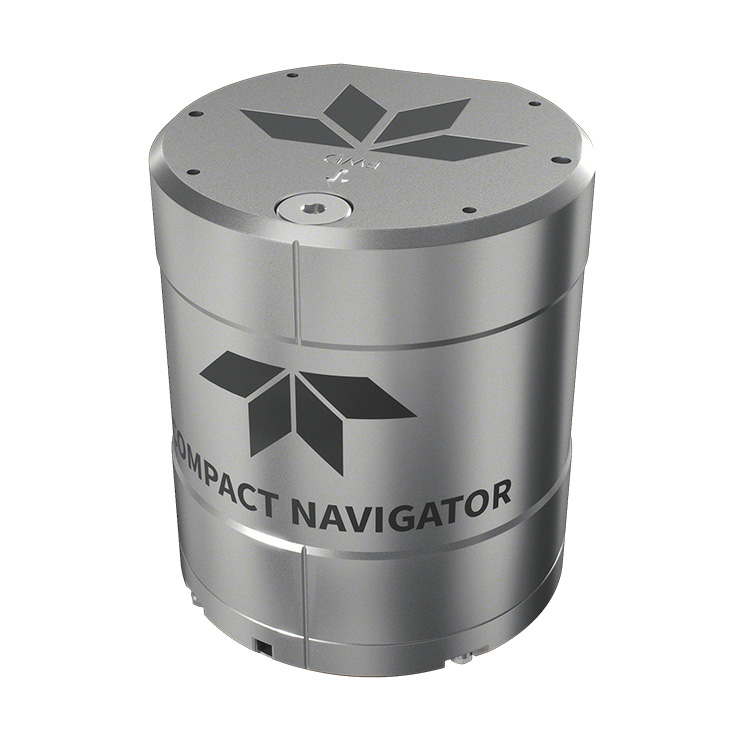
The system delivers high-accuracy inertial navigation, phased array DVL capability, and exceptionally low power demand in a compact form factor, allowing smaller platforms to perform inspection and survey tasks previously limited to larger vehicles.
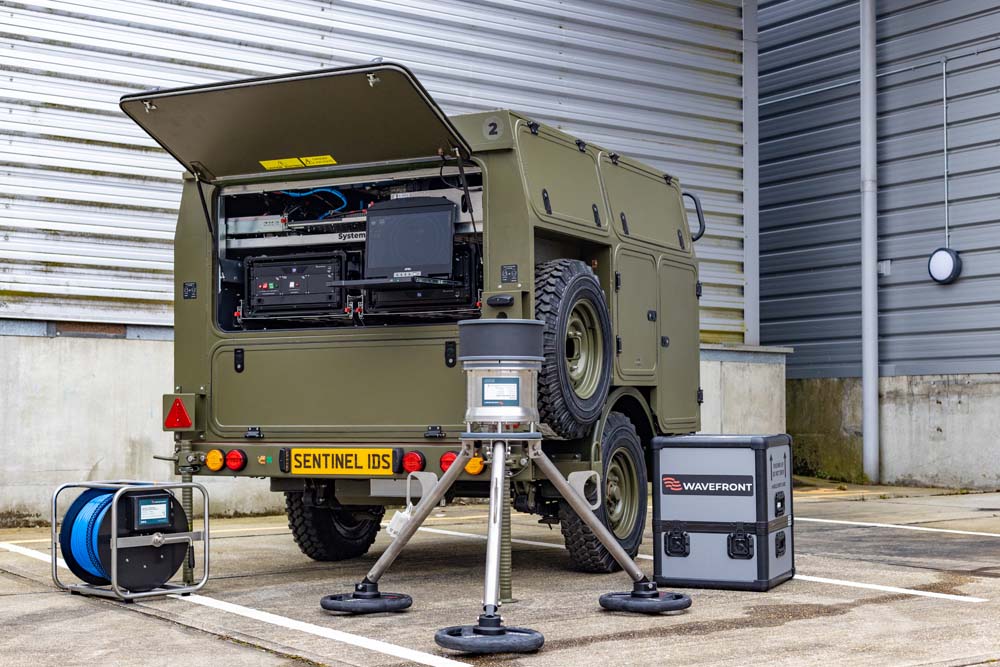
Wavefront Systems expanded deployable underwater protection with the Sentinel IDS Expeditionary Trailer, a mobile security unit designed for rapid setup in remote or infrastructure-limited areas. Integrating the Sentinel IDS sonar with onboard power, command systems, and mesh networking, the trailer enables users to establish underwater threat detection perimeters within minutes and operate autonomously for extended periods.
Advanced Subsea Sensing and Portable Hydrographic Mapping Tools
Elwave launched FieldGuard this year as a new passive electromagnetic sensor for detecting weak underwater electric signatures.
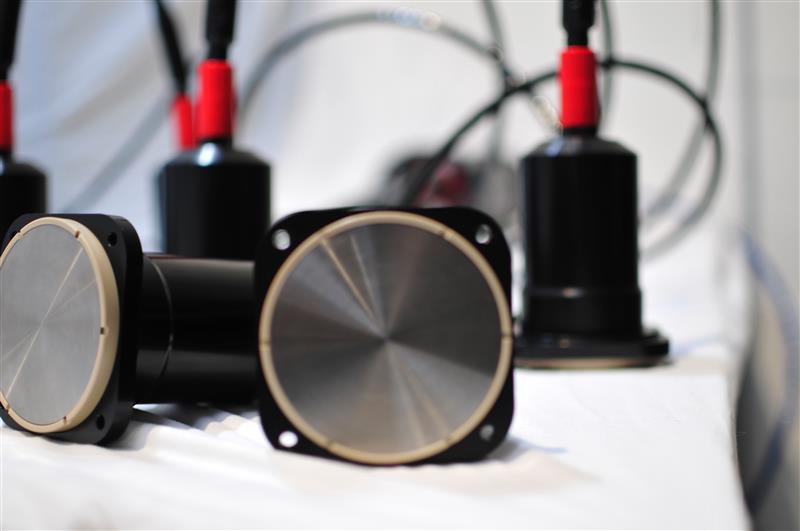
Built on a fully solid-state architecture with sub-10 picovolt-per-meter sensitivity at 1 Hz, FieldGuard enables long-term monitoring and detection of low-signature targets that acoustic sensors may miss, supporting applications ranging from ASW and diver detection to buried cable tracking and environmental research.
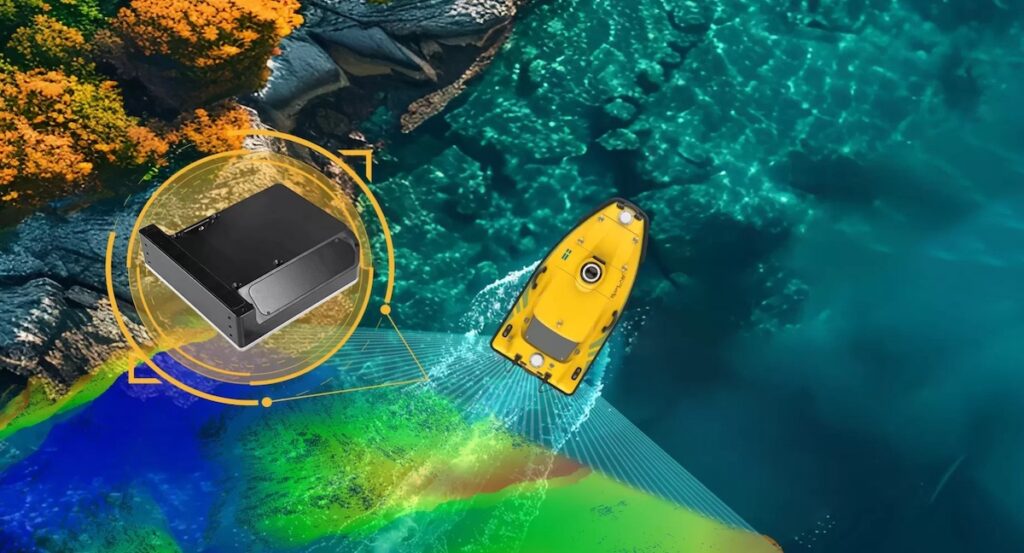
SatLab Geosolutions introduced the HydroBoat 1200MB, a portable USV integrating the HydroBeam M2 multibeam echo sounder for high-resolution bathymetric mapping. With an ultra-integrated workflow, real-time 3D visualization, and SPIN sound velocity correction, the system allows small teams to perform accurate inland and nearshore surveys with minimal setup and no separate SVP equipment.
Environmental Monitoring Innovations and High-Resolution Scientific Imagery
SubC Imaging technology supported new scientific evidence through the Rayfin camera, which documented anchor and chain damage on the Antarctic seafloor.
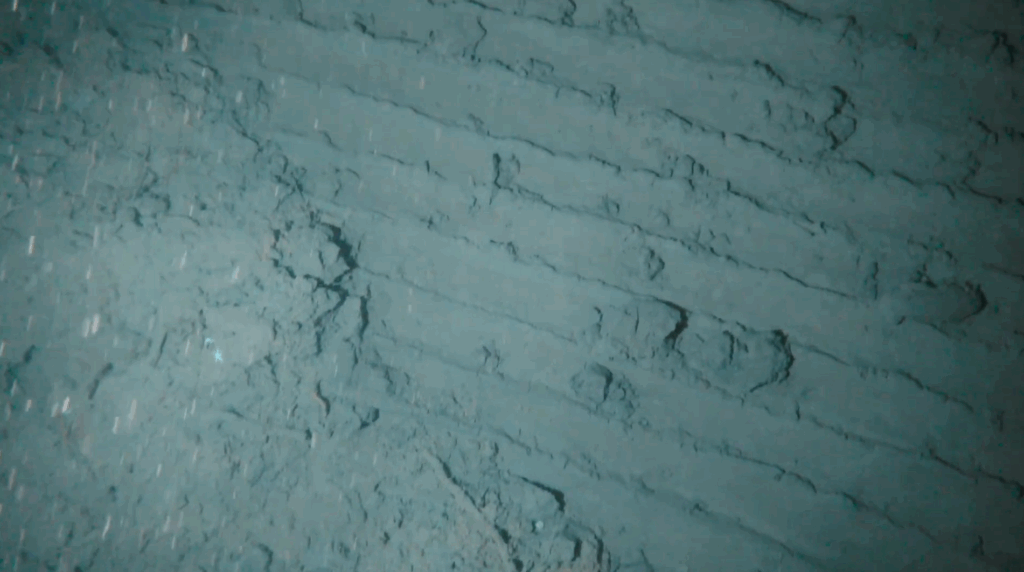
Researchers recorded detailed video across multiple expeditions, revealing crushed sponge colonies, chain striations, and sediment displacement in sensitive habitats. The footage underscored the vulnerability of polar seafloor ecosystems and informed recommendations aimed at reducing future anchoring impacts.
NOAA advanced hurricane modeling capability with the operational use of the updated Hurricane Analysis and Forecast System, improving storm track and intensity prediction during the 2024 season and supporting earlier, more precise guidance for communities facing tropical storms and hurricanes. Higher-resolution storm-following nests provide clearer views of storm structure and enhanced decision-making across emergency response organizations.

Global Collaborations for Commercial Operations & Maritime Security
International programs strengthened surveillance networks, improved underwater threat detection, expanded mine countermeasure capacity, and enhanced communication and navigation reliability through coordinated system integration.
Underwater Threat Detection and Mine Countermeasures
Charles River Analytics advanced the MAGNETO magnetic anomaly system with the U.S. Navy in 2025, strengthening submarine detection in areas where acoustic signatures were limited.
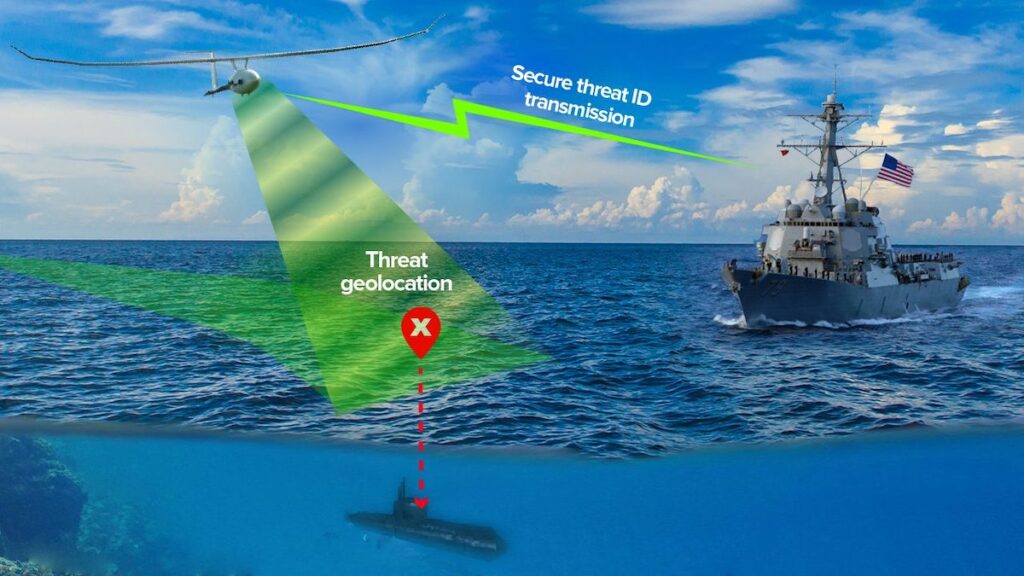
The effort applied machine learning to isolate magnetic disturbances and classify targets through a staged identification process that improved accuracy in real time.
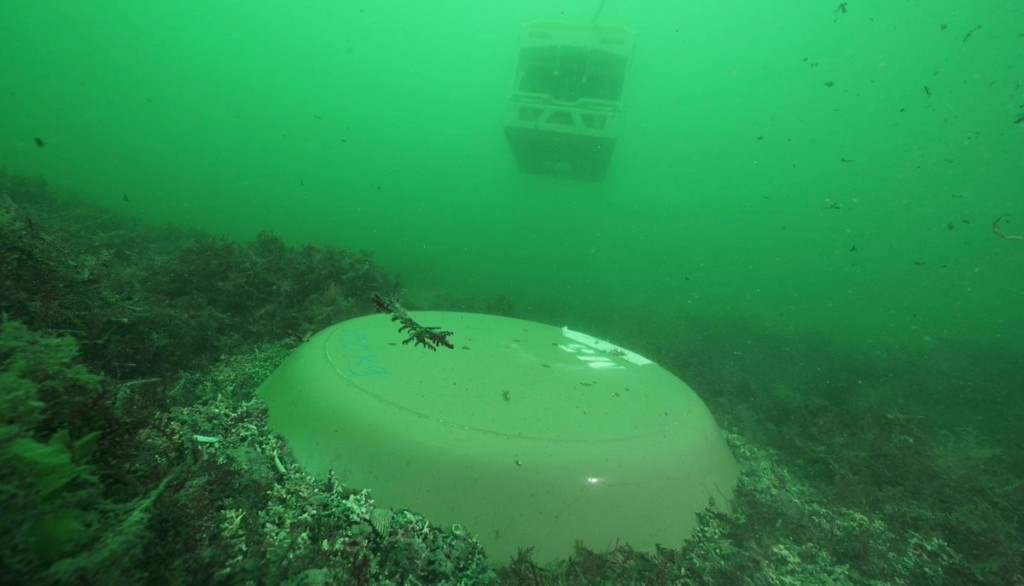
Additionally, Elwave’s CEDAR and Octopulse technologies were integrated into the European E=MCM program during 2025, supporting seabed crawlers that detected and characterized drifting, buried, and moored mines. Working with Royal IHC and partner nations, Elwave contributed sensing capability suited for high-noise and low-visibility conditions, reinforcing coordinated mine countermeasure activity across Europe.
Uncrewed Systems and Sonobuoys for Marine Surveillance
Thales strengthened French ASW readiness through the supply of SonoFlash sonobuoys, which combined active and passive modes in a single expendable unit.
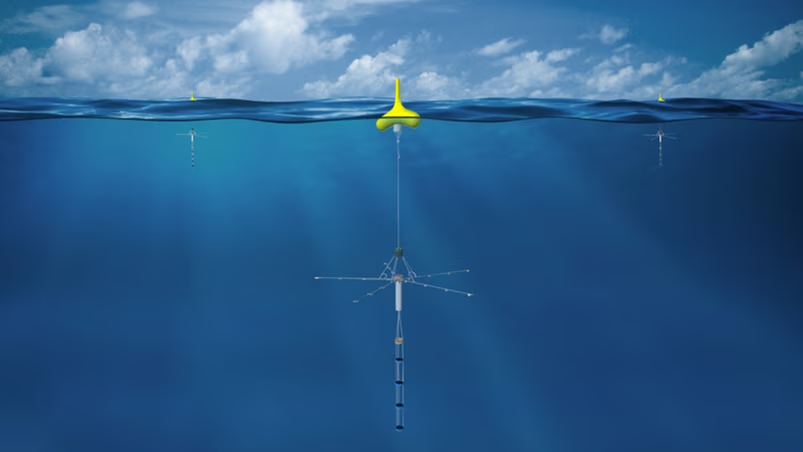
Integrated with airborne and surface assets, the sonobuoys improved detection range and tracking performance and supported broader modernization across naval aviation.
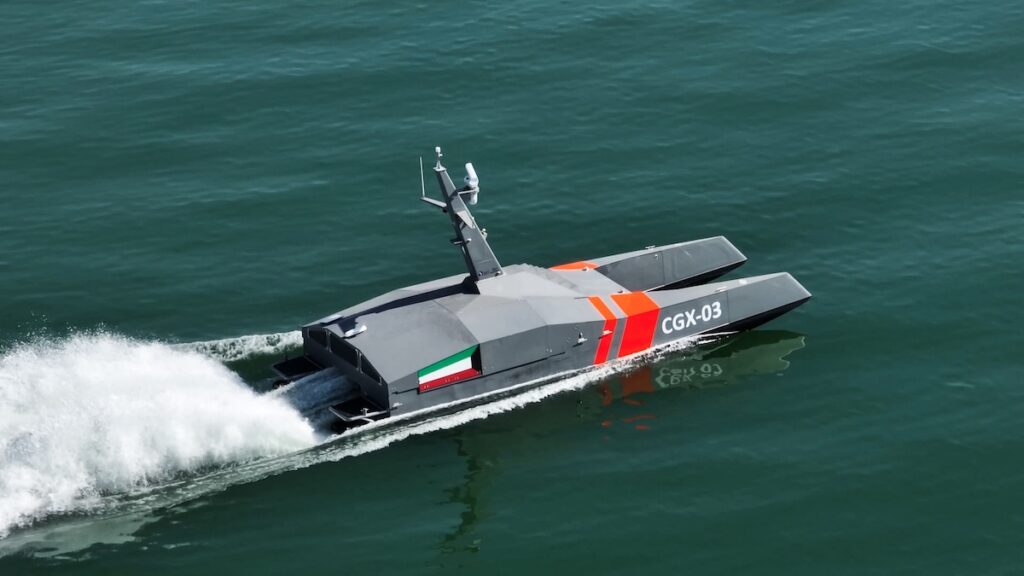
Ocean Infinity’s NeedleFish USV entered operational service with the Kuwaiti Coast Guard this year as part of a national surveillance network that supported autonomous patrol, mapping, and monitoring across territorial waters. Controlled from shore command centers and equipped with a dedicated sensor suite, the platform expanded Kuwait’s maritime domain awareness capacity.
Communications and Navigation Partnerships for Operational Reliability
MetOcean Telematics supported the Government of Canada in 2025 through a new agreement that provided Iridium satellite services and hardware for remote and maritime missions.

The arrangement delivered resilient communication routes for operations in Arctic regions and other challenging environments where dependable coverage was essential.
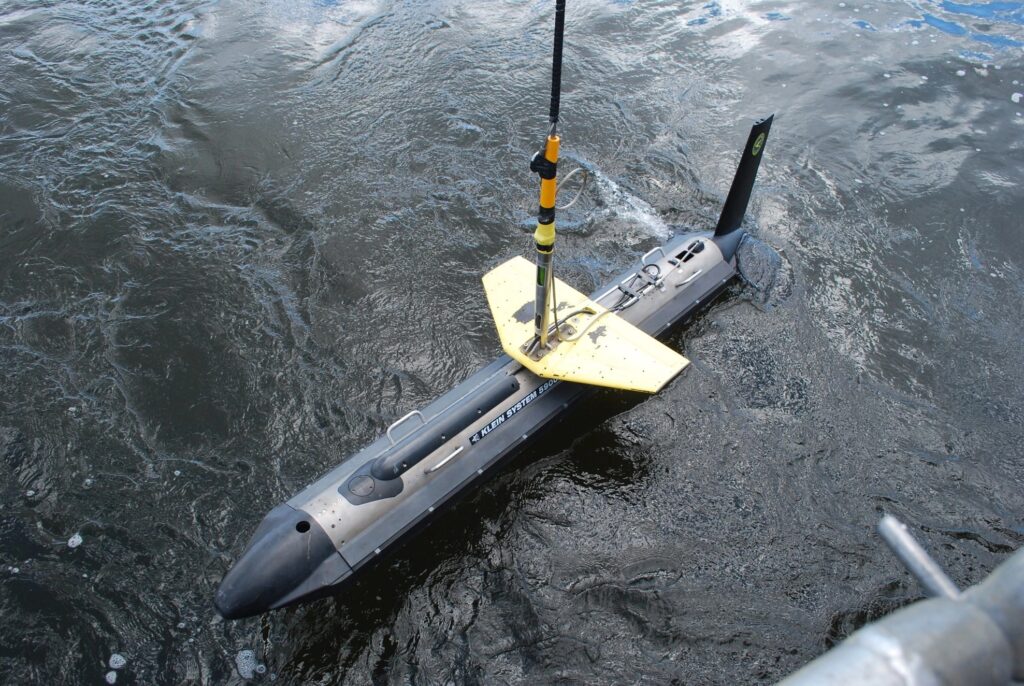
Klein Marine Systems and Exail partnered to enhance the Klein 5900 side scan sonar by integrating the Octans Nano OEM AHRS. The navigation system reduced drift and improved attitude accuracy, providing clearer seabed imagery for defense, survey, and commercial teams operating in complex underwater conditions.
Industry Insights from Leading Tech Developers
Technical perspectives from developers highlighted rising interest in modular USVs, refined autopilot architectures, distributed hydroacoustic sensing, high-resolution ocean profiling, next-generation telemetry, and improved shallow-water acoustic performance.
Modular USV Platforms and Autopilot Systems
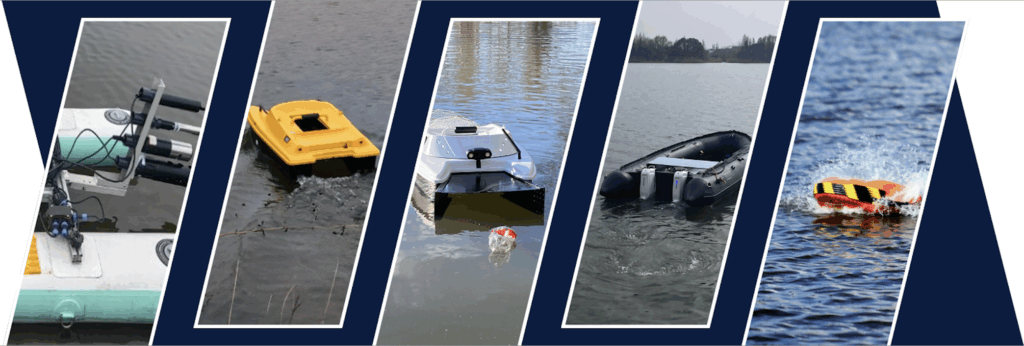
AGISTAR underscored growing interest in modular USVs, describing how lightweight construction, adaptive autonomy, and mission-specific configuration supported a wide range of scientific and environmental applications. Recent deployments demonstrated efficient water quality surveys and high-precision mapping, while development activity focused on improved communications, plug-and-play payload options, and greater operational endurance for remote missions.
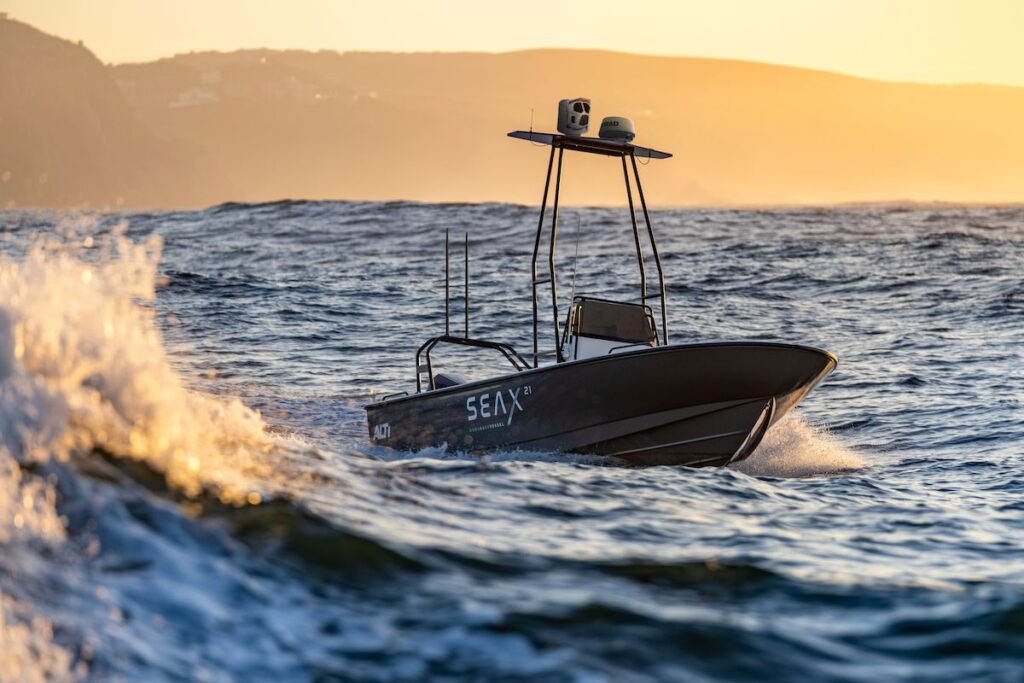
Dynautics expanded on advances in marine autopilot design, describing how tailored control architectures, hybrid power management, and modular autopilot modules improved the performance of uncrewed surface and underwater platforms. The company detailed real-world deployments ranging from long-endurance wave-powered USVs to highly maneuverable survey craft and discussed how autonomy frameworks and AI-enabled decision support are shaping the future of supervised autonomous operations.
Hydroacoustic Sensing and High-Resolution Ocean Profiling
Crewless Marine shared insights on the growing demand for cost-effective hydroacoustic monitoring, emphasizing how affordable multi-sensor arrays and automated onboard processing can outperform traditional single high-cost systems.
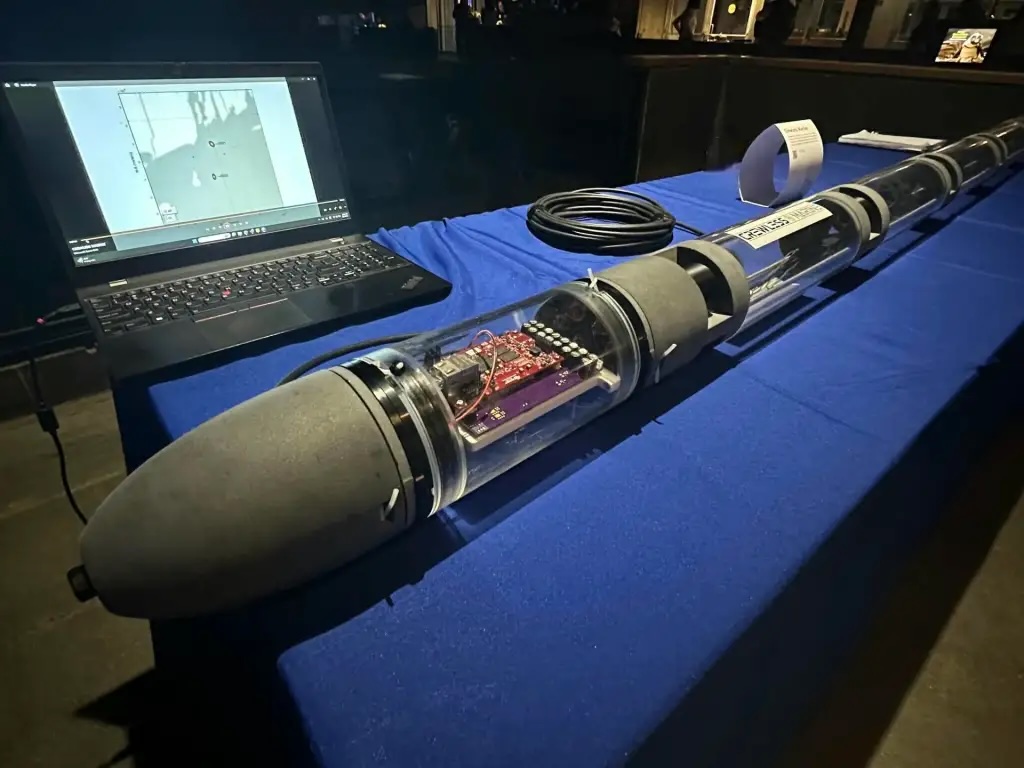
The company explained how distributed sensors, fused data, and automated interpretation are helping defense, research, and environmental operators monitor underwater activity with greater efficiency.
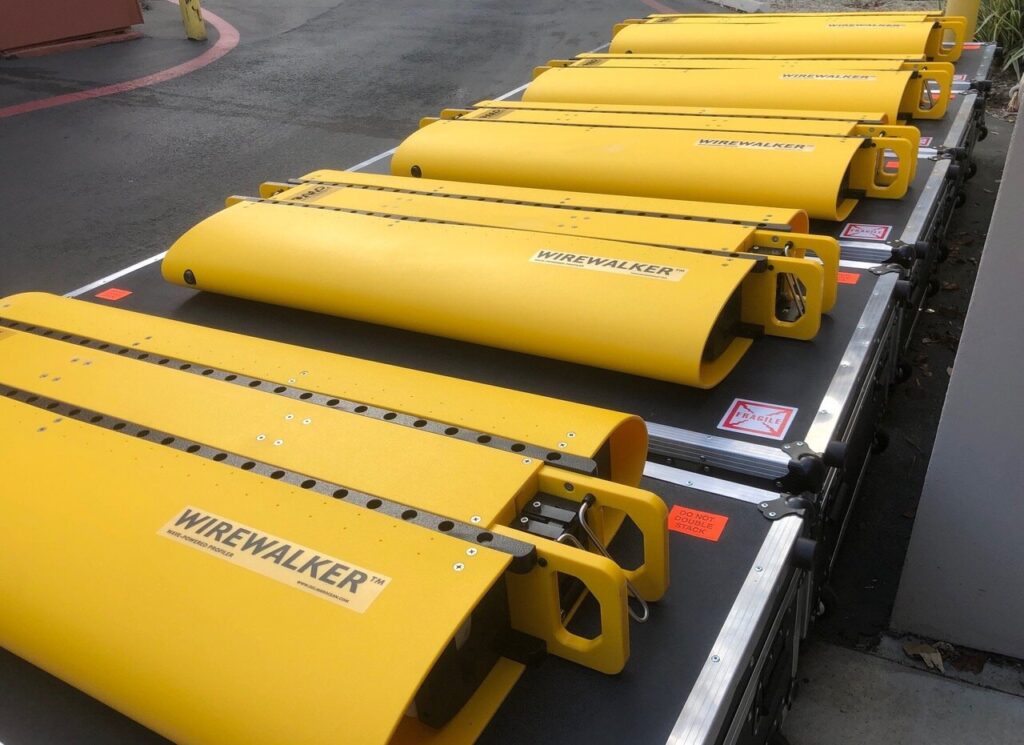
Del Mar Oceanographic highlighted continued growth in high-resolution profiling, detailing how the wave-powered Wirewalker platform delivered vertically rich, power-efficient data sets for scientific and operational missions. The company reported recent deployments that combined rapid upper-ocean sampling with deeper profiling and described trends toward integrating vertical profilers with mobile autonomous systems to build combined spatial and temporal ocean data records.
Next-Generation Telemetry and Shallow-Water Acoustics
MetOcean Telematics used 2025 to mark major milestones in satellite connectivity, outlining how its STREAM+ transceiver and iTRAC vessel platform supported reliable real-time data exchange for remote and autonomous operations.

The company discussed wider trends in low-power IoT devices, long-duration deployments, and emerging systems such as STREAM1, the Infinity-iF recovery beacon, and the NiKA maritime surveillance platform.
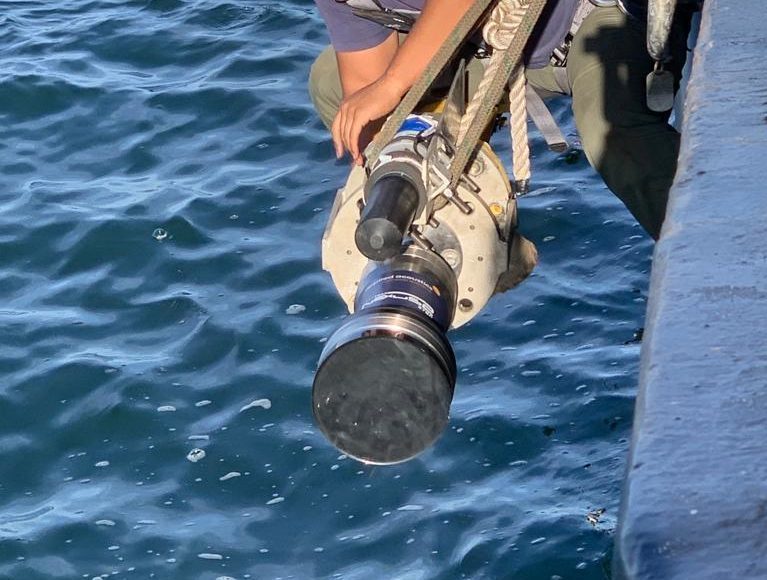
Applied Acoustics provided detailed technical insight into the persistent challenges of USBL tracking in shallow water, highlighting how multi-path interference, variable sound velocity, and signal geometry affect range and accuracy. The company outlined mitigation strategies including spread spectrum processing, refined interrogation rates, tilt-adapted transceiver angles, and integrated depth aiding, while also previewing the rollout of its Sigma 3 protocol across its USBL portfolio.
Reflections on 2025 & the Path Into 2026
The central themes emerging from 2025’s marine technology advances point to compact sensing, adaptable autonomy, and integrated maritime security. New systems introduced throughout the year highlighted a shift toward smaller navigation units, deployable protection platforms, portable mapping tools, and enhanced environmental monitoring instruments suited for efficient operation with limited infrastructure. Partnerships across commercial, government, and research sectors also strengthened maritime surveillance networks and broadened the role of uncrewed systems in daily operations.
Taken together, these developments show an industry moving toward platforms that deliver higher quality data, operate with greater independence, and maintain consistent performance across diverse marine environments. The continued blending of sensing, navigation, and communication capabilities is shaping a more connected and resilient operational landscape for the year ahead.
Those forward-looking trends will be examined in our upcoming feature, BlueTech in 2026: Where Ocean Innovation is Heading.