
Voyis explains how inspection-grade underwater stereo cameras can support reliable 3D modeling in turbid, low-visibility environments. Read more >>
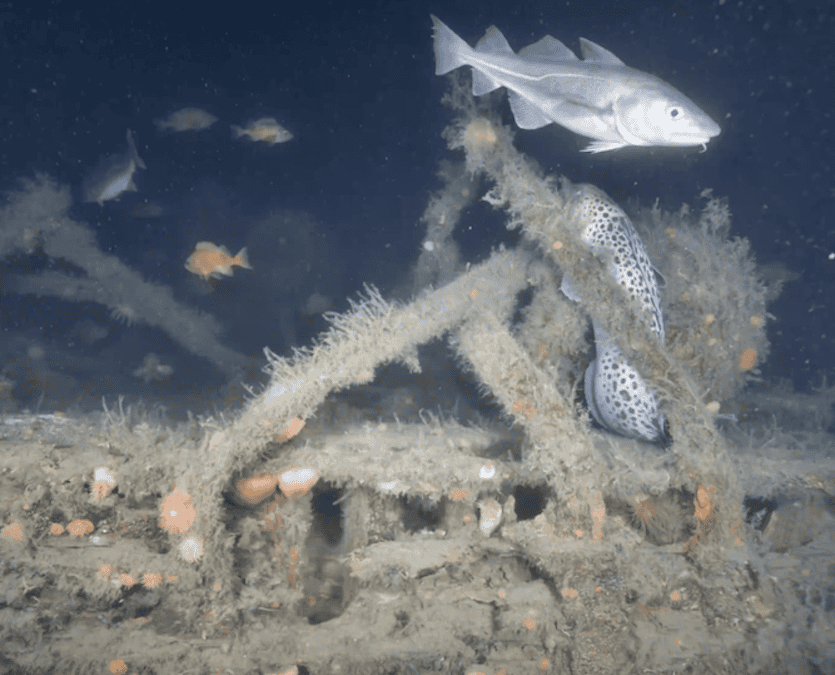
Subsea inspection sites such as inland lakes, nearshore locations, and areas affected by storms often contain suspended particles that reduce contrast and image clarity. These conditions can make feature detection, stereo correspondence, and feature matching more difficult, compromising the quality of 3D models produced with conventional cameras.
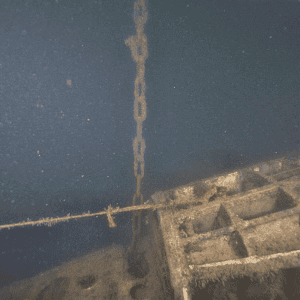
Real-time visualization from the Voyis Discovery Stereo
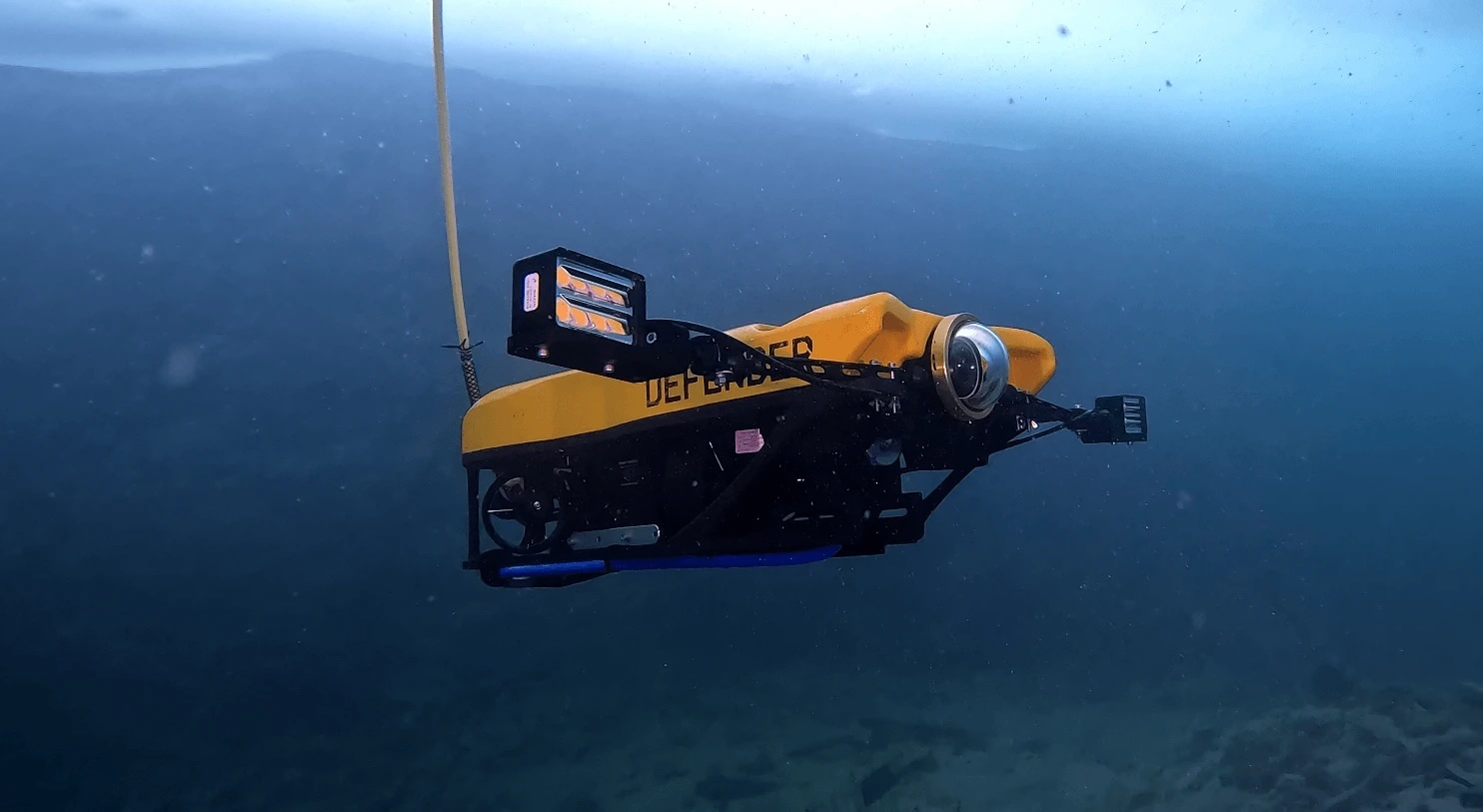
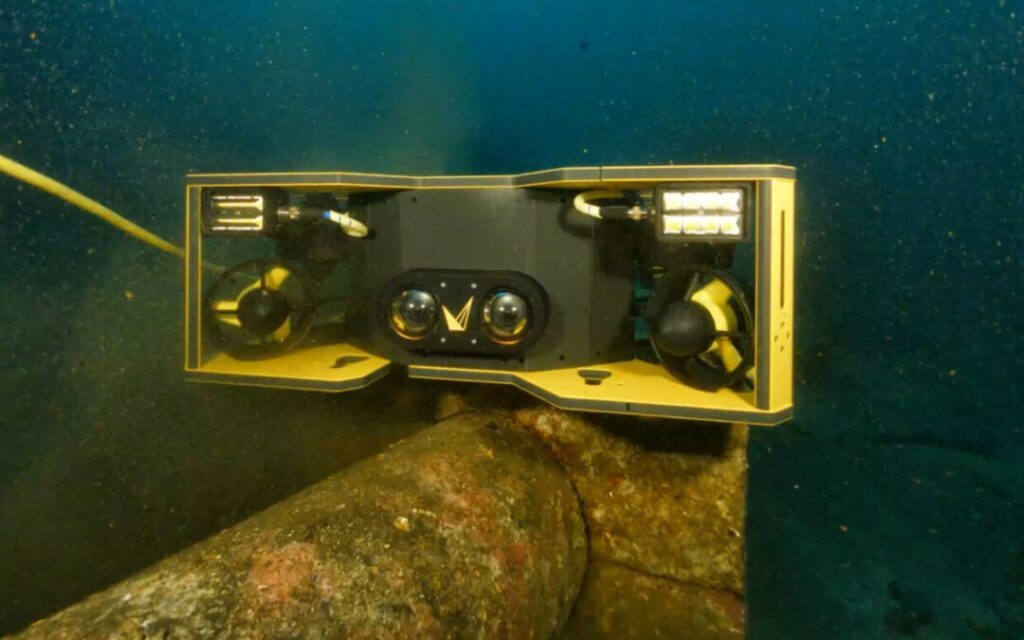
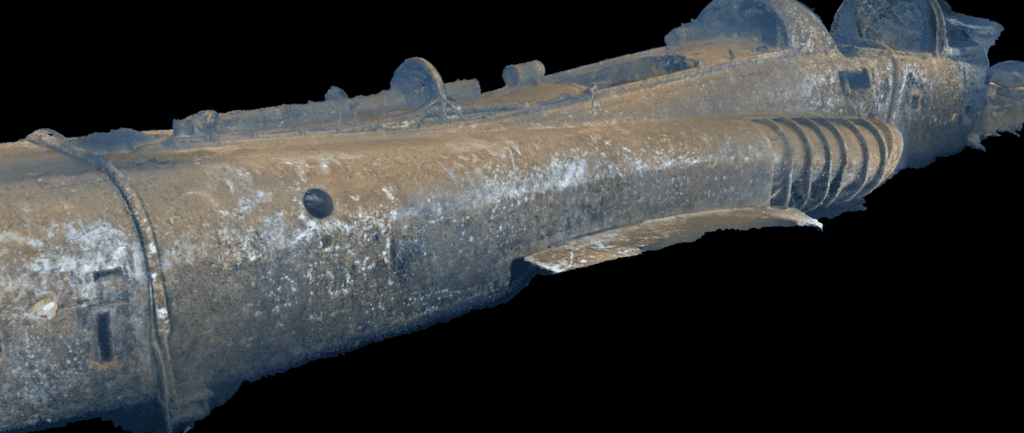
To evaluate performance under realistic conditions, the Voyis team carried out a field exercise at Mammoth Lake in Lake Jackson, Texas, after heavy rainfall had left the water green and highly turbid. A Voyis Discovery Stereo Inspection Series camera was mounted on a VideoRay Defender Remotely Operated Vehicle (ROV) to survey a known dive target. The team completed the full workflow, from underwater data acquisition through 3D reconstruction.
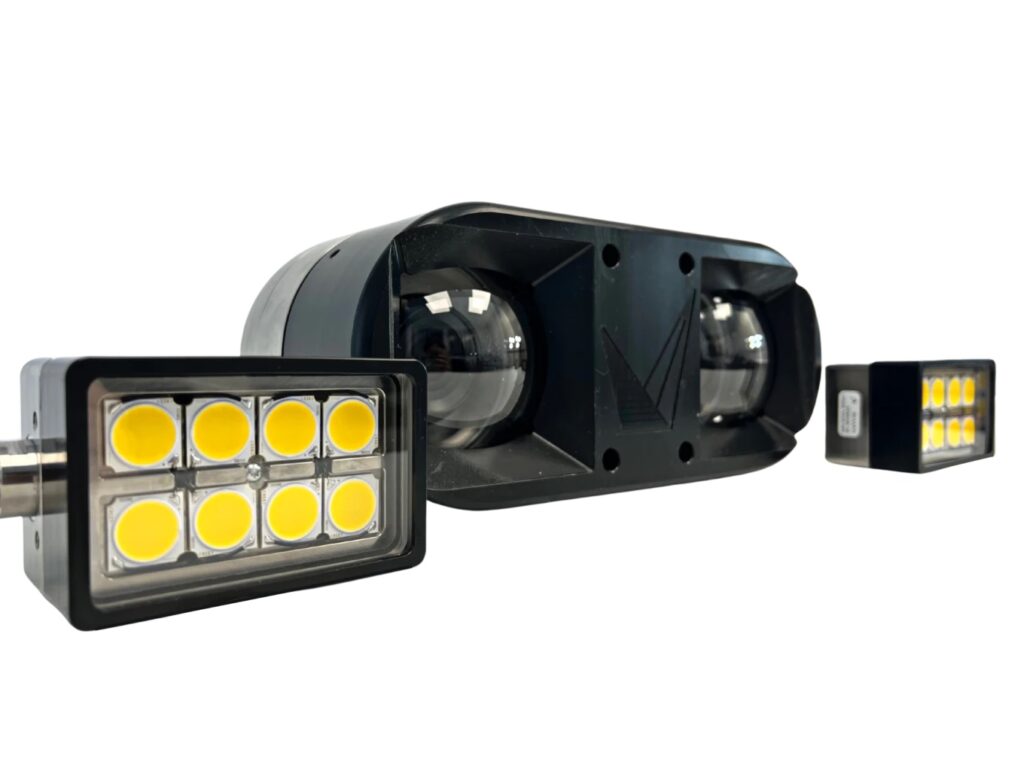
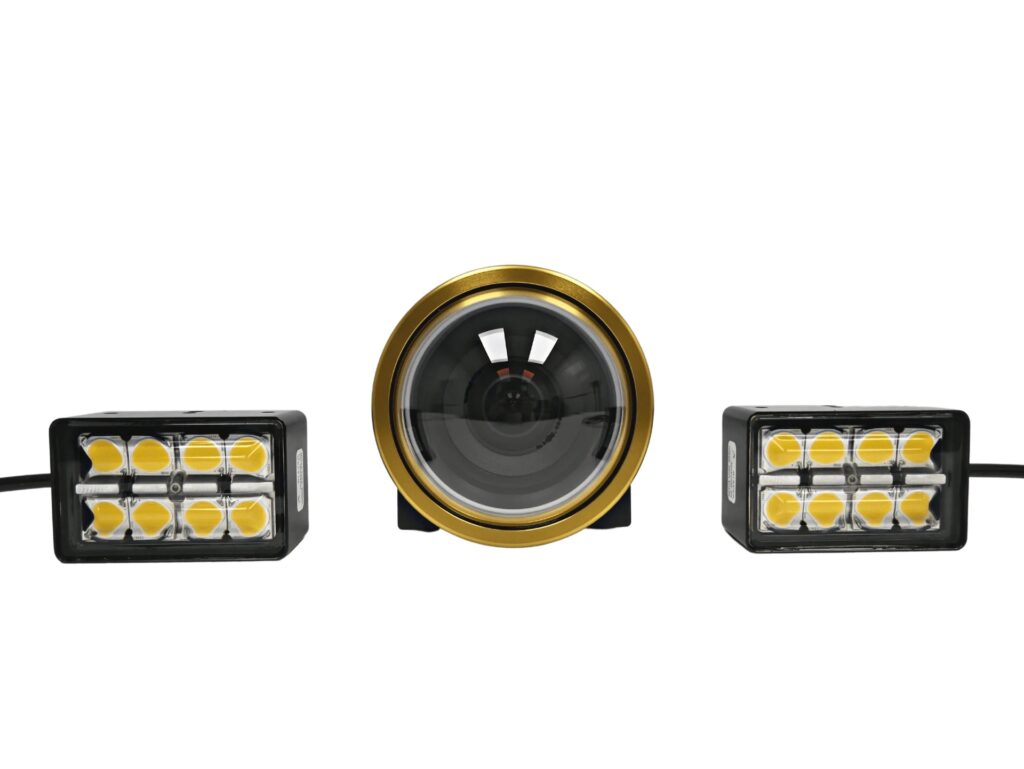
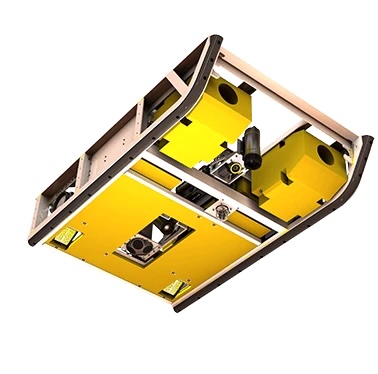
Inspection-grade underwater stereo cameras use calibrated stereo geometry, controlled lighting, and high-performance sensors to maintain consistent imaging in low-visibility water. The Voyis Discovery Stereo I300 camera uses Deep Vision Optics to maximize the full field of view, providing complete situational awareness for ROVs and comprehensive area identification during Autonomous Underwater Vehicle (AUV) surveys. Enhanced image sharpness improves feature and target detection and supports machine learning performance, while superior corner sharpness strengthens feature tracking for photogrammetry and SLAM applications.
Its optimized depth of field keeps both close-up and distant features in sharp focus, supporting detailed and comprehensive inspections. Together, these capabilities support high-quality stereo correspondence and improve 3D reconstruction accuracy in low-visibility, particle-filled water while reducing processing time and manual intervention.
Voyis VSLAM Powered by EIVA NaviSuite provides real-time data validation, coverage assessment, and quality control, allowing operators to identify gaps before leaving the site. Despite the challenging conditions at Mammoth Lake, the deployment produced a coherent and actionable 3D model. The result showed that although turbidity cannot be removed from the water, inspection-grade underwater stereo cameras can deliver reliable performance in non-ideal environments, helping reduce rework and downtime associated with waiting for improved visibility while increasing confidence in the collected inspection data.
Read ‘High-Quality 3D Modeling in Turbid Water with Underwater Stereo Cameras’ for more information.