Voyis has highlighted how modern mine countermeasure operations are shifting toward integrated autonomous workflows to balance large-area coverage with precise target identification.
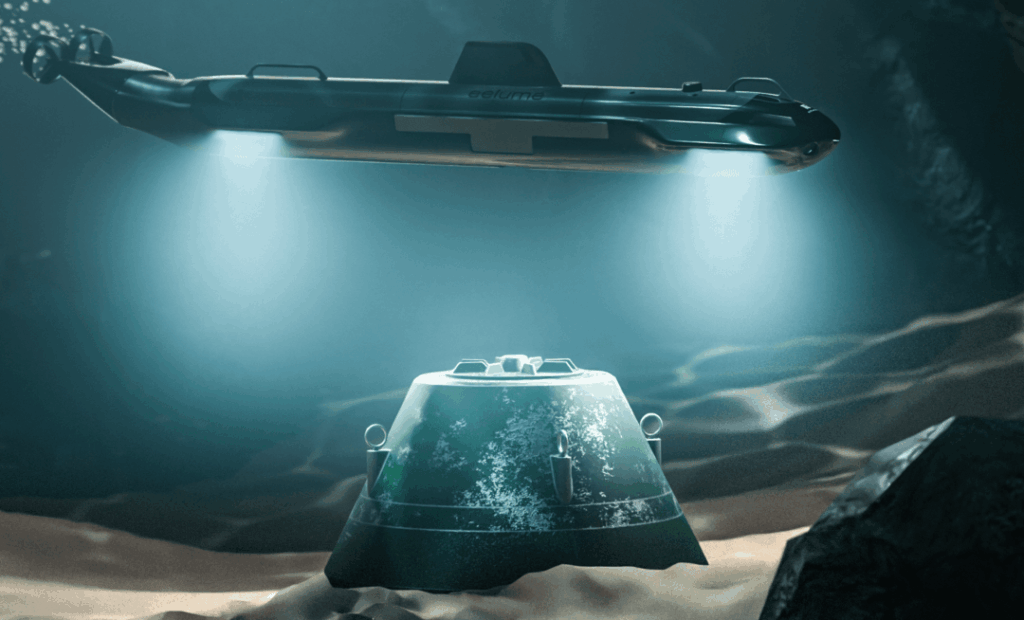
Mine countermeasure subsea missions rely on balancing wide-area survey efficiency with high-confidence object identification. Traditional operations follow three progressive stages: detection, classification, and identification. Wide-area seabed surveys first detect anomalies from higher altitudes to maximize spatial reach. The classification stage then re-acquires contacts at higher resolution to distinguish benign objects from threats. Finally, close-range inspection confirms the target’s exact structural characteristics. Advanced operations are now integrating these stages into adaptive, non-linear workflows that permit real-time revisiting and dataset refinement.
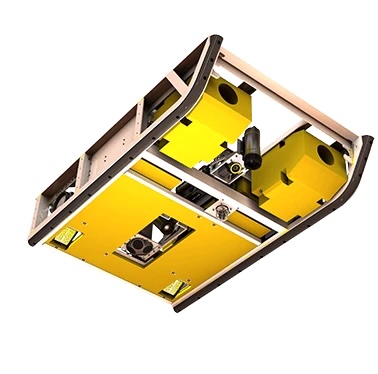
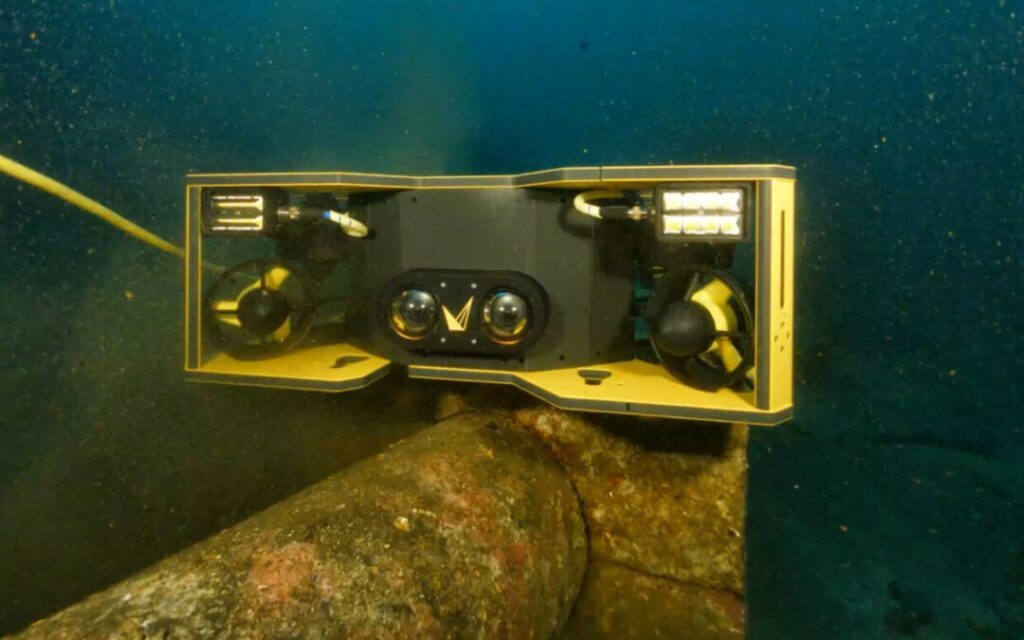
The Eelume S3 AUV provides an adaptable subsea deployment architecture through its articulated vehicle design. Controlled maneuvering enables close-proximity inspection around complex targets without leaving blind spots. Stable hydrodynamic performance directly supports precision acoustic and optical data capture.
Acoustic detection relies on the Forcys Solstice Multi-Aperture Sonar® (MAS), which incoherently combines acoustic returns across multiple pings. This process significantly improves the signal-to-noise ratio, reducing speckle-type noise over a wide 200m swath to increase object detectability.
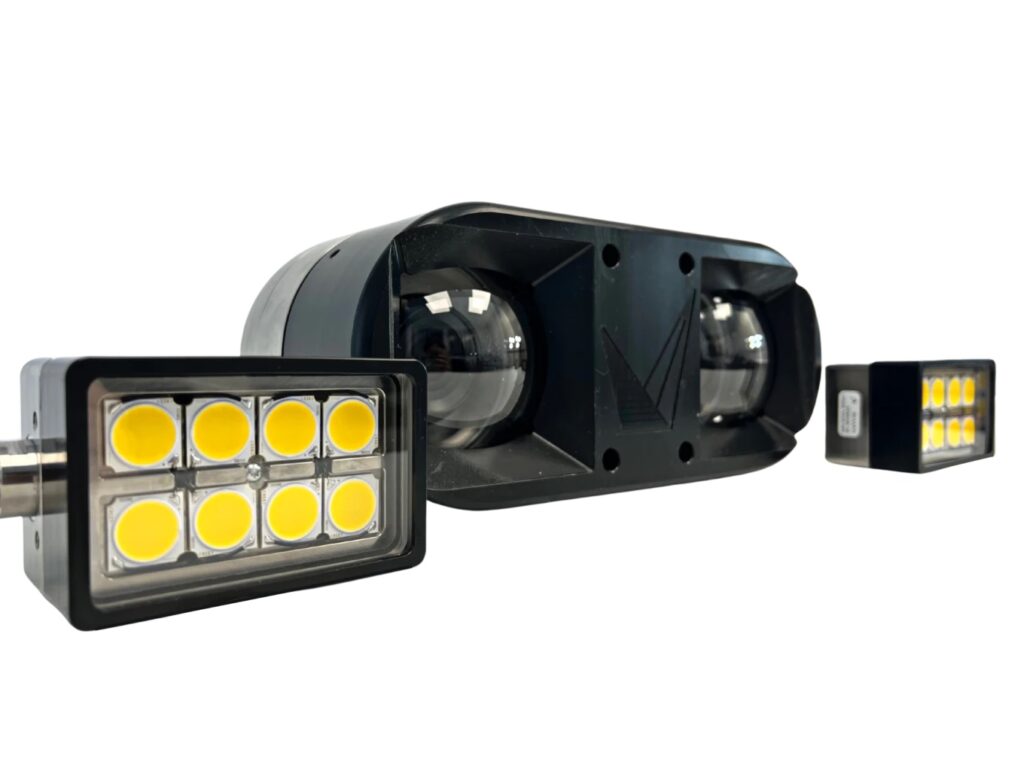
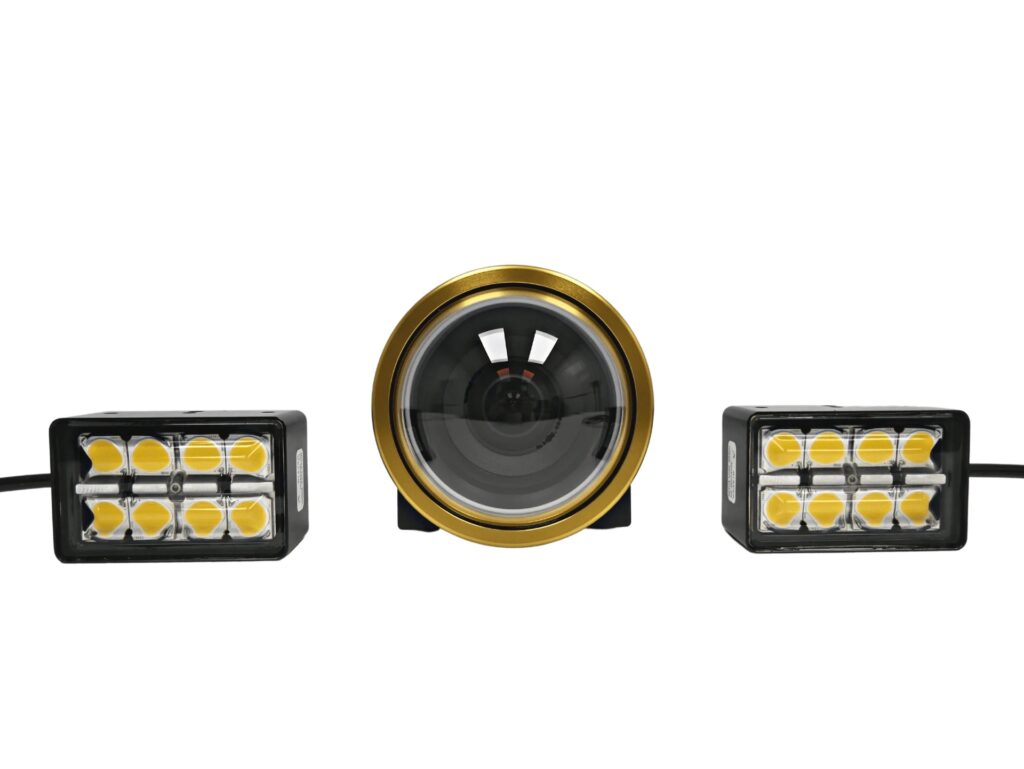
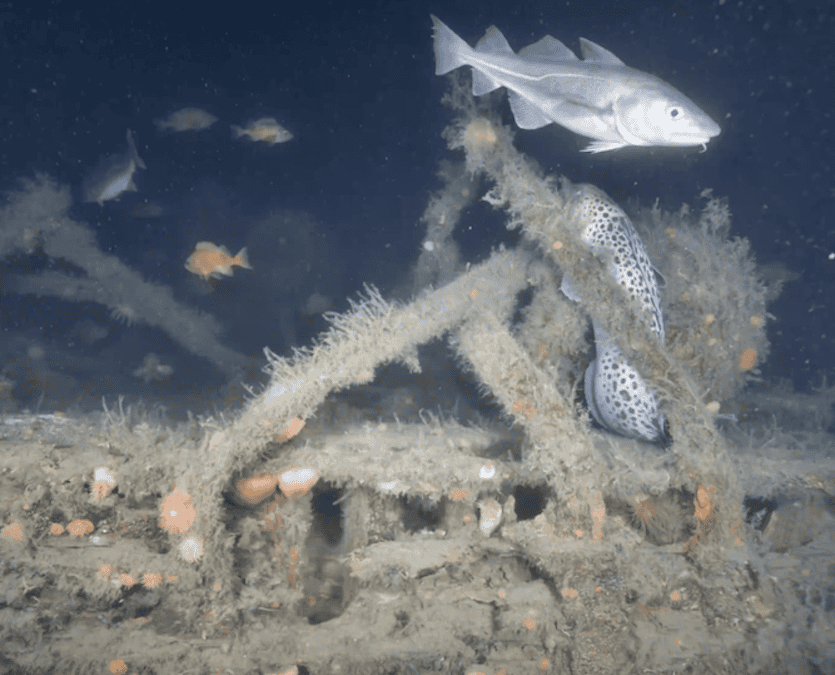
Visual validation is performed using the Voyis Observer Survey Series high-resolution 4K imaging system. Optical verification captures structural and material details, providing definitive confirmation that complements acoustic datasets. Combining these specialized platforms creates a fluid operational model that maximizes asset efficiency and data confidence.
Read Advancing Mine Countermeasure Operations Through Integrated Autonomous Systems.