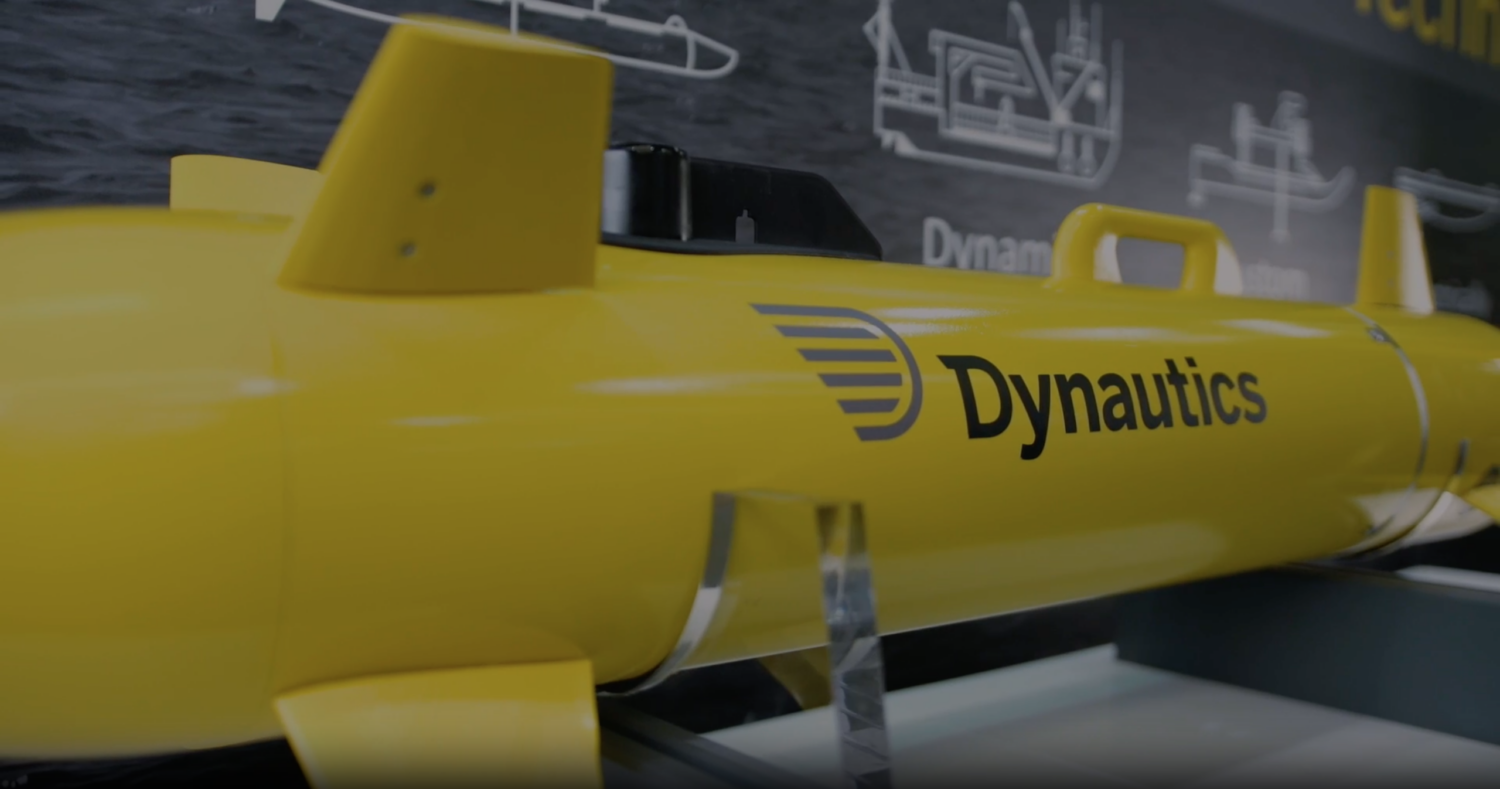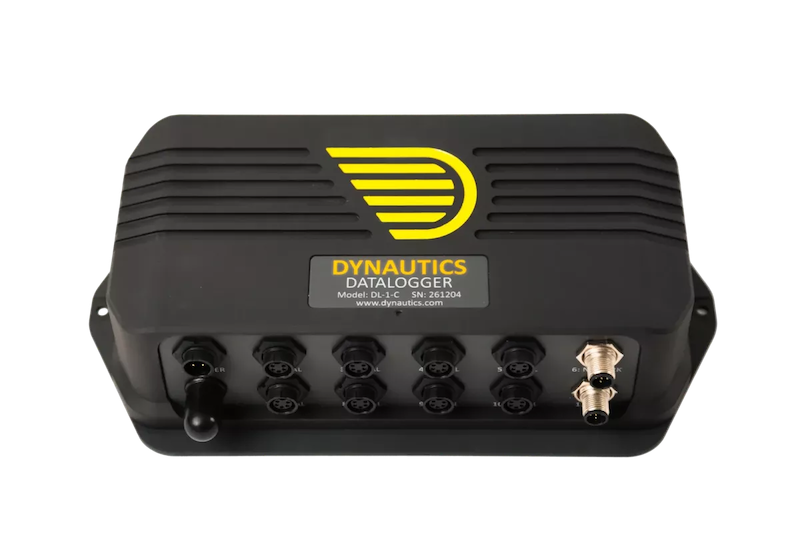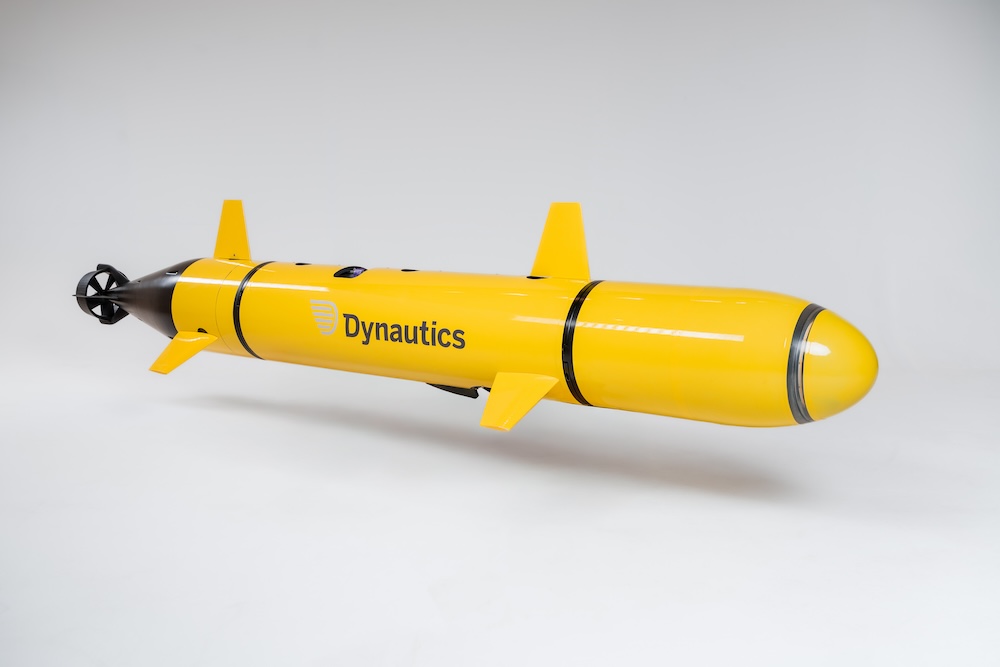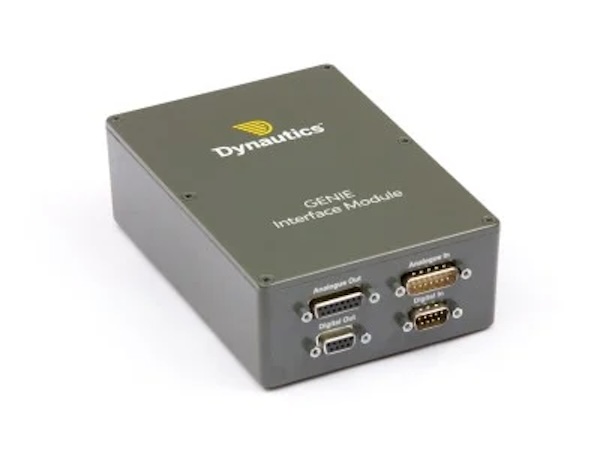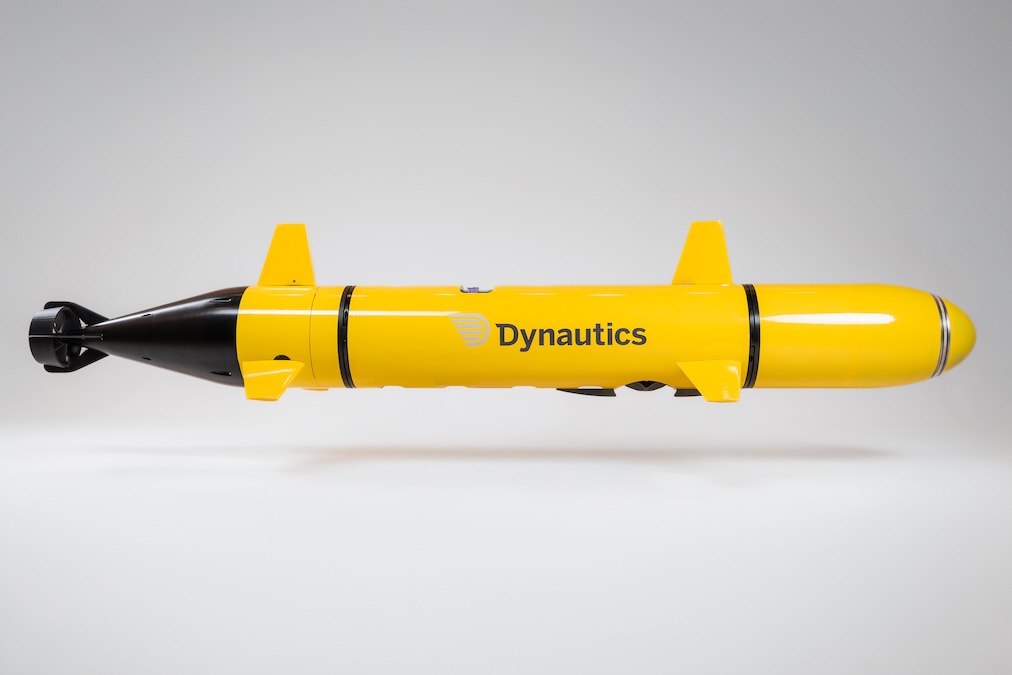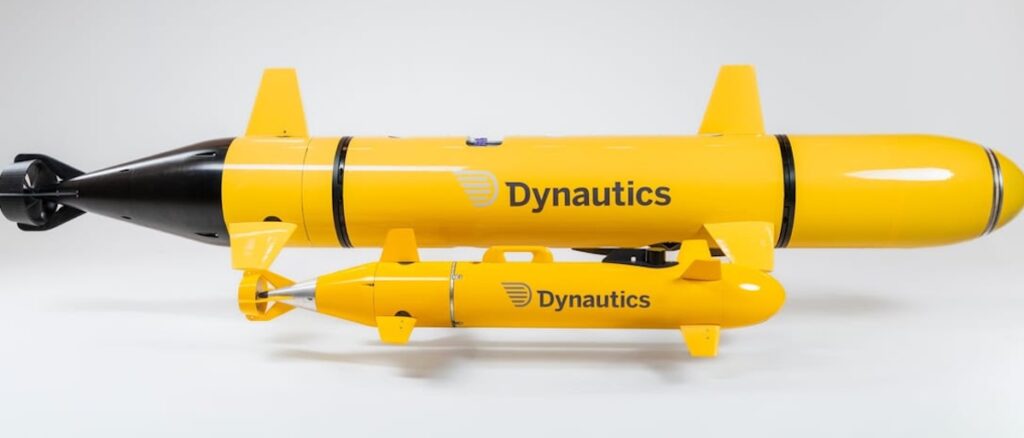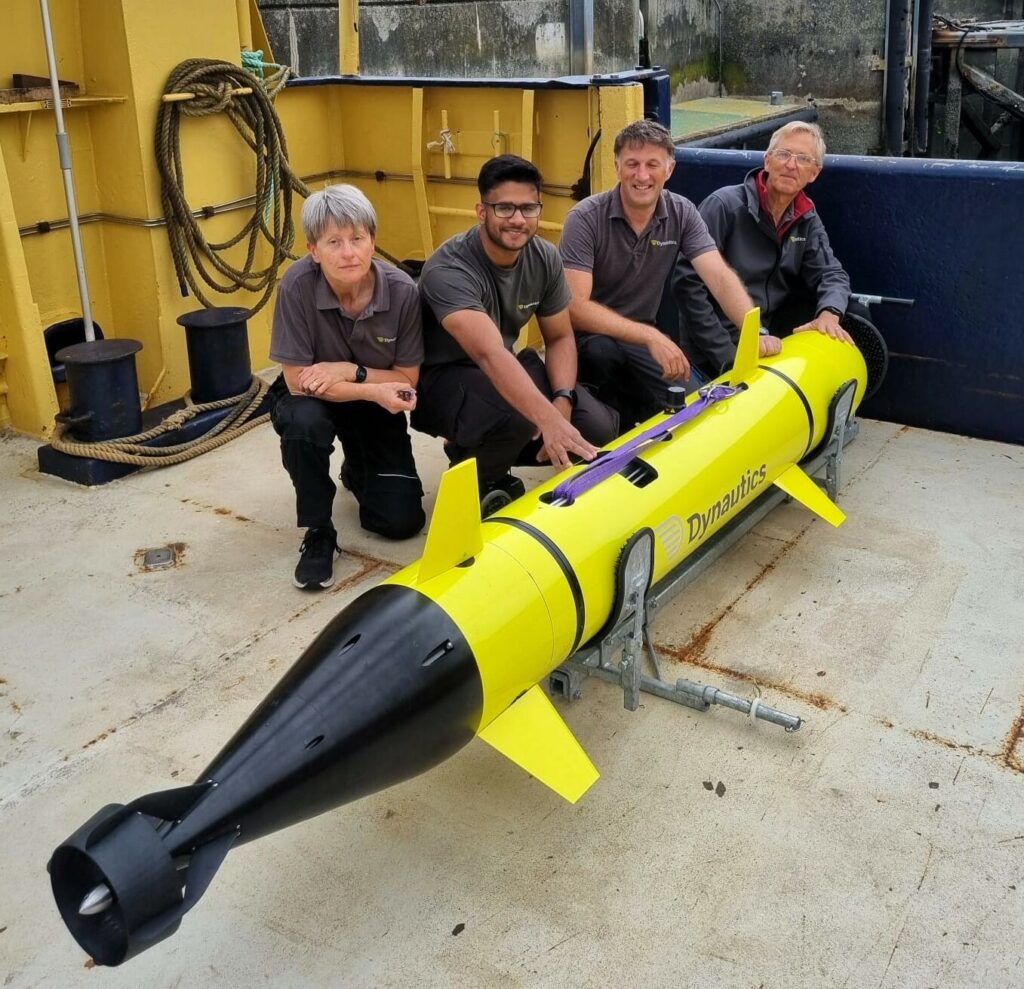
Dynautics’ Datalogger is an onboard mission data recorder for Unmanned Surface Vehicles (USVs), Autonomous Underwater Vehicles (AUVs), and other marine vessels.
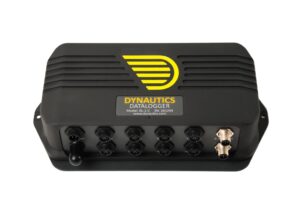
Vessel Datalogger.
Based on the company’s extensive experience in USV and AUV design and operation, the permanently installed system continuously records vessel data throughout a mission, enabling detailed mission reconstruction, post-mission analysis, and troubleshooting while addressing industry guidance that recommends vessel data recording for safety purposes.
The Datalogger is a single integrated recorder with multiple recording channels that continuously records data in the background and stores information in timestamped log files. Operators can download recordings over Ethernet or Wi-Fi, allowing mission data to be retrieved quickly for offline analysis.
Continuous Mission Data Recording
Designed as an onboard black box recorder, the Datalogger captures data streams at full speed throughout vessel operations. The standard configuration supports eight serial channels and one CANbus interface, with compatibility for both ASCII and binary data formats. Navigation sensor data, command and control information, and low-level machinery data can all be recorded at rates of 10 Hz or higher. CANbus traffic, including NMEA 2000 messages, is timestamped and logged on a message-by-message basis, while binary data can be encoded to produce a human-readable format while allowing reconstruction of the original data.
Intended for permanent installation, the Datalogger operates continuously in the background, ensuring operational data is recorded throughout each mission.
Real-Time Monitoring
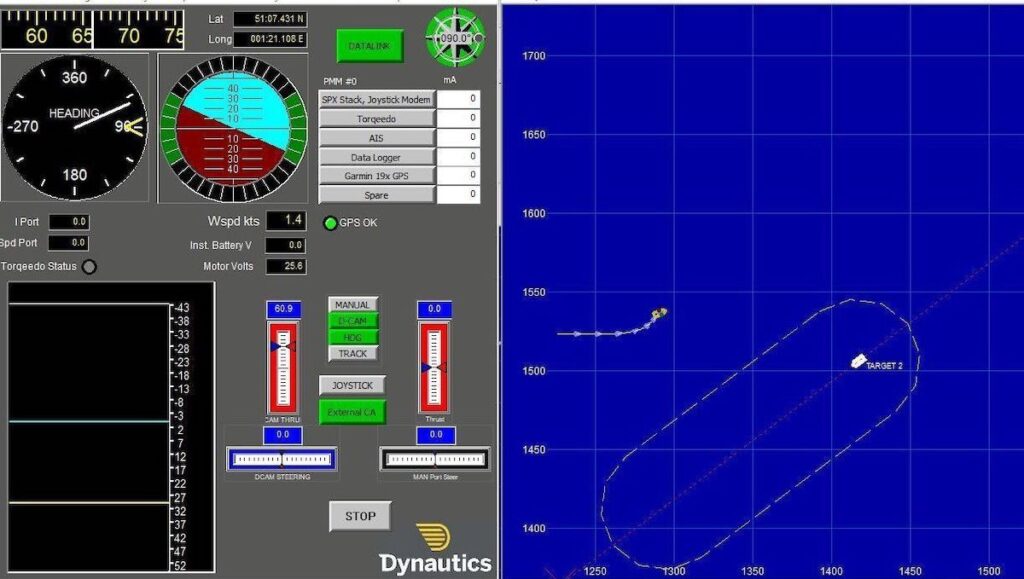
In addition to recording historical data, the Datalogger provides real-time monitoring through an integrated web-based interface. Accessible from a tablet, smartphone, or remote computer via Wi-Fi or Ethernet, the dashboard displays overall system status, current data rates, and active log files. Users can also view live sensor data entering the control system together with command data transmitted from it, providing a practical tool for monitoring vessel operation and investigating system behaviour.
The web interface supports vessel commissioning, system validation, and troubleshooting by allowing operators and service personnel to verify data flowing through onboard systems. Historical recordings also provide valuable information when communications between the vessel and control station have been lost, enabling users to investigate and verify the vessel’s mode of operation following a mission.
Integration Across Multiple Vessel Types
The Datalogger can be integrated with third-party systems using Data Tee junctions, which route transmit and receive signals from existing serial connections to the recorder through ruggedized connectors. High-impedance input transceivers connect these signals to the recording channels without affecting normal system operation.
Typical applications include RHIBs, survey vessels, and larger USVs deployed for military, survey, and scientific missions. The system can also be expanded beyond its standard configuration through additional modules, increasing recording capacity to a maximum of 32 serial channels and four CANbus connections. Optional features include 19-inch rack mounting, internal battery backup (BPS), Ethernet data logging, and remote monitoring.
Rugged Hardware Design
The Datalogger is housed in a rugged waterproof enclosure and operates from 12 to 24 VDC with dual redundant power inputs. Communications are provided through Wi-Fi 6 and 2.5 Gigabit Ethernet, while supported serial interfaces include RS232, RS422, and RS485. Storage capacity exceeds one year of data on a single drive, making the system suitable for long-term retention of mission records.