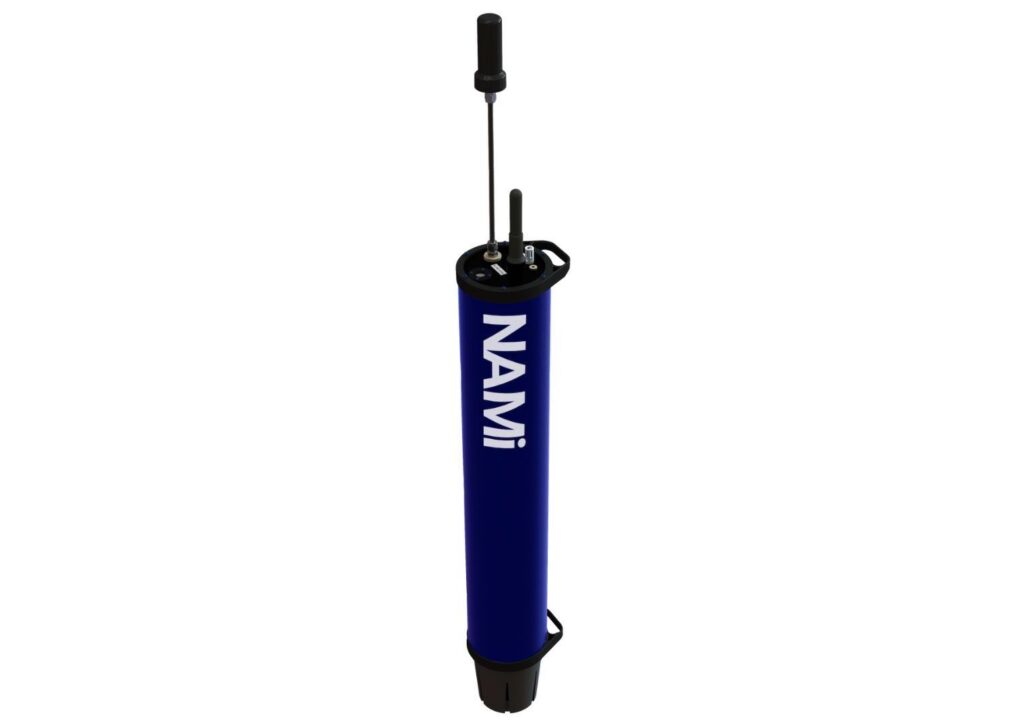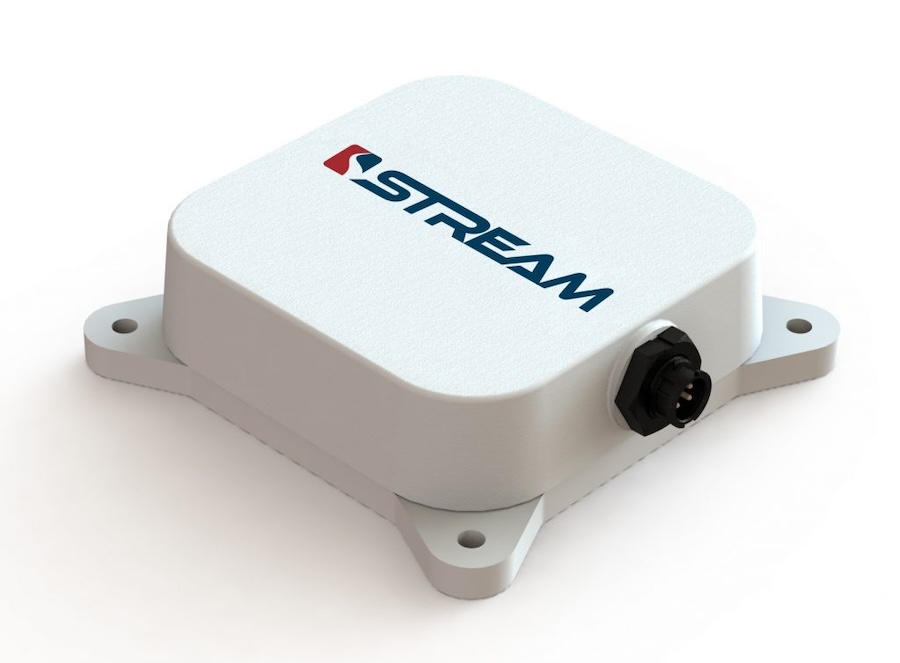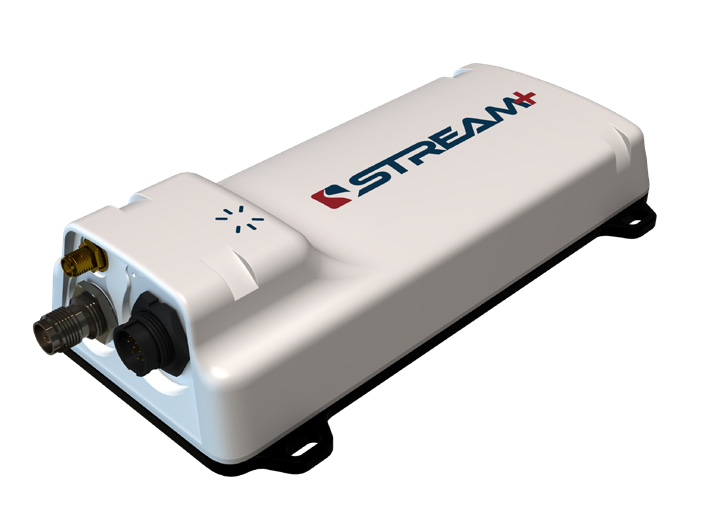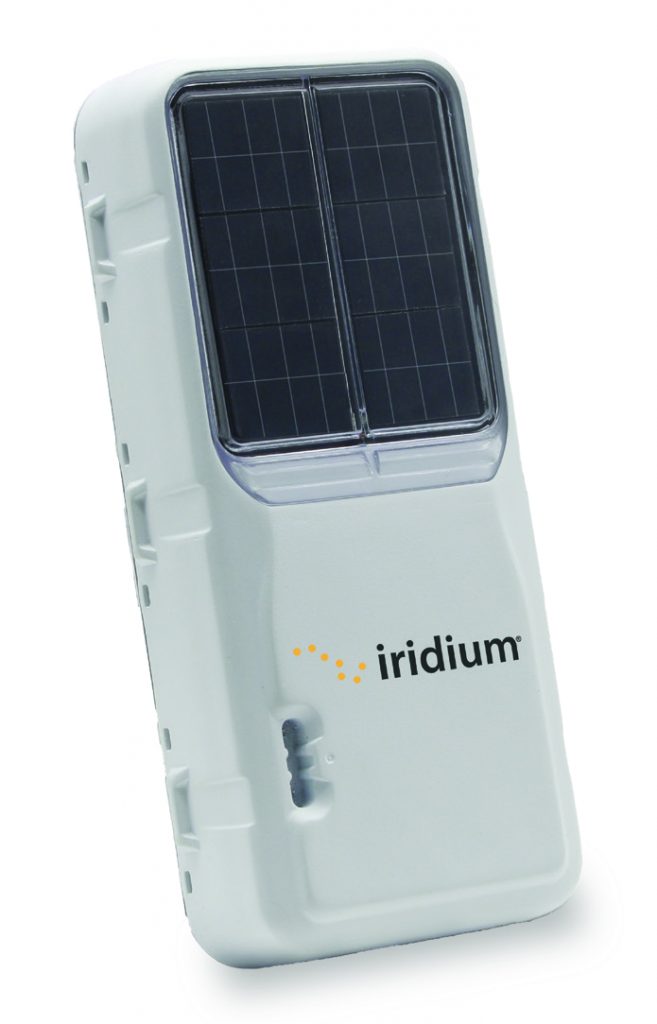



MetOcean Telematics outlines how Iridium satellite communications support reliable connectivity for environmental monitoring systems operating in remote marine environments. Read more >>
As offshore infrastructure expands and ocean weather patterns become increasingly volatile, the ability to maintain continuous access to real-time maritime data has become an important requirement for offshore operators, researchers, forecasters, and environmental monitoring organizations.
Monitoring systems deployed in coastal and open-ocean environments gather information related to weather conditions, wave activity, ocean currents, and other ocean parameters. The effectiveness of these systems depends on the reliable collection, transmission, and analysis of data from remote environments.
In offshore regions beyond the reach of LTE and shore-based communication networks, connectivity is often unavailable. Without reliable communications, organizations may need to rely on onboard data storage and manual retrieval methods, limiting access to real-time operational visibility.
Global Satellite Connectivity for Remote Marine Operations
MetOcean Telematics’ Iridium-enabled solutions provide global satellite coverage for remote ocean monitoring applications. The systems can operate either as a primary communications link or as a backup to terrestrial networks, supporting continuous transmission of mission-critical data when continuous access to information is important.
For environmental monitoring applications, Iridium satellite connectivity offers several operational advantages, particularly during severe weather events when reliable data is essential. Operating through a Low Earth Orbit (LEO) satellite constellation, the network delivers pole-to-pole maritime coverage while supporting low-latency communications. The use of L-band frequencies also provides greater resilience to adverse weather conditions compared to higher-frequency satellite systems.
Supporting Monitoring Beyond Cellular Coverage
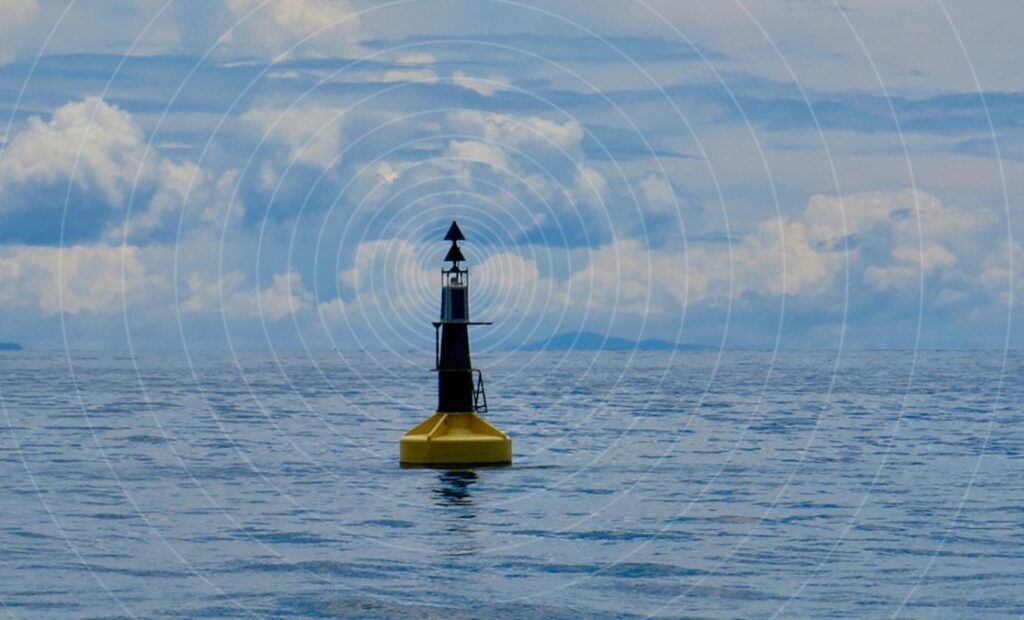
When integrated with an Iridium IoT device, monitoring buoys can transmit uninterrupted maritime data from remote offshore environments. This connectivity provides researchers and response teams with valuable insight into ocean conditions during severe weather events and changing marine environments.
Satellite-enabled monitoring buoys have long supported the collection and transmission of ocean weather, wave, and drift data from remote marine locations. The resulting information is used by offshore operators, researchers, forecasters, and environmental monitoring organizations to support safer and more informed marine operations.
By integrating satellite IoT capabilities into environmental monitoring systems, organizations can improve operational awareness, support safer decision-making, and contribute to a broader understanding of the world’s oceans.