


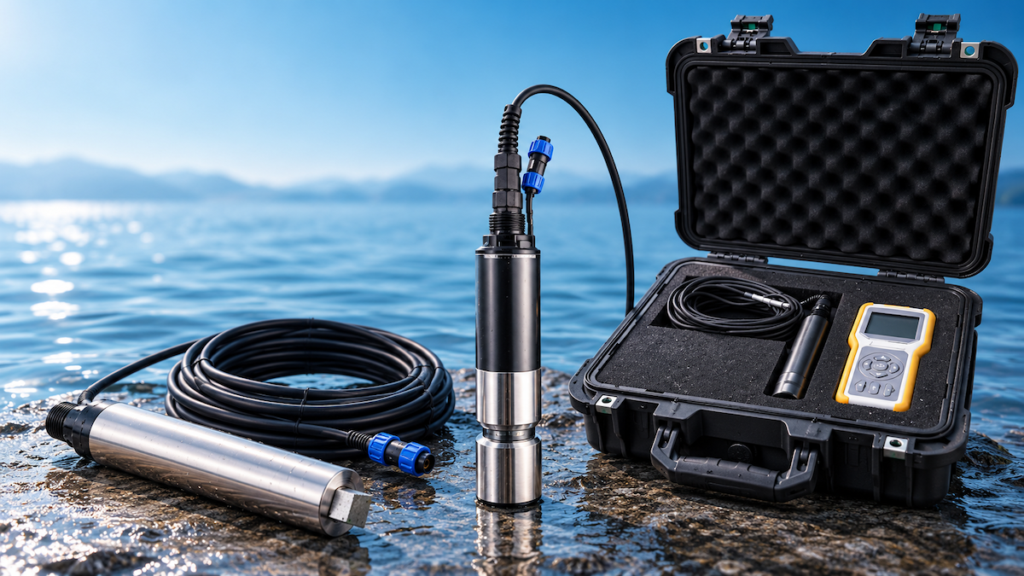
Changes in water quality can occur rapidly, creating a need for reliable measurements across environmental monitoring, water treatment and industrial applications. AGISTAR‘s range of intelligent water quality sensors addresses these requirements.
AGISTAR approaches this through digital measurement technologies that can be integrated into individual monitoring installations, multiparameter stations and connected monitoring networks.
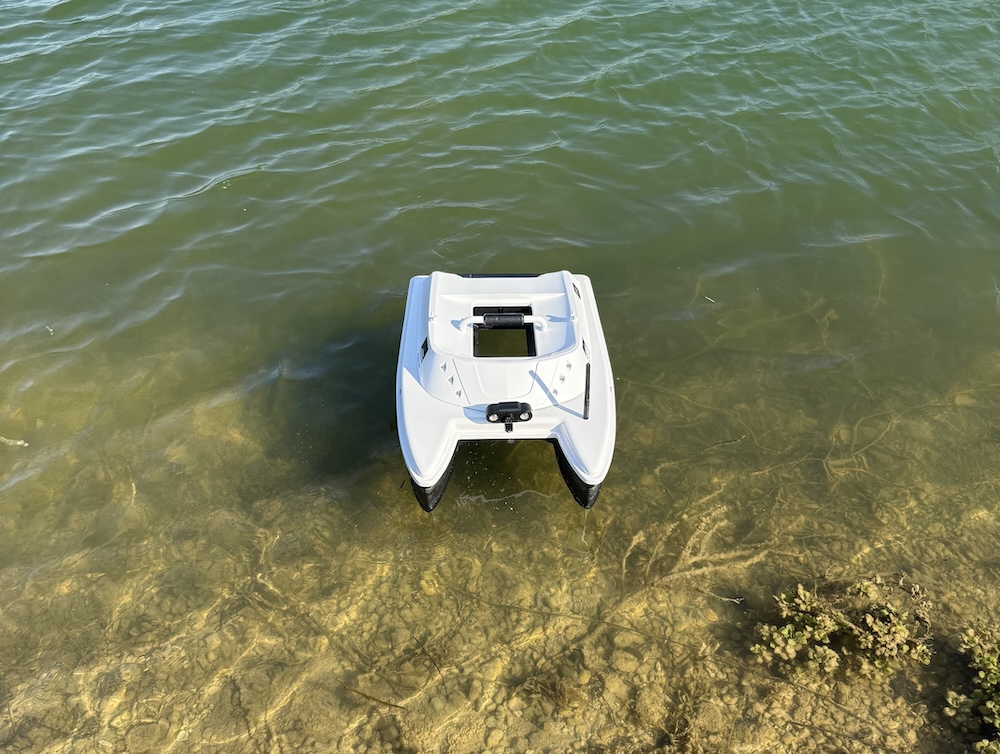
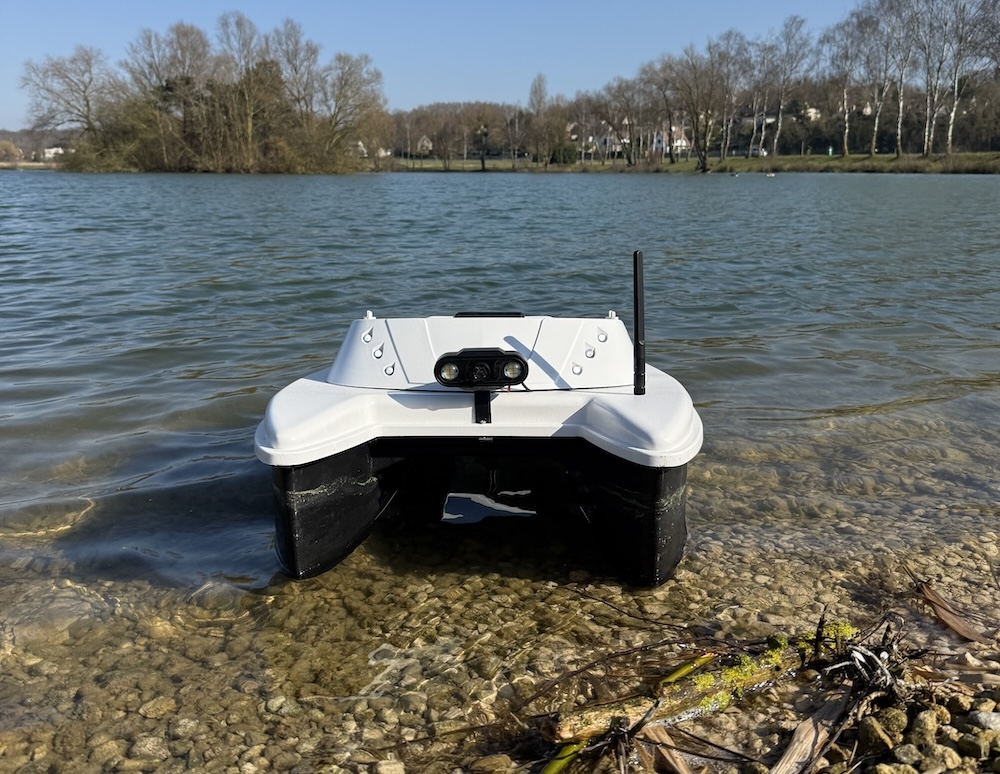
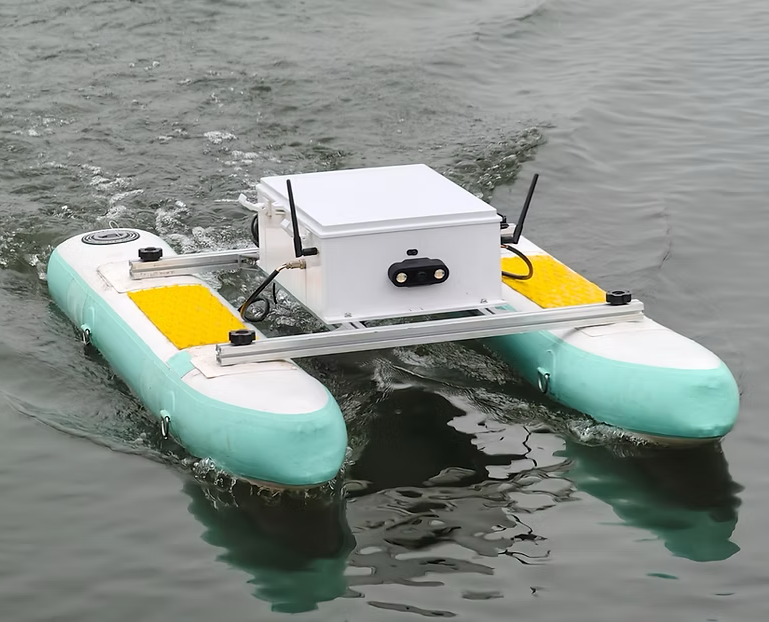
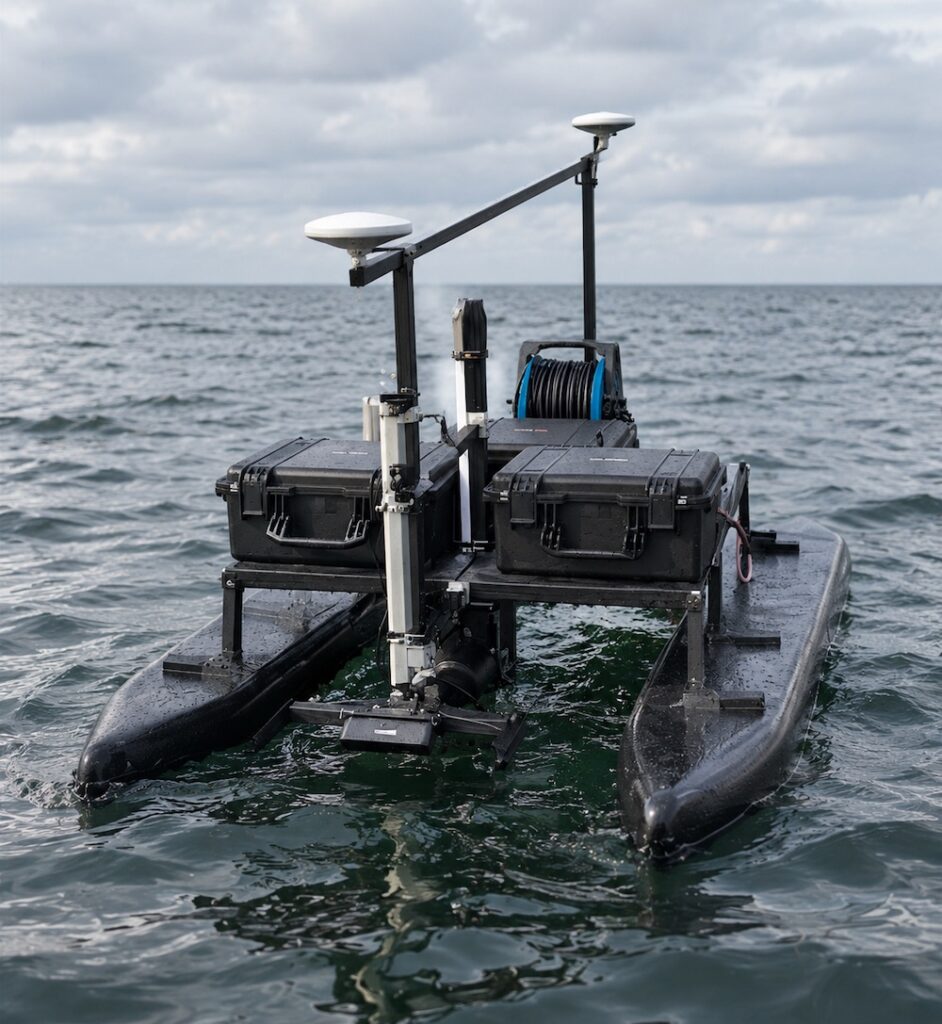
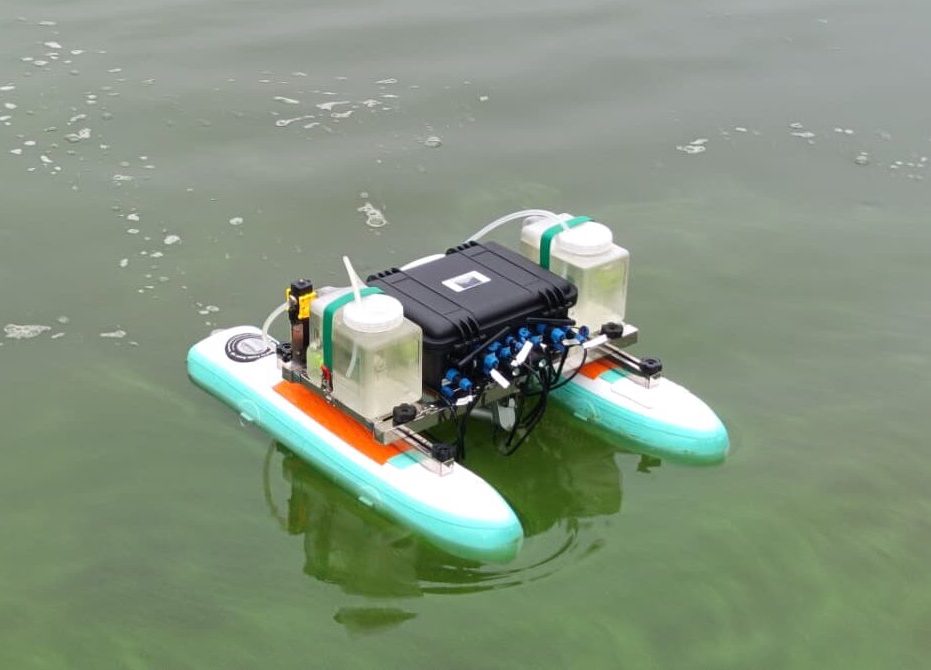
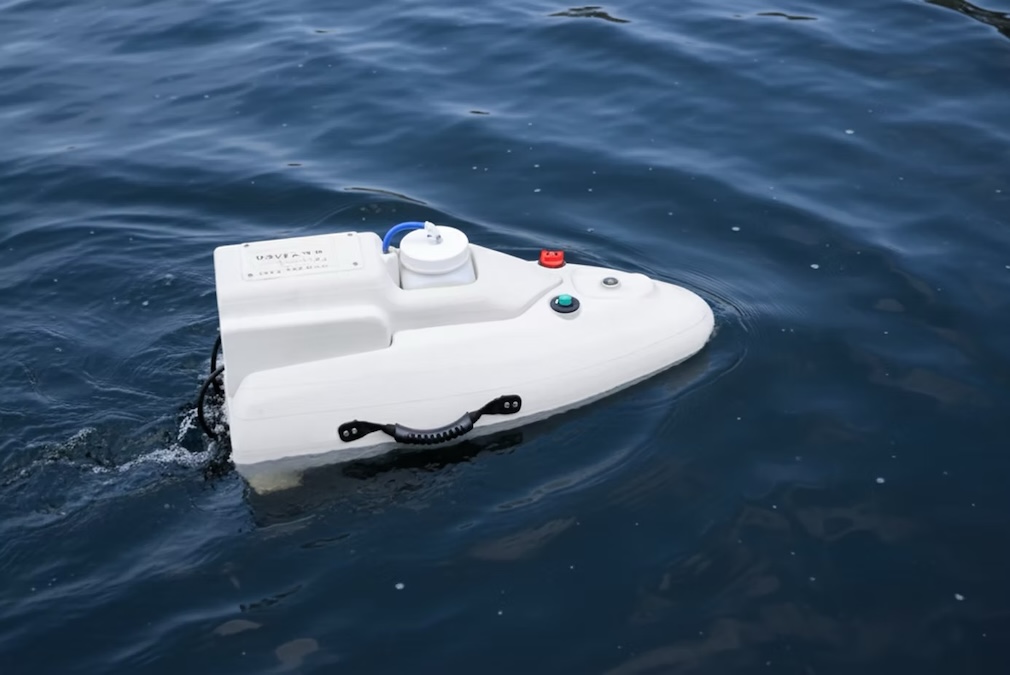
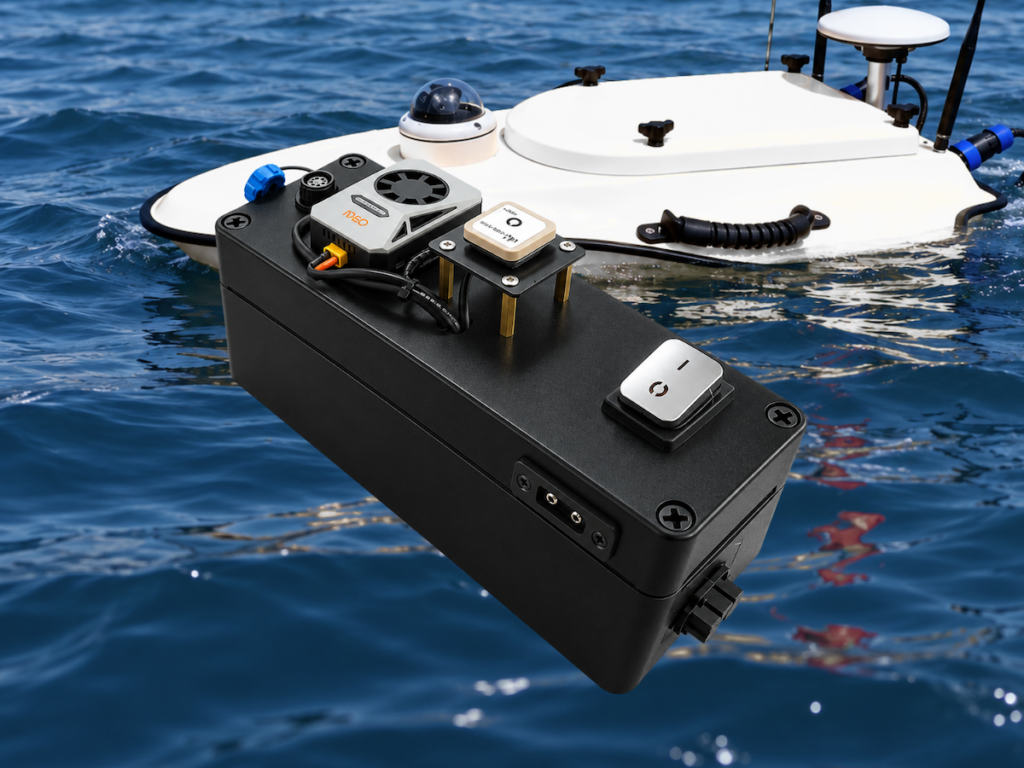
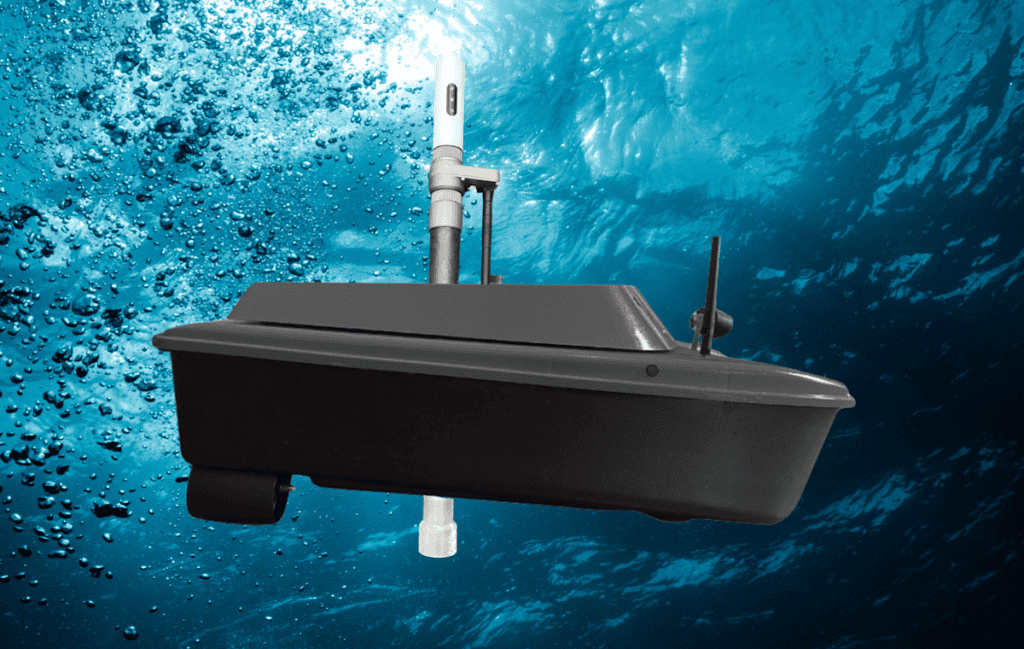
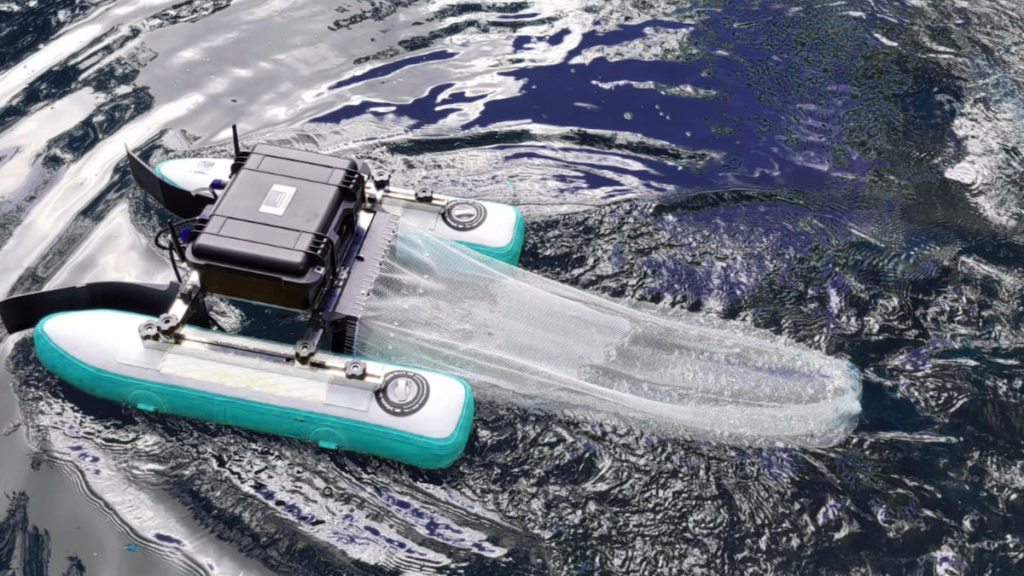
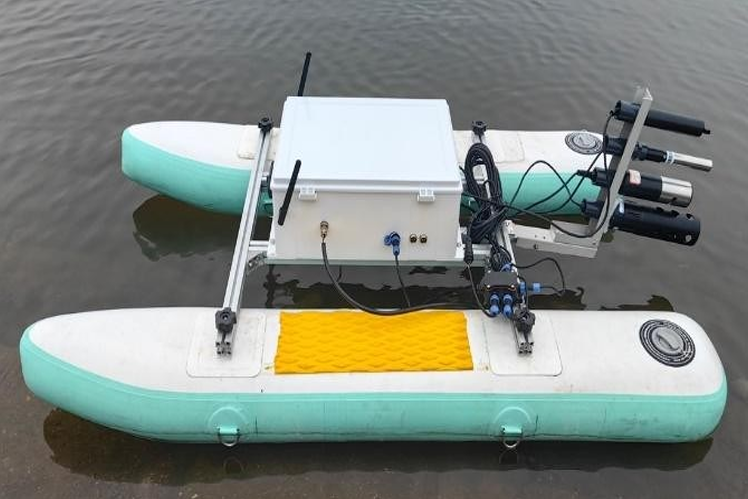
The company’s 2026/2027 catalogue details sensors, online analyzers, monitoring stations and autonomous platforms for applications involving rivers, lakes, groundwater, wastewater, drinking water, aquaculture and industrial processes.
Multiparameter Monitoring Across Different Water Environments
Water quality assessment often requires several physical, chemical and biological parameters to be measured together. The selection of appropriate sensors depends on the characteristics of the water being monitored and the objectives of the application.
AGISTAR’s sensor portfolio covers dissolved oxygen, turbidity, conductivity, salinity, total dissolved solids (TDS), pH, oxidation-reduction potential (ORP), ammoniacal nitrogen, nitrate, chemical oxygen demand (COD), total organic carbon (TOC), suspended solids, residual chlorine, chlorophyll, cyanobacteria and chromaticity.
These measurement technologies can be combined to create application-specific monitoring configurations, ranging from individual parameter measurements to integrated systems collecting multiple types of water quality data.
Much of the range incorporates digital communication, automatic temperature compensation and cleaning mechanisms to support continuous online operation.
Optical Sensors for Dissolved Oxygen and Turbidity
Dissolved oxygen is a key measurement in aquatic environmental monitoring and water treatment. AGISTAR’s dissolved oxygen sensor uses fluorescence quenching technology to measure oxygen concentration and temperature.
The sensor provides a measurement range of 0–20 mg/L or 0–200% saturation, with an approximate response time of 10 seconds. Automatic temperature compensation and digital signal conversion are incorporated into the measurement system.
RS485 Modbus RTU communication supports integration with online monitoring equipment, while the catalogue specifies an IP98 protection rating for immersion applications.
Turbidity measurement provides information about suspended particles and changes in water clarity. AGISTAR uses 90° infrared scattering technology, based on ISO 7027 principles, to measure turbidity across a range of 0.1–1000 NTU.
The sensor combines automatic temperature compensation with an automatic brush-cleaning mechanism and RS485 Modbus communication. Its IP68 protection rating permits immersion to a maximum depth of 10 meters, according to the catalogue.
Identified applications include wastewater, surface water, groundwater, drinking water and industrial processes.
For applications requiring direct suspended solids measurements, AGISTAR also provides an infrared backscattering sensor with a measurement range of 0.5–4000 mg/L.
This instrument incorporates automatic compensation and brush cleaning and is specified for immersion depths of up to 30 meters. The catalogue identifies wastewater treatment, sludge concentration monitoring and sediment-rich natural waters as relevant applications.
Digital Measurement of Conductivity, pH and ORP
Electrochemical measurements provide additional information about water characteristics and are used in environmental monitoring and treatment processes.
AGISTAR’s conductivity sensor employs four-electrode technology for stable measurement across its specified conductivity range. In addition to conductivity, the instrument measures salinity, TDS and temperature.
The stated conductivity range is 1–2000 μS/cm. Automatic or manual temperature compensation is available, with RS485 Modbus RTU communication supporting connection to digital monitoring systems.
For acidity and alkalinity monitoring, AGISTAR’s online pH sensor covers the full 0–14 pH range, with a stated accuracy of ±0.02 pH.
The sensor incorporates automatic temperature compensation and digital signal conversion. Its RS485 output allows integration into a network without requiring a dedicated controller.
Oxidation-reduction potential is measured using an ORP sensor with a range of ±2000 mV. Temperature measurement is also included.
The pH and ORP instruments use industrial inline electrodes, automatic temperature compensation and RS485 Modbus communication, supporting their incorporation into online measurement installations.
Real-Time Measurement of Nitrogen Compounds
Monitoring nitrogen compounds is particularly relevant to wastewater treatment and environmental water quality assessment.
AGISTAR’s ammoniacal nitrogen sensor uses ion-selective electrode (ISE) technology to provide online, real-time measurements without reagents.
The instrument is available with measurement ranges of 0–100 mg/L or 0–1000 mg/L, depending on the selected configuration.
Automatic compensation for pH and temperature is incorporated, alongside manual compensation for potassium ions. The sensor also includes automatic brush cleaning and RS485 Modbus communication.
For nitrate monitoring, AGISTAR provides a separate online ion-selective sensor with a measurement range of 0.1–100 mg/L.
The catalogue identifies wastewater treatment plants, wastewater discharge points, surface water, groundwater, drinking-water treatment and industrial processes as application areas for nitrate measurement.
These sensors allow nitrogen measurements to be included alongside other physical and chemical parameters in a wider monitoring installation.
UV254 Technology for Organic Pollution Indicators
Organic pollution assessment can require several related measurements, including COD, TOC and turbidity.
AGISTAR’s UV254 sensor uses a dual-wavelength optical measurement principle, combining a 254 nm measurement wavelength with a 365 nm reference wavelength.
According to the catalogue, this arrangement helps compensate for optical-path attenuation and turbidity effects.
The instrument provides measurements of CODCr, TOC, turbidity, total suspended solids (TSS) and temperature. The catalogue also indicates that conversion to biochemical oxygen demand (BOD) and CODMn is possible.
Specified measurement ranges include:
- CODCr: 0–500 mg/L
- TOC: 0–250 mg/L
- Turbidity: 0–500 NTU
The sensor has an approximate response time of one second and incorporates automatic brush cleaning, automatic temperature compensation and turbidity compensation.
By measuring several parameters through a single optical instrument, the UV254 sensor provides an additional option for incorporating organic pollution indicators into online monitoring systems.
Fluorescence-Based Monitoring of Biological Indicators
Biological parameters provide another component of water quality assessment, particularly when monitoring aquatic environments for changes in biological conditions.
AGISTAR’s cyanobacteria sensor uses fluorescence measurement to detect pigments including phycocyanin and phycoerythrin.
The resulting fluorescence signal is converted into a value representing cyanobacterial density.
The sensor has an adjustable measurement range extending to 200,000 cells/mL, with a stated detection limit of 300 cells/mL.
A separate chlorophyll sensor also uses fluorescence technology, measuring chlorophyll concentration across a range of 0–400 μg/L or 0–100 relative fluorescence units (RFU).
Automatic brush cleaning and RS485 Modbus communication are incorporated into the chlorophyll sensor.
Together, these optical measurements allow biological indicators to be monitored alongside conventional physical and chemical water quality parameters.
Integrating Digital Sensors into Monitoring Networks
The use of individual sensors is only one aspect of continuous water quality monitoring. Communication, data transmission and system-level control also determine how measurements can be collected and managed.
Across much of AGISTAR’s sensor range, RS485 Modbus RTU communication provides a common means of connecting digital probes to controllers, monitoring systems and automation platforms.
Several sensors are specified with IP68 or higher protection ratings for immersion applications. Depending on the instrument, automatic temperature compensation and brush-cleaning mechanisms are also incorporated to support online operation.
For installations requiring multiple measurements, AGISTAR’s BX-TERM 4G multiparameter controller provides four sensor ports for connecting digital water quality probes.
The controller supports RS485 Modbus connectivity and 4G communication for remote data transmission. It is also designed to support remote control and fault diagnosis.
This configuration allows several compatible probes to operate as part of a connected monitoring system rather than as separate measurement devices.
Automated Monitoring with the AUMS-Station
For applications requiring a more integrated installation, AGISTAR’s AUMS-Station combines water handling, online analysis and system control within a compact monitoring enclosure.
The station incorporates water collection and distribution, reagent-free online analysis using sensors, and an industrial computer-based control system.
According to the catalogue, the complete enclosure occupies less than one square meter.
The AUMS-Station provides an alternative to configurations assembled solely from individual probes and controllers, bringing multiple monitoring functions together within a single installation.
Alongside the BX-TERM 4G controller and individual digital sensors, it forms part of AGISTAR’s broader range of equipment for configuring water quality monitoring systems.
Configuring Water Quality Monitoring for Specific Applications
Water quality monitoring requirements vary considerably between natural water bodies, treatment facilities and industrial processes. The parameters required for groundwater assessment may differ from those used for wastewater treatment, aquaculture or drinking-water monitoring.
AGISTAR’s 2026/2027 sensor range covers physical measurements such as dissolved oxygen, turbidity and suspended solids; chemical parameters including conductivity, pH, ORP, nitrogen compounds and organic pollution indicators; and biological measurements involving chlorophyll and cyanobacteria.
Additional parameters, including residual chlorine and chromaticity, extend the available measurement options.
The combination of digital sensors, automated cleaning, temperature compensation, multiparameter controllers and integrated monitoring stations supports different system configurations according to the measurement requirements of each application.
These configurations can range from a single immersed sensor to a multiparameter station or autonomous monitoring platform, providing options for collecting and transmitting water quality data across environmental, municipal and industrial monitoring applications.