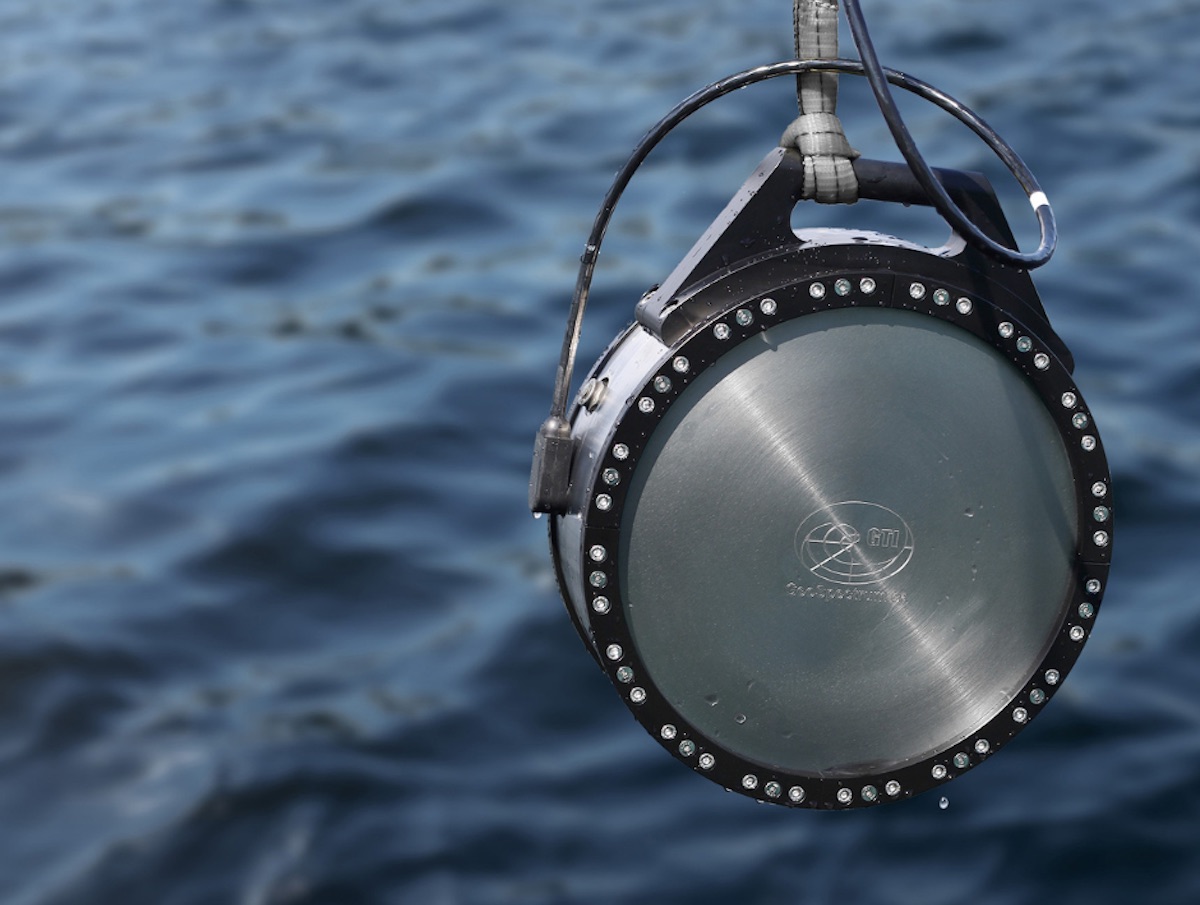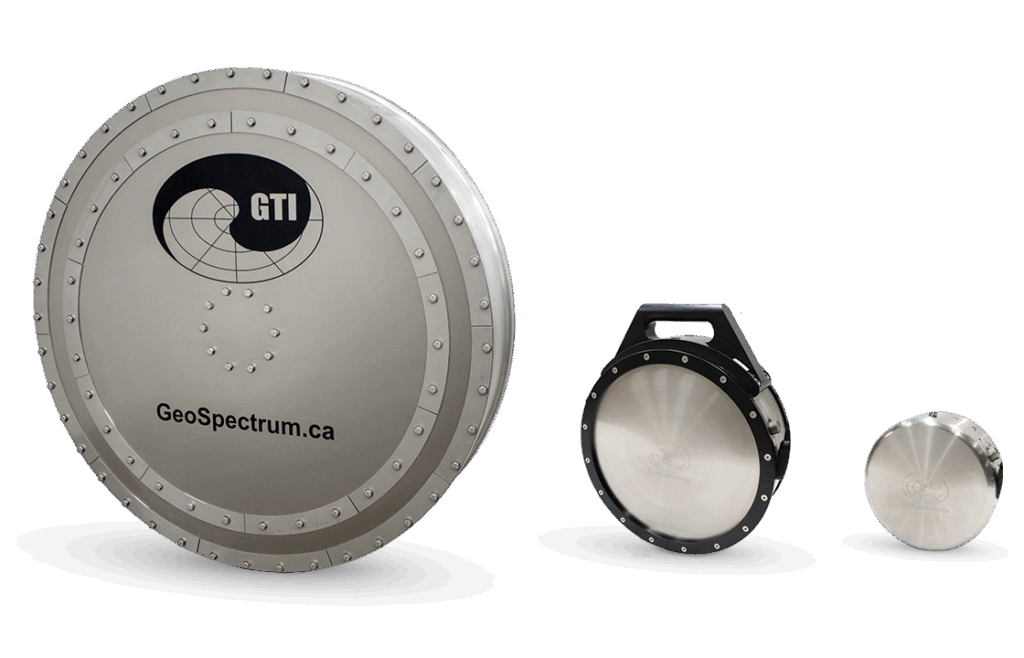


GeoSpectrum Technologies highlights the role of Digital Thin Line Arrays (DTLAs) in persistent underwater acoustic monitoring for security, scientific, environmental, and offshore applications.
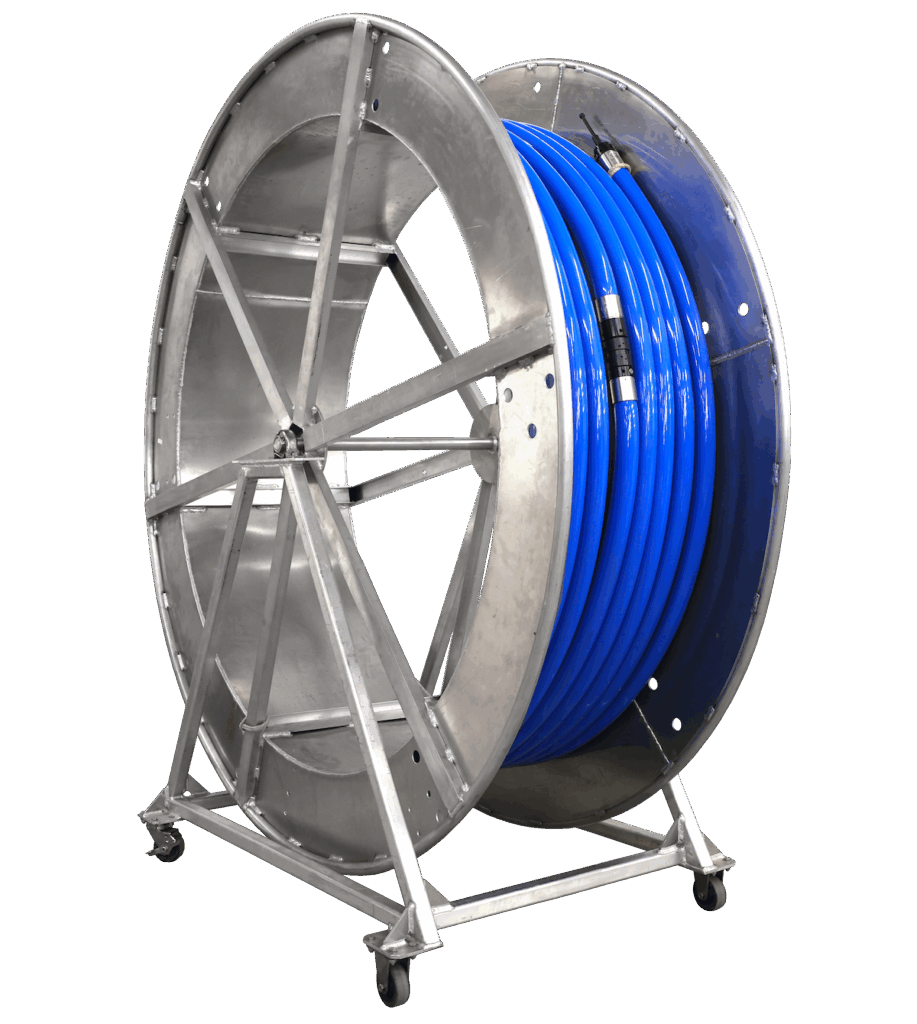
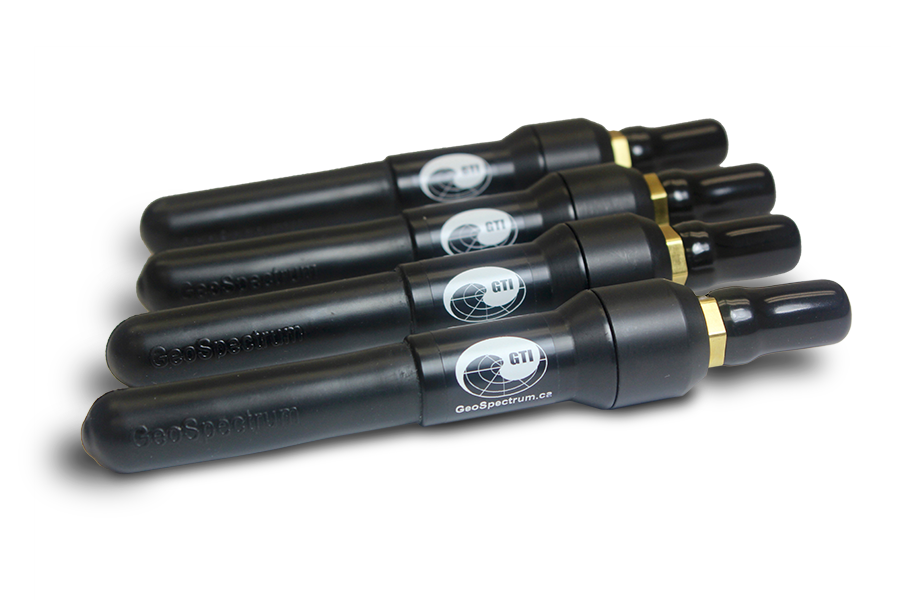
The company’s Hydrus system uses a lightweight, scalable architecture in which hydrophones convert acoustic signals to digital data within the cable, helping preserve signal clarity before transmission.

M508 Hydrus Towed Array
Compared with traditional towed arrays, which can require larger deployment platforms and may be constrained by flow noise, physical size, and operational complexity, Hydrus combines low-noise sensing with a lightweight, scalable design that can be integrated onto a wider range of platforms, including Uncrewed Surface Vessels (USVs) and other autonomous systems. This makes the system well suited to missions where payload capacity, power efficiency, and persistent acoustic monitoring are important considerations.
Digital Processing & Maritime Sensing
Digitizing acoustic signals close to where they are captured helps preserve detail for analysis. Rather than transmitting analog signals over long distances before conversion, digital systems perform that conversion earlier, reducing the potential loss of signal quality. They also offer flexibility because hardware and software can be upgraded independently. Hydrus uses a modular architecture that allows sensor modules to be added, increasing the length and sensitivity of the array while improving low-frequency performance. This scalable design enables new capabilities to be added without replacing the entire system, while also extending operational life.
Digital arrays can also form part of broader maritime sensing networks. Fixed seabed installations, ship-towed arrays, and Autonomous Underwater Vehicles (AUVs) can contribute to a common operating picture across strategic waterways, coastlines, and critical subsea infrastructure. Automated signal-processing tools can continuously analyze acoustic data, detect anomalous activity, and direct operators toward the most relevant information, supporting persistent surveillance in remote areas where continuous human oversight may be difficult or costly.
System performance must also adapt to environmental factors such as temperature, salinity, weather, and seafloor conditions, which affect how sound travels through water. Digital beamforming systems can respond to these changing conditions in real time, helping maintain reliable operation across a range of environments.

Marine Science & Offshore Monitoring
The same technology also supports marine science and environmental monitoring, where continuous, autonomous acoustic collection can help researchers examine seasonal changes, long-term acoustic trends, and underwater soundscapes that short-term surveys alone may not capture.
Passive acoustic monitoring can also be used to observe whales, dolphins, and certain fish species that rely on sound for communication, navigation, and foraging, without disturbing the animals. Alongside this, digital acoustic arrays can help quantify underwater noise and support assessment of the ecological impacts of human activities, providing useful information for conservation initiatives and regulatory assessment.
Offshore operators can apply continuous acoustic monitoring to activities including site surveys, pipeline inspection, leak detection, and structural health monitoring across oil and gas and renewable energy projects. Changes in acoustic signatures can provide indications of developing faults before they become visually apparent, while an ongoing acoustic record can contribute to both operational safety and environmental oversight.
Visit GeoSpectrum Technologies’ website for more information about Hydrus and the company’s underwater acoustic technologies.