
The Global Sourcing Hub for Marine, Subsea & Offshore Technology
Discover cutting-edge solutions from leading global suppliers
A large uncrewed underwater vehicle launched less than a year after contract award. An amphibious robot deployed offshore by an unmanned surface vessel before making its own way to the beach. A fleet of compact ROVs equipped to do considerably more than inspect. October’s most-read stories brought together three very different examples of how underwater platforms are being developed, adapted, and put to work.
The month’s other standout stories examined what happens around those platforms: a harbour protection network combining acoustic and visual surveillance during simulated incursions, and shallow-water gliders designed to spend longer collecting data in the Baltic Sea between recovery trips. Across all five, the emphasis was on practical capability, whether that meant successfully completing an initial trial, combining different systems in one operation, or reducing the logistical demands of working underwater.
1. Saab & Swedish Armed Forces Advance Naval Autonomy With Rapid Underwater Vehicle Launch
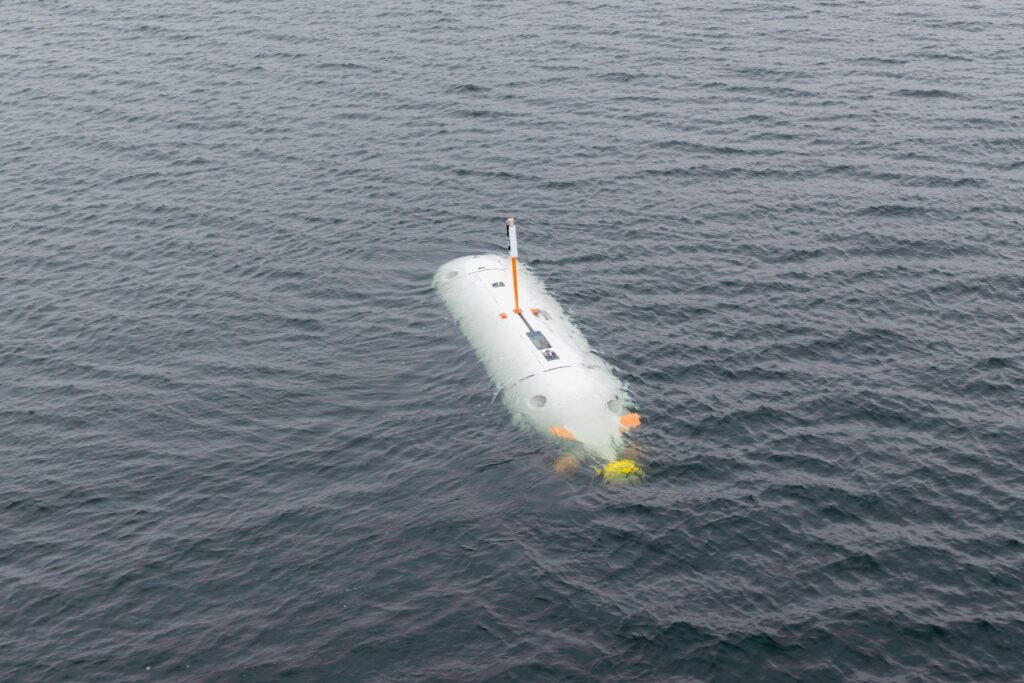
Less than one year after the contract award, Saab, the Swedish Defence Materiel Administration (FMV), and the Swedish Armed Forces have successfully developed, built, and launched a Large Uncrewed Underwater Vehicle (LUUV) demonstrator. Progressing from an initial concept to a fully functional vehicle on an accelerated timeline, the demonstrator recently concluded its first phase following successful sea trials.
2. Greensea IQ Bayonet 150 Completes Offshore Deployment from Modified USV
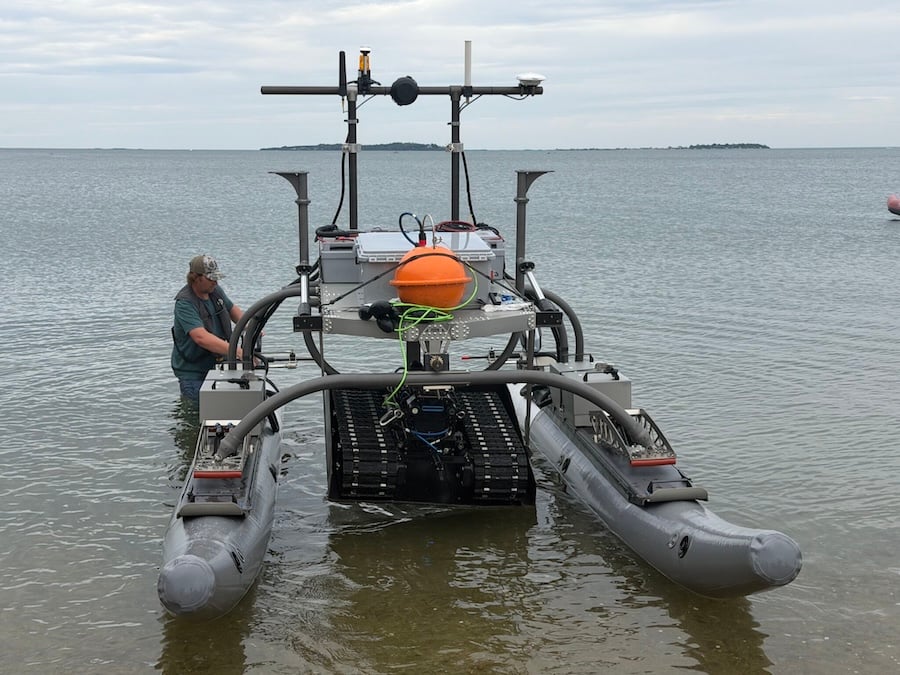
Greensea IQ’s Bayonet 150 Autonomous Underwater Ground Vehicle (AUGV) has successfully completed an offshore deployment and transit to shore following a proof of concept conducted by Ocean Power Technologies (OPT) using a modified WAM-V 16 Unmanned Surface Vessel (USV). Requested by Greensea IQ, the demonstration focused on the transport, deployment, and safe separation of the two unmanned vehicles, examining the deployment of the Bayonet 150 from an unmanned surface platform ahead of its subsequent transit to the beach.
3. Deep Trekker: Subsea Inspection and Maintenance Expansion
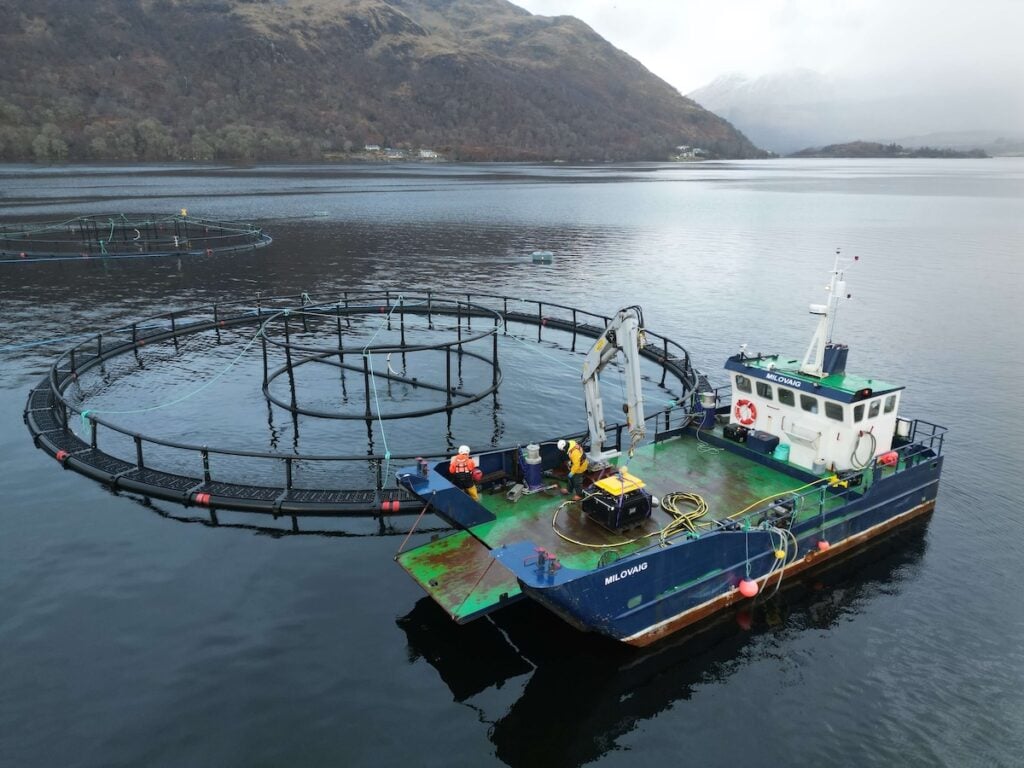
The integration of 15 Deep Trekker PIVOT remotely operated vehicles (ROVs) into the fleet of UK-based Underwater Contracting Limited (UCO) is expanding the use of compact subsea systems across aquaculture, offshore energy, and marine inspection operations. Combining observation-class PIVOT ROVs with purpose-developed tooling, UCO is extending the range of tasks that can be carried out remotely, from routine inspections and seabed surveys to net repairs, equipment retrieval, and other subsea maintenance activities.
4. Integrated Harbour Protection Network Supports Maritime Surveillance
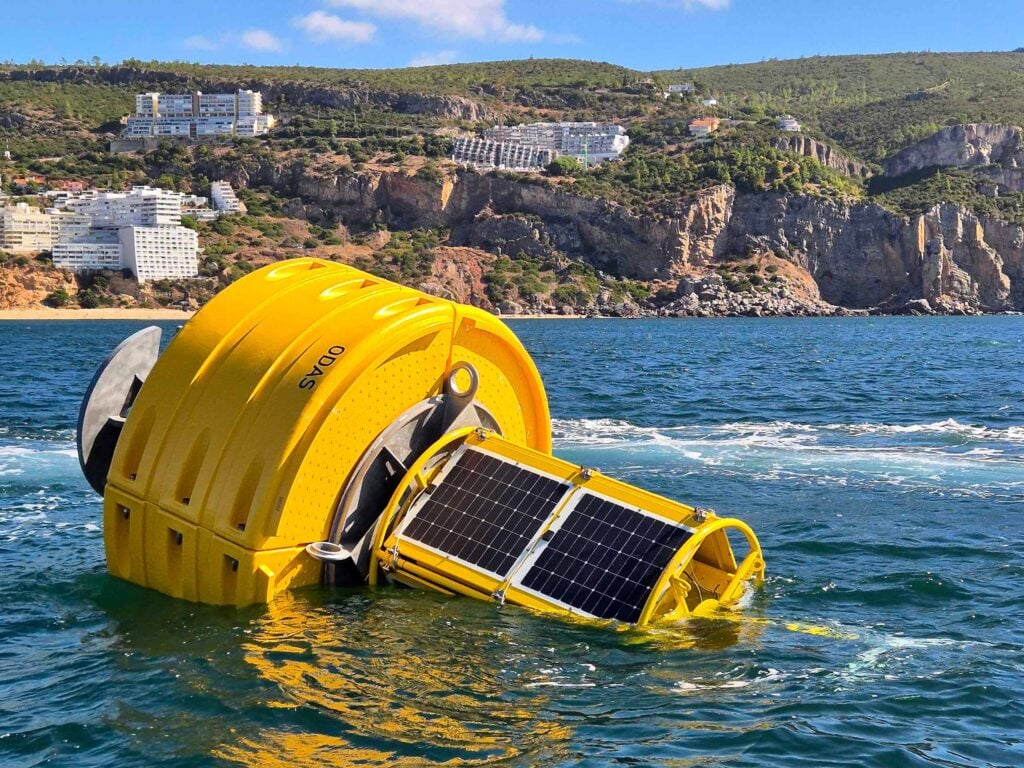
EvoLogics tested its new harbour protection network during NATO Exercise REPMUS 2026, deploying underwater acoustic sensors, seabed fibre-optic cable and surface surveillance systems at the working fishing port of Sesimbra, Portugal. The deployment lasted nearly three weeks, with hundreds of alerts generated between September 7 and 17. The network reported into the exercise’s NATO command system and was tested during two night raids in which a red team was tasked with entering the harbour from at least five nautical miles out, using combat divers, AUVs, USVs, and small, fast boats.
5. ALSEAMAR Completes Delivery of Five SEAEXPLORER 200 Shallow-Water Gliders
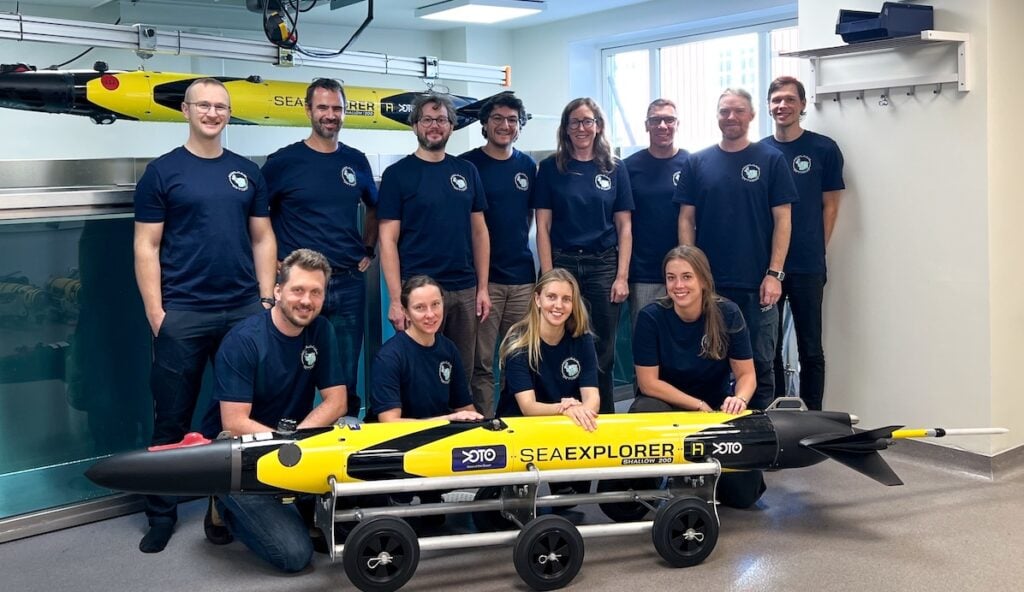
ALSEAMAR has completed delivery of Voice of the Ocean’s (VOTO) first order of five SEAEXPLORER 200 underwater gliders, following the handover of the final unit in Gothenburg on October 13, 2026. The first glider was delivered in November 2025. Developed through approximately four years of collaboration between VOTO’s operational teams and ALSEAMAR engineers, the SEAEXPLORER 200 is designed for coastal and shallow waters between 5 and 200 meters deep.