The Global Sourcing Hub for Marine, Subsea & Offshore Technology
Discover cutting-edge solutions from leading global suppliers
It’s one thing for an uncrewed platform to survive at sea. It’s another for the data it brings back to be usable by someone else entirely — a research consortium, a border agency, a coastguard. July’s most-read stories on OST were less about endurance and more about handoff: autonomy producing results other organisations could act on directly.
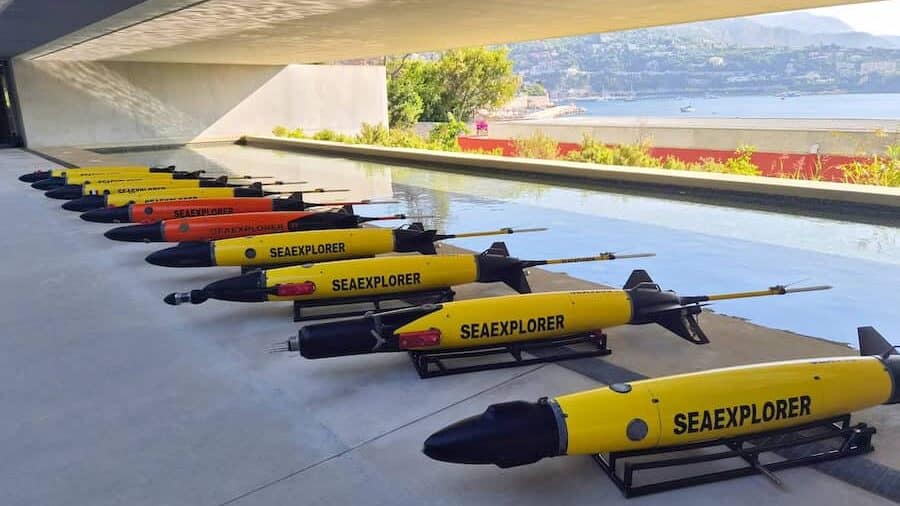
Ten autonomous underwater gliders, one synchronised flight plan, a month at sea: July’s top story was about scale. CNRS and ALSEAMAR’s SEAEXPLORER mission in the Ligurian Sea — described by the participating organisations as the largest scientific data collection mission of its kind undertaken in Europe — split its ten-glider fleet into acoustic and biogeochemical teams to study how fine-scale ocean structures shape zooplankton distribution.
The mission contributes to France 2030’s seabed knowledge objectives while supporting research linked to the Biodiversity Beyond National Jurisdiction Agreement.
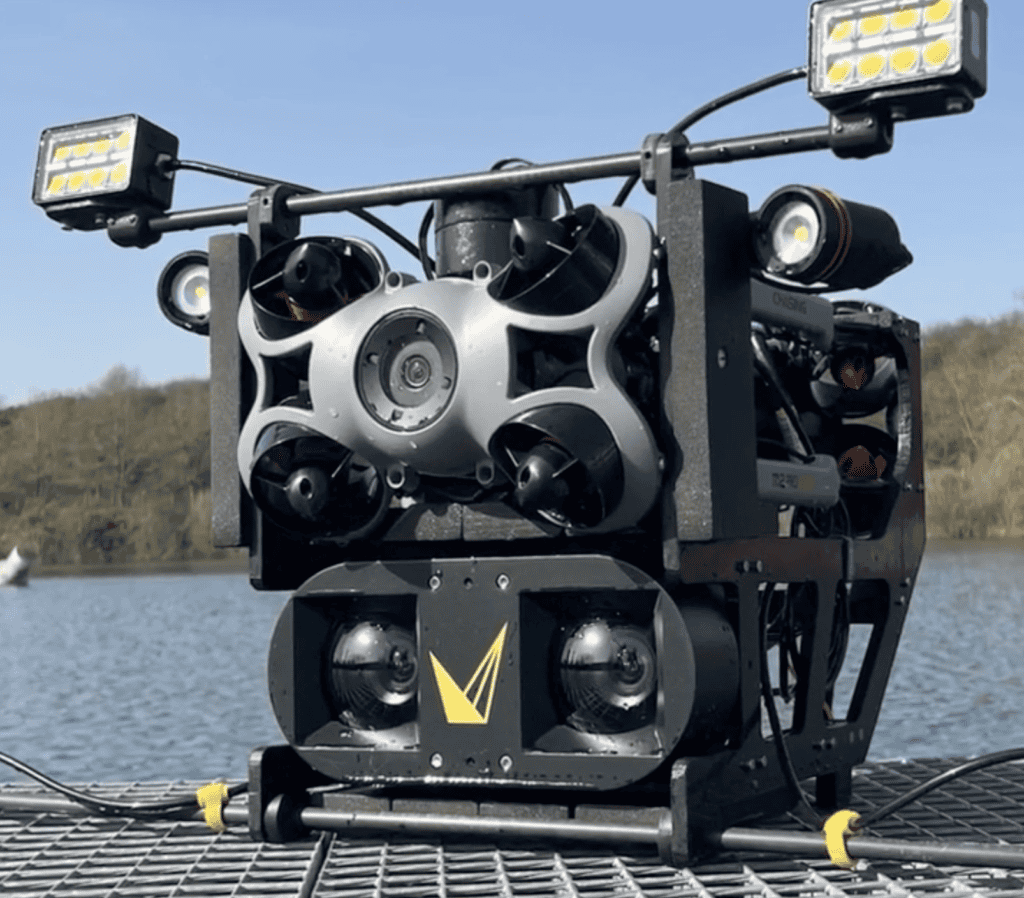
Voyis and French reseller CADDEN took a more compact approach, pairing the Discovery Stereo Inspection Series with the CHASING M2 PRO MAX ROV for an integrated underwater inspection package.
Deployed across port structures, submerged statues, and inland ponds, the system produces measurable 3D models that allow operators to monitor corrosion and structural degradation without sending divers below the surface.
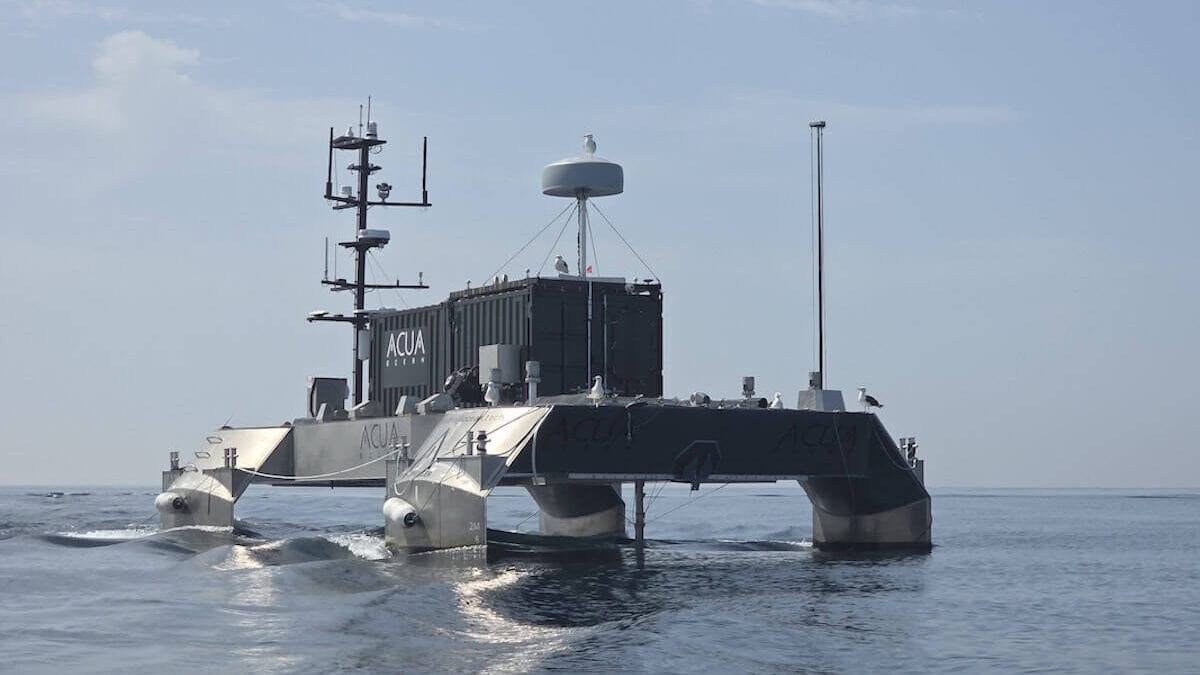
ACUA Ocean’s Mk1 PIONEER spent five days and more than 100 hours off the coast of Plymouth, running a hydrographic survey and an RF surveillance system from two different manufacturers at the same time, each controlled from its own operations centre. The trial’s standout result was geolocating a satellite personal locator beacon to within 20 metres from 22 km away — a single modular platform running two independent payloads from different manufacturers at once.
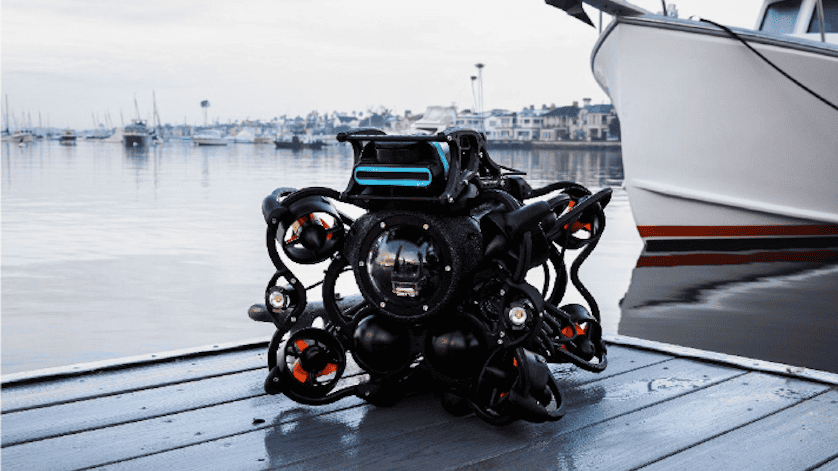
New Zealand Customs added three Oceanbotics SRV-8 ROVs to strengthen its underwater counter-smuggling capability, bringing its equipment into closer alignment with the Australian Border Force and Royal New Zealand Navy. As Customs Group Manager Maritime Paul Campbell noted, running identical ROV technology to regional partners makes cross-border operations easier to coordinate.
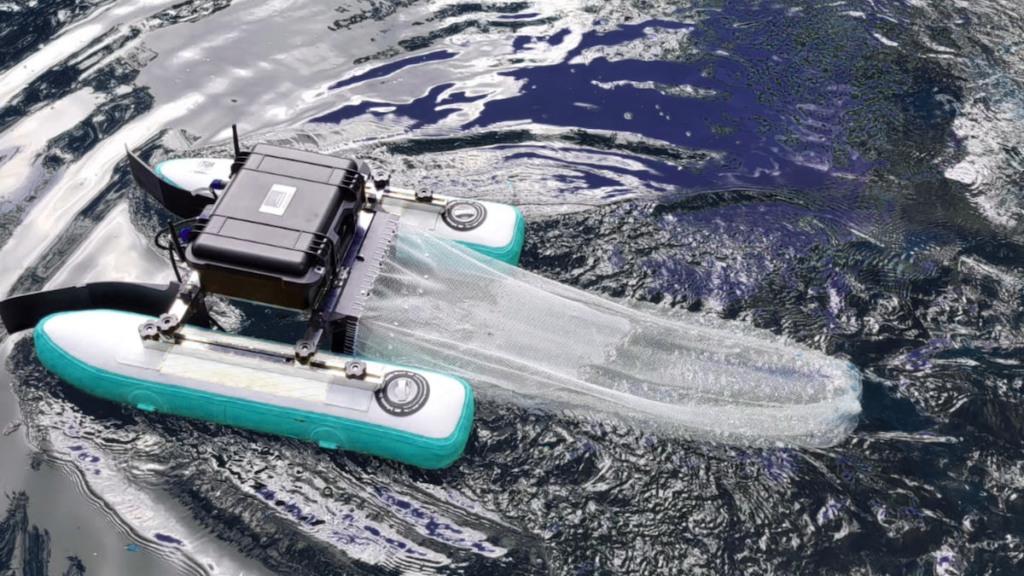
AGISTAR’s USVSTAR CLEANER brought a different kind of autonomy to July’s list: an uncrewed surface vessel built to recover floating debris from rivers, canals, ports, and coastal waters. Its modular design also allows reconfiguration for environmental monitoring, bathymetric mapping, and survey work when it isn’t collecting waste.
By month’s end, three different organisations were acting on what these systems delivered: researchers folding glider data into a Mediterranean environmental atlas, a coastguard working from a beacon’s exact coordinates, customs agencies running interoperable ROVs across three countries. Autonomy didn’t just hold up at sea in July. Someone was waiting on the other end to use what it found.