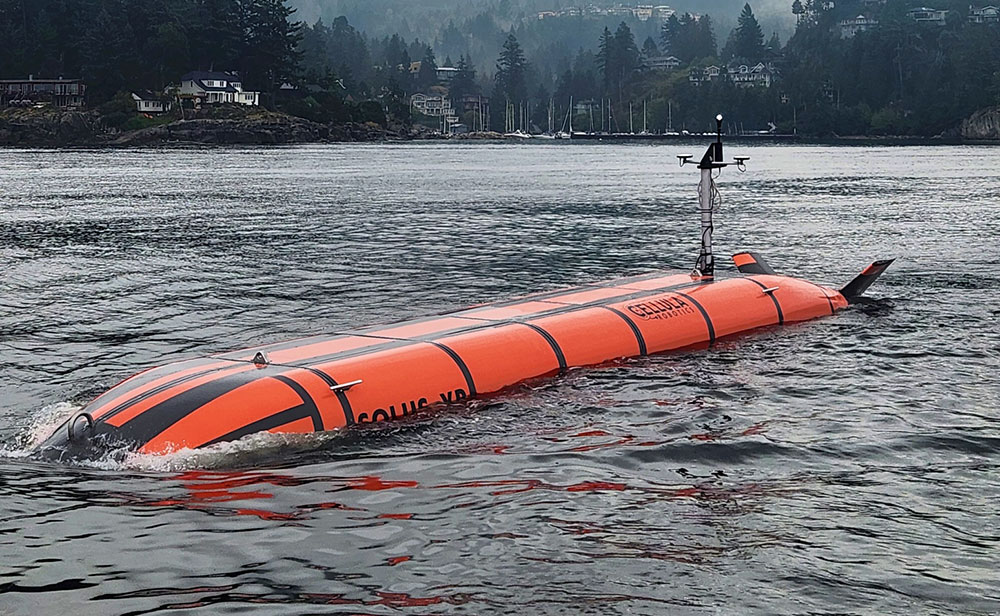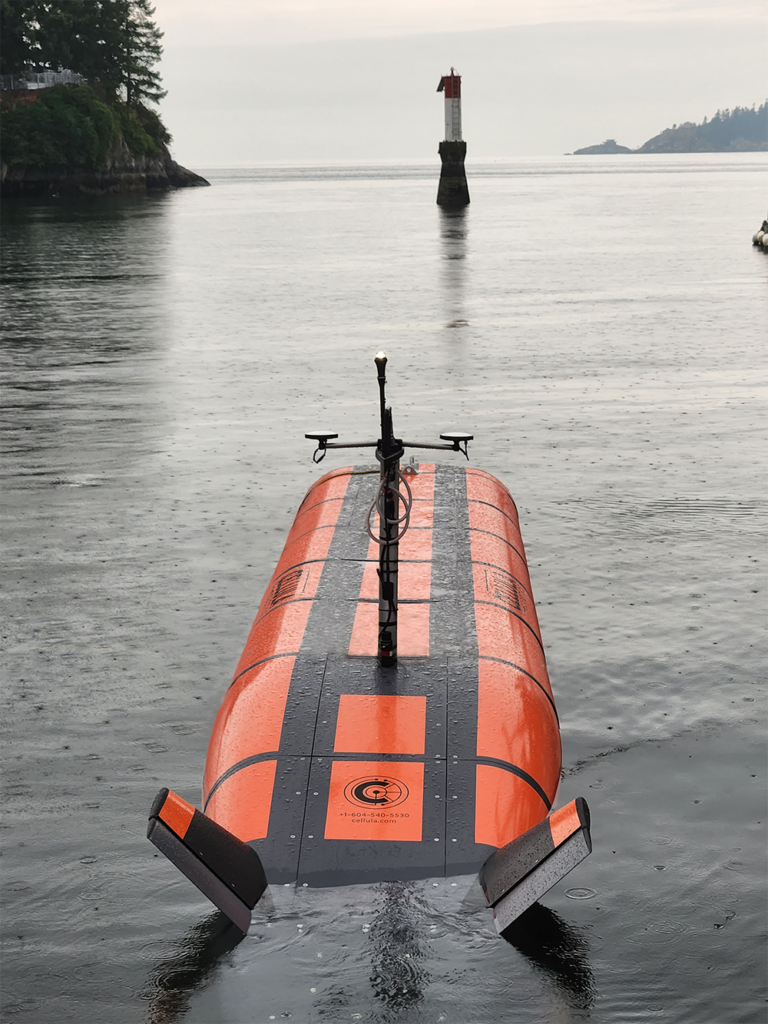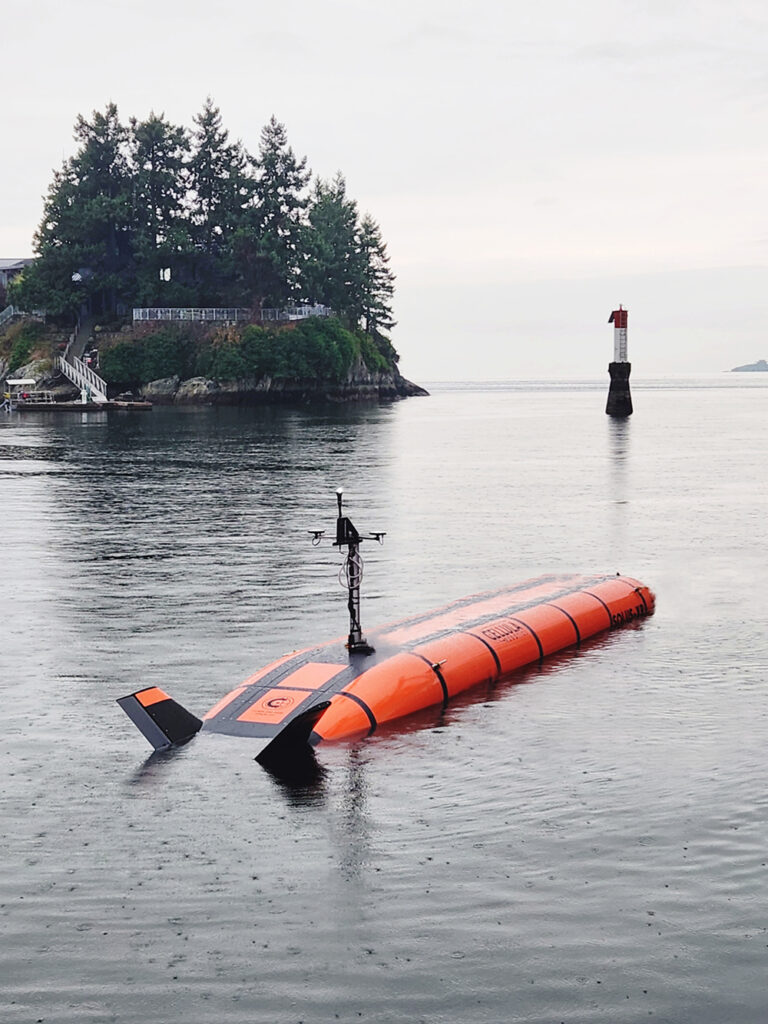


Cellula Robotics will showcase its latest developments in long-range subsea autonomy and deployment readiness at Stand C601 during Oceanology International 2026.
The exhibition, held at ExCeL London from 10–12 March, serves as a platform for the company to highlight the operational realities of endurance, repeatable workflows, and support models within the defence, offshore survey, and environmental sectors. Attendees visiting the stand will have access to technical insights regarding how long-endurance missions are executed in demanding marine environments.
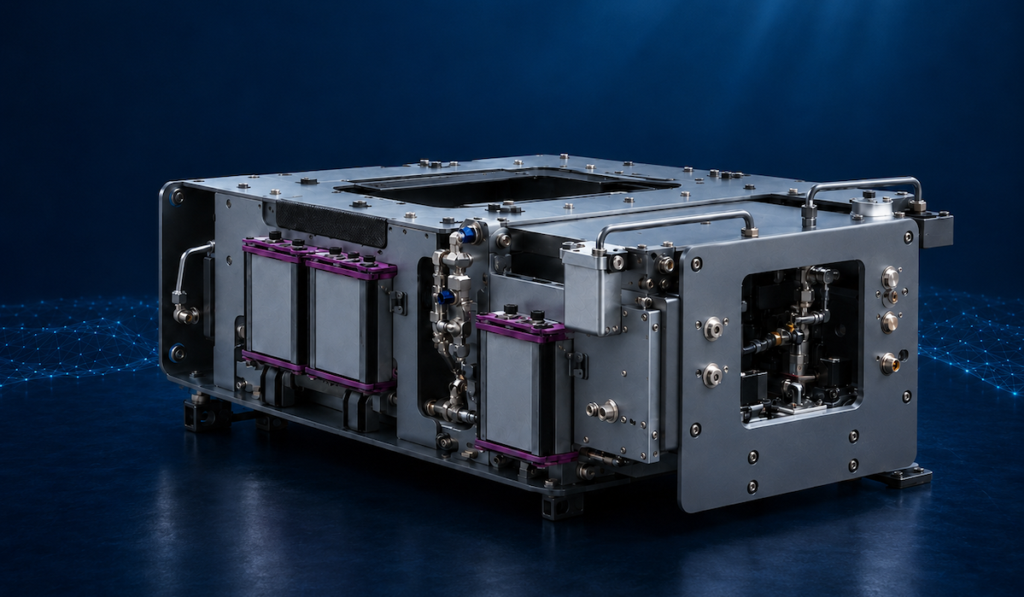
Richard Miller, Chief Commercial Officer at Cellula Robotics, commented, “Autonomy is moving quickly, but the questions we hear most often are operational. At Oi, we’ll focus on what makes long-endurance missions possible: enabling energy technologies, reliable workflow, realistic mission profile assumptions, and the support model required to operate repeatably offshore.”
In addition to the exhibition, Mills will moderate a technical conference session titled “Uncrewed Vehicles – New Vehicle Developments” on Tuesday, 10 March. This session aims to provide a programme delivery perspective on the adoption and operationalization of uncrewed subsea systems.
Throughout the three-day event, the company will host a series of booth talks centered on common industry challenges. These sessions include “Endurance Without Compromise,” which examines the planning and risk management required to extend mission durations without sacrificing reliability. A second series, “Beyond Survey: When AUVs Start Doing Work,” will explore the shift from sensing to task-based operations, emphasizing that payload delivery and procedures are now as critical as platform performance.
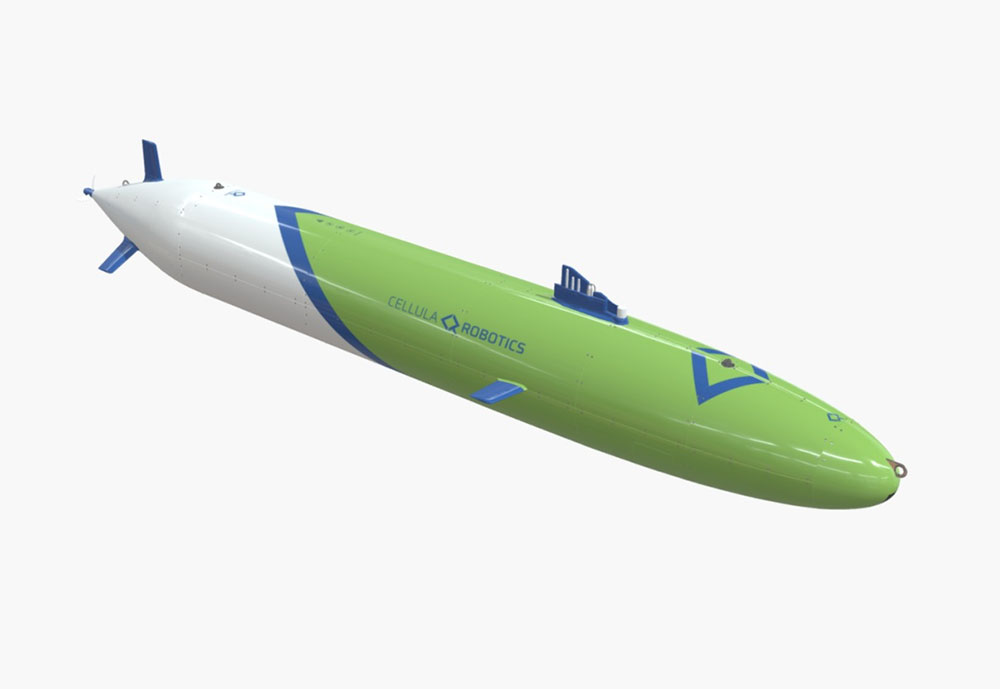
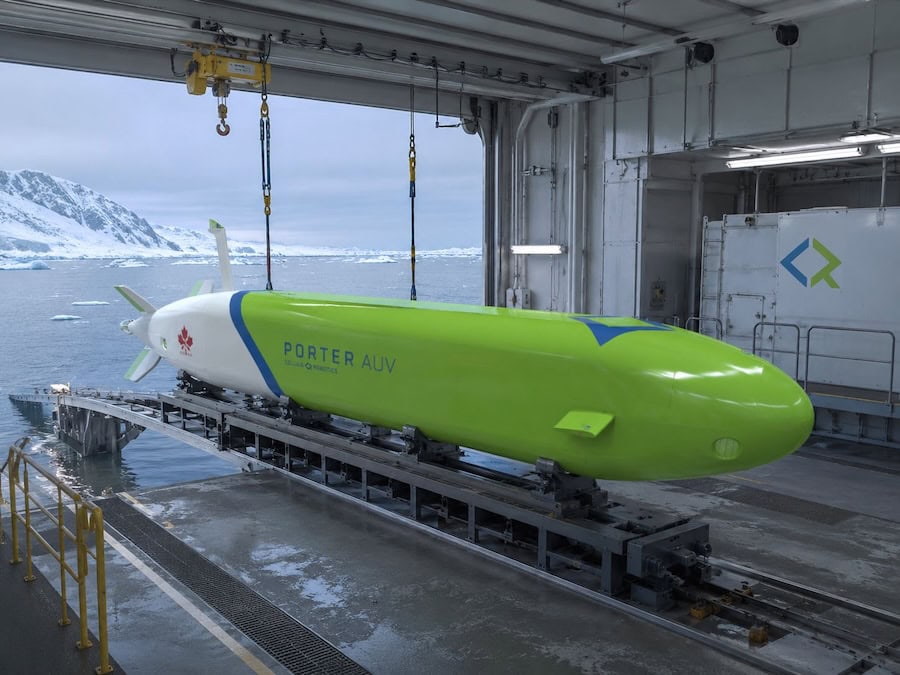
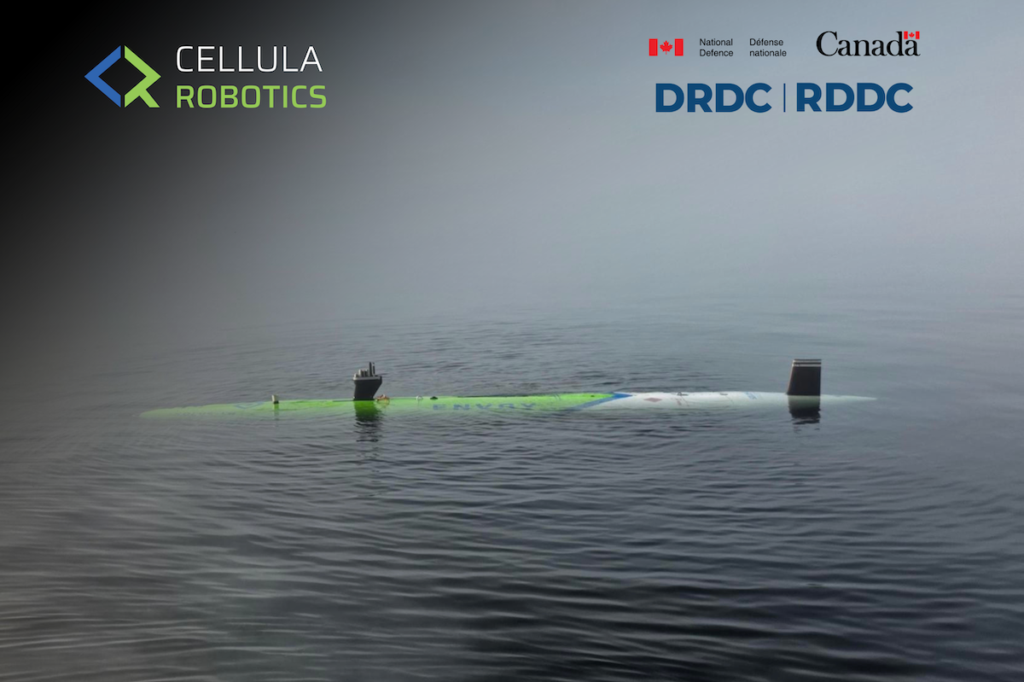
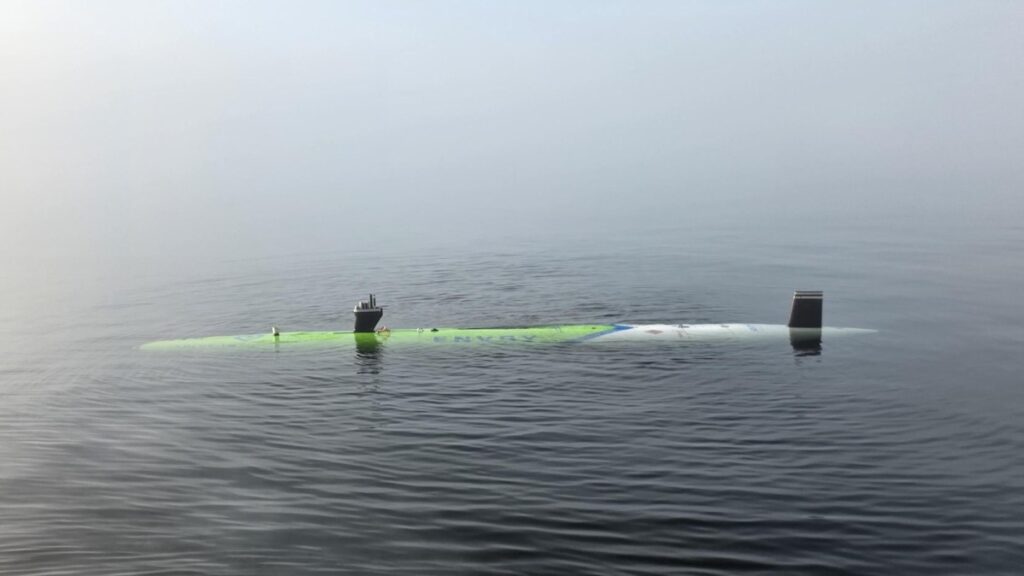
Visitors can engage with scale models of the Porter XLAUV® and Envoy AUV® for capability walk-throughs. The company, which maintains operations in Canada, the United States, and the United Kingdom, will also feature interactive elements and a professional barista to facilitate informal technical discussions.
The engineering team will be present to consult on specific programme requirements and discuss how long-endurance autonomy can reduce existing operational constraints while improving subsea persistence.