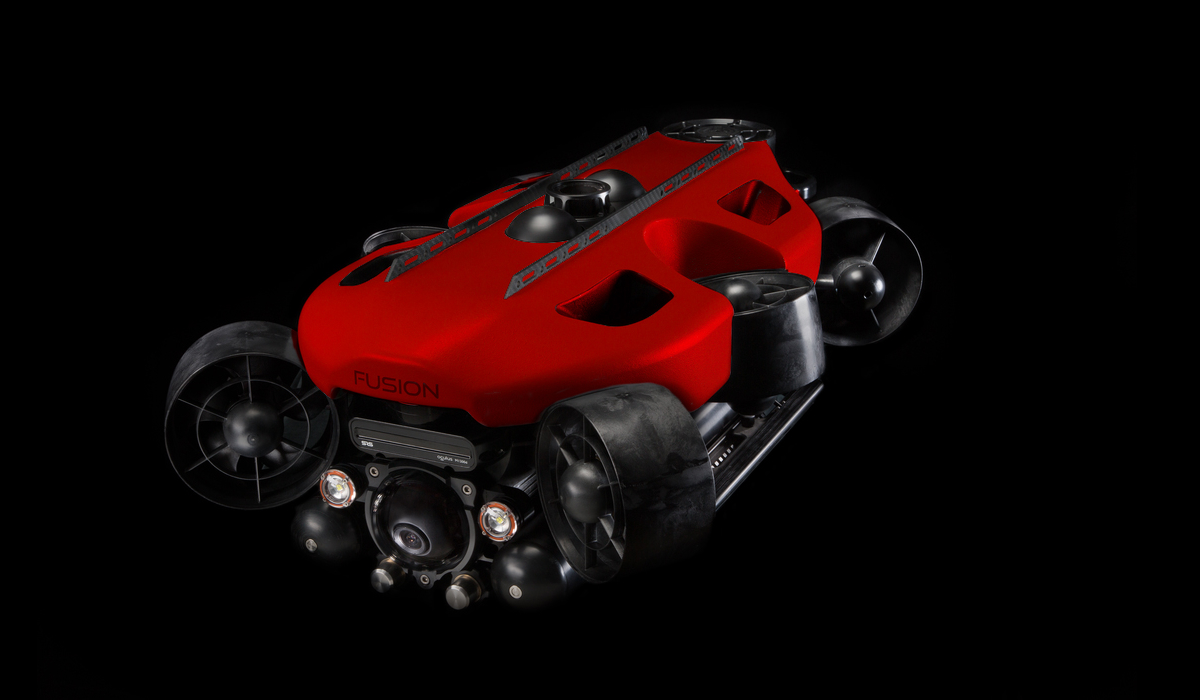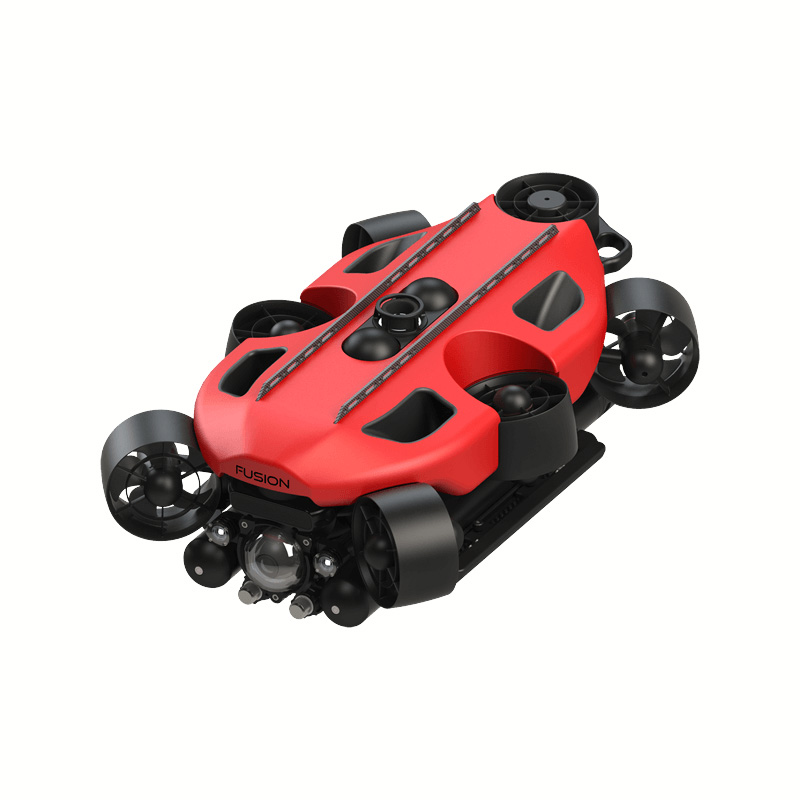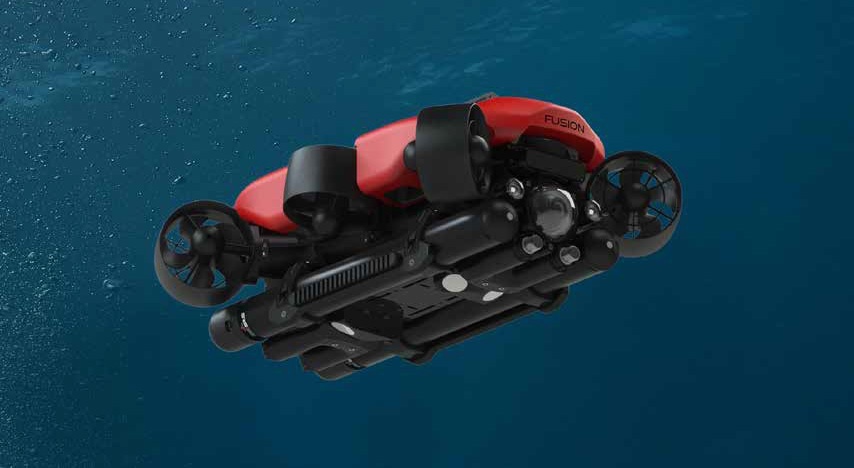


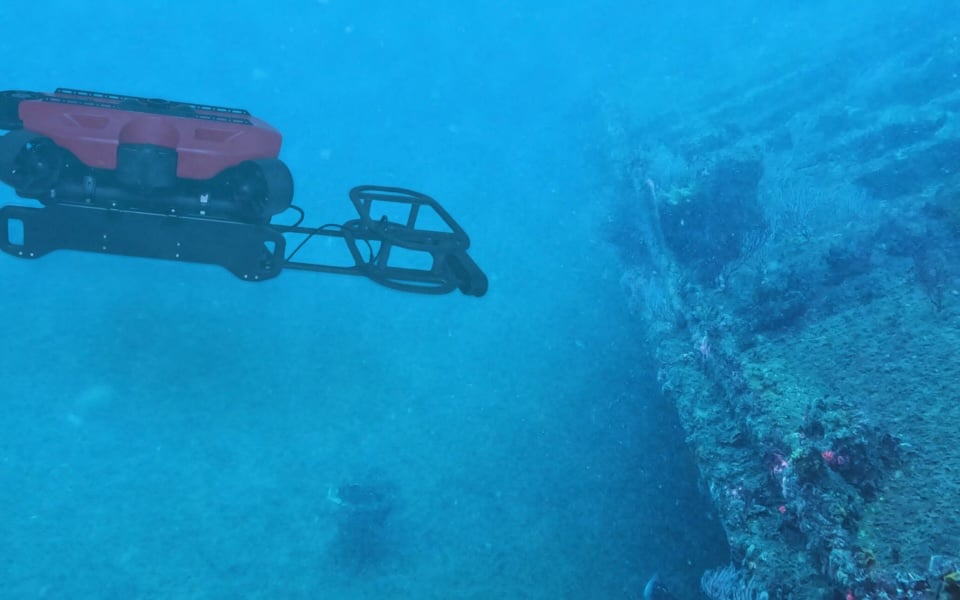
The selection of underwater search payloads can significantly influence survey planning, target detection and subsequent contact investigation. Strategic Robotic Systems examines the differences between magnetometers and metal detectors on its FUSION platform.
The company highlights the importance of target composition, size and anticipated burial depth when determining the appropriate sensor configuration.
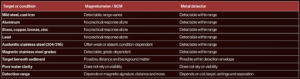
Although both technologies are used to detect submerged objects, their operating principles differ. Magnetometers measure magnetic disturbances associated with ferromagnetic materials, particularly iron and steel, while metal detectors can respond to both ferrous and non-ferrous metals, including aluminum, brass and lead, within their detection range.
Larger ferromagnetic objects may be suited to wider-area magnetometer surveys, whereas smaller targets and non-ferrous materials generally require closer coverage with a metal detector.
Underwater Detection Principles
Magnetometers operate passively, measuring variations in the surrounding magnetic field without transmitting a search signal. Ferromagnetic objects produce localized disturbances in the Earth’s magnetic field that can be detected by the instrument.
Typical targets include mild steel, cast iron and magnetic grades of stainless steel. Materials such as aluminum, copper, brass, lead and zinc are not practical standalone targets for magnetometer surveys. Additionally, not all iron-containing alloys exhibit strong magnetic properties.
While larger ferromagnetic objects often generate stronger magnetic signatures, detection range is influenced by several factors beyond mass, including material properties, target geometry, orientation and distance from the sensor. Signal strength decreases rapidly as separation between the sensor and target increases.
Magnetometers can also detect ferromagnetic objects buried beneath sediment. However, burial increases the sensor-to-target distance, while magnetic geology and background noise can complicate data interpretation.
The FUSION Subsea Magnetometer is a self-compensating magnetometer (SCM), incorporating software that reduces the magnetic influence of the host vehicle without changing the fundamental material detection characteristics of the instrument.
In contrast, the metal detector operates using pulse induction, transmitting electromagnetic pulses and measuring the resulting response induced in conductive metal objects.
Its detection envelope depends on coil geometry, target dimensions, shape, orientation and sensor-to-target separation. Although both ferrous and non-ferrous materials can be detected, sensitivity varies according to the target and sensor configuration.
Neither technology relies on clear water for detection, although limited underwater visibility may complicate subsequent visual inspection.
Survey Planning and Seabed Coverage
The different operating characteristics of magnetometers and metal detectors influence survey line spacing and vehicle operation.
When searching for sufficiently large ferromagnetic objects, magnetometers can support wider survey lines and rapid coverage of extensive areas. This approach is specific to magnetically responsive materials and does not offer equivalent detection coverage for non-ferrous targets.
Survey line spacing must therefore account for the smallest object of interest and the anticipated detection range.
Metal detector surveys typically require narrower line spacing, controlled vehicle speed and consistent sensor altitude above the seabed. Sufficient overlap between survey lines is necessary to provide coverage appropriate to the intended target.
Applying an identical survey pattern to both payloads may result in detection gaps or unnecessary survey time.
Sensor Integration, Calibration and Altitude Control
Effective deployment of either instrument requires mounting and setup appropriate to the delivery vehicle.
The SCM requires compensation for the magnetic influence of FUSION, including its payload configuration. Metal detector coils must be positioned to minimize interference from nearby metallic components, with zeroing, sensitivity checks and any necessary calibration undertaken according to the manufacturer’s instructions.
Secure mounting maintains the sensor in a fixed position relative to the vehicle. However, maintaining a consistent altitude above the seabed also depends on vehicle control and variations in seabed topography.
Changes in altitude alter the distance between the sensor and target, potentially producing different responses from otherwise similar objects. Consistent sensor altitude is therefore important for repeatable data collection, particularly during close-range metal detector surveys.
Payload Selection Across Underwater Search Applications
The composition and construction of underwater targets determine the suitability of each detection technology across a range of operational applications.
- Wrecks, anchors, vehicles, pipelines and cables: Magnetometers are useful when targets contain sufficient ferromagnetic material. Non-metallic pipelines and cables lacking substantial magnetic components require alternative search approaches.
- Downed aircraft: Metal detectors can locate aluminum structures and other conductive debris. Magnetic aircraft components may generate magnetometer contacts, but these do not represent the entire debris field.
- Firearms and evidence recovery: Ferrous components may generate magnetic signatures, while brass cases, lead projectiles and aluminum components require metal detector coverage. Smaller evidence items necessitate appropriately close survey coverage.
- Ordnance searches: Sensor suitability depends on target construction and metal content. Both technologies can support detection and investigation, although neither independently establishes clearance.
- Marine archaeology: Magnetometers may locate ferrous remains, while metal detectors can assist in finding associated bronze, copper and lead artifacts. The composition of the target assemblage determines whether one or both technologies are appropriate.
Contact Detection and Identification
Magnetic and electromagnetic responses indicate potential targets but do not independently establish object identity.
Magnetic anomalies may originate from the intended target, unrelated ferrous debris or magnetic geology. Similarly, metal detectors can respond to construction debris, fasteners and other conductive clutter.
Detected contacts therefore provide positions for further investigation rather than confirmed identifications. Cameras and imaging sonar may assist in assessing exposed objects, while buried targets can require additional investigation.
Metal detector responses may also help refine contact positions without establishing the identity of the detected object.
Complementary Payload Deployment on FUSION
Where significant ferromagnetic targets are anticipated, an initial magnetometer survey can identify areas for closer investigation using a metal detector, imaging sonar or camera.
For non-ferrous targets, metal detector coverage must be incorporated into the initial survey plan, as investigations based exclusively on magnetic anomalies may overlook the intended objects entirely.
FUSION’s modular payload architecture allows search configurations to be adapted to individual mission requirements, with reconfiguration incorporating the relevant installation and setup checks.
The Subsea Magnetometer (PN 120-745) and Subsea Metal Detector (PN 120-743) are available as FUSION search payload options. Selecting the appropriate instrument alongside a corresponding survey strategy requires consideration of target material, size, anticipated burial depth and the information required for subsequent contact investigation.
Read Magnetometer vs Metal Detector: Which Underwater Search Payload Finds Your Target? on the SRS website.