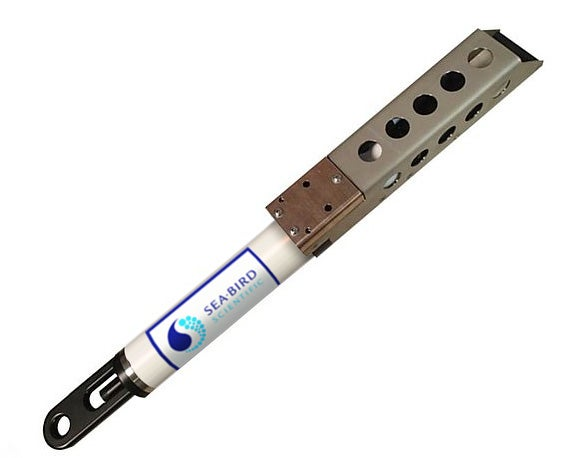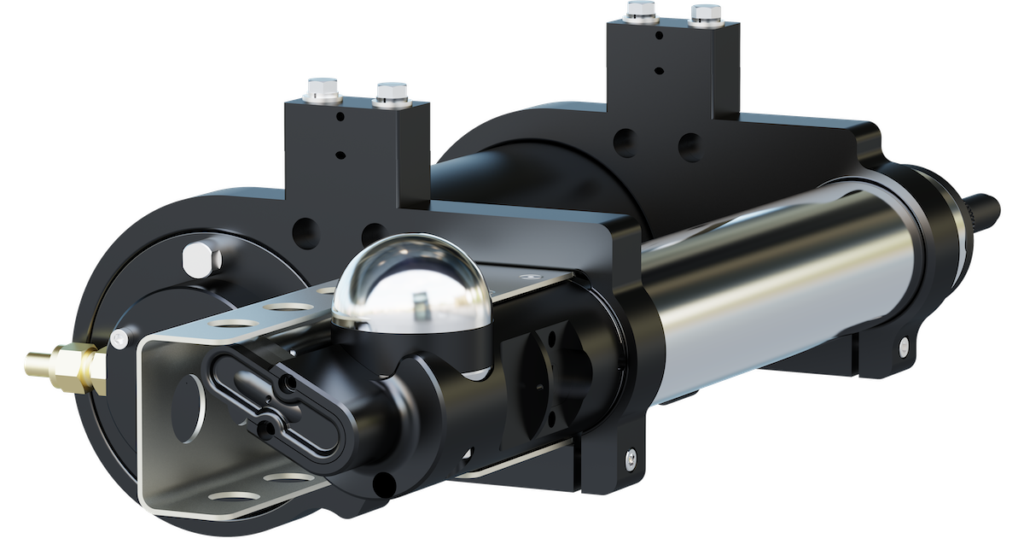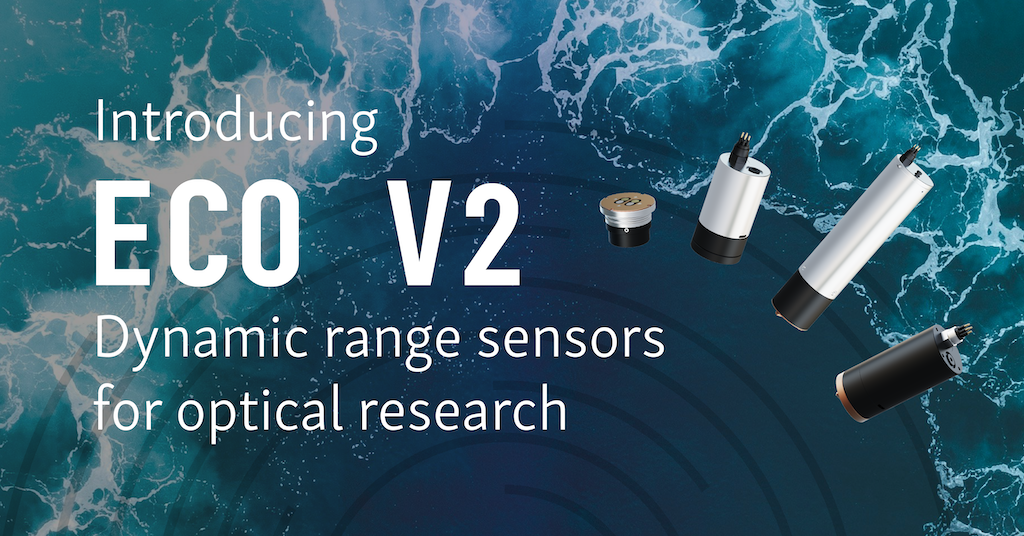

Sea-Bird Scientific highlights the expanded capabilities of its ECO V2 optical sensor, which now measures fluorescent Dissolved Organic Matter (fDOM). Read more >>
The new fDOM configuration provides 8× greater sensitivity than the ECO Classic, offering enhanced visibility into organic matter dynamics across rivers, lakes, coastal waters, and the open ocean. fDOM measurements can help researchers detect and track pollution events, monitor changes in watershed and ecosystem health, study carbon cycling and biogeochemical processes, and observe environmental change as it occurs.
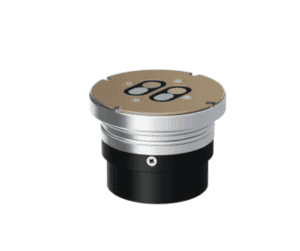
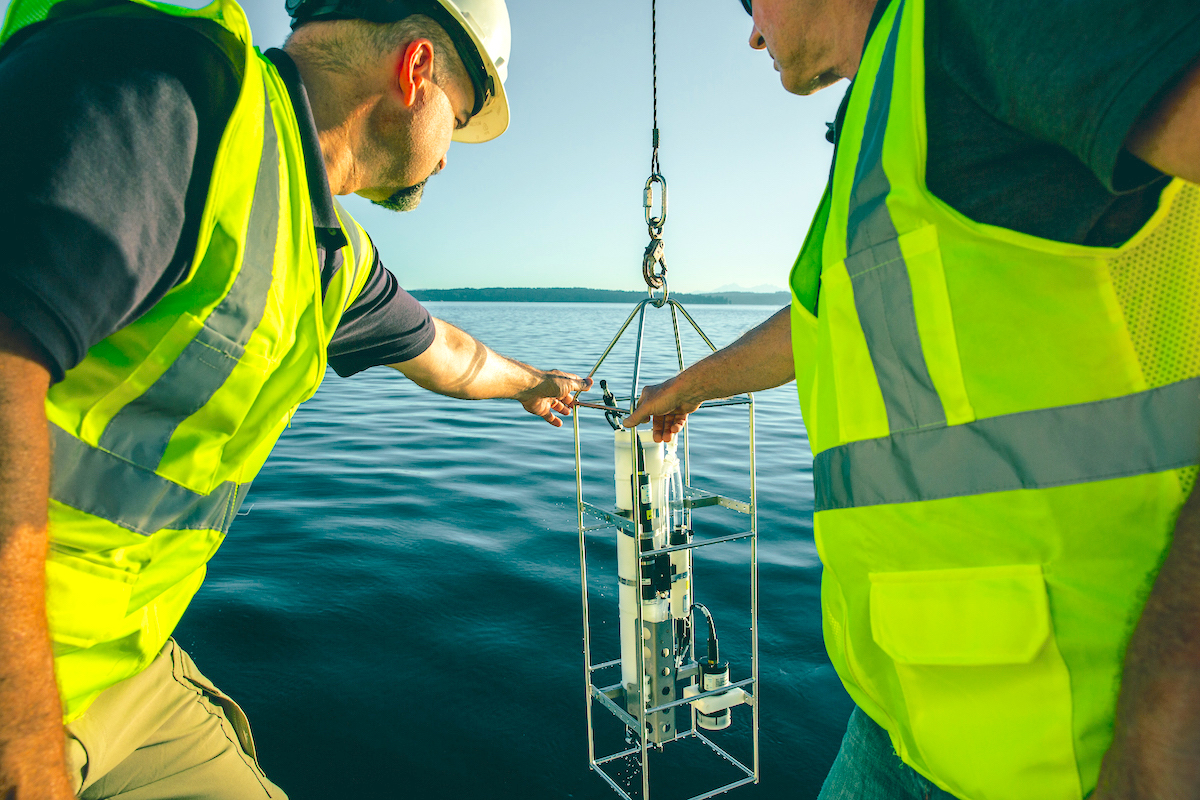
The ECO V2 provides immediate access to fDOM measurements in the field, compared with traditional laboratory analyses that require sample collection and processing. The platform supports compact, flexible deployment across fixed monitoring stations, profiling systems, autonomous vehicles, and long-term observing networks. Sea-Bird Scientific has carried out testing, field deployments, quality control, and performance validation across a range of environmental conditions, including work to refine measurement quality and validate results through real-world deployments.
Beyond fDOM, the ECO V2 is designed to provide higher performance, greater flexibility, and improved usability across a wide range of monitoring applications. Its high dynamic range allows a single sensor configuration to capture measurements across a broad spectrum of natural water conditions, while increased resolution, faster data handling, and expanded logging capabilities support more detailed observations during short-term studies and long-duration deployments. Available depth ratings include 600 m, 2,000 m, and 6,000 m, with optional integrated battery packs and active and passive anti-fouling technologies.
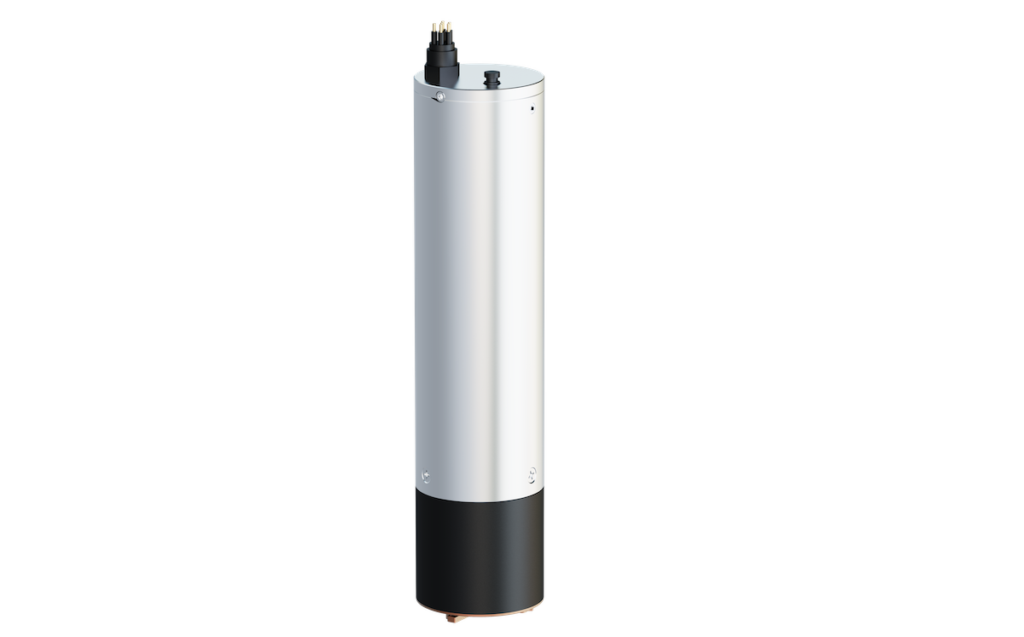
The platform also incorporates onboard Quality Assessment and Quality Control (QA/QC) capabilities, extended battery life, and an updated battery pack design that is easier to replace than the ECO Classic and interchangeable with the SBE 37 MicroCAT CTD. Integration options include RS-232 and analog communications, internal or external power, aluminum, titanium, ABS, and acetal copolymer housings, and UCI software compatibility for Windows and Mac.
The ECO V2 platform supports a range of optical measurements, including backscattering, fluorescence, and turbidity, in addition to its fDOM capability. Sea-Bird Scientific can help determine the best sensor configuration for research objectives involving rivers, lakes, estuaries, coastal waters, and the open ocean. The company is also offering a limited-time trade-in credit toward the purchase of an ECO V2 for returned ECO Classic instruments or any fluorometer, scattering sensor, or turbidity sensor, regardless of condition or manufacturer. All returned instruments will be considered for donation or responsibly recycled.
Read ‘Fully Validated: ECO V2 Now Measures fDOM’ for more information.