

Elwave, a leader in subsea detection and characterization through innovative electromagnetic technology, discusses its E-Pulse sensors, with a new How-To video on its YouTube channel providing a step-by-step introduction to using this range.
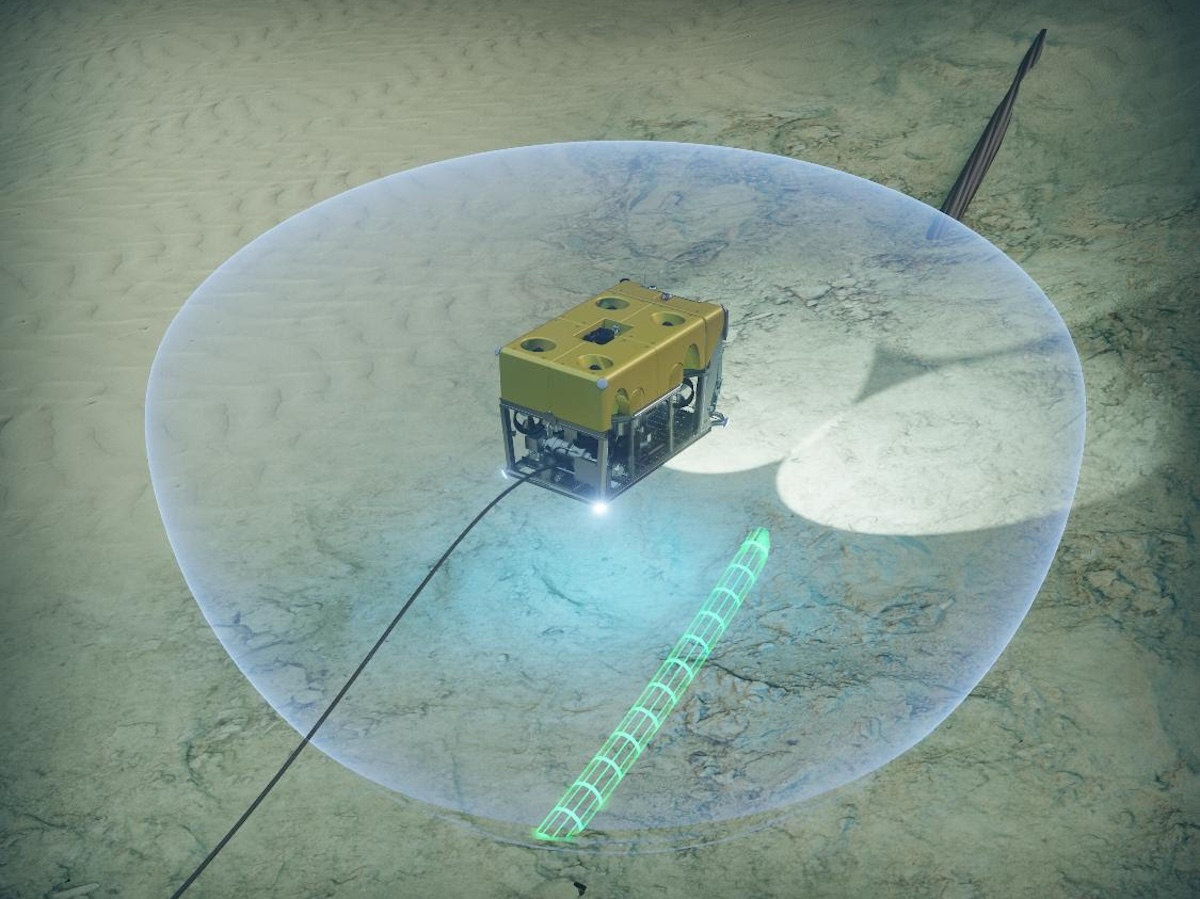
E-Pulse sensors are compact, energy-efficient devices powered by Elwave’s patented CEDAR technology (Controlled Electric Detection and Ranging). This enables the detection of metallic and plastic targets not visible with sonar, cameras or magnetometers, such as buried objects or those in turbid conditions with low visibility.
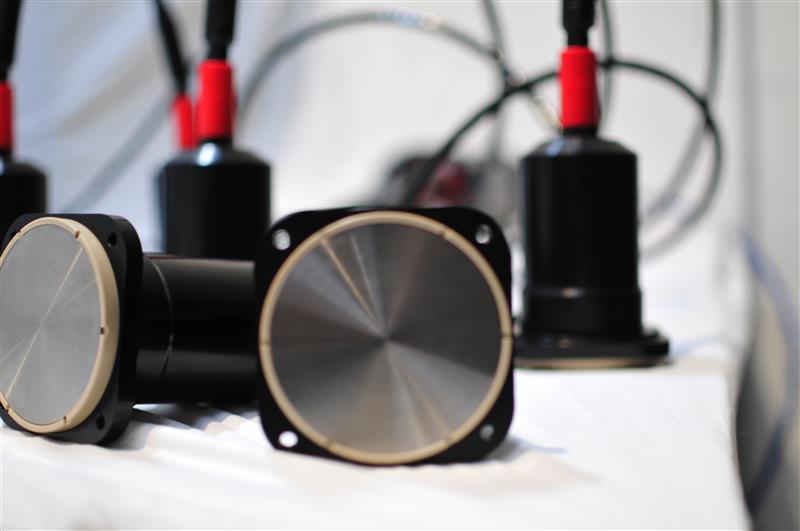
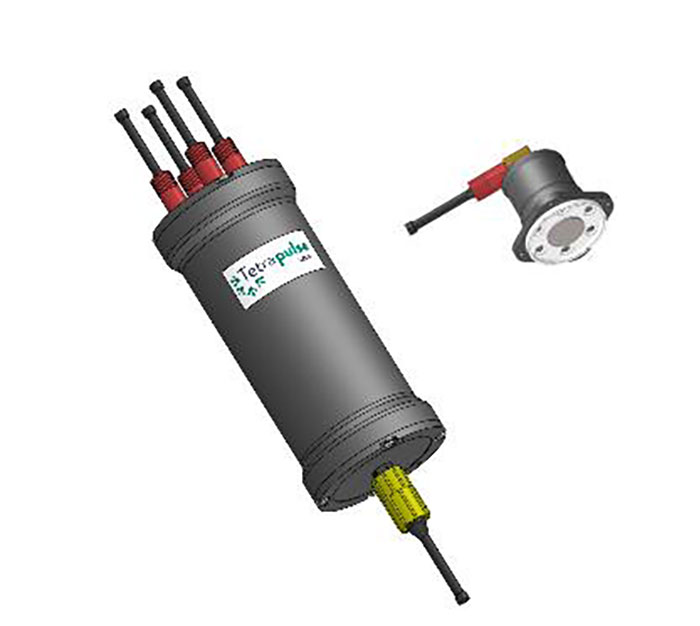
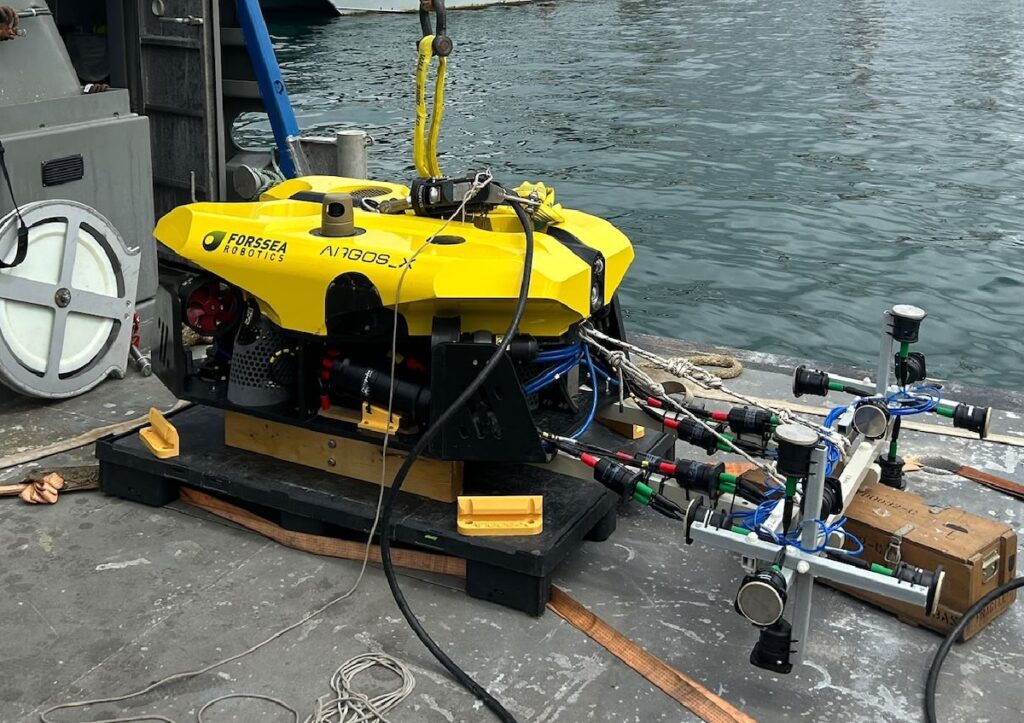
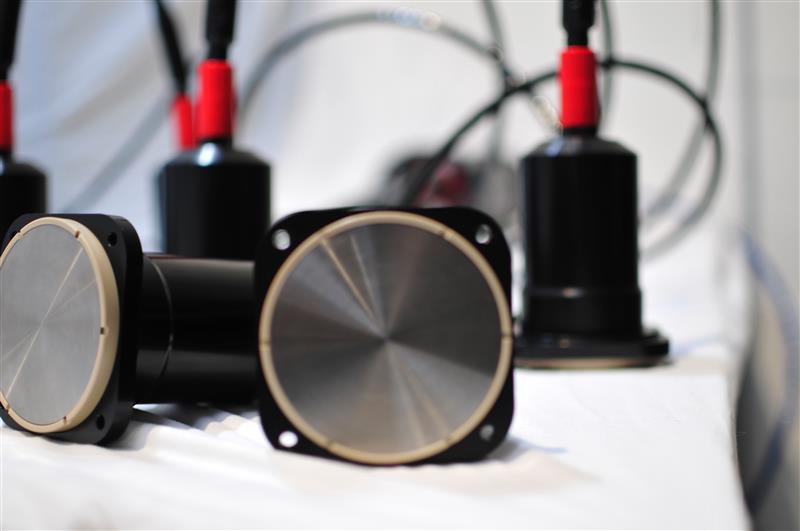
The tetropulse sensor is an active electrical impedance sensor, with two main components: the pod and four electrodes. The pod connects to the vehicle via a single SubConn connector, providing Ethernet communication and a 20-48 V DC power supply.
Each electrode is connected to the pod with a single SubConn to SubConn cable. During seabed mapping, the electrodes are mounted facing the seabed, with a clear line of sight, avoiding metallic support structures.
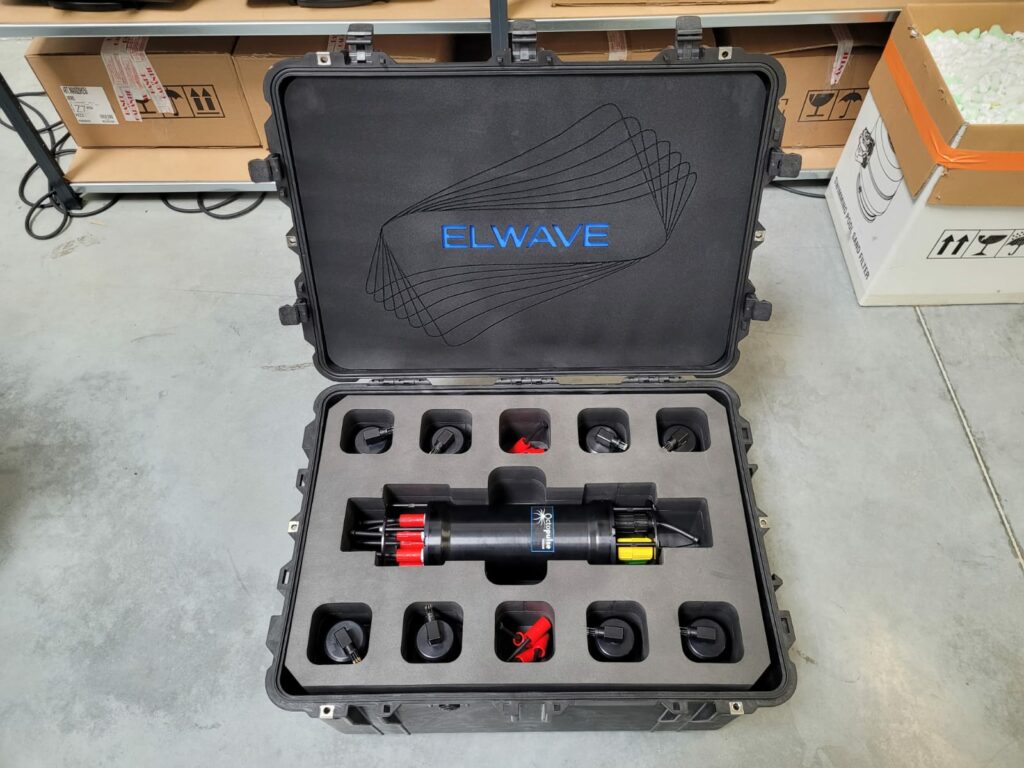
Elwave also provides Octopulse with eight electrodes and a 300 m to 6,000 m depth rating. This is suitable for demanding marine conditions.
The combination of portability with advanced detection capabilities means E-Pulse sensors open up electromagnetic sensing to a much wider range of users and applications.
Elwave’s E-Pulse technology is supporting key fields, including MCM (Mine Countermeasures), CUI (Critical Underwater Infrastructures), Marine Archeology to reveal hidden history, UXO detection for safer offshore wind farms, and UXO depollution to restore environments.
Using E-Pulse sensors with Elwave’s Owlia acquisition and processing software, which itself makes marine EM surveys more accessible, efficient and powerful, raw data can be converted into clear decisions. The E-Pulse product range was developed from academic research, strengthened by engineers and shaped by surveyors who know the terrain.
E-Pulse Tutorial Video
Elwave has released a 10-minute tutorial on E-Pulse Sensors, demonstrating how to get started with electromagnetic surveys without requiring advanced expertise.
This video guides viewers through the basics of handling E-Pulse, demonstrating how quickly the sensors can be deployed for practical use. Whether in defense, environmental studies, geology, infrastructure monitoring, or industrial operations, the tutorial shows how E-Pulse makes electromagnetic surveys more accessible.
Elwave’s new YouTube video goes beyond a product tutorial, highlighting a shift toward broader access to EM survey technology.
By condensing setup, operation, and data acquisition into the concise format, the company shows how researchers, engineers, students, and field operators can readily harness the benefits of electromagnetic sensing. Electromagnetic survey is therefore no longer only limited to specialists.