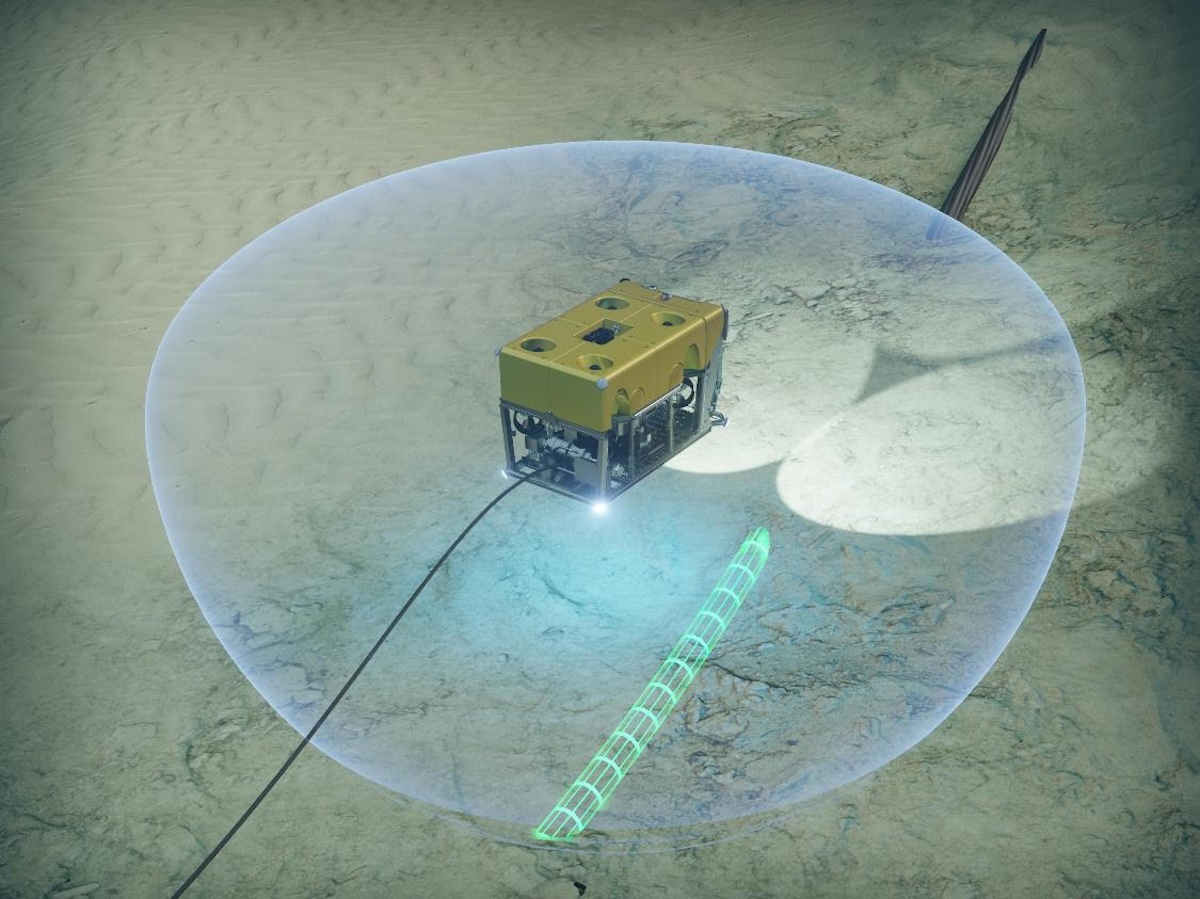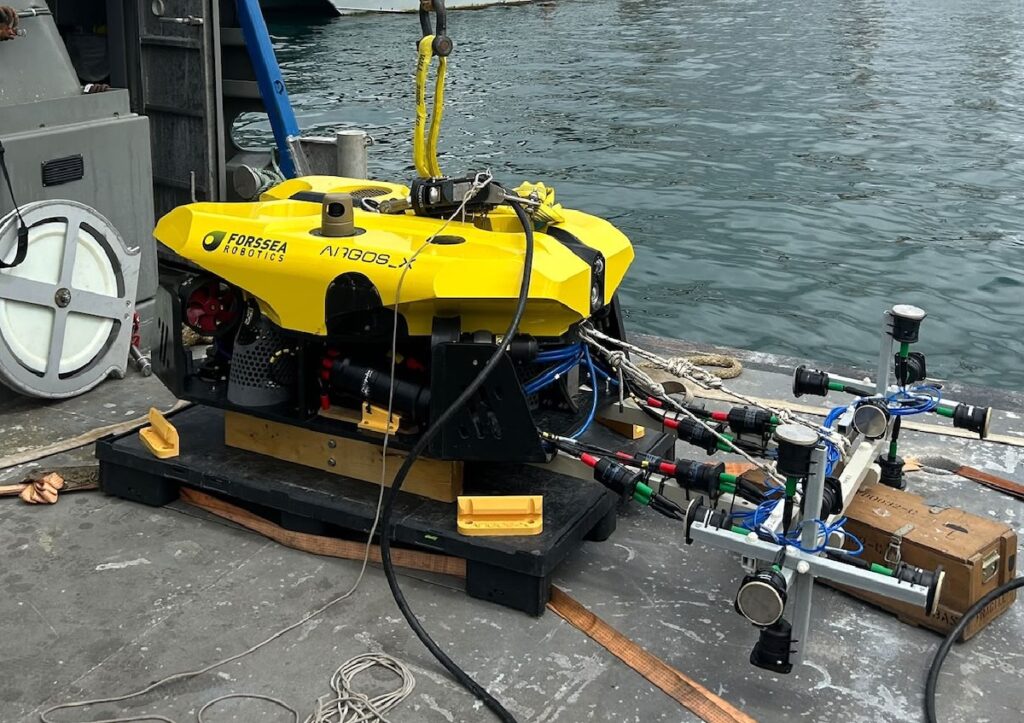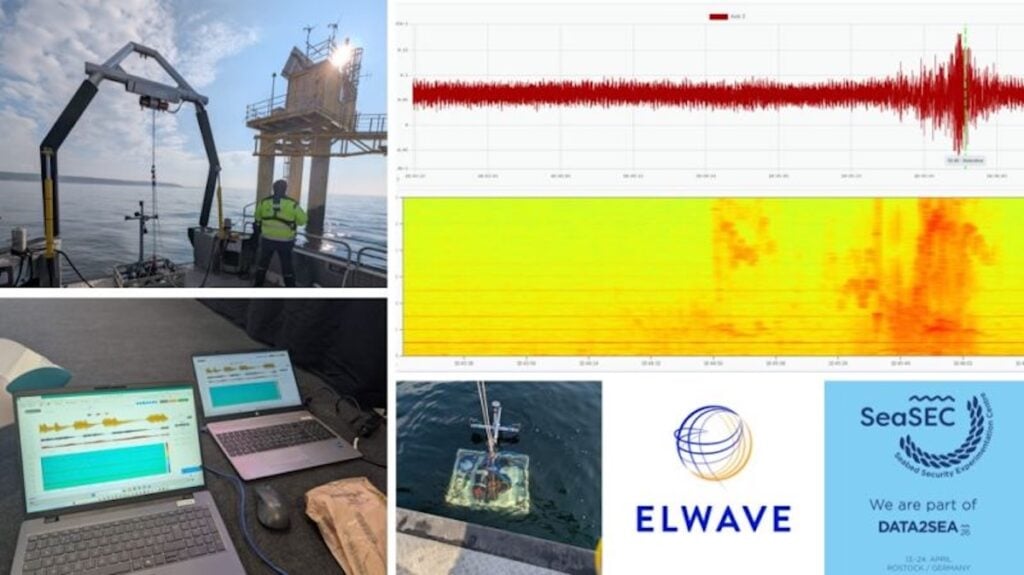


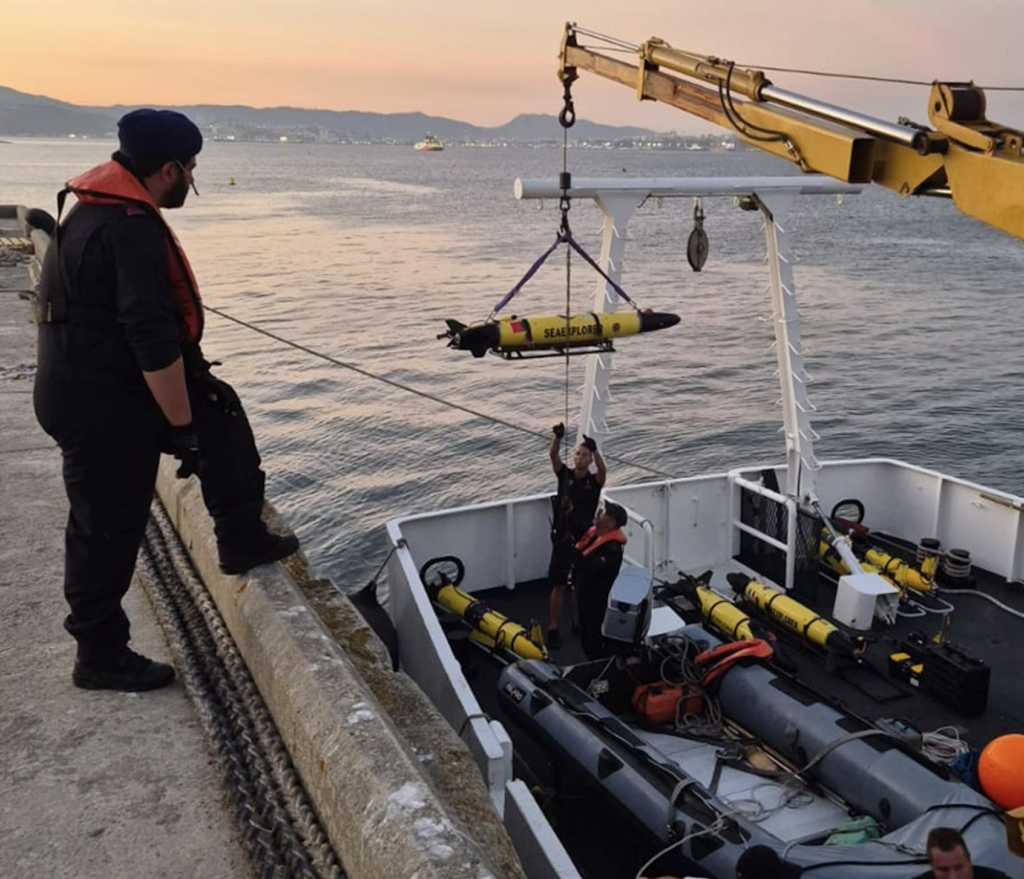
ELWAVE’s electric-field sensing technology was demonstrated during REPMUS 2026 in Portugal, aboard an ALSEAMAR SEAEXPLORER underwater glider, during a 20-day continuous at-sea mission.
The demonstration highlighted how electric signatures can provide a complementary source of information for underwater detection and situational awareness, extending the sensing capabilities available to autonomous underwater platforms.
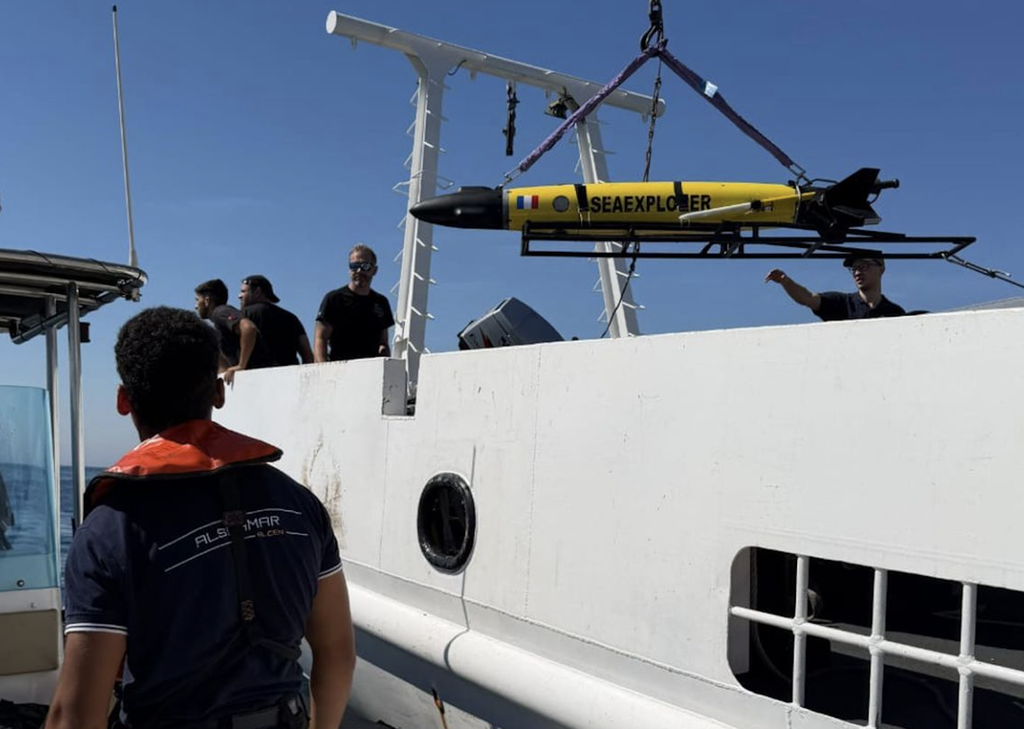
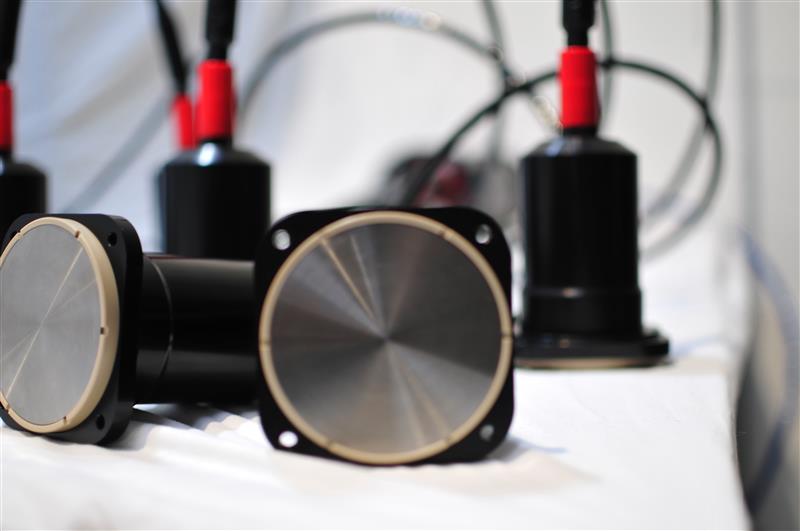
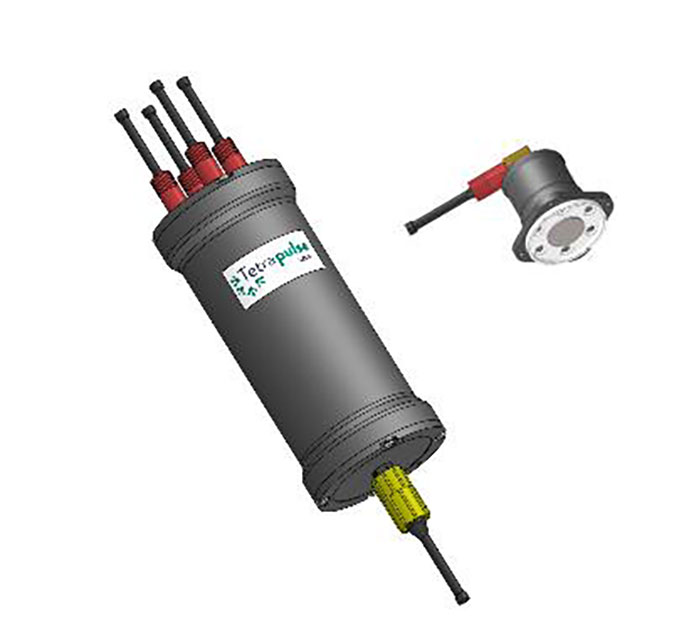
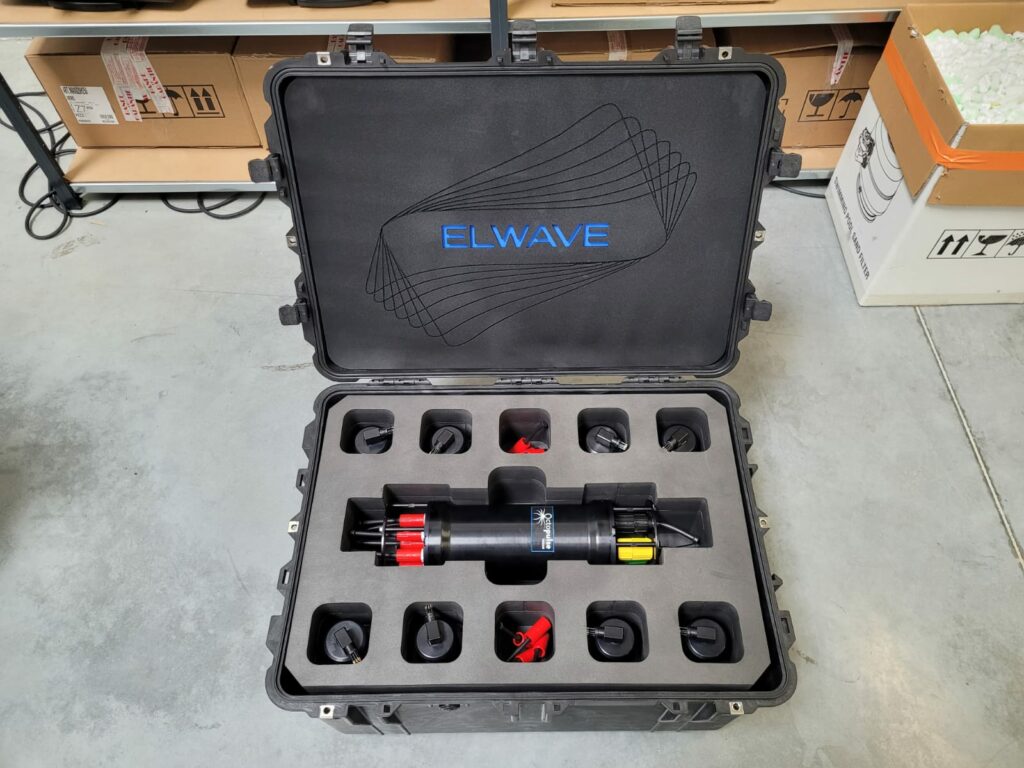
ELWAVE’s ESENSE OEM technology was integrated into an autonomous underwater platform to explore the operational potential of electric-field (EF) sensing in underwater warfare applications. By detecting electric signatures associated with underwater targets, ESENSE provides an additional sensing modality that complements conventional acoustic and magnetic detection technologies.
ESENSE OEM combines high sensitivity and wideband operation with very low power consumption and an ultra-compact form factor, supporting integration into size- and power-constrained underwater platforms. The system also incorporates dry electrodes and automatic calibration, features designed to simplify integration and support deployment across a range of subsea applications.
During REPMUS 2026, one SEAEXPLORER glider was equipped with ESENSE as part of the underwater warfare activities conducted during the exercise. The integration took place within a 20-day continuous at-sea mission, highlighting the potential for electric-field sensing to be deployed on autonomous underwater platforms operating over extended periods.
Complementary sensing for challenging underwater environments
Many underwater targets are designed to minimise their acoustic signatures and, in some cases, their magnetic signatures, making them increasingly difficult to detect using conventional sensing technologies alone. Acoustic detection can also be affected by ambient noise, reverberation and variations in sound propagation, which may reduce detection performance in challenging underwater environments.
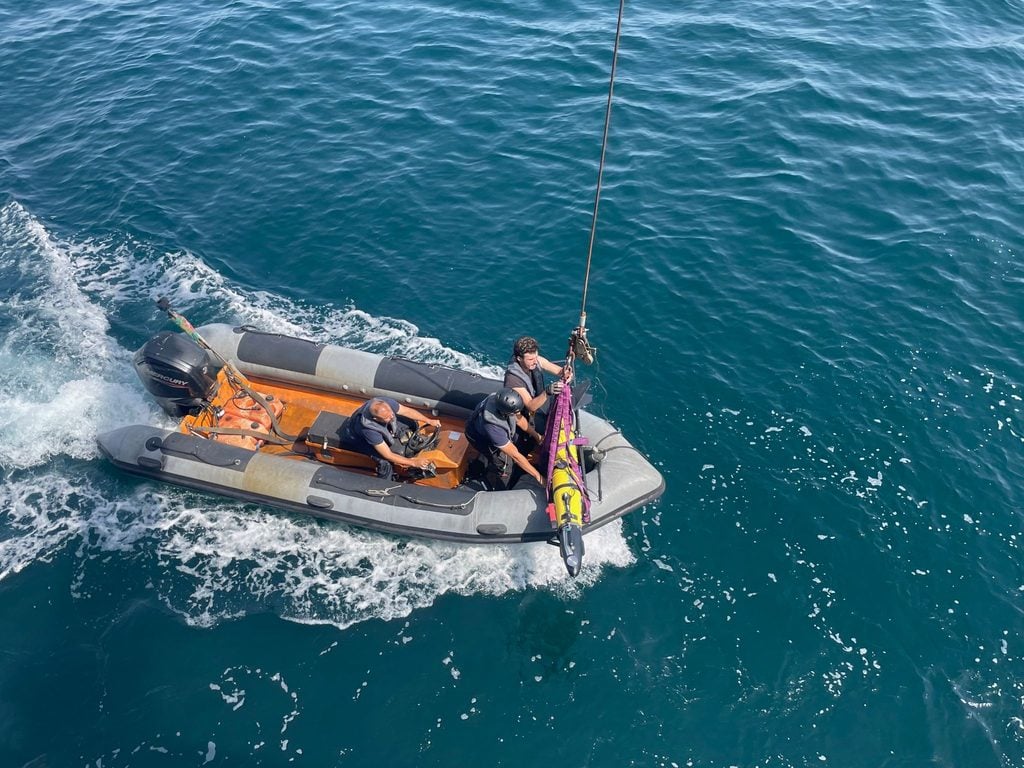
Electric-field sensing offers a complementary approach by detecting the electric signatures associated with underwater targets. With ESENSE, ELWAVE brings this capability to an operationally relevant detection range, addressing a key limitation that has historically restricted the practical use of electric-field sensors for underwater detection. By providing an additional detection channel that does not rely on acoustic propagation, ESENSE can increase the probability of detecting targets that might otherwise remain undetected by conventional sensors.
Beyond detection: electric signature characterisation and multi-physics sensing
In addition to detection, electric-field measurements can contribute to the characterisation of underwater targets through their distinctive electric signatures. Building libraries of electric signatures would provide an additional source of intelligence, complementing existing acoustic signature libraries and supporting improved target classification and identification.
Combining electric, acoustic and magnetic sensing capabilities can therefore support a more comprehensive, multi-physics approach to underwater surveillance. Potential applications include Anti-Submarine Warfare (ASW), maritime surveillance and port protection, as well as mine warfare, where complementary sensing modalities can help address the limitations of individual detection technologies.
By integrating ESENSE aboard an ALSEAMAR SEAEXPLORER glider during a 20-day continuous at-sea mission at REPMUS 2026, ELWAVE demonstrated the potential of electric-field sensing as an additional capability for autonomous underwater systems. This integration represents a step towards more effective multi-physics underwater sensing, combining complementary detection and characterisation capabilities to support future maritime defence operations.