Water Depth Sensor Technology for Maritime Applications
Water depth sensors are critical tools for accurate underwater monitoring across Unmanned Surface Vehicles (USVs), Unmanned Underwater Vehicles (UUVs), and boats. These devices, including advanced echo sounders and ultrasonic sensors, enable precise multisensor measurement, ensuring safe navigation and effective data collection in marine environments. From shallow waters to deep oceans, understanding the role of these sensors in providing real-time depth information is essential for optimizing the performance and reliability of marine vessels and automated systems.
If you design, build or supply Water Depth Sensor Technology, create a profile to showcase your capabilities and connect with visitors who have an active requirement for your solutions.
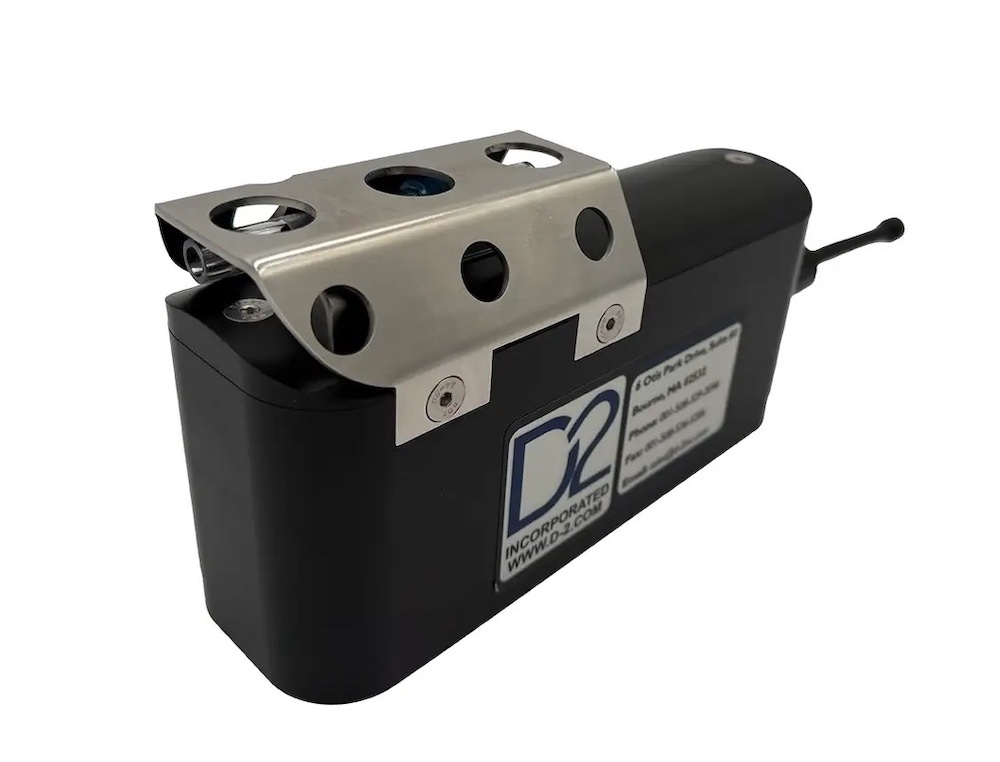
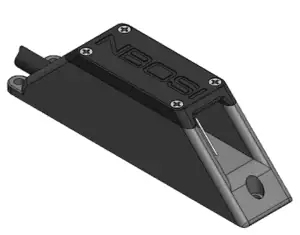
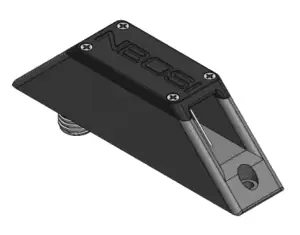
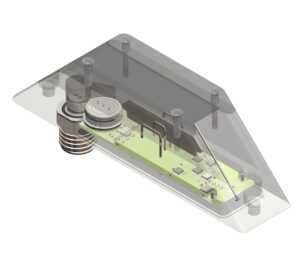
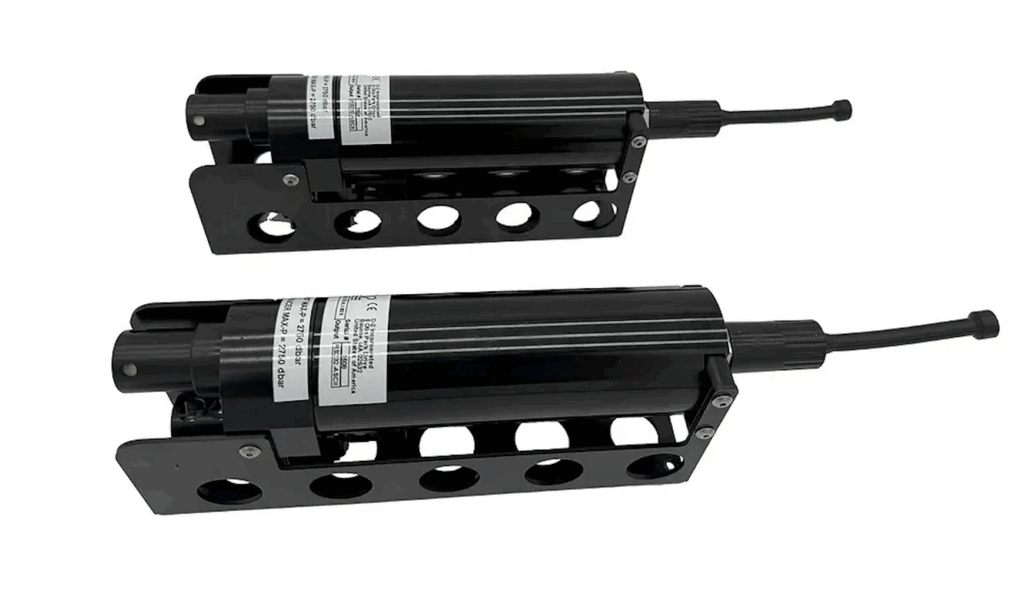
Rectangular CTD sensor with integrated electronics & bulkhead connector
Rectangular CTD sensor with integrated electronics & bulkhead connector
...uirements. The sensor includes an integrated pressure sensor for depth measurement, with selectable... ... Model 511 CTD sensor features a rectangular design with integrated electronics for reliable...
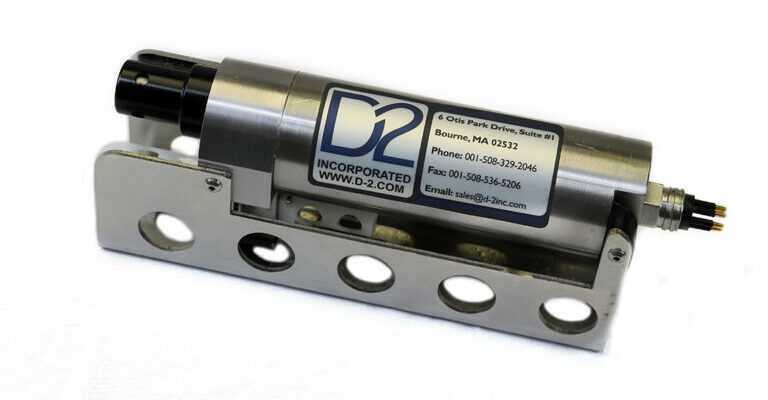
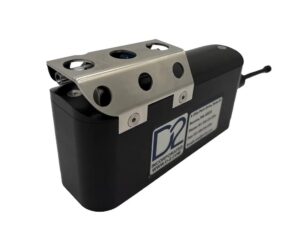
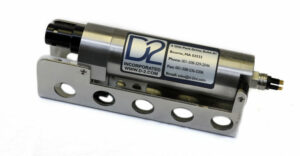
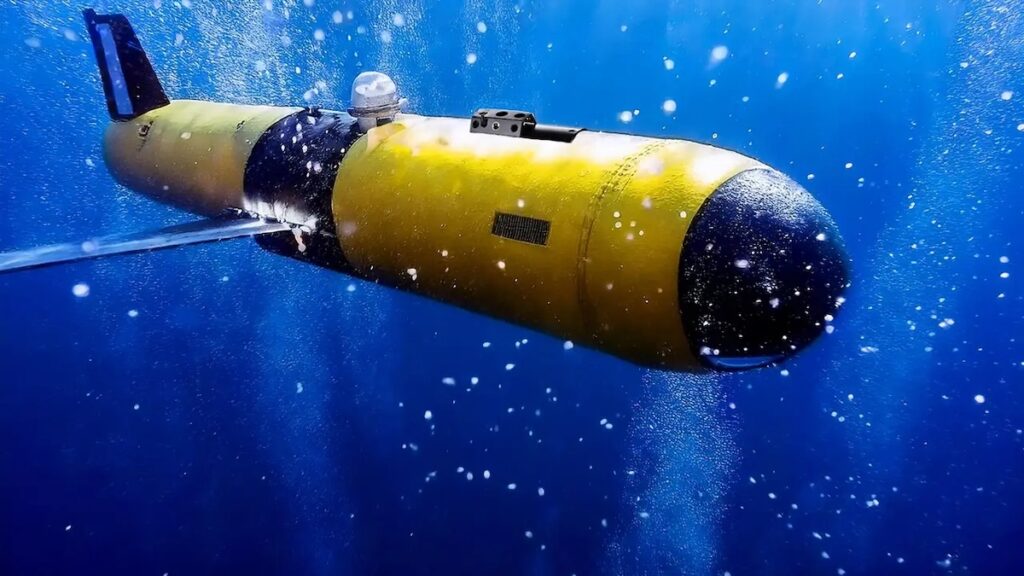
Ultra low power conductivity, temperature & depth sensor for autonomous marine platforms
Ultra low power conductivity, temperature & depth sensor for autonomous marine platforms
...mperature, and depth data for AUVs, UUVs, ROVs, USVs, floats, and gliders in a compact and... ...r sampling and depth range. A high speed thermistor and precision pressure transducer deliver fast...
Water Depth Sensor Technology for Maritime Applications
Overview by
Sarah Simpson
Updated:
A water depth sensor delivers precise depth measurements for navigation, research, and offshore applications. These sensors ensure accurate and real-time data, supporting diverse activities ranging from seabed mapping and underwater construction to environmental monitoring and vessel navigation.
As the technology evolves, modern water depth sensors have become more versatile and reliable, benefiting a wide range of industries, including shipping, marine research, and offshore energy.
Advancements in Water Depth Sensor Technology: Echosounders
Water depth sensors, particularly those based on echo sounder technology, operate by emitting sound pulses through ultrasonic sensors and calculating the depth based on the time it takes for the pulses to return after hitting the seafloor.
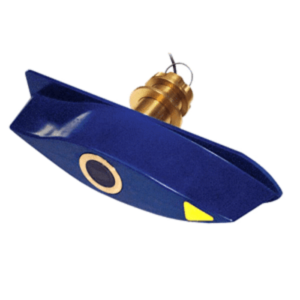
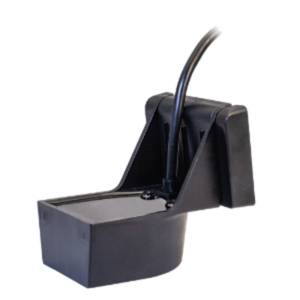
Model 501 CTD sensor by NBOSI Ocean Sensors
These sensors are essential for mapping underwater terrain and detecting underwater hazards, ensuring safe passage through unknown or shallow waters. Echo sounders, particularly single beam echo sounders, are widely used across industries for their high precision and reliability.
The integration of ultrasonic water depth sensors enhances real-time data collection, supporting critical operations in the maritime field.
In addition to traditional depth measurement, many modern sensors now offer multisensor measurement capabilities, integrating data on various environmental parameters alongside depth.
This includes temperature, salinity, and conductivity, enabling more comprehensive data collection that benefits research and monitoring applications. This level of integration allows for a more complete understanding of underwater environments and enhances operational efficiency.
Types of Water Depth Sensors
River Depth Sensors
River depth sensors, commonly equipped with ultrasonic depth sensor technology, are vital for monitoring and managing water levels in rivers. These sensors provide real-time data to assist with flood prevention, navigation, and environmental monitoring. The sensors detect changes in water levels caused by rainfall, snowmelt, and seasonal variations, helping to mitigate risks and ensure safe waterway navigation.
These systems are particularly valuable for hydrological studies, supporting sustainable water management practices. Whether in urban or rural environments, river depth sensors are critical for managing water resources and minimizing the risk of flooding.
Tidal Depth Sensors
Tidal depth sensors are essential in coastal and marine environments for tracking changes in water levels due to tidal cycles. By providing precise data on tidal variations through depth sounding, these sensors help support navigation, coastal management, and marine construction projects. They are commonly integrated with single beam echo sounders to enhance the accuracy of depth readings.
In industries like shipping and offshore energy, understanding tidal patterns is crucial for safe operations. These sensors are also used for environmental monitoring, enabling researchers to study the effects of tides on coastal ecosystems.
Oceanographic Depth Sensors
In oceanographic research, depth sensor water technology plays a crucial role in studying deep-sea environments. Oceanographic depth sensors are designed to withstand extreme marine conditions and operate at varying depths. These sensors are frequently used for seabed mapping, underwater exploration, and the study of marine life and ecosystems.
The Role of CTD Sensors
Conductivity, Temperature, and Depth (CTD) sensors play a crucial role in modern maritime data collection. CTD sensors are often integrated into water depth sensor systems, expanding the range of data that can be collected. By measuring conductivity (related to salinity), temperature, and depth, CTDs offer valuable insights into the physical properties of seawater.
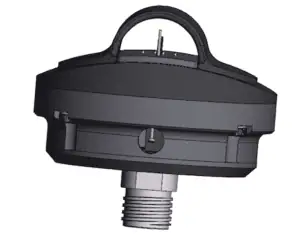
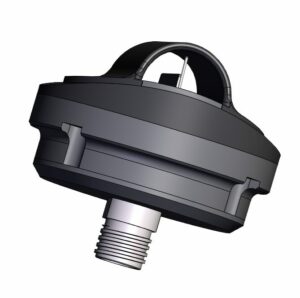
Model 503 CTD sensor by NBOSI Ocean Sensors
These parameters are essential for understanding water column characteristics, which influence marine life distribution, water circulation, and overall ocean health. CTD-equipped water depth sensors are widely used in marine research to study ocean dynamics, climate change effects, and underwater ecosystems.
In conjunction with depth measurements, CTD data helps scientists create detailed profiles of the water column, which are necessary for tracking changes in ocean conditions over time.
For example, in applications such as marine resource management or environmental monitoring, CTD sensors provide the data needed to analyze thermoclines (temperature gradients) and haloclines (salinity gradients) that affect underwater currents and marine habitats. The combined capability of CTD sensors and water depth measurement sensor technology offers a powerful toolset for both research and operational purposes.
Applications Across Maritime Industries
Underwater depth sensor technologies, including those integrated with CTD capabilities, are indispensable in various sectors.
Shipping and Navigation
Water depth sensors play a crucial role in ensuring the safe passage of vessels by continuously monitoring water depth. Echo sounders and ultrasonic sensors installed on ships provide real-time feedback, helping avoid groundings and navigate safely through shallow or unfamiliar waters.
Marine Research
Research vessels benefit greatly from multisensor systems, including CTD sensors. Researchers use these sensors to create detailed maps of the seabed and to study the water’s physical properties, such as salinity and temperature. The data collected helps scientists understand ocean currents, ecosystem dynamics, and environmental changes, all of which are critical for marine conservation and resource management efforts.
Offshore Energy
The offshore energy industry depends heavily on accurate water depth sensors for site surveys and underwater construction. In addition to depth, sensors integrated with CTD systems allow operators to monitor environmental parameters like temperature and salinity, which are important for assessing the feasibility of offshore projects. For example, subsea pipelines and wind farms rely on accurate seabed mapping and continuous depth monitoring to ensure safe and efficient installations.
Sensor Integration and Customization
Water depth sensors can be easily integrated into various maritime platforms, from large vessels to AUVs (Autonomous Underwater Vehicles) and ROVs (Remotely Operated Vehicles). Their compact designs, often housed in rugged enclosures, ensure they can perform under extreme marine conditions.
The adaptability of these sensors is further enhanced by customizable options, such as modular bulkhead connectors and through-hull penetrators, allowing them to meet the specific needs of different maritime applications.
The capability to output data at high frequencies (up to 10 Hz) ensures real-time monitoring, which is particularly valuable for operations in dynamic environments where conditions can change rapidly.
This level of integration is especially important for vessels that rely on continuous feedback to adjust operations and ensure safe navigation or project completion.
NMEA Integration
Water depth sensors can be integrated with a wide range of onboard systems via NMEA 0183 and NMEA 2000 protocols. These standardized marine communication interfaces allow depth data to be transmitted to chartplotters, data loggers, autopilots, and other navigation or monitoring systems, supporting seamless interoperability across commercial vessels, scientific platforms, and unmanned marine vehicles, such as USVs used for bathymetric surveys.
Durability and Performance in Challenging Conditions
Durability is a key consideration in water depth sensor technology. Whether operating in shallow coastal areas or in deep-sea environments, these sensors are built to endure harsh marine conditions.
Fully-potted enclosures protect internal electronics from saltwater corrosion, pressure variations, and temperature extremes, ensuring consistent performance even during long-term deployments.
For industries like offshore energy, where underwater monitoring and installations are conducted over extended periods, the robustness of these sensors is crucial. Their ability to function reliably over time reduces the need for frequent maintenance or replacements, making them a cost-effective solution for long-term projects.
When paired with multisensor systems that collect comprehensive environmental data, these sensors offer significant operational advantages.
In-Situ spoke to OST at Oceanology International 2026 in London, with Principal Technical Consultant and Chief Hydrologist Adam Hobson outlining the company’s water quality monitoring platforms and new compact sensing technology
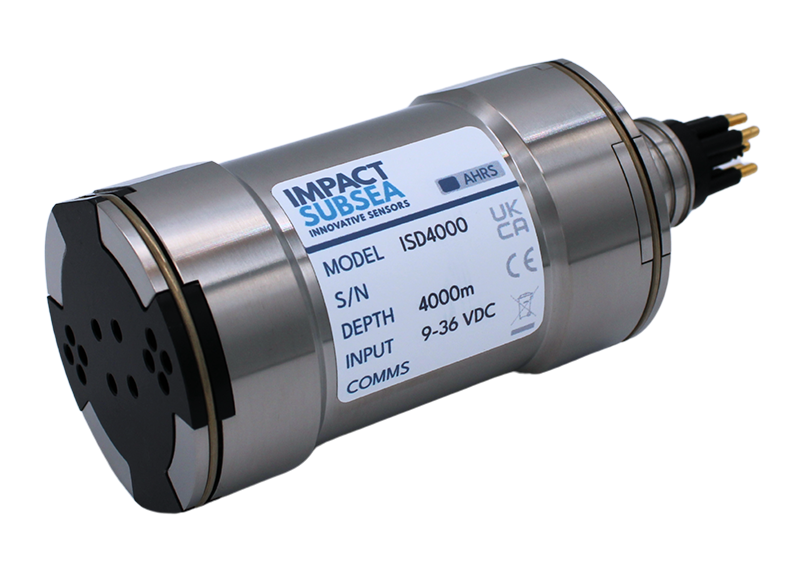
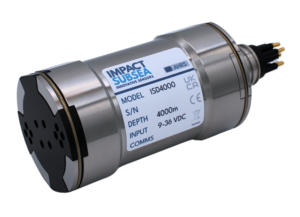
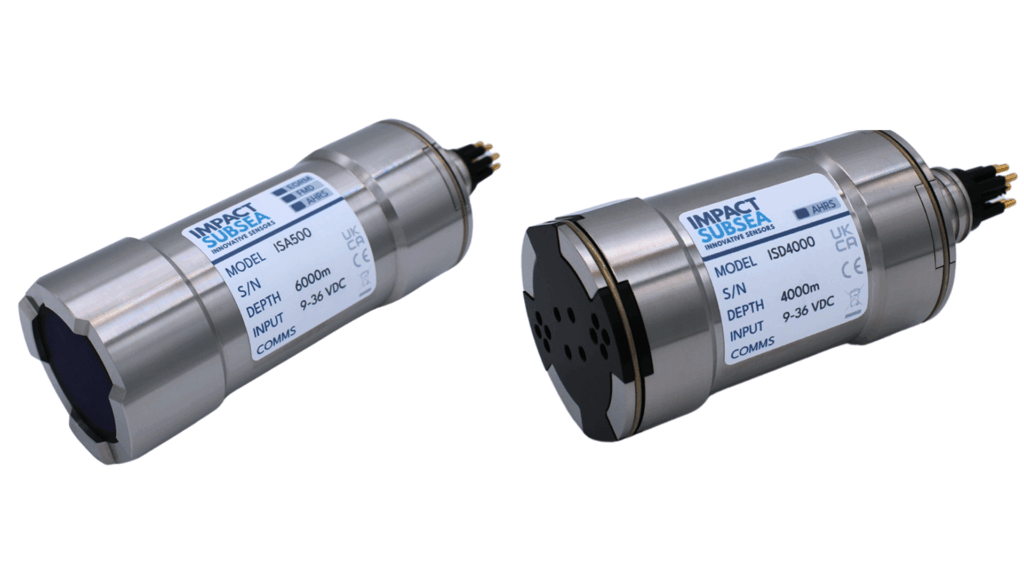
Impact Subsea highlights how its ISD4000 depth and temperature sensor delivers high accuracy subsea measurement with robust construction for long term marine deployments
Impact Subsea discusses the deep-water field testing of its ISA200 Altimeter and Echosounder at Loch Ness, Scotland, demonstrating strong and continuous return signals, clear echogram data, and stable altitude measurements during dynamic operation
D-2's ultra-compact Conductivity, Temperature, Depth (CTD) profiler delivers precise deep ocean data with low power use, easy integration, and real-time or standalone operation
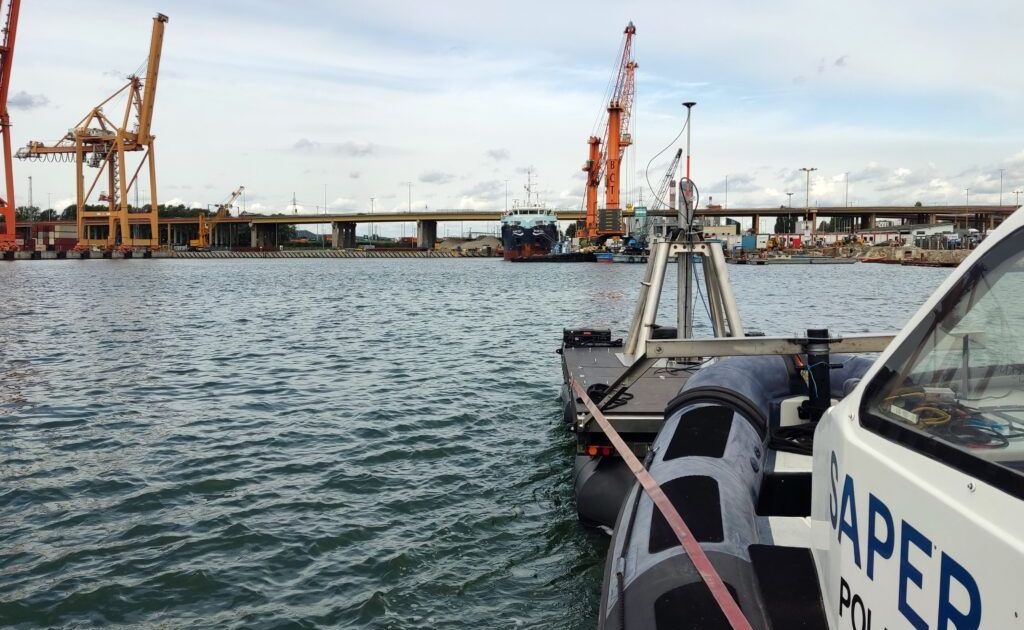
Impact Subsea’s ISA500 altimeter was selected by Explosive to provide reliable underwater distance measurements and accurate bathymetric data during seabed magnetometer surveys for dredging operations at the Port of Gdynia
Impact Subsea provided its ISD4000 depth sensors and ISA500 altimeters to Zupt, enabling accurate depth and altitude tracking during subsea template positioning