

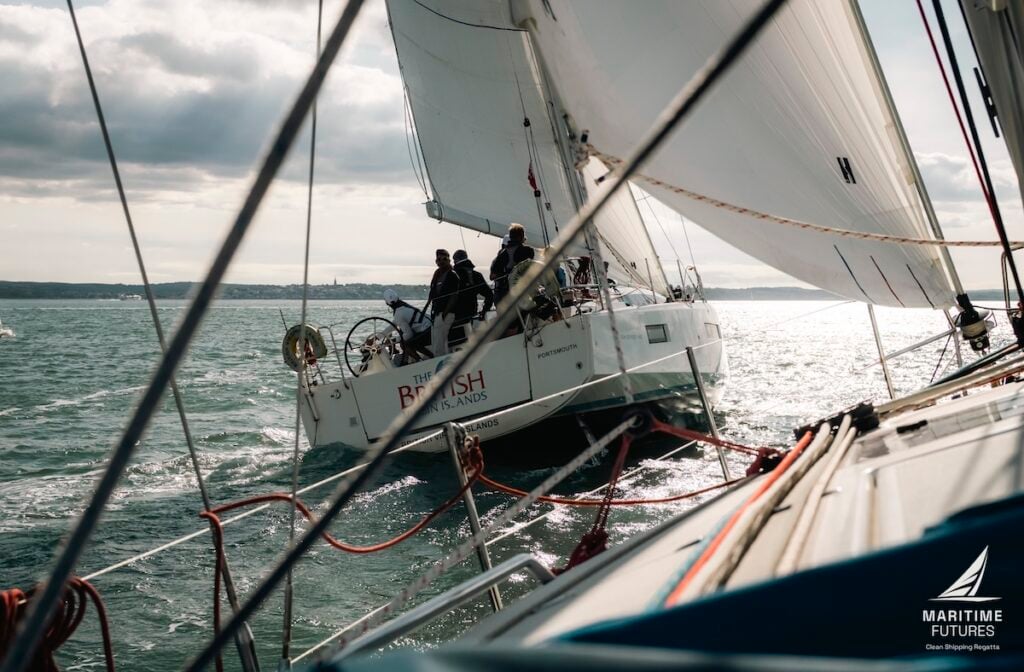
The Maritime Futures Clean Shipping Regatta, held on September 23rd at Port Solent Marina in Portsmouth, brought FT Technologies and other clean maritime technology providers together with shipowners, port authorities, investors, classification bodies, and policymakers to help transition sustainable marine technologies from funded demonstration to commercial deployment.
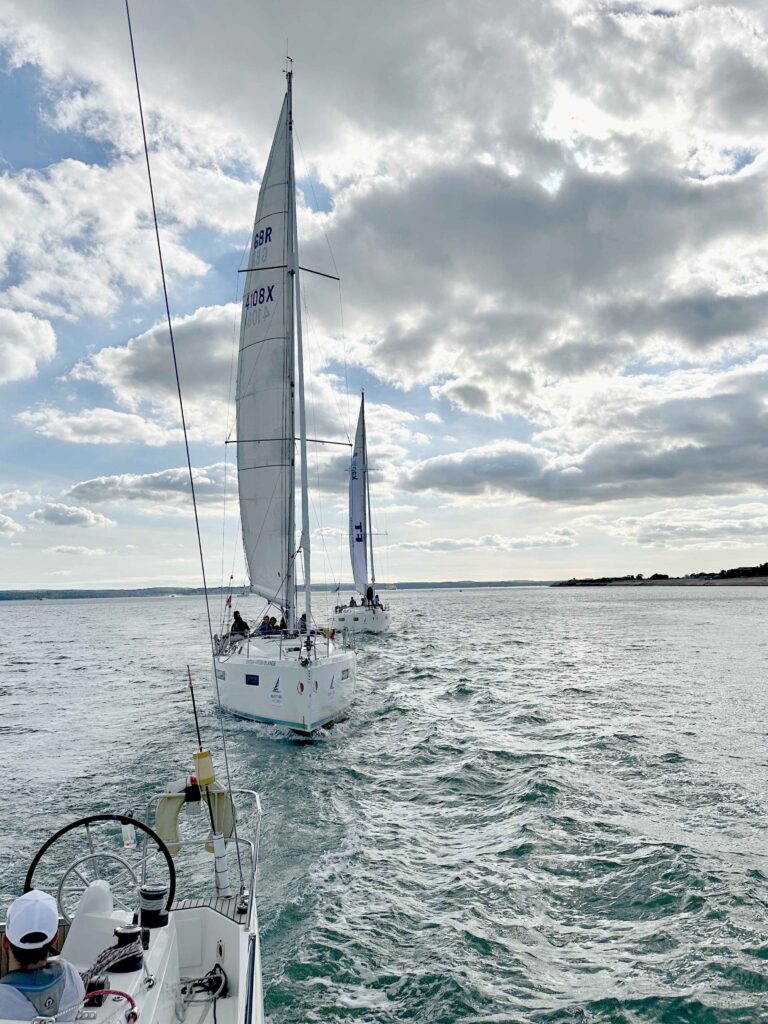
Organized and hosted by Kantar Advisory Partners and GT Wings, the industry event blended on-water racing across the Solent with an onshore Awards & Innovation Gala. Maritime delegates sailed alongside professional skippers and mates before attending technology pitches and an awards ceremony designed to provide stakeholders with direct experience of wind-powered marine performance.
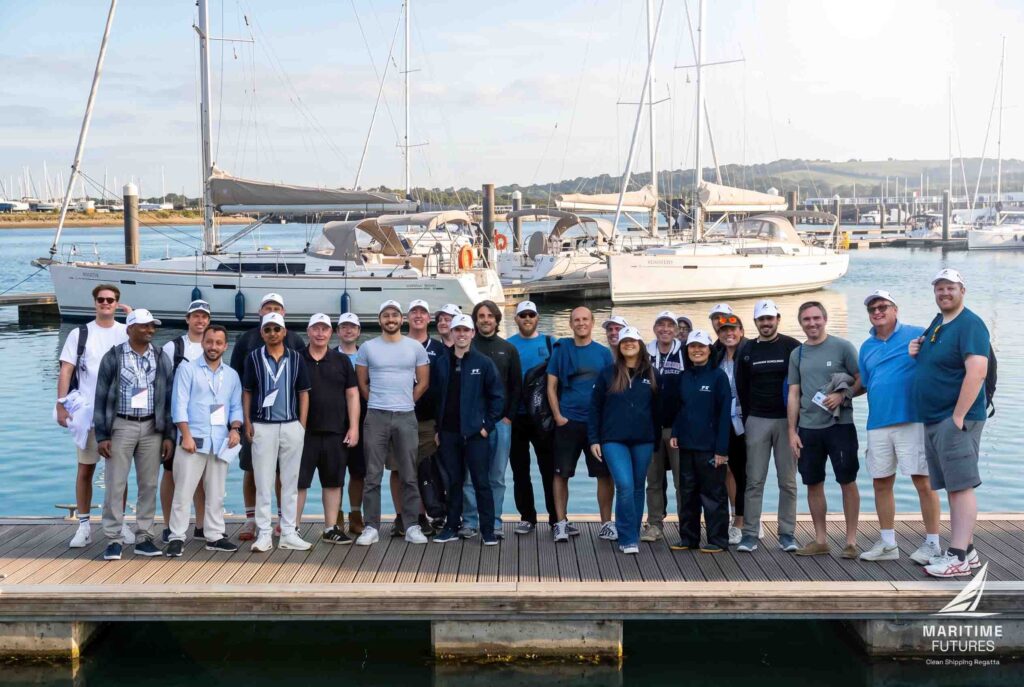
FT Technologies participated as an official technology partner, with Head of Business Development Chris Trodden presenting during the Technology Spotlight session alongside other innovators, including event showcase partner GT Wings. A central focus of the discussions centered on how competitive offshore sailing acts as a grueling proving ground for marine engineering, particularly in classes such as the hydro-foiling IMOCA fleet where yachts reach speeds of 40 knots and endure severe slamming loads.
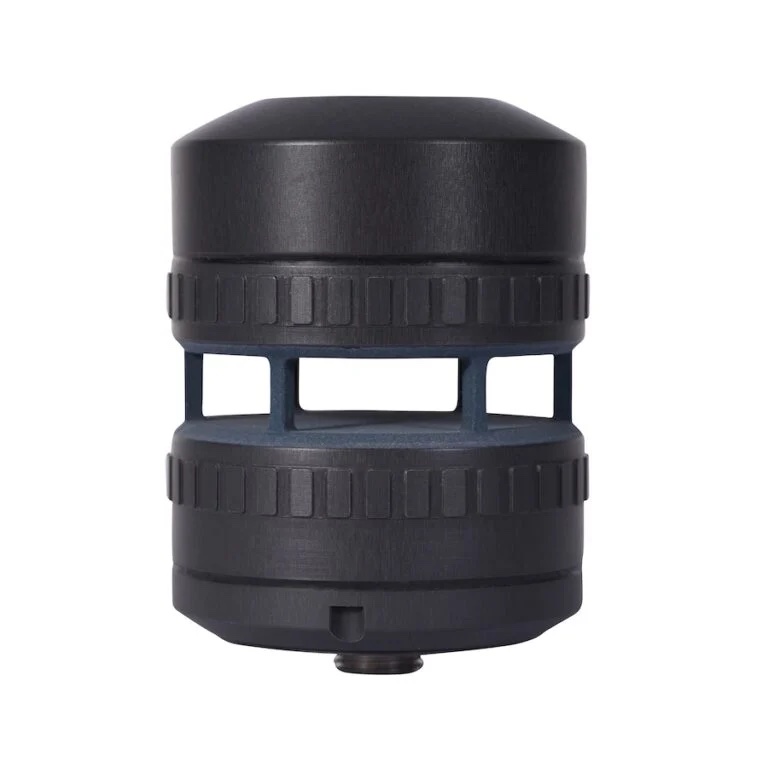
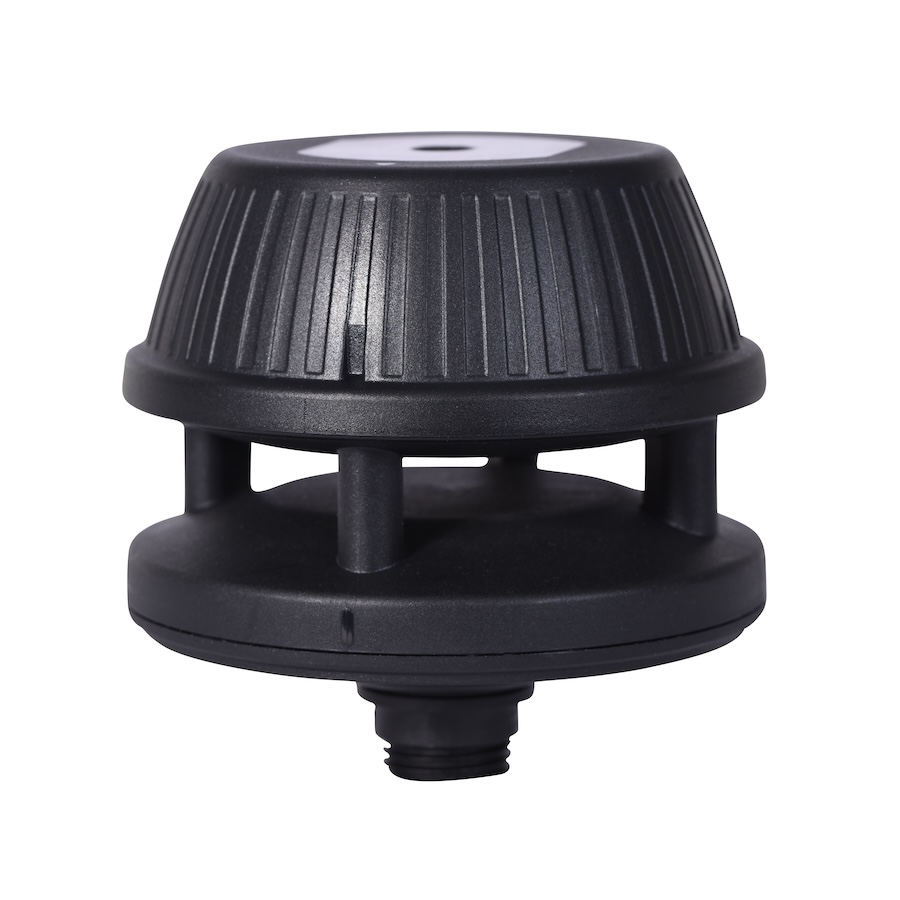
In these hostile racing environments, conventional mechanical wind sensors frequently struggle, accelerating a shift toward solid-state ultrasonic alternatives. In the most recent Vendée Globe, eight of the first eleven finishers relied on FT Technologies’ Acu-Res solid-state ultrasonic wind sensors, demonstrating the durability required for extreme ocean operations.
That operational resilience is directly applicable to commercial cargo operations as wind-assisted propulsion systems—including rigid wing sails, rotor sails, suction wings, and kites—emerge as primary pathways for lowering fuel consumption and greenhouse gas emissions. These automated systems require accurate, real-time measurements of apparent wind speed and angle to optimize wing and sail trim, as well as to determine when rigs should be deployed or feathered.
Commercial vessels carrying thousands of tonnes of cargo encounter oceanic challenges equivalent to solo sailors navigating the Southern Ocean, demanding sensors without moving parts that can operate reliably without wearing, freezing, or failing during long passages. In addition to vessel control, credible measured data is necessary for shipowners and charterers to substantiate verified fuel and emissions reductions for investors, insurers, and regulators.
With several collaborative projects underway to apply solid-state sensor technology across commercial wind-propulsion installations, Trodden noted the value of practical sector engagement, “It was brilliant to spend the day with such innovative companies in the clean-shipping arena and great to have the chance to discuss how FT is working with companies to make the most effective gains from their systems.”