

Underwater and Subsea Actuators
Discover cutting-edge solutions from leading global suppliers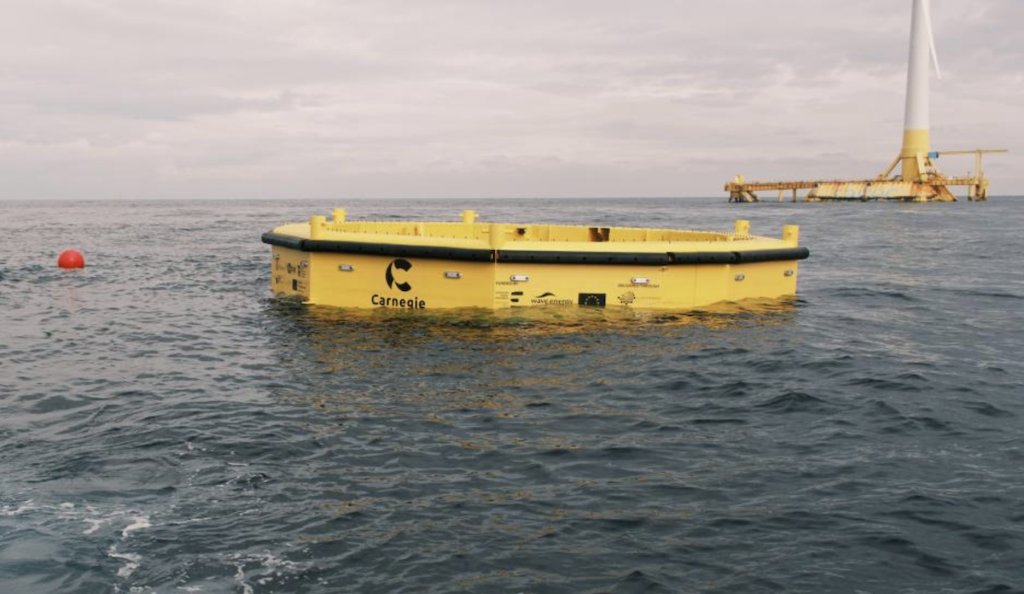
Carnegie has completed the first offshore deployment stage under the ACHIEVE Programme by positioning its CETO Buoyant Actuator at the Biscay Marine Energy Platform off the coast of Armintza in Spain’s Basque Country.
Before reaching the offshore site, three modular sections of the CETO Buoyant Actuator traveled from a local Basque fabricator to the Port of Bilbao for quayside assembly. Engineers lowered the assembled unit into the water via crane and docked it alongside the quay prior to transit. On Saturday, crews towed the device from the port to Carnegie’s pre-permitted offshore berth at the Biscay Marine Energy Platform and connected it to a custom-installed mooring and anchor system.
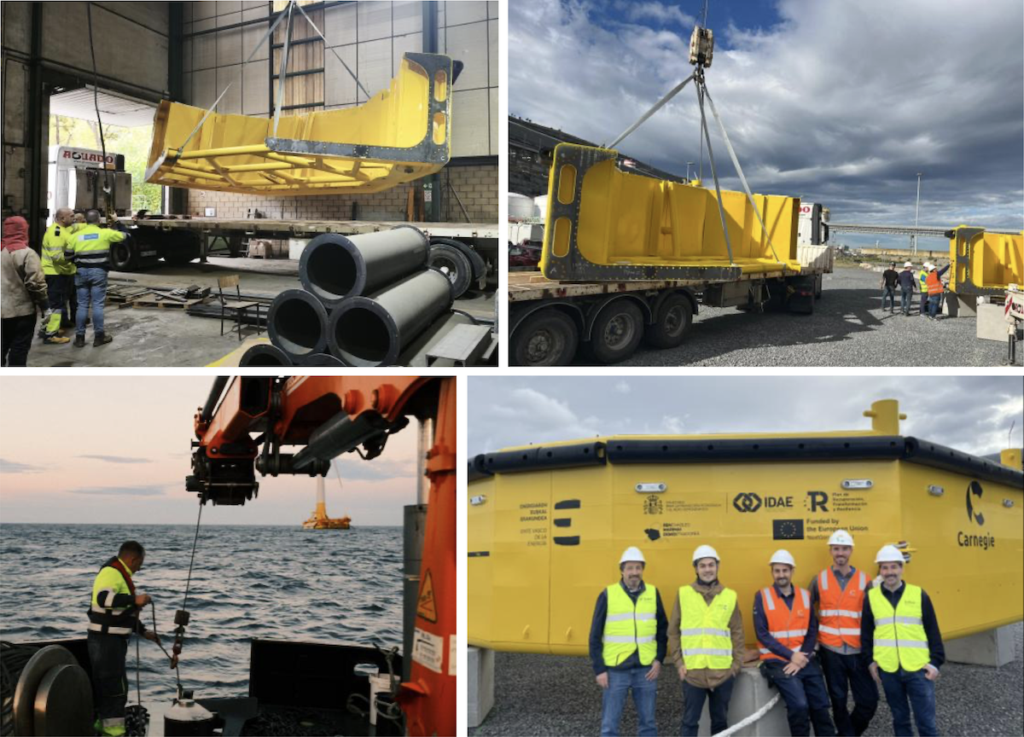
The short Stage 1 campaign is designed to validate marine procedures and observe how the Buoyant Actuator behaves under tow and at its berth in real ocean conditions. During the deployment, Carnegie secured operational clearances and authorisations from port and maritime authorities covering quayside assembly, heavy lifting, port and offshore transit, and offshore installation. The team also coordinated anchor and mooring deployment, towing procedures, vessel logistics, and offshore mooring hook-up under the leadership of Carnegie’s Chief Technology Officer, who brings experience from a prior CETO array deployment in Australia and ongoing CETO design and innovation work.
Carnegie Chief Executive Officer, Jonathan Fiévez, commented, “Seeing the CETO BA in the water offshore at the BiMEP site is a proud moment for everyone at Carnegie. It has taken a mammoth effort from our team in Bilbao to ensure the Stage 1 deployment has been a success. Whilst this is just the first stage of offshore campaign, the experience gained from this short deployment has increased our team’s capabilities and put us in a much stronger, more certain position as we push toward our full grid-connected Stage 2 deployment in European spring 2027. This is an ambitious project given the large technology leaps we’re taking so executing it in stages and conducting substantial onshore testing are important to manage risk.”
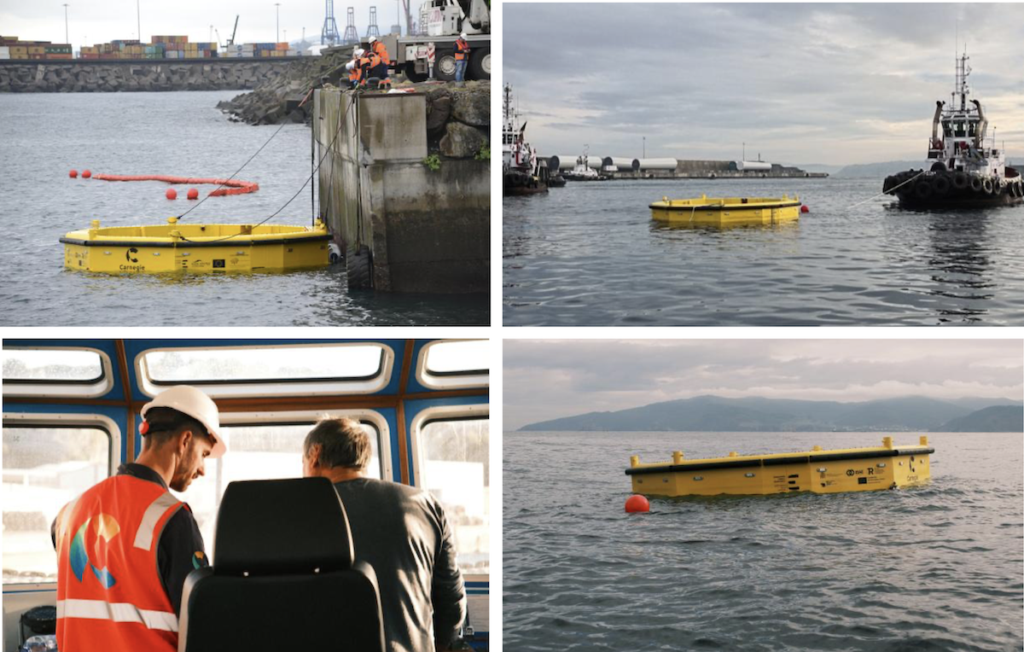
After a brief period offshore, the device will be retrieved and towed back to port to test retrieval logistics and supply chain readiness, with timing governed by maritime weather windows and vessel availability. Completing the Stage 1 offshore deployment activities also unlocks milestones and funding payments under the ACHIEVE Programme’s funding framework.
During the European winter months, the CETO Buoyant Actuator will remain onshore in port while PTO Modules undergo final local onshore testing alongside the Electrical Module. Those tests will simulate real ocean conditions to validate mechanical, electrical, control, and communications functions. Carnegie expects to proceed to Stage 2 in European spring 2027, deploying a fully integrated CETO system at the Biscay Marine Energy Platform and connecting it to the grid during more benign late-spring to summer conditions to simplify early troubleshooting before exposing the prototype to harsher seas later in the year.