The Global Sourcing Hub for Marine, Subsea & Offshore Technology
Discover cutting-edge solutions from leading global suppliers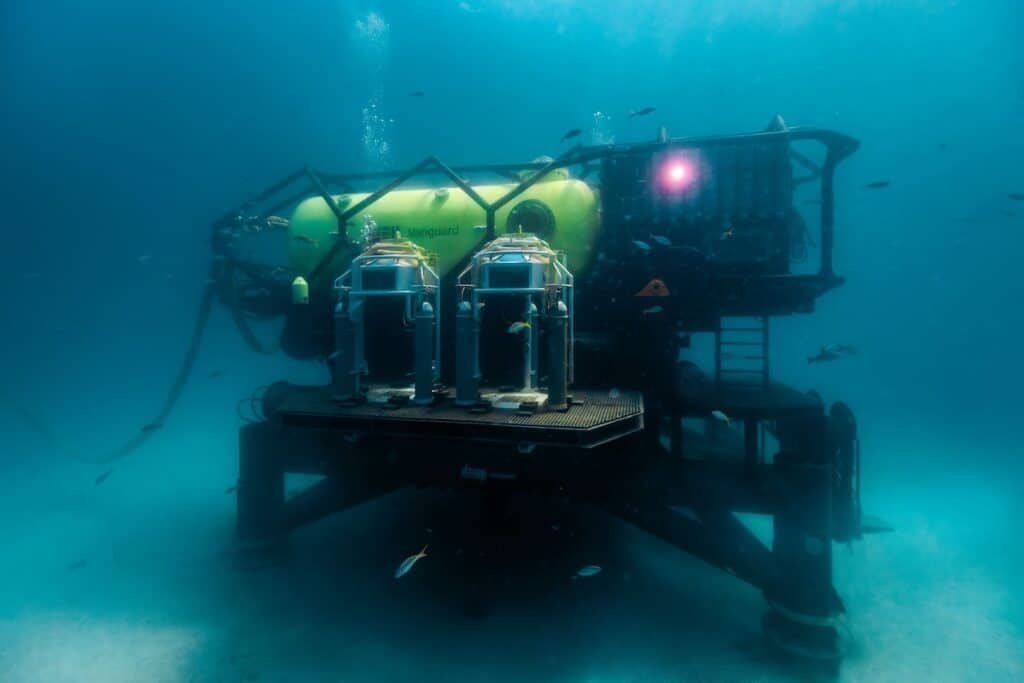
Subsea engineering firm Unique Group has delivered the complete supporting infrastructure for Vanguard, the first open-ocean human habitat deployed in United States waters in more than 40 years.
Installed on the seabed at Tennessee Reef within the Florida Keys National Marine Sanctuary, the habitat was developed by ocean engineering firm DEEP to enable teams of up to four aquanauts to live and work underwater during extended scientific and operational missions. The landmark project presented complex technical challenges, requiring infrastructure capable of supporting long-duration human presence while operating safely within a protected marine sanctuary and withstanding extreme environmental loads over a 20-year design life.
Unique Group managed the full engineering lifecycle for the habitat’s supporting infrastructure, spanning geophysical and geotechnical site investigations, structural and foundation engineering, fabrication, installation support, and life-support systems integration. The team conducted comprehensive bathymetric mapping, sub-bottom profiling, seabed sampling, and laboratory testing across candidate locations to validate site selection based on seabed characteristics, slope stability, and environmental sensitivity. Metocean assessments and extreme storm modeling defined the structural load cases required to ensure long-term integrity under Category 5 hurricane conditions.
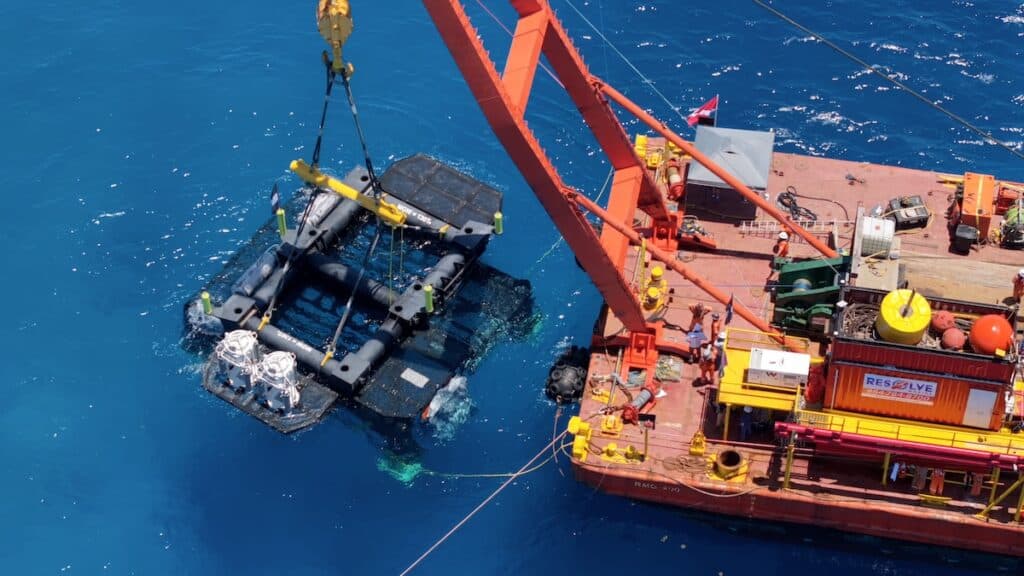
At the core of the installation is a DNV-standard gravity-base seabed foundation engineered by Unique Group, which combines ballast and drilled tethered piles to maintain long-term stability. The firm also engineered the habitat interface structure, oversaw fabrication in Louisiana, and supported construction and installation activities.
Beyond structural systems, Unique Group designed and supplied integrated fluid and gas control panels, emergency life-support provisions as part of the diver rescue strategy, safety refuges, a mooring spread, and a surface buoy umbilical. The scope also encompassed a bespoke interior fit-out featuring furniture designed specifically for extended underwater occupancy.
Project delivery relied on Unique Group’s multidisciplinary engineering hubs across four countries operating as a single integrated program. The UK hub directed structural and habitat design along with fabrication oversight, the US team in Louisiana managed fabrication and offshore execution, the South African team engineered the gas panel systems, and overall project management was coordinated through company headquarters in the United Arab Emirates to maintain DNV compliance.
“A subsea habitat is the kind of project an engineer might see once in a career. We had to design something that protects people at depth, survives a Category 5 hurricane, lasts 20 years, and earns DNV certification, all on a timeline most would call impossible,” said Dave Thompson, Group Engineering Director at Unique Group. “What made it work was our willingness to take on whatever the project needed, from the seabed survey to the foundation to the fit-out, and to solve problems in real time with one integrated team across four countries. We’re proud to have developed the infrastructure that enables DEEP to focus on advancing underwater science and exploration.”
For DEEP, Vanguard provides an operational platform to advance coral reef restoration, long-term environmental monitoring, marine science, human performance research, and future underwater operations.
“Vanguard demanded engineering that had to perform first time, at depth,” said Norman Smith, Chief Technology Officer at DEEP. “Unique Group brought the survey; structural and life-support expertise needed to match that ambition, together with the collaborative approach required to solve complex engineering challenges as the project evolved. Their contribution has been instrumental in making Vanguard a reality.”
The deployment demonstrates how integrated subsea engineering disciplines can support safe, long-duration human presence beneath the ocean surface, expanding the application of expertise across survey, structural engineering, life-support systems, and offshore execution from traditional energy sectors into renewables, marine science, and defense.