
The Global Sourcing Hub for Marine, Subsea & Offshore Technology
Discover cutting-edge solutions from leading global suppliers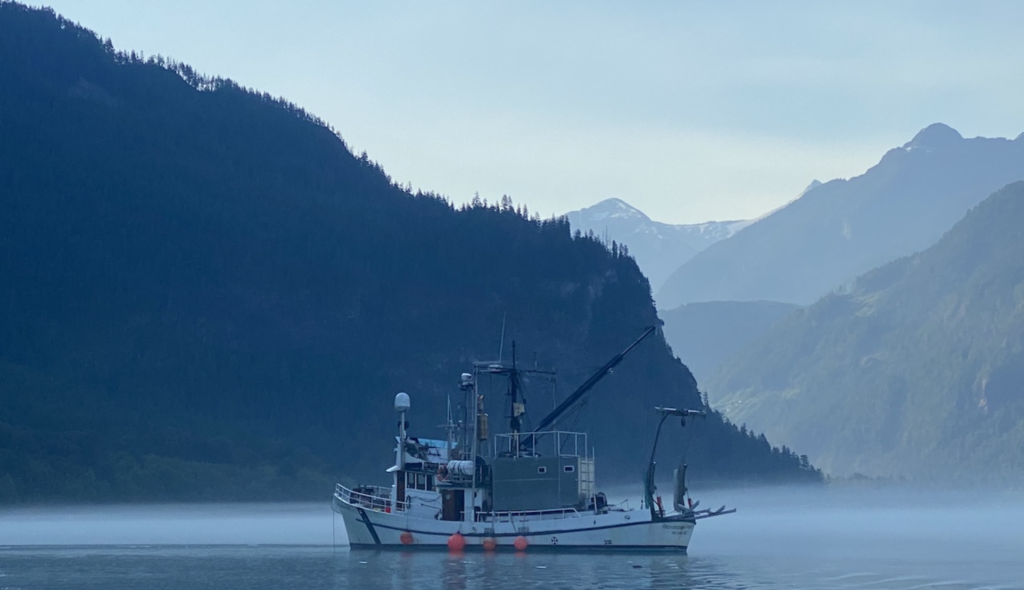
An international research team led by MBARI and Durham University has captured the first direct observations of active submarine landslides, revealing the physical mechanisms behind how these events initiate and evolve downslope.
Published in Science, the study was led by MBARI Research Specialist Rebecca Englert and Durham University Associate Professor Matthieu Cartigny, alongside collaborators from 10 institutions. While submarine landslides pose significant risks to offshore infrastructure, cause shoreline retreat, and impact marine ecology, their unpredictable nature has historically limited study to laboratory experiments and theoretical models.
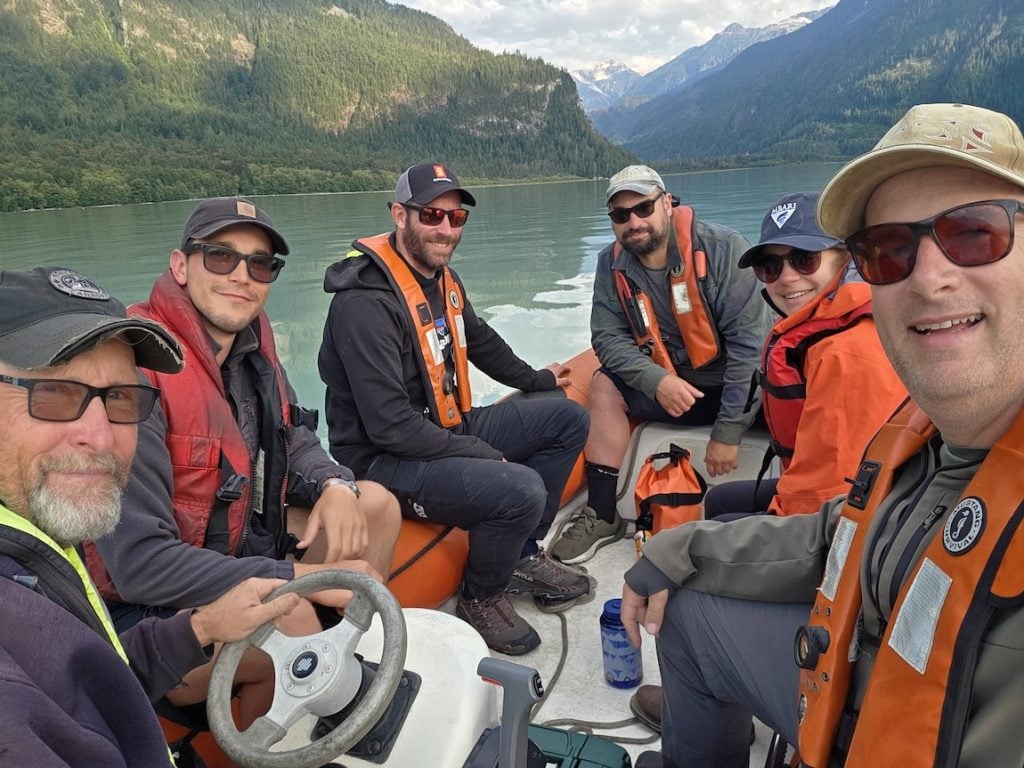
To observe these events naturally, the researchers deployed sonar systems, multibeam seafloor mapping, and moorings in the fast-flowing river mouth of the Homathko Delta, located at the head of British Columbia’s Bute Inlet. Each summer, seasonal snowmelt discharges heavy loads of sediment and carbon onto the delta, which connects to a 50-kilometer (31-mile) offshore submarine channel system. During an 18-day fieldwork campaign in 2022, the high-resolution monitoring setup recorded roughly 30 submarine landslides and logged detailed, direct observations of three active events.
The data revealed that landslides on the Homathko Delta Front originate from instabilities in water-saturated sediment where the river transitions into the fjord, driven by a failure mechanism known as breaching rather than liquefaction. During liquefaction, disturbances such as earthquakes or sediment loading force sediment grains to pack more tightly, increasing interstitial water pressure and triggering instantaneous collapse. In contrast, breaching occurs when a disturbance pushes sediment grains apart, reducing interstitial water pressure and creating a suctioning effect that temporarily strengthens the material. As water pressure gradually equalizes, the sediment undergoes slow, progressive failure over several minutes to hours.
Once initiated, these breach failures transform into turbidity currents, powerful, dense slurries of water and sediment capable of traveling several kilometers downslope. The study demonstrates that these events occur regularly and rapidly transfer carbon, pollutants, and coastal sediment to the deep seafloor.
Because similar conditions exist in other sandy deltas and submarine canyon heads worldwide, including Monterey Bay’s submarine canyon, the findings carry broad implications for marine hazard mitigation. Unlike other failure types, breach failures require distinct mitigation strategies, as their progression into long-traveling turbidity currents extends landslide hazards far beyond the immediate shoreline.
The research was conducted with the support of the Homalco First Nation and funded by the Royal Society, the Canada Foundation for Innovation, the Leverhulme Trust, the Natural Environment Research Council, the European Research Council, and the David and Lucile Packard Foundation.