The Global Sourcing Hub for Marine, Subsea & Offshore Technology
Discover cutting-edge solutions from leading global suppliers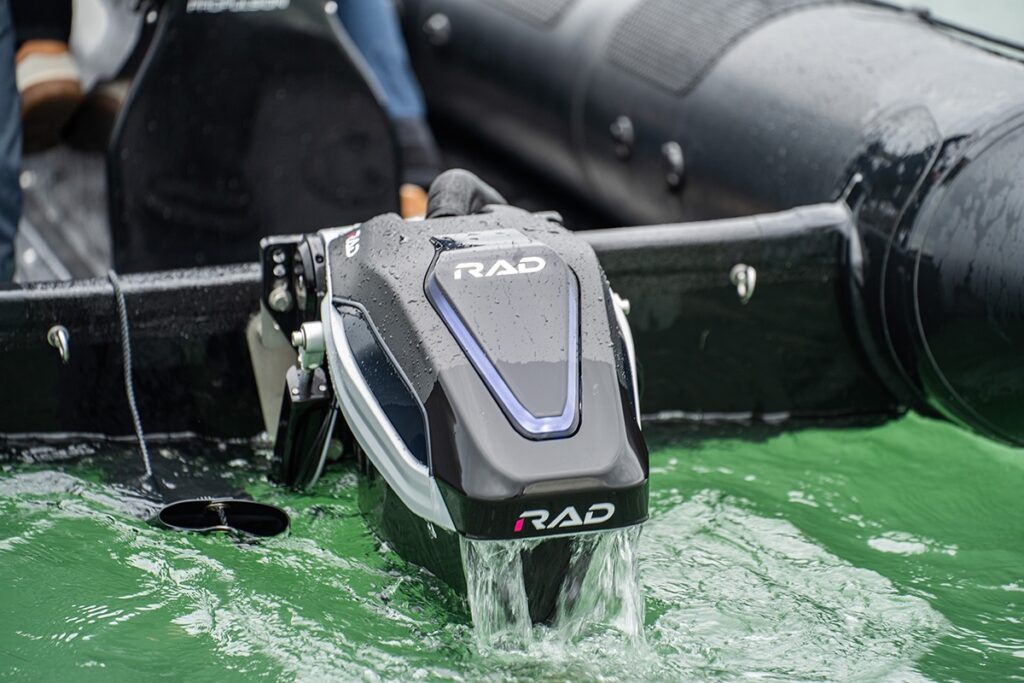
Marine technology company RAD has secured £4.4 million in a funding round led by Mercia Ventures to accelerate the commercialisation of its autonomous vessel technologies and expand its electric propulsion portfolio.
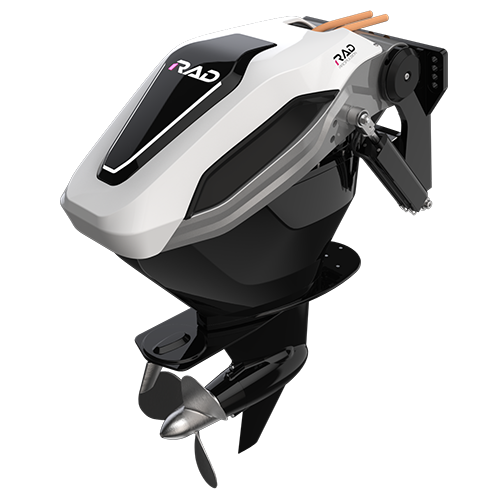
The investment follows a period of commercial and product momentum, highlighted by the launch of Axon, RAD’s open systems architecture for uncrewed and autonomous vessels. Debuted at the Combined Naval Event in May 2026, the architecture allows boat builders and operators to integrate autonomous capabilities rapidly while maintaining flexibility over software and autonomy providers.
Rich Daltry, RAD Co-CEO and founder, commented, “Autonomous marine systems are moving rapidly from concept to deployment, and the response to our Axon launch confirmed that RAD is well placed to capture this opportunity. We believe the industry is moving towards open, flexible vessel architectures that allow systems, autonomy software and mission applications to evolve independently. This funding gives us the runway to scale commercially, grow our electric propulsion systems portfolio and expand into key international markets. We’re grateful to both our new and existing investors for their continued belief in what we’re building.”
The funding round was led by Mercia Ventures, reflecting confidence in the company’s ability to scale complex marine engineering platforms. Ruth Coleman, investment manager at Mercia Ventures, said, “We watched electrification reshape road transport over the last decade. Marine is about to go through the same shift, and RAD is building the platform for it for manned and autonomous vessels alike.”
The newly raised capital will support several key strategic initiatives, including international expansion starting with the appointment of RAD’s first US based employee. The company also plans to expand its engineering team to meet growing demand from defence and commercial clients, alongside continued development of its energy management technologies and electric propulsion systems.