


Inertial Navigation Systems (INS)
Discover cutting-edge solutions from 5 leading global suppliers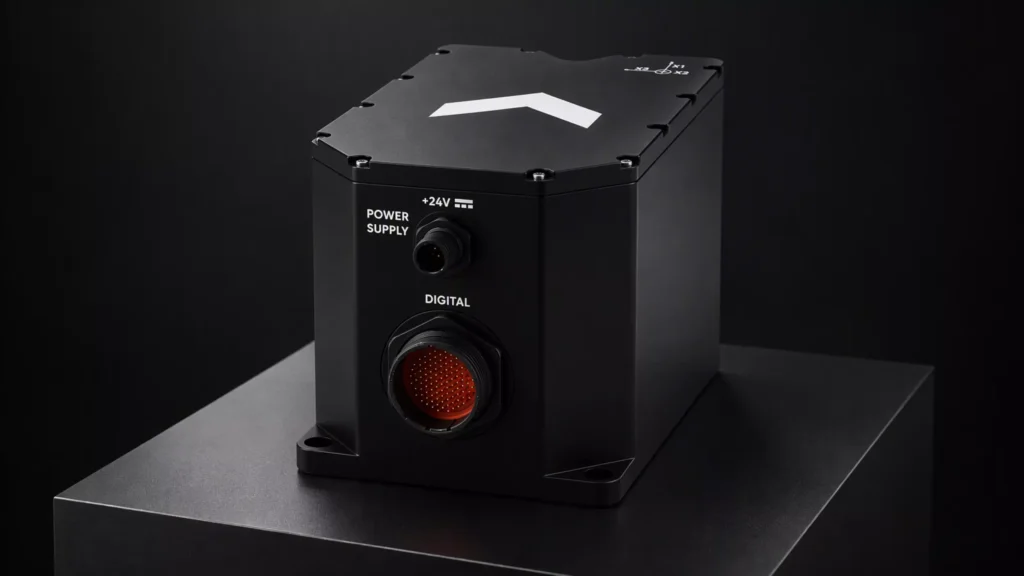
Exail has introduced the Marins M1, a compact inertial navigation system engineered to provide resilient, high-performance navigation for small naval craft and uncrewed maritime platforms.
Modern naval forces are deploying an increasingly diverse mix of major combatants, tactical craft, and autonomous systems. As smaller platforms—including Rigid-Hulled Inflatable Boats (RHIBs), fast interception craft, patrol boats, Uncrewed Surface Vessels (USVs), and Uncrewed Underwater Vehicles (UUVs)—take on demanding operational assignments, they require navigation that remains accurate and dependable when GNSS signals are degraded or unavailable. However, the tighter size, weight, power, and cost (SWaP-C) constraints typical of these smaller assets make integrating traditional high-performance inertial hardware particularly challenging.
The Marins M1 addresses these limitations by pairing a compact architecture with an accessible price point. Built on Exail’s sea-proven Fiber Optic Gyroscope (FOG) technology, the system delivers position, heading, roll, and pitch data in GNSS-denied environments, holding a maximum position drift of one nautical mile after three hours without external aiding.
Madeleine Laguarigue de Survilliers, Naval Navigation Product Manager at Exail, commented, “A RHIB or a USV operating without GNSS faces the same navigation challenge as a larger vessel, with far less room to address it. With Marins M1, we are making very high-performance FOG navigation accessible to these platforms in a system designed around their constraints.”
The introduction of the M1 expands Exail’s established Marins family, which is currently relied on by more than 50 navies worldwide. The system broadens the manufacturer’s military-grade portfolio to accommodate evolving fleet compositions spanning both crewed and autonomous vessels.