
The Global Sourcing Hub for Marine, Subsea & Offshore Technology
Discover cutting-edge solutions from leading global suppliers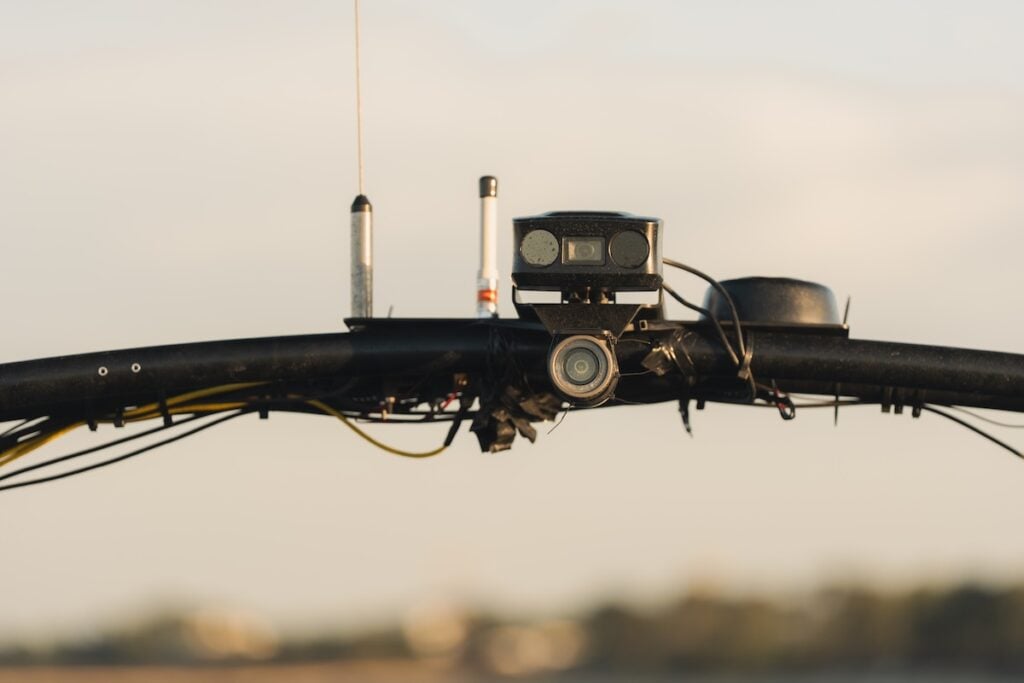
During the Portuguese Navy-led REPMUS 2026 exercise in Tróia and Sesimbra, maritime AI specialist SEA.AI integrated and field-tested its machine-vision technology across multiple crewed and uncrewed vessel platforms to evaluate a common perception layer for defence operations.
While conventional naval navigation relies heavily on active radar, satellite navigation (GNSS), and the Automatic Identification System (AIS), these primary sensors carry inherent vulnerabilities in contested environments. Active radar emits signals that adversaries can track, disrupt, or jam, while satellite navigation is vulnerable to GNSS spoofing—a growing issue in regions like the Baltic and Black Seas that feeds false position and timing data to uncrewed vessels. Because AIS depends on GNSS positioning, it inherits these same risks, highlighting the operational need for independent, passive detection systems.
By contrast, a passive machine-vision system creates an independent visual layer by continually analyzing live camera feeds. The software identifies and classifies non-signaling targets that other sensors or human eyes might miss, including small or unlit craft, floating debris, and individuals in the water. SEA.AI originally developed this core technology for high-speed offshore ocean racing, training its detection models since 2018 on real-world maritime imagery across recreational, commercial, and civilian deployments involving more than 1,300 vessels.
“Maritime is ready to adopt machine vision as a key sensor, just as other industries have. Eight years of development and more than 1,300 vessels in civilian use back that up. In naval operations, and especially on unmanned platforms, machine vision has a real role to play, closing the perception gap that radar and AIS leave open. REPMUS, across numerous platforms, is where we show that shift taking place in defence too,” commented Marcus Warrelmann, CEO of SEA.AI.
Miguel Pedro, Portugal Country Manager and Product Owner at SEA.AI, added, “Years of training with real-world maritime data are what give our detection system its strength. Radar and AIS remain important, but they do not provide the complete picture on their own. Machine vision adds another layer, helping vessels detect objects that other sensors, and sometimes even the human eye, can miss.”
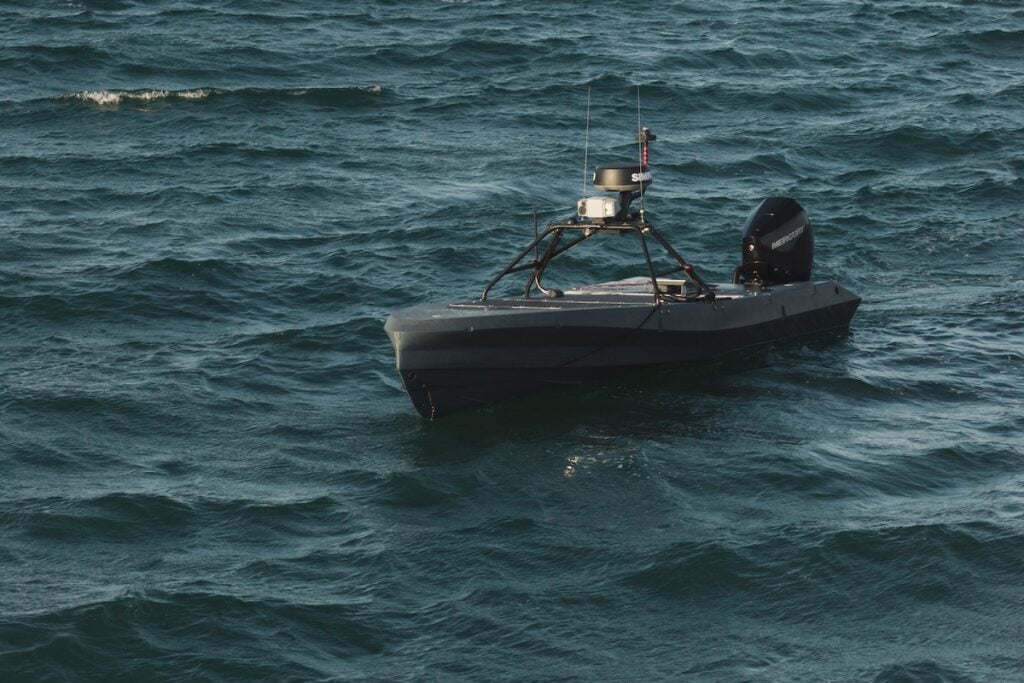
The exercise, which brought together 36 nations from 31 August to 25 September, served as SEA.AI’s broadest multi-platform integration in a defence setting to date. Collaborating with multiple uncrewed surface vessel (USV) developers, SEA.AI worked alongside Maritime Robotics to evaluate optical detection alongside existing autonomous navigation suites on coastal and open-ocean platforms.
“Good autonomy starts with good situational awareness. A USV needs to detect and understand its surroundings just as reliably as it controls its course. Integrating SEA.AI’s machine vision gives us an additional optical layer to evaluate alongside our existing systems, and REPMUS provides the ideal setting to demonstrate how sensors and platforms from different partners can work together,” said Vegard Evjen Hovstein, CEO of Maritime Robotics
The trials also included SM300 uncrewed surface vessels from UK–New Zealand manufacturer SYOS Aerospace, building on an integration partnership established in 2024 to support autonomous operations in complex environments. Furthermore, the Portuguese Navy deployed the optical AI system on USV Shiver, an uncrewed platform engineered in-house by naval engineers.
“We got this partnership going with SEA.AI to test the product during the exercise, and the main reason we chose it specifically is that it has AI embedded in the camera system, giving us an extra layer of detection for vessels and objects at sea that helps unload the operator from the overflow of information they have to process today — it’s like getting the warning before the warning is real,” said Pedro Pereira, Project Lead, USV Shiver, Portuguese Navy. “We’re getting positive detections that are very useful for our panoramic view and vessel identification, and it’s another layer that confirms radar detection. We’re happy with the performance and are considering integrating it into our future projects.”
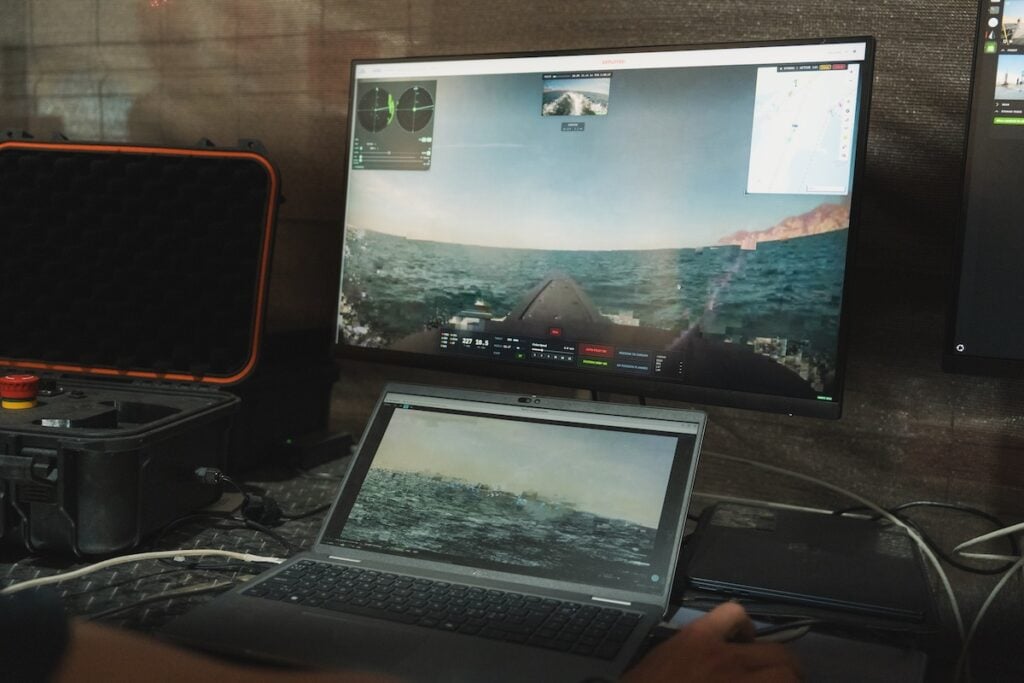
Polar Mist Technologies likewise selected the SEA.AI Sentry system to expand the sensor stack of its payload-agnostic USVs, which are designed specifically for GPS-independent and communications-resilient missions.
Gustaf von Grothusen, CEO of Polar Mist Technologies, said, “From the start, we have designed our systems for an affordable mass. At the same time, the military should have configuration options: equip the unmanned fleet according to what threats they see and what they need to accomplish, while still maintaining control of cost. With this SEA.AI Sentry integration we have demonstrated exactly that freedom in live trials here at REPMUS and added a world class day-and-night ISR capability on the fly. Our militaries can today configure a fleet, make it maximally capable per tax dollar, and deploy.”
By establishing a unified perception layer across diverse hull designs, autonomy software, and mission profiles, the exercise demonstrated that navies and manufacturers can enhance situational awareness without duplicating baseline perception development for every platform.
“REPMUS is designed to test capabilities in realistic conditions and to explore how technologies from different partners can operate together. Integrating a common perception system across several platforms provided useful evidence of its maturity and interoperability,” commented Captain Caldeira de Carvalho, CEOM Director.