The Global Sourcing Hub for Marine, Subsea & Offshore Technology
Discover cutting-edge solutions from leading global suppliers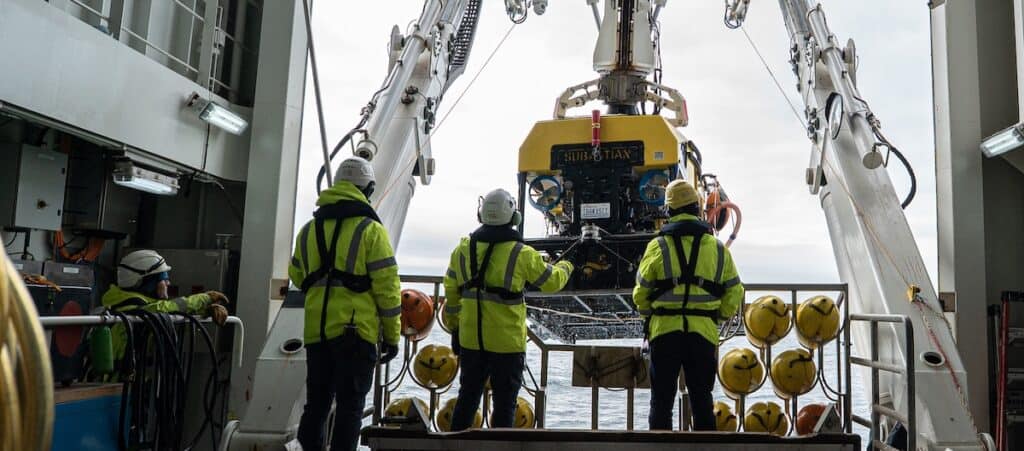
Ocean Census–JAMSTEC’s international scientific team exploring Japan’s Exclusive Economic Zone has confirmed 38 new species and identified 28 potential new species following ten deep-sea submersible dives into oceanic trenches and seamounts.
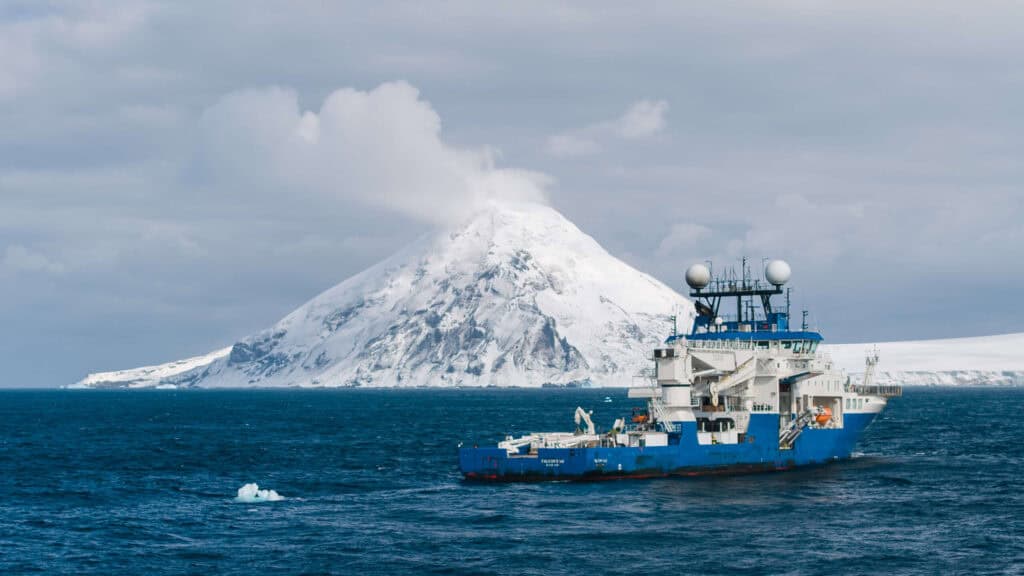
The 20-day Ocean Census–JAMSTEC expedition brought together researchers from the Japan Agency for Marine-Earth Science and Technology (JAMSTEC), Ocean Census, Nagoya University, Hokkaido University, and the Australian National University. Utilizing JAMSTEC’s research vessel Yokosuka and the crewed submersible Shinkai 6500, the team surveyed methane seeps and volcanic seamounts across the Nankai Trough and the Shichiyo Seamount Chain.
Specific scientific outcomes led by Dr Chong Chen, Senior Scientist with Tenure at JAMSTEC, are reshaping assumptions regarding the distribution and evolutionary adaptations of deep-sea fauna. Dr Chen’s investigations into predatory deep-sea snails of the genus Phymorhynchus analyzed 180 specimens gathered from the Atlantic, Pacific, and Indian Oceans, including those retrieved during the Shinkai expedition. Using molecular barcoding and morphological analysis, researchers identified six distinct species and established that several possess remarkably wide geographic distributions. Species such as Phymorhynchus starmeri and Phymorhynchus moskalevi were found across vast ocean distances, with P. moskalevi demonstrating an almost global range across vent and seep environments.
The expedition work also enabled the formal description of Thyasira okutanii, a new species of deep-sea clam discovered at cold seeps in the Nankai Trough and Sagami Bay. The bivalve hosts chemosynthetic bacteria within its gills, allowing it to generate energy from chemical reactions without sunlight. Morphological and genetic evaluations confirmed T. okutanii as a distinct species that shares structural similarities with Thyasira sarsi, a bivalve native to the North Atlantic and Arctic Oceans.
To streamline the taxonomy process, researchers gathered at JAMSTEC headquarters in Yokosuka for a Species Discovery Workshop in October 2025. The collaborative event targeted the traditional discovery-to-description pipeline, allowing scientists to confirm species identities and coordinate multi-institution publishing efforts. Analysis of the gathered specimens remains ongoing, with further biological descriptions anticipated as research continues.
Read the full article and find the research papers on the Ocean Census website.