The Global Sourcing Hub for Marine, Subsea & Offshore Technology
Discover cutting-edge solutions from leading global suppliers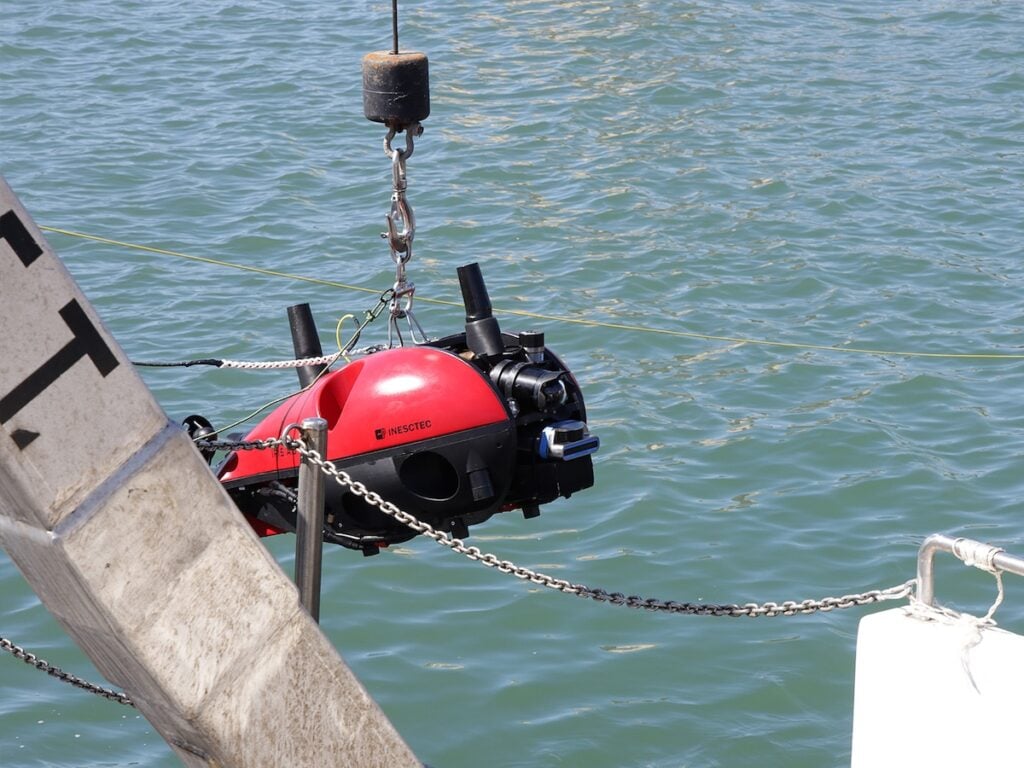
The NETTAG+ initiative has received the Atlantic-WestMED Project Award 2026 in the Biodiversity, Healthy Oceans and Resilient Coasts category for its pioneering deployment of autonomous robotic solutions to detect and retrieve abandoned fishing gear across European waters.
According to data from the World Wildlife Fund (WWF), abandoned, lost, or discarded fishing gear accounts for at least 10% of total marine litter worldwide, while a European Commission study indicates that this proportion rises to 27% within the European Union. To address this environmental and economic threat, a consortium of 15 partners across seven countries—including research institution INESC TEC, CIIMAR, and the Associação Pró-Maior Segurança dos Homens e do Mar (APMSHM)—collaborated under the EU-funded Horizon Europe programme to build practical prevention, mitigation, and recovery frameworks.
Acknowledging the honor, the NETTAG+ team stressed that “this award belongs to the entire consortium and to all the fishers and partners who shared their knowledge and experience throughout the project”.
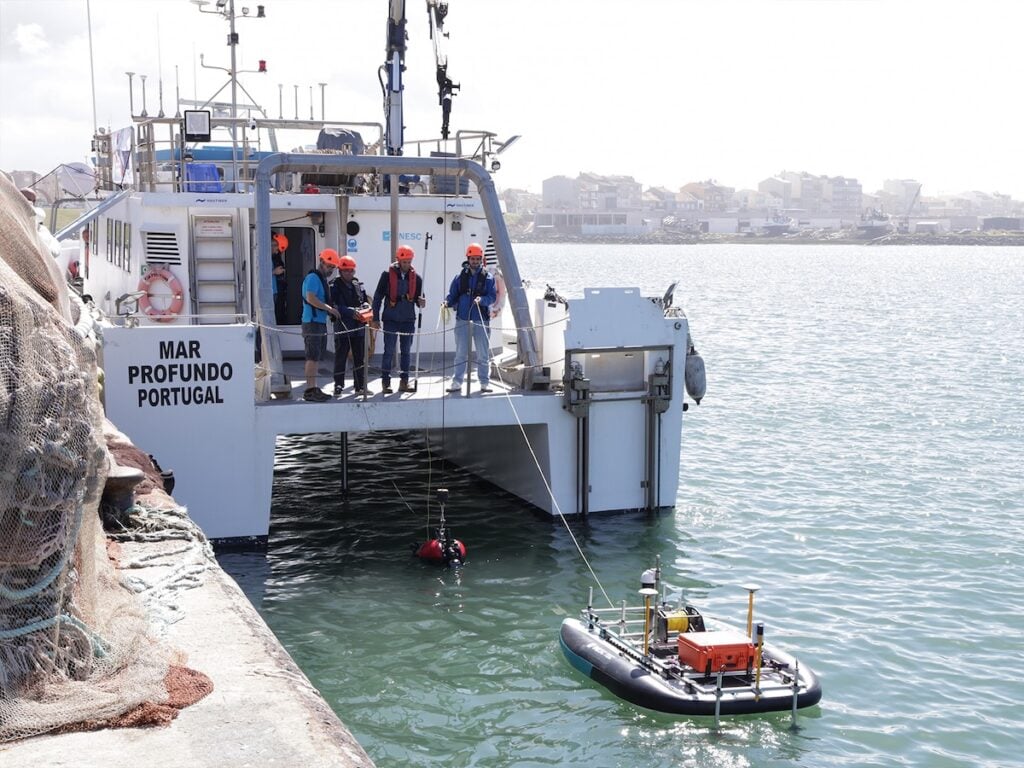
The technological focus of the initiative centers on robotic detection systems, notably the IRIS autonomous vehicle, which recently completed live retrieval demonstrations alongside INESC TEC’s research vessel, “Mar Profundo,” at the Póvoa de Varzim fishing port following a scientific workshop at the Vila do Conde Municipal Auditorium. Alfredo Martins, a senior researcher at INESC TEC involved in the project who also teaches at the Instituto Superior de Engenharia do Porto (ISEP), explained that the IRIS robot “can locate fishing gear in two ways”.
The primary method involves gear pre-equipped with tracking devices. Martins noted that the “first is when it is used to locate fishing gear fitted with acoustic tracking identifiers, developed as part of the NETTAG and NETTAG+ projects.” These identification devices make it possible to “tag fishing gear, enabling it to be located at a later stage”. When deployed, IRIS uses an “acoustic transponder [transmitter-receiver device], which can interrogate a given coded acoustic tag”. As Martins described. “Based on the response, which only replies to the code transmitted by IRIS, the distance to the tag can be determined. By carrying out multiple interrogations from different points, IRIS can determine the precise location of the tag”.
To address scenarios without prior tagging—which represents the most common case—IRIS relies on an “imaging sonar that produces an acoustic image of the surrounding environment”. Martins detailed, “This image is processed by artificial intelligence algorithms to detect and identify fishing gear,” after which a participating fishing vessel travels to the designated location to retrieve the lost gear.
Field validation involved direct collaboration with maritime operators across Portugal, Croatia, Italy, and Spain. Martins highlighted that the technical solutions “were met with great enthusiasm”, noting that “As part of the project, testing and validation missions were carried out with the participation of fishers in Portugal, Croatia, Italy and Spain,” and that acoustic detection systems “are already essential for identifying fishing resources and supporting fishing activities, particularly vessel navigation and operations”.
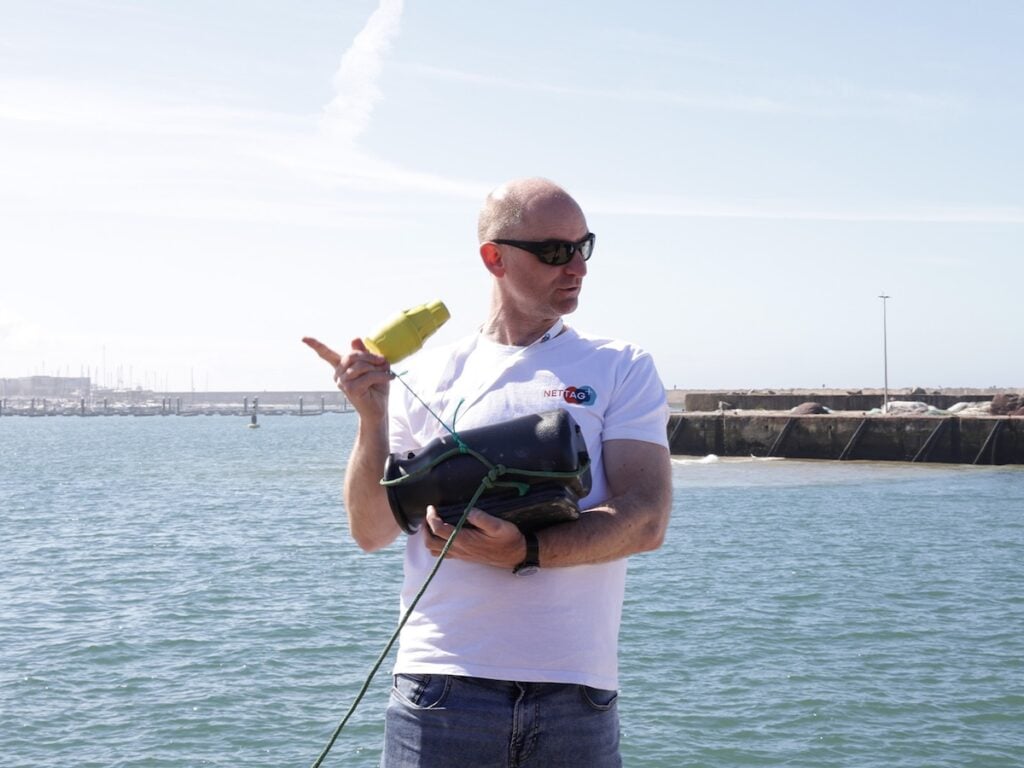
Regarding broader implications, Martins stated, “NETTAG+ solutions focus not only on technologies to minimise the impact of fishing, or to mitigate and locate lost fishing gear, but also on activities that promote the role of fishers as guardians of the sea,” adding that “These technologies have a positive impact on the preservation of marine ecosystems by providing tools to support the mapping, detection and removal of marine litter. At the same time, the fishing communities have become more aware of their important role in promoting a healthy ocean.”
While some outputs “are already commercially available, such as the acoustic tags”, other components “still require industrialisation and technology transfer processes” as the project team considers next steps.