
The Global Sourcing Hub for Marine, Subsea & Offshore Technology
Discover cutting-edge solutions from leading global suppliers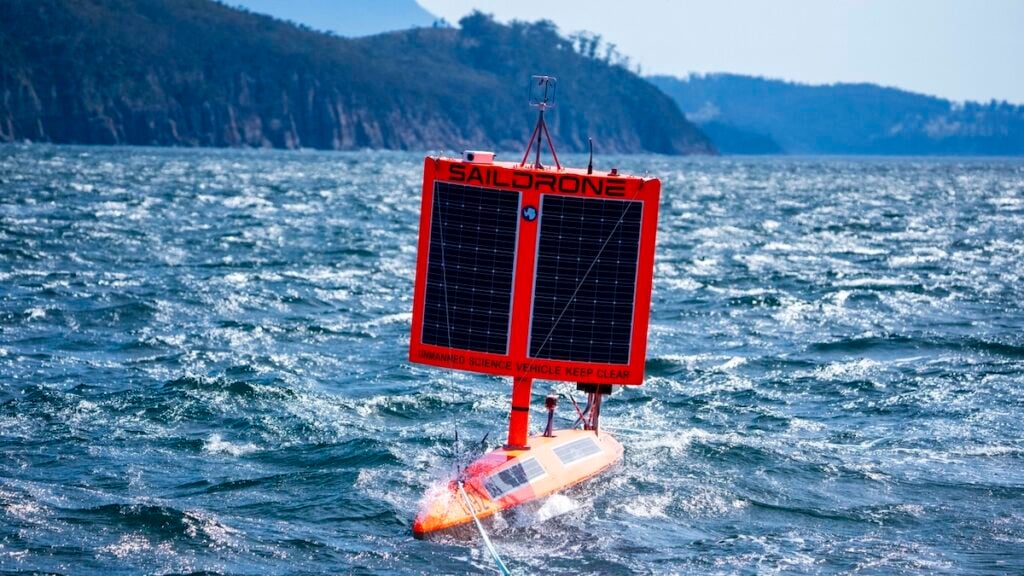
A multi-agency oceanographic initiative has begun deploying uncrewed surface vehicles on a five-year mission to circumnavigate Antarctica and measure critical Southern Ocean carbon exchange during extreme winter conditions.
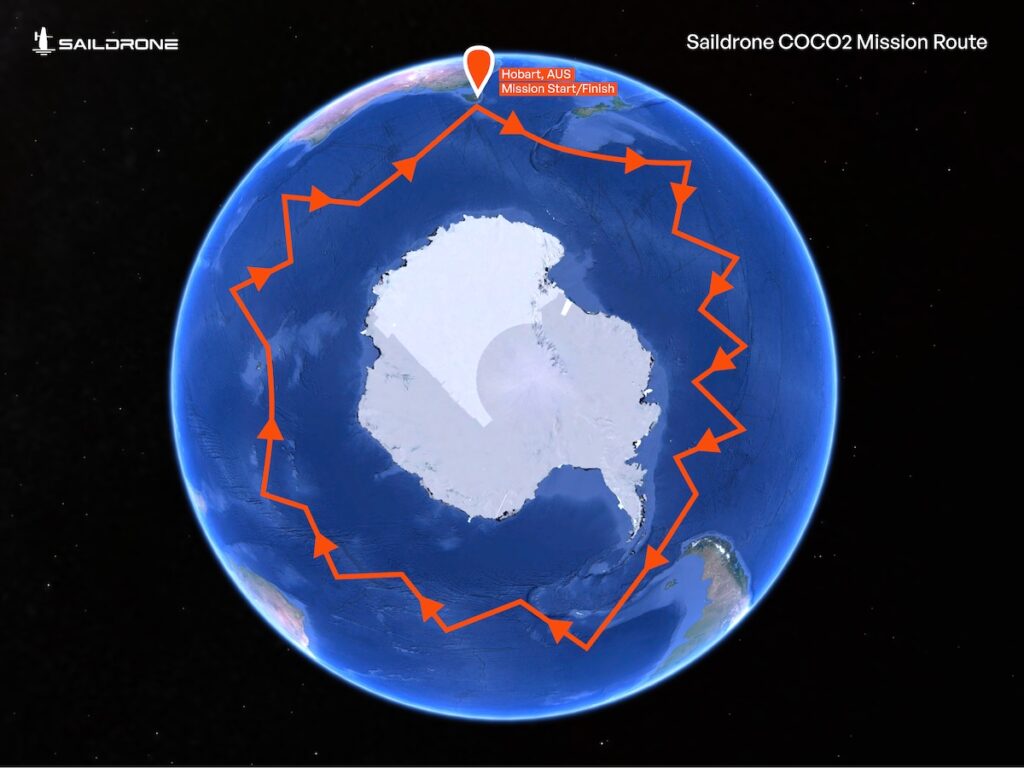
On September 19, 2026, the first of four instrumented Saildrone Explorer uncrewed surface vehicles departed from Hobart, Tasmania, marking the launch of the Constraining Ocean Carbon with Optimized Observing (COCO2) project. Led by researchers at NOAA, Columbia University, and Australia’s Commonwealth Scientific and Industrial Research Organisation (CSIRO), the initiative will deploy three additional Saildrones at three-month intervals throughout 2027. The project team also includes scientists from the University of Washington and South Africa’s Council for Scientific and Industrial Research, with funding provided by Schmidt Sciences.
The global ocean stores approximately one-third of the carbon dioxide absorbed from the atmosphere each year, with scientists estimating that the Southern Ocean accounts for 40% of that total. Despite its importance, vast distances and severe weather have historically discouraged traditional ship-borne research, creating significant gaps in understanding how much carbon dioxide the waters absorb during the winter months.
“The global ocean is Earth’s largest carbon sink, and the Southern Ocean plays an outsized role,” Sutton said. “With COCO2 we are filling a critical knowledge gap by adding observations during winter — something we have not been able to do with traditional oceanographic tools.”
Saildrones operate as remotely controlled mobile research platforms propelled by the wind, using solar-powered onboard systems to remain deployed in distant waters for extended periods while transmitting data in near-real time. As each vehicle completes a roughly 12,000-mile circumnavigation of Antarctica, it will navigate along routes identified by AI-driven ocean-air models designed to intersect with high-value target areas. Following each voyage around the South Pole, vehicles return to port for maintenance and refurbishment before redeployment.
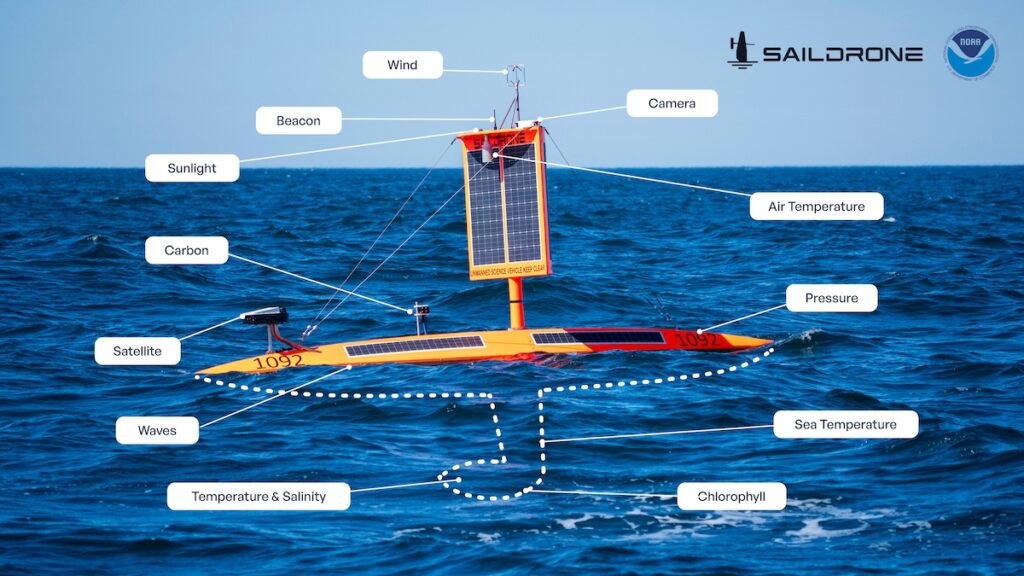
Onboard instrumentation continuously takes direct measurements of carbon dioxide exchanged between the air and sea, alongside wind speed and direction, barometric pressure, solar radiation, relative humidity, air temperature, sea surface temperature, salinity, chlorophyll, and dissolved oxygen. Data collected by the drones is routed through automated processes at NOAA’s Pacific Marine Environmental Laboratory (PMEL) to scientific users and the World Meteorological Organization’s Global Telecommunication System for use in global weather models.
What distinguishes the Southern Ocean is that it is bounded not by landmasses, but by the Antarctic Circumpolar Current, whose continuous motion drives a massive exchange of heat and carbon between the atmosphere and ocean depths. Scientists long assumed the region steadily absorbed large volumes of carbon dioxide, but findings from a 2019 PMEL Saildrone mission revealed that deep, carbon-enriched water churned to the surface during winter could emit carbon dioxide instead of absorbing it. That expedition also verified that the uncrewed platforms could survive and collect high-quality data in some of the most hostile conditions on Earth.
COCO2 represents the first extended multi-vehicle autonomous campaign in the Southern Ocean, entering the region when winter conditions generate hurricane-force winds and violent currents that influence global climate patterns.
“Saildrones will give us unprecedented coverage of regions that we can’t get to with research vessels or commercial ships in winter,” Shadwick said.
“Getting the ocean’s carbon balance right is urgently important, but the Southern Ocean is one of Earth’s harshest environments and notoriously difficult to observe,” Sutton said. “This autonomous AI-directed ocean tech that takes on the risk of sailing in Southern Ocean storms is truly game-changing.”