The Global Sourcing Hub for Marine, Subsea & Offshore Technology
Discover cutting-edge solutions from leading global suppliers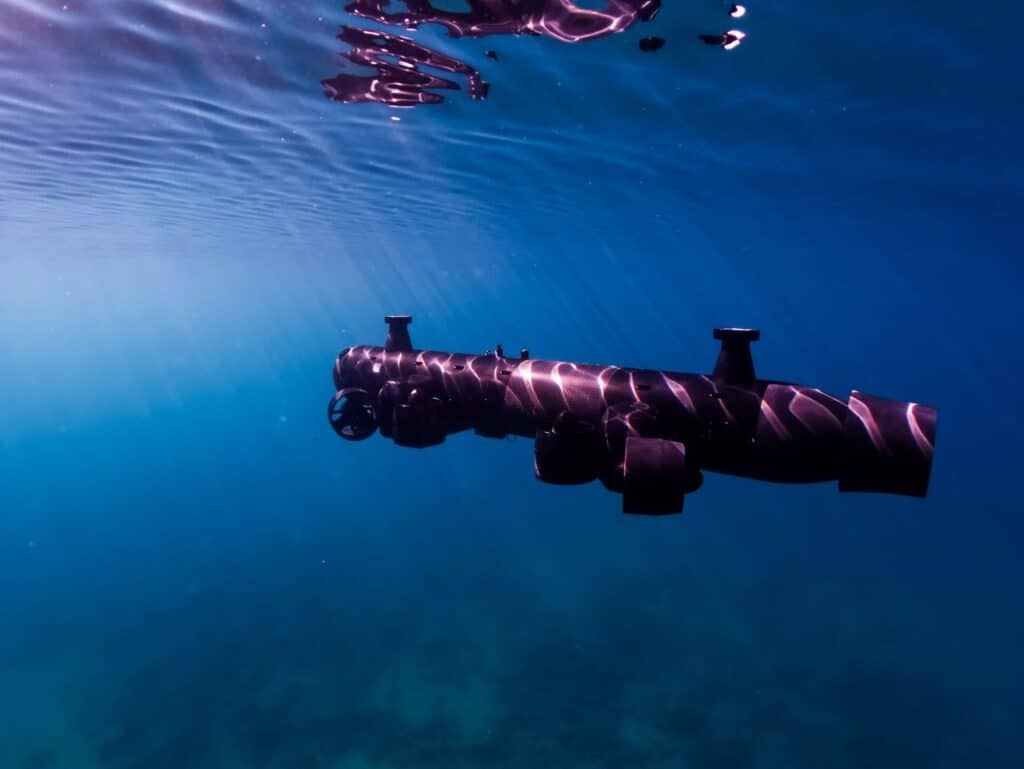
Ocean technology company Ulysses has partnered with the Nippon Foundation-GEBCO Seabed 2030 Project to scale up global bathymetric data collection using autonomous marine systems.
Founded in 2023, Ulysses develops networked fleets of autonomous surface and underwater vehicles designed to operate at scale across marine environments. By combining advanced sensing, robotics, and data collection technologies, the company’s autonomous systems support applications ranging from habitat restoration and environmental monitoring to bathymetric mapping.
The collaboration leverages these robotic platforms to expand both the coverage and efficiency of surveying difficult-to-reach areas of the seafloor.
Seabed 2030 is a collaborative project between The Nippon Foundation and the General Bathymetric Chart of the Oceans (GEBCO), formally endorsed as a Decade Action of the UN Ocean Decade. GEBCO is a joint programme of the International Hydrographic Organization (IHO) and the Intergovernmental Oceanographic Commission (IOC) of UNESCO, representing the only organization with an official mandate to map the entire ocean floor. The project aims to inspire complete ocean mapping and compile all gathered survey data into the publicly accessible GEBCO Ocean Map.
Jamie McMichael-Phillips, Seabed 2030 Director, commented, “Much of the ocean remains unmapped, and accelerating progress will require new approaches to how bathymetric data is collected. Autonomous technologies are opening up exciting possibilities for gathering ocean data in a more scalable and efficient way – particularly in areas that have traditionally been difficult to survey.
“We are delighted to welcome Ulysses as a Seabed 2030 partner and look forward to exploring how emerging ocean technologies can help support the global effort to improve our understanding of the seafloor.”
Akhil Voorakkara, CEO and Co-Founder of Ulysses, said, “At Ulysses, we believe that understanding the ocean is fundamental to stewarding it effectively. As humanity’s relationship with the ocean continues to evolve, autonomous systems have the potential to expand both the scale and persistence of ocean observation.
“We are delighted to partner with Seabed 2030 and help expand humanity’s understanding of the ocean through innovation, collaboration and the responsible application of autonomous technologies.”
All bathymetric data gathered and shared through this partnership will be integrated directly into the free, publicly available GEBCO global grid.