


Showcase your capabilities
If you design, build or supply ROV Skids, create a profile to showcase your capabilities and connect with visitors who have an active requirement for your solutions.


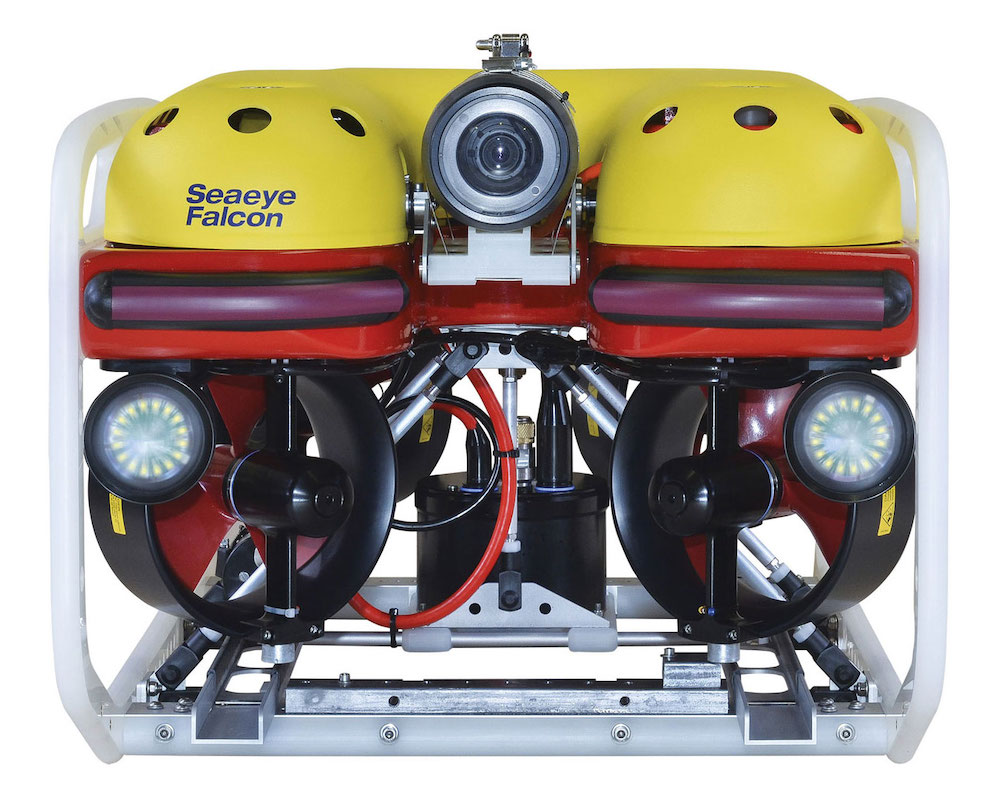
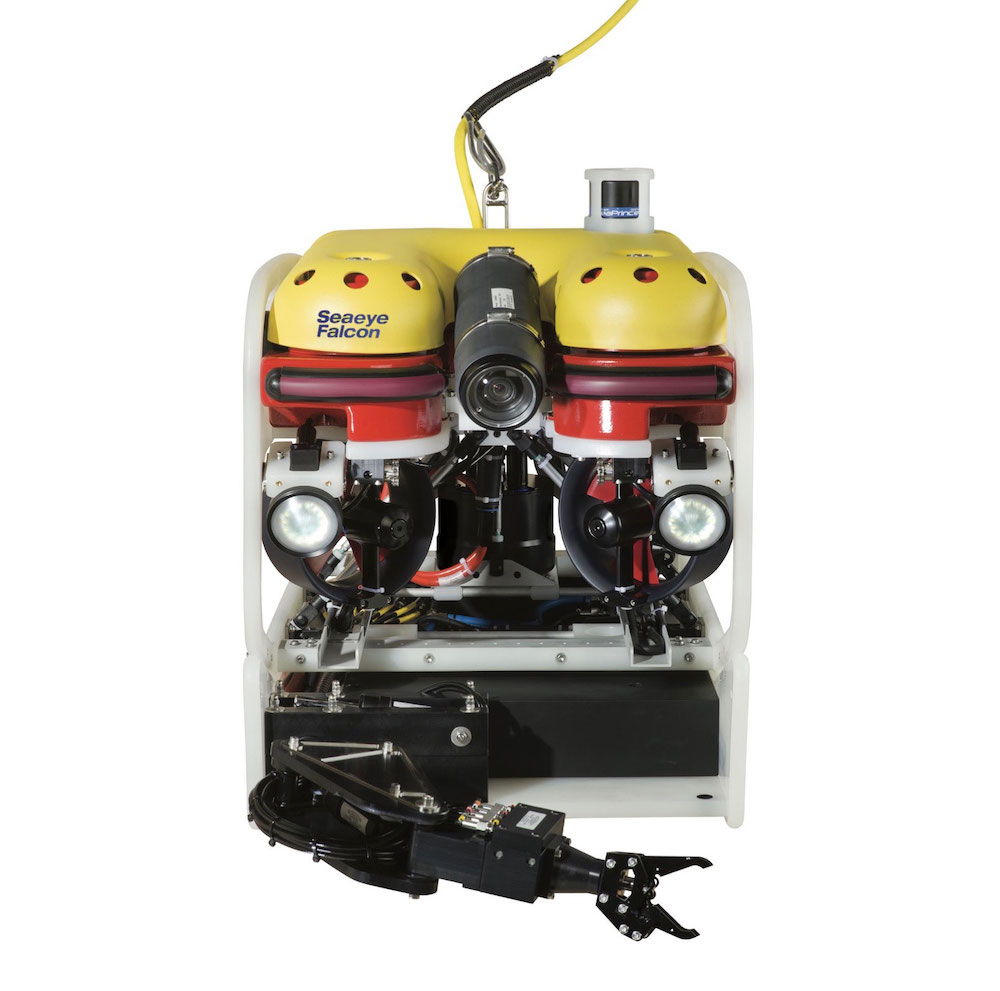
ROV skids are modular payload platforms mounted to Remotely Operated Vehicles (ROVs), enabling rapid configuration for inspection, intervention, and survey tasks. Acting as the primary integration layer, an ROV skid supports sensors, tooling, and auxiliary systems across subsea operations.
This page showcases leading ROV skid suppliers, with solutions ranging from observation and survey skids equipped with cameras and sonar to intervention and tooling skids featuring manipulators and hydraulic or electric tools.
Read the Technology Overview
If you design, build or supply ROV Skids, create a profile to showcase your capabilities and connect with visitors who have an active requirement for your solutions.

ROV skids are modular, interchangeable payload platforms mounted to the underside or front interface of a Remotely Operated Vehicle (ROV). They act as the primary integration layer for mission-specific tooling, sensors, and auxiliary systems, effectively transforming a base vehicle into a task-optimized subsea asset.
In practical terms, the skid is where the mission happens. While the ROV provides propulsion, navigation, and core power, the subsea skid houses the equipment required to execute inspection, intervention, or survey operations. This modularity allows operators to reconfigure a single ROV platform for multiple roles, minimizing fleet requirements and improving operational efficiency in the field.
From an engineering standpoint, a skid must serve as a mechanically robust, electrically integrated, and hydrodynamically efficient extension of the vehicle. It is responsible not only for supporting payloads but also for ensuring seamless interfacing with the ROV’s power, control, and communication architecture.
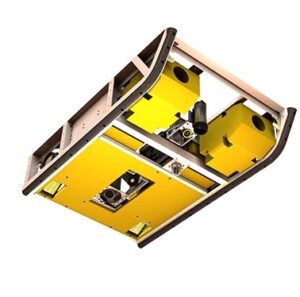
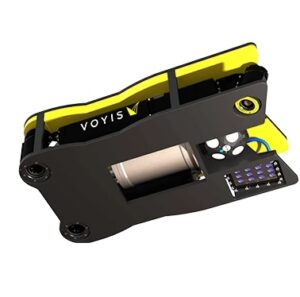
Perception XL Work-class ROV skid by Voyis
ROV survey skids are optimized for visual inspection and high fidelity data acquisition. These configurations typically incorporate high definition subsea cameras, imaging or multibeam sonars, and high intensity lighting systems. Design priorities include stability and low drag to ensure clear sensor fields of view for the inspection of pipelines and seabed features.
An ROV intervention skid handles demanding tasks such as valve operation, cutting, and mechanical manipulation. Deployed on work class ROVs, these skids integrate hydraulic power units and torque tools. Structural integrity is vital, as the frame must withstand significant reaction forces during high torque operations.
ROV tool skids focus on robotic manipulation and physical interaction. They often feature articulated arms, tool changers, and task specific end effectors. Engineering emphasis is placed on precise positioning and integration with control systems to facilitate complex intervention sequences.
ROV sensor skids are built for specialized measurement tasks, often utilizing non destructive testing tools like ultrasonic sensors or laser scanning systems. These skids are engineered to maintain consistent sensor alignment and proximity to a target surface, ensuring data accuracy during technical surveys.
Bespoke designs are often required for unique mission parameters. These units may combine elements of inspection and sampling within a single integrated platform. Customization extends to the mechanical layout and software integration to meet specific operational goals.
ROV skids are essential for IRM activities, supporting inspection campaigns and subsea asset maintenance. Specialized tooling skids enable valve actuation and debris removal, preserving the integrity of subsea infrastructure.
During construction, skids facilitate structure placement and cable routing. Intervention skids equipped with heavy duty tooling align and secure subsea components in high current or deepwater environments.
Scientific skids are used for data collection and biological sampling. They carry water sampling systems and environmental sensors to support oceanographic research and long term ecosystem monitoring.
In defense contexts, ROV skid systems support mine countermeasures and infrastructure protection. These applications require high reliability and often low acoustic or magnetic observability in complex underwater environments.
The growth of offshore renewables has increased demand for skids capable of inspecting turbine foundations and array cables. These units must operate efficiently in dynamic conditions, requiring enhanced stability and specialized sensor integration.
Material selection balances strength, weight, and corrosion resistance. 6061-T6 or 7075 aluminium alloys are frequently used for their strength to weight ratio. Stainless steel is reserved for high load areas, while carbon fiber composites are used for weight reduction in deepwater applications.
Hydrodynamic efficiency is a core requirement because additional drag impacts ROV thrust and battery endurance. Skid designs aim to minimize frontal area and streamline structural elements to avoid flow separation.
Proper buoyancy management prevents the skid from negatively affecting vehicle trim. Engineers use syntactic foam or buoyancy modules to achieve near neutral buoyancy while keeping a low center of gravity for maximum stability.
Standardized mounting interfaces allow for efficient installation. An ROV docking skid uses guided alignment features and secure latching mechanisms to ensure precise load transfer between the skid and the ROV frame.
Operating in corrosive environments requires sacrificial anodes and hard-anodization. Components must withstand biofouling and extreme pressure cycling during repeated deployments to depth.
The process of attaching a skid to an ROV involves complex mechanical and digital handshaking to ensure the vehicle remains controllable and the tools remain functional. Successful integration relies on the following key technical areas:
These integrated systems allow a single base vehicle to perform a vast array of specialized subsea tasks without permanent modification to the primary chassis.
Underwater imaging systems are foundational to skid configurations. High definition cameras and sonar technologies provide the situational awareness required for navigation and task execution.
Manipulator systems allow for physical interaction, while tooling packages provide cutting and gripping capabilities. These systems are tightly integrated with control interfaces for responsive operation.
Various sensors can be integrated into ROV skids, including environmental instruments and metrology tools. These provide critical data for maintenance and scientific analysis.
Sampling tools collect water or sediment specimens, while intervention tools perform active tasks such as cleaning or installing subsea components.
Auxiliary systems improve visibility and measurement accuracy. Laser scaling systems enable precise dimensional analysis during inspection tasks.
As subsea operations move toward deeper waters and longer durations, the technology within the skid frame is becoming increasingly sophisticated. Several industry shifts are currently defining the next generation of modular subsea robotics:
These advancements are driving the industry toward more sustainable and autonomous subsea operations, reducing the risk and cost associated with complex offshore missions.
 Searching Companies & Products