
Suppliers: MEMS Accelerometers

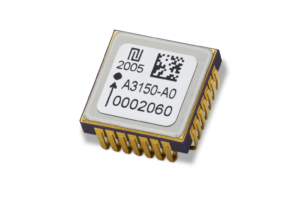
AMCORIS

Advanced Motion Sensing Solutions for Offshore & Marine Autonomous Systems

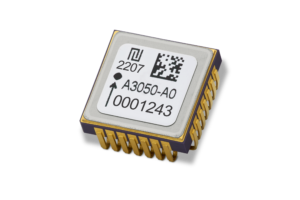
Silicon Designs

Rugged Industrial & Inertial-Grade MEMS Accelerometers for Marine & Offshore Applications

Tronics Microsystems

High-Performance MEMS-Based Inertial Sensing Solutions for Marine, Offshore & Underwater Applications

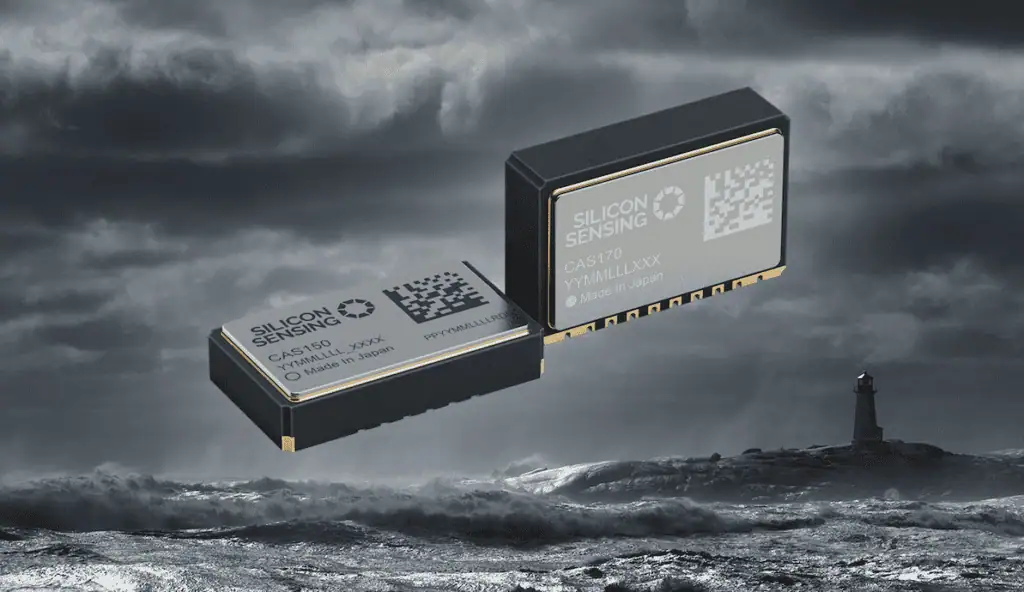
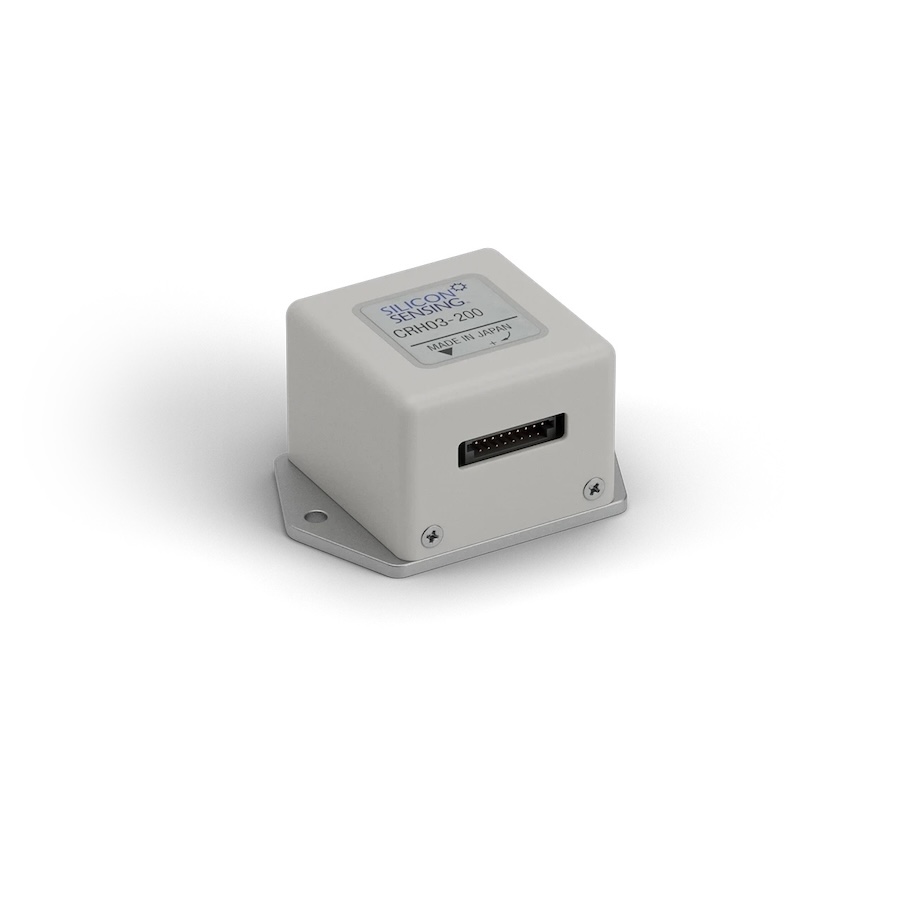
Silicon Sensing

High-Performance MEMS Gyroscopes, Accelerometers & Inertial Systems for Marine & Maritime Applications

Showcase your capabilities

If you design, build or supply MEMS Accelerometers, create a profile to showcase your capabilities and connect with visitors who have an active requirement for your solutions.


Create Supplier Profile

Products

7 Cutting-edge Solutions
Add your solutions
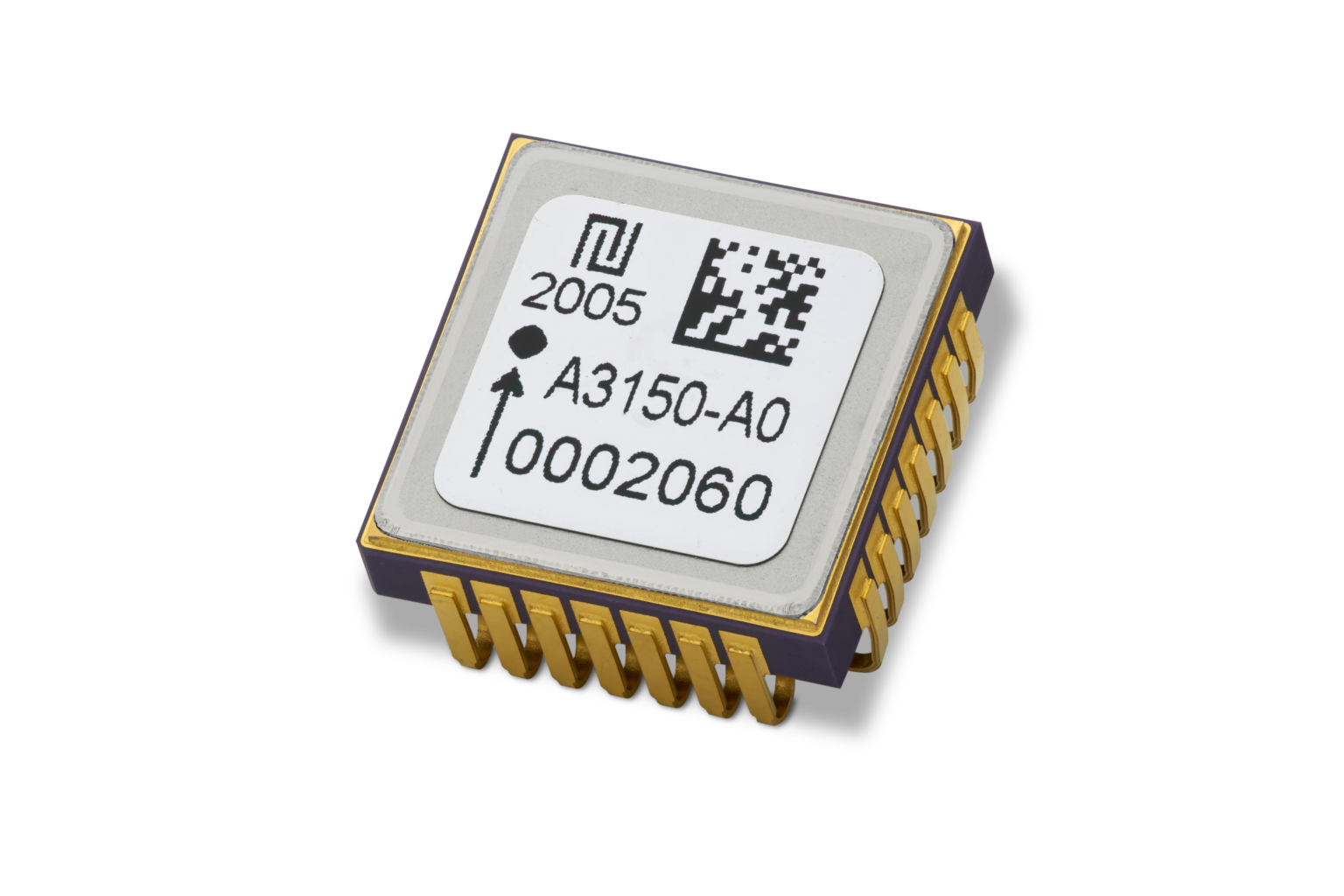
M-A370AD Accelerometer

Ultra-low noise accelerometer with ±10g range & SPI/UART interface

Ultra-low noise accelerometer with ±10g range & SPI/UART interface
...ovative quartz accelerometer that offers a range of advantages over standard MEMS technologies,...
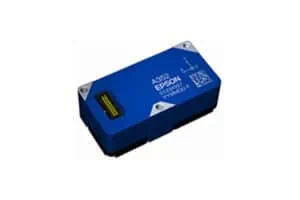
M-A352AD Accelerometer

Ultra-low noise accelerometer with ±15g range & SPI/UART interface

Ultra-low noise accelerometer with ±15g range & SPI/UART interface
...ovative quartz accelerometer that offers a range of advantages over standard MEMS technologies,...
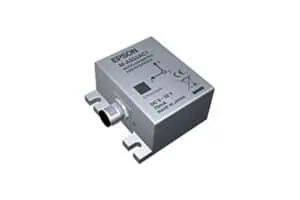
M-A552AC1 Accelerometer

IP67 dust- and waterproof accelerometer with ±15g range & CANopen interface

IP67 dust- and waterproof accelerometer with ±15g range & CANopen interface
...ovative quartz accelerometer that offers a range of advantages over standard MEMS technologies,...
M-A552AR1 Accelerometer

IP67 dust- and waterproof accelerometer with ±15g range & RS-422 interface

IP67 dust- and waterproof accelerometer with ±15g range & RS-422 interface
...ovative quartz accelerometer that offers a range of advantages over standard MEMS technologies,...
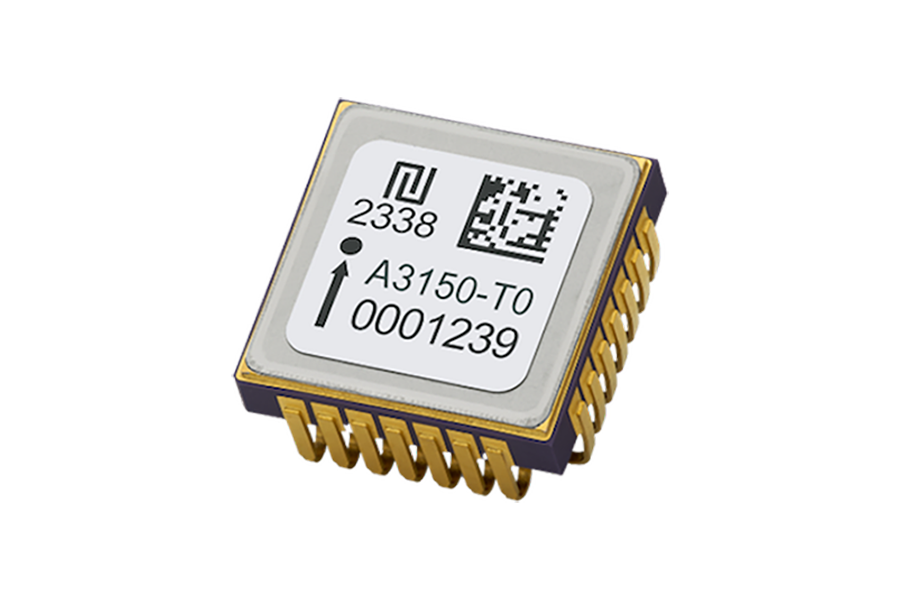
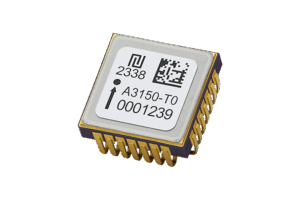
AXO®315T0 Accelerometer

Single-axis digital MEMS accelerometer with ±14 g input range & high temperature endurance

Single-axis digital MEMS accelerometer with ±14 g input range & high temperature endurance
...e, closed-loop MEMS accelerometer optimized for downhole oil & gas applications. With a ±14 g...
AXO®315 Accelerometer

Single-axis digital MEMS accelerometer with ±14 g input range

Single-axis digital MEMS accelerometer with ±14 g input range
...d-loop digital MEMS accelerometer in a compact and lightweight hermetically-sealed ceramic SMD...
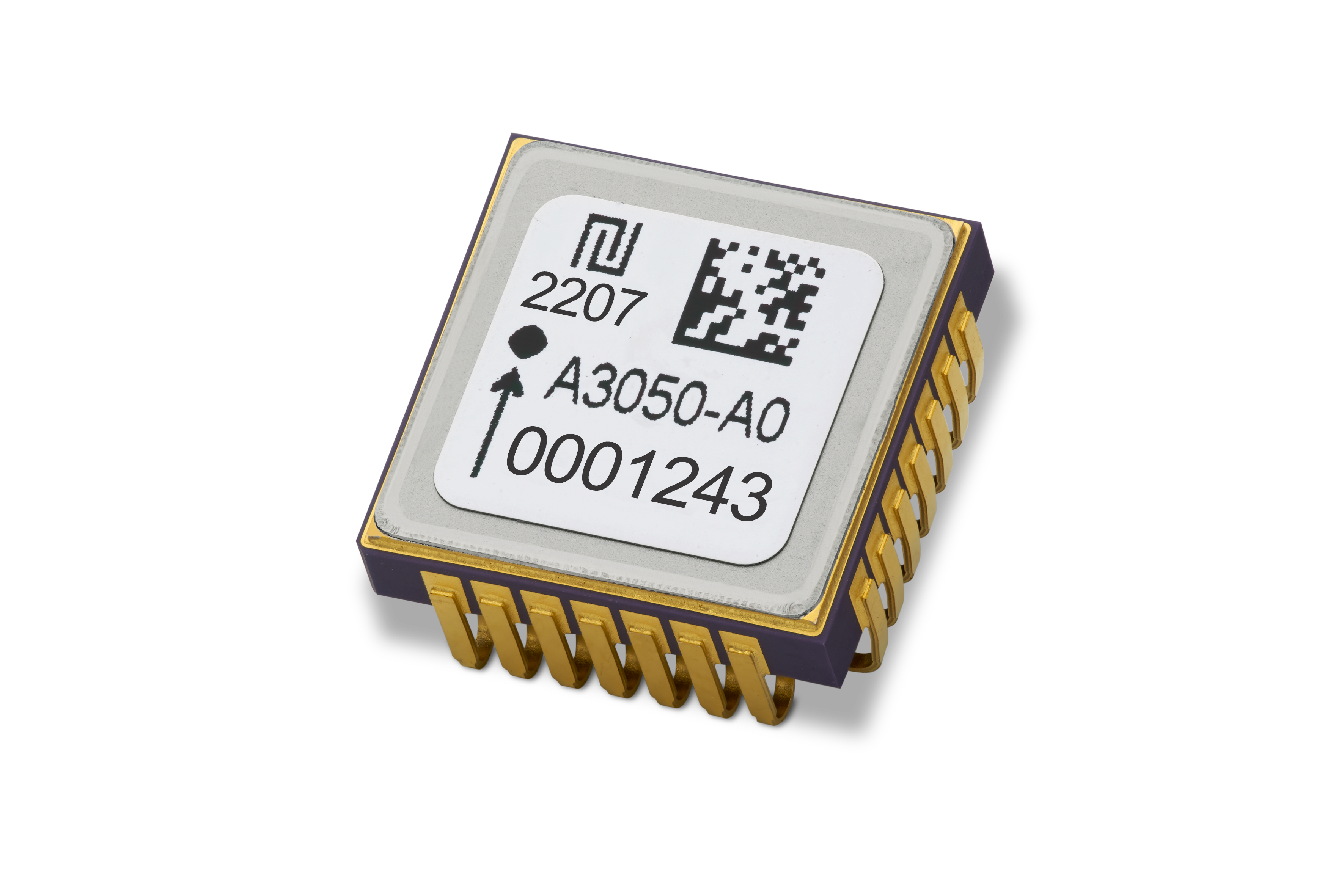
AXO®305 Accelerometer

Single-axis digital MEMS accelerometer with low noise & ±5 g input range

Single-axis digital MEMS accelerometer with low noise & ±5 g input range
...d-loop digital MEMS accelerometer in a compact and lightweight hermetically-sealed ceramic SMD...

MEMS Accelerometers for ROVs, AUVs, Marine, and Maritime Systems

Summer James

Updated:

MEMS accelerometers are compact sensors that detect acceleration. In ROVs, AUVs, and ASVs, they enable precise motion tracking, control, and integration with inertial navigation systems (INS).

MEMS accelerometers utilize micro-machined structures, such as cantilevers or proof masses, etched into silicon wafers to detect acceleration forces. When an assembly experiences motion or gravitational forces, the proof mass moves slightly. This displacement is converted into an electrical signal via capacitive, piezoresistive, or piezoelectric transduction.

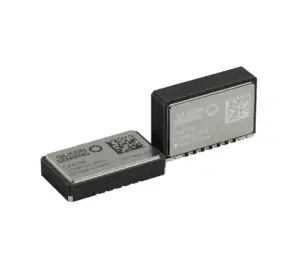
MEMS Accelerometer by SDI

1522 MEMS Accelerometer by SDI.

Because of their micro-scale construction, MEMS accelerometers offer key advantages over traditional accelerometers:

  • Compact and lightweight: ideal when space is at a premium, such as inside ROV frames or AUV fuselages.
  • Low power consumption: suited for battery-powered platforms with limited energy budgets.
  • Cost-effective: widely available and cheaper than high-end tactical sensors.
  • Scalable multi-axis measurement: 3-axis accelerometers come in small packages.

Within a maritime context, MEMS accelerometer sensors are often combined with MEMS gyroscopes to form MEMS inertial measurement units (IMUs). When integrated with inertial navigation systems (INS), these components enable continuous position and attitude estimation even when GPS is unavailable.

Types of MEMS Accelerometers

There are several MEMS accelerometer types worth knowing:
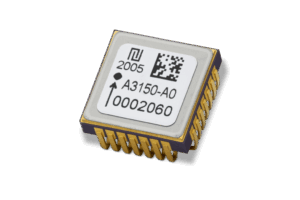
  • Capacitive accelerometers: using capacitive plates to detect proof-mass movement. They offer good resolution, stability, and a wide temperature range, making them ideal for marine-grade designs.
  • Piezoresistive and piezoelectric accelerometers: better suited for higher-frequency or shock measurements. Piezoelectric types, often seen in piezoelectric accelerometers, are robust and practical for vibration monitoring on hulls or machinery.
  • Digital accelerometers: integrate onboard ADCs to output digital signals over I²C or SPI, reducing susceptibility to analog noise and easing integration, especially in marine electronics stacks.
  • 3-axis and multi-axis variants: allow comprehensive motion detection, pitch, roll, yaw; necessary for navigation and stabilization in dynamic water environments.

MEMS Accelerometers in ROVs, AUVs, and ASVs

ROVs

  • Attitude control: 3-axis accelerometers detect pitch and roll, helping control systems maintain stability and improve maneuverability near the seabed or structures.
  • Shock/vibration monitoring: piezo-type sensors measure impacts or mechanical vibrations, ensuring reliability and reducing maintenance needs.
  • Inertial navigation: combined in IMUs, accelerometers feed into INS to maintain heading and depth when tethered acoustic positioning is unstable or unavailable.

AUVs

  • Dead reckoning: MEMS accelerometer and gyroscope data support position estimates between surface GPS fixes.
  • Stabilization: real-time acceleration data supports adaptive control for depth hold, altitude, and speed.
  • Collision avoidance: rapid deceleration detection enables systems to detect contact or close-range obstacles.

ASVs

  • Navigation support: accelerometers in surface vessel IMUs complement GNSS for accurate position fixes in rough seas or GNSS-denied zones.
  • Motion compensation: precise acceleration data enables dynamic compensation for payloads such as sonars, sensors, or antennas.
  • Safety systems: detect sudden motions indicating collision, flooding, or equipment failure.

Integration into Inertial Navigation Systems

Accelerometer by Tronics Microsystems

AXO®315 Accelerometer by Tronics Microsystems.

An INS combines accelerometers and gyroscopes within an IMU, feeding motion data into algorithms that compute position, velocity, and orientation over time. INS has these roles:

  • Survivability: maintains navigation when external aids like GPS are unavailable.
  • System synergy: integrates with Doppler velocity logs (DVL), depth sensors, magnetic compasses, and GNSS via sensor fusion.
  • Precision seafloor mapping: essential for geophysical survey AUVs or side-scan sonar ROVs.

MEMS accelerometers significantly enhance INS performance by providing cost-effective and reliable acceleration sensing. High-end MEMS units exhibit low bias drift, high resolution, and stable temperature response, traits necessary for precise maritime navigation.

Other Maritime MEMS Accelerometer Applications

Beyond vehicle-based systems, MEMS accelerometers are being widely adopted across a range of other maritime applications. Their small form factor, reliability, and responsiveness make them well-suited to monitoring, control, and diagnostics in both static and dynamic marine environments. Key use cases include:

  • Structural health monitoring: accelerometers mounted on ship hulls, offshore platforms, and subsea structures detect vibrational signatures indicative of fatigue, biofouling, or structural anomalies.
  • Condition monitoring: monitor mechanical systems onboard ships and vessels—detect unbalanced rotors, misalignments, or bearing faults.
  • Underwater vehicles beyond AUVs: gliders, profiling floats, and wave gliders use MEMS accelerometers for motion tracking and control.
  • Mooring and buoy systems: track tilt or wave-induced accelerations in buoys, weather monitoring stations, or remote sensing platforms.

Choosing the Right MEMS Accelerometer Sensor

Important factors when selecting include:

  • Measurement range: ±2 g for gentle motion vs. ±200 g+ for impact/vibration.
  • Bandwidth: lower bandwidths (≤100 Hz) suit navigation; higher bandwidths (>1 kHz) suit vibration monitoring.
  • Noise density and resolution: determine how well the sensor detects small acceleration changes, essential in inertial navigation.
  • Bias stability/drift: important for INS longevity between GNSS fixes.
  • Environmental tolerance: ensure the ability to withstand pressure, salinity, temperature extremes; consider packaging and conformal coating.
  • Interface type: choose analog vs. digital (I²C/SPI) based on marine electronics architecture.
  • Certification/compliance: look for marine or defense-grade products with shock/vibration qualification (MIL‑STD, IP/ATEX ratings)

Emerging developments include:

  • Ultra-stable MEMS: low-bias drift MEMS accelerometers now approach the performance of tactical-grade units.
  • Sensor fusion technologies: AI-driven real-time filtering that dynamically adjusts Kalman filter parameters for drift optimization.
  • System miniaturization: MEMS IMUs are now available in very compact (<10 cm³) rugged packages suitable for compact platforms.
  • Condition monitoring convergence: accelerometers used simultaneously for navigation and structural health monitoring on shared platforms.

MEMS accelerometers are indispensable in marine technology. They serve critical roles in ROVs, AUVs, and ASVs, enabling precise control, motion compensation, and integration in inertial navigation systems. Beyond vehicle navigation, they support structural and condition monitoring, buoy systems, and wave-glider platforms. MEMS accelerometers offer a balance of performance, size, cost, and power consumption that is unmatched by traditional sensors, and ongoing advancements continue to expand their relevance in marine and maritime applications.

Related Articles

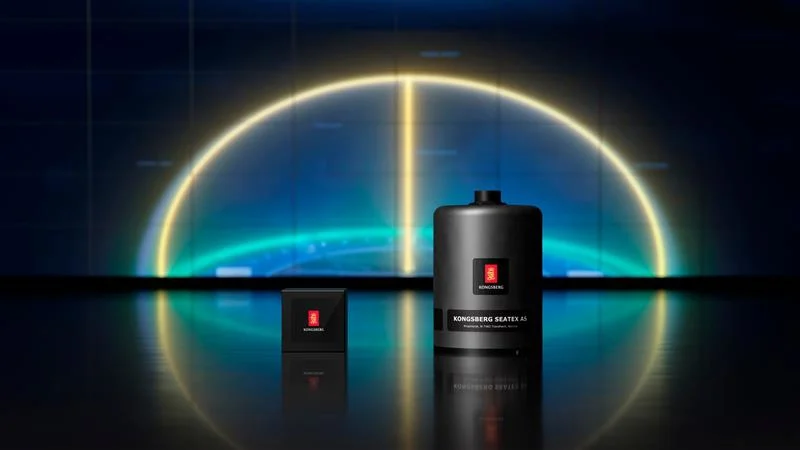
Kongsberg Discovery Unveils New MEMS Technology for Resilient & GNSS-Independent Navigation

Kongsberg has introduced a new north-seeking micro-electromechanical system, offering high-precision positioning for autonomous vehicles and defense applications without the need for external aiding

Mar 17, 2026
Tronics MEMS Inertial Sensors Enhance Accuracy in Marine and Subsea Navigation

High-performance MEMS inertial sensors from Tronics Microsystems provide reliable motion data for marine and subsea navigation, improving vessel control, mapping accuracy, and dynamic positioning performance

Feb 12, 2026
Silicon Sensing Extends Distribution Agreement to Address Growing Demand in North America

Silicon Sensing strengthens its North American distribution network by extending its partnership with Althen, improving access to high-performance inertial sensors amid rising demand across industrial and autonomous system markets

Feb 11, 2026
TDK Expands High-Temperature MEMS Accelerometer Portfolio

Tronics Microsystems new digital inertial sensor offers a robust alternative to quartz accelerometers for directional drilling in extreme environments up to 175°C

Jan 22, 2026
New Silicon Designs Website Simplifies Accelerometer Filtering and Comparison

Silicon Designs Inc. introduces a redesigned website that helps engineers and buyers quickly filter, compare, and review MEMS accelerometer specifications for faster, more efficient sensor selection

Jan 16, 2026
Silicon Sensing Achieves 30 Million Inertial Sensor Production Milestone

Silicon Sensing Systems marks the production of its 30 millionth inertial sensor, highlighting decades of expertise in delivering high-volume, high-performance MEMS-based gyros, accelerometers, and IMUs for marine, aerospace, and industrial applications

Oct 13, 2025
Silicon Sensing to Highlight Inertial Sensing Technology at Intergeo 2025

Silicon Sensing will showcase advanced MEMS inertial sensors at Intergeo 2025, highlighting precision navigation solutions, tactical-grade IMUs, and real-world applications across land, sea, air, and space

Sep 24, 2025
Calibrating Silicon Designs Accelerometers for Reliable Marine Measurements

Silicon Designs outlines straightforward methods for calibrating its MEMS DC accelerometers in differential mode, including static and auto-calibration options, ensuring accurate motion sensing for maritime applications

Sep 03, 2025
Evaluating the Trade-Offs Between Buying and Building a MEMS IMU

Silicon Sensing examines the practical considerations of buying versus building an IMU, highlighting performance, cost, and integration challenges, with insights into solutions offered by Silicon Sensing for both approaches

Aug 08, 2025