Showcase your capabilities
If you design, build or supply Small USVs, create a profile to showcase your capabilities and connect with visitors who have an active requirement for your solutions.



Search small USVs for hydrographic surveying, environmental monitoring, and oceanographic research from manufacturers and suppliers supporting scientific field teams and offshore operations.
Read the Technology Overview
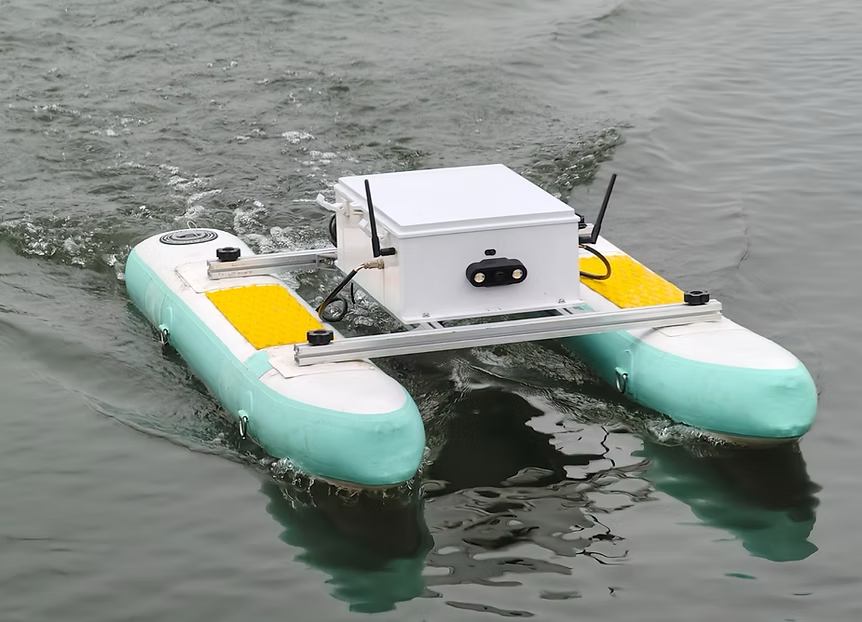
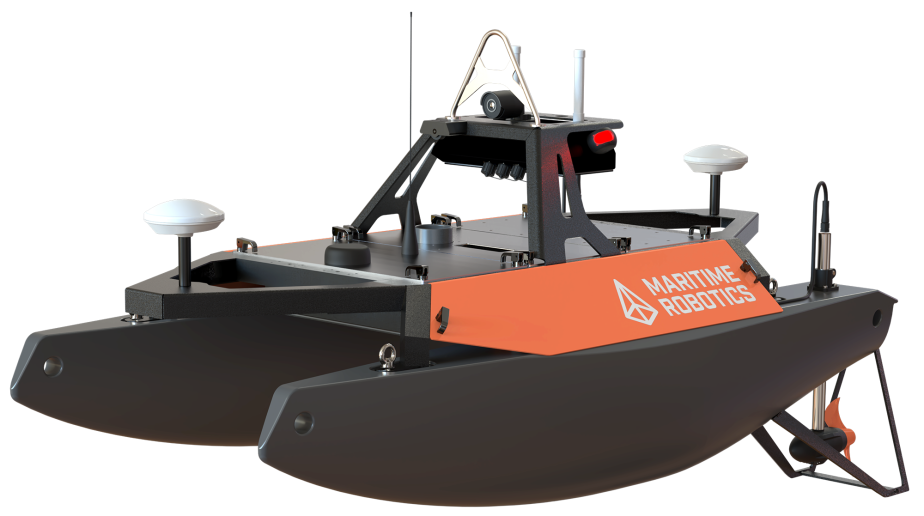
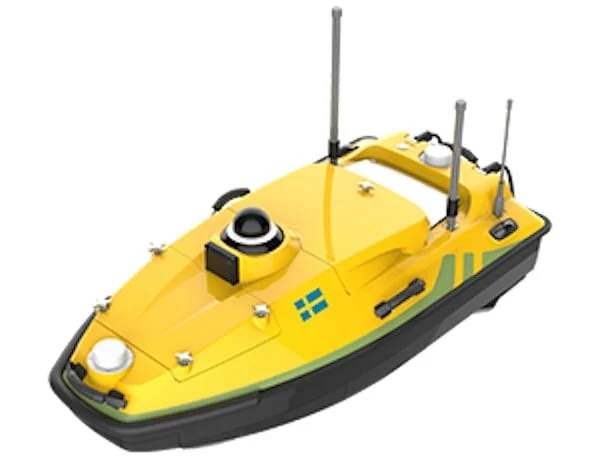
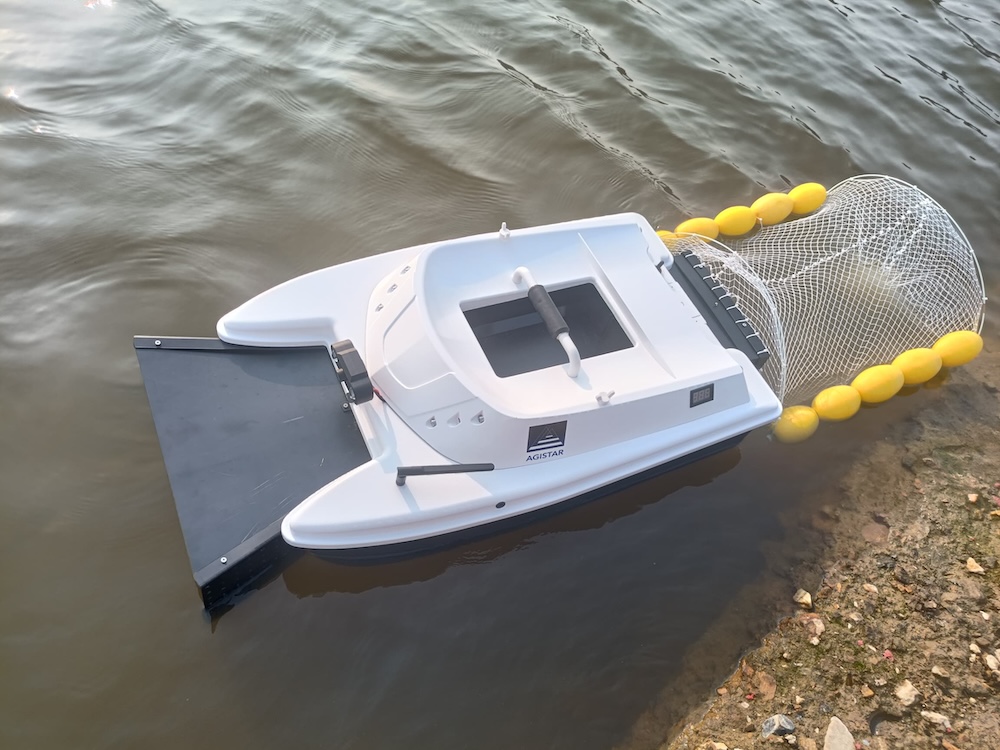

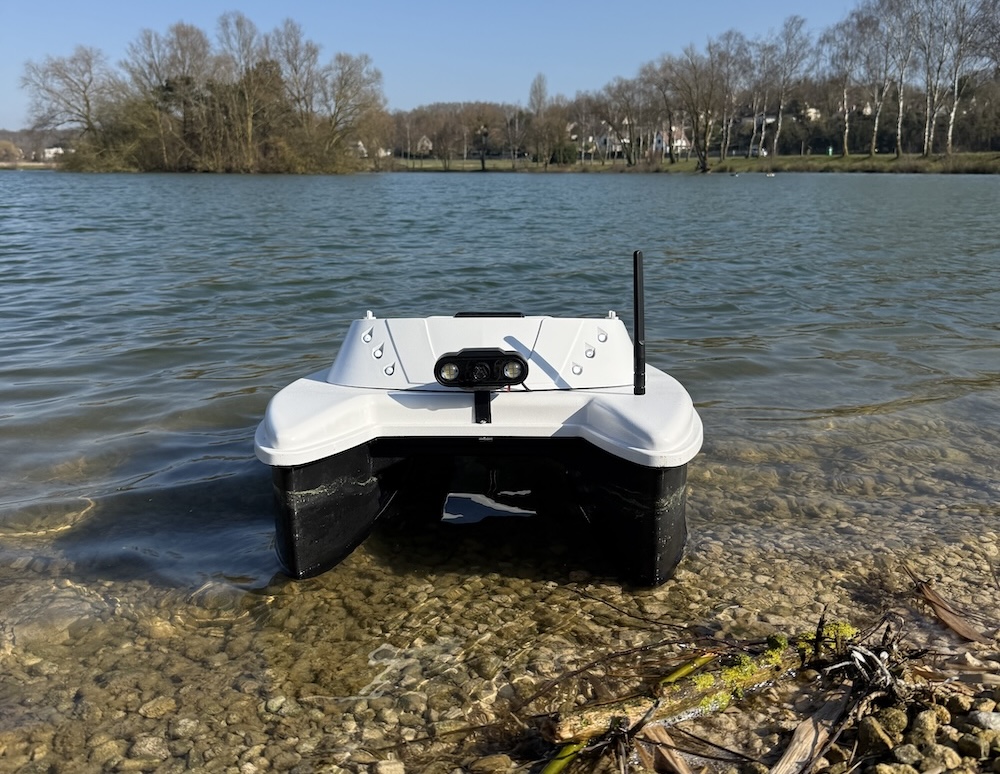
Innovative Uncrewed & Autonomous Surface Vessel Technologies for Maritime Operations

Cutting-Edge Surveying, Positioning & Sensing Solutions for Hydrographic & Oceanographic Applications

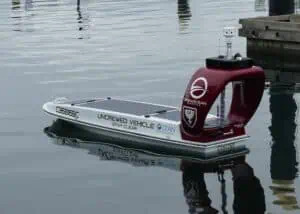
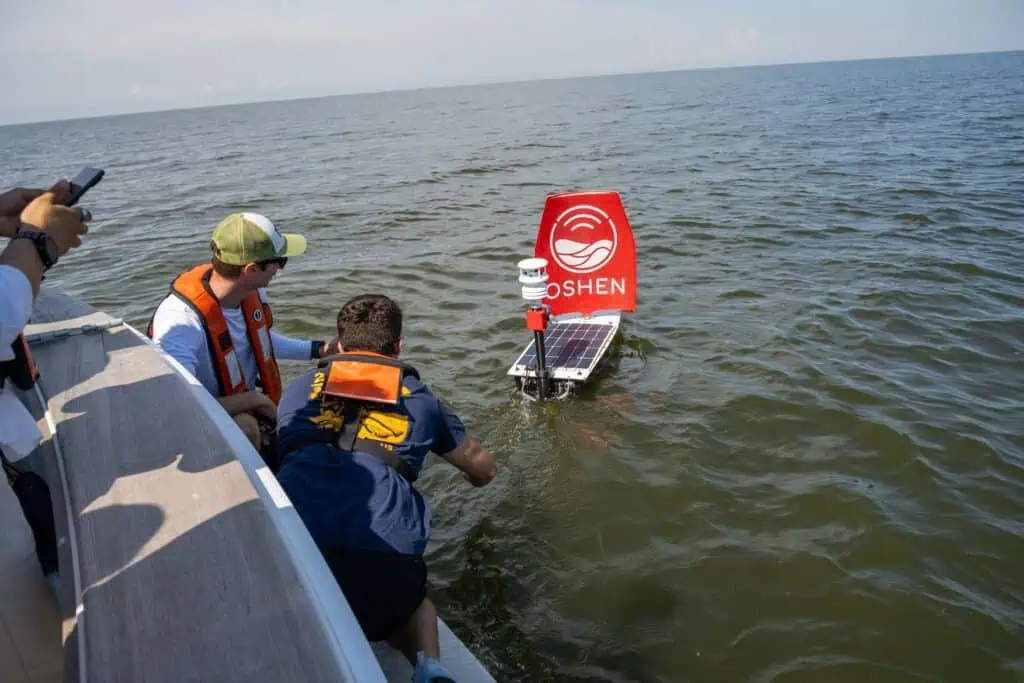
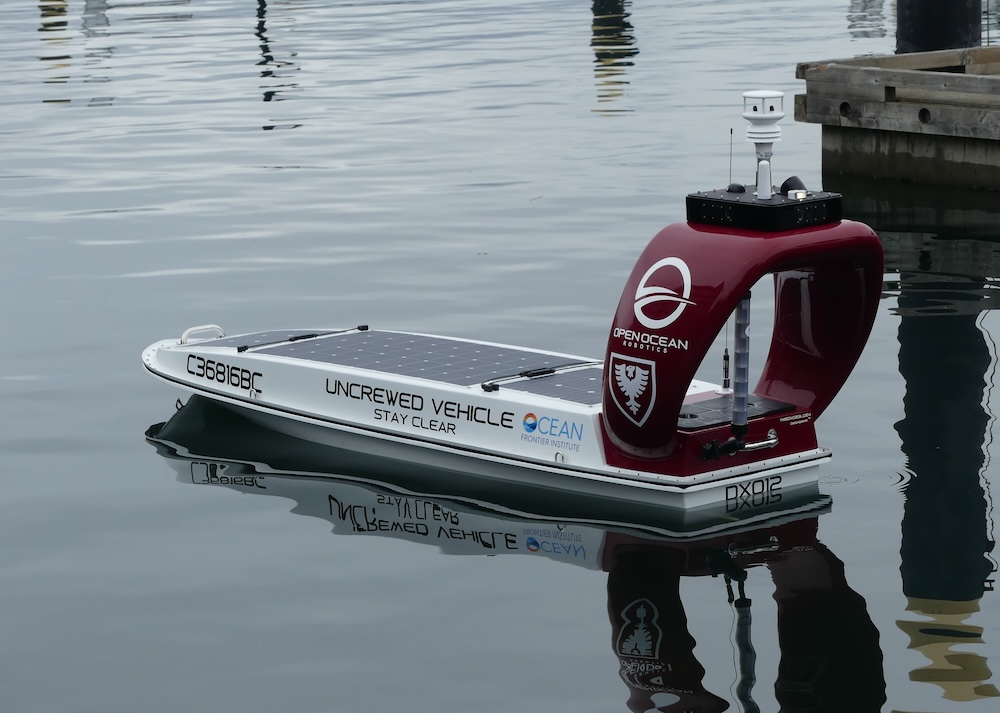
Reliable Solar-Powered USVs for Real-Time Oceanographic & Maritime Data Acquisition

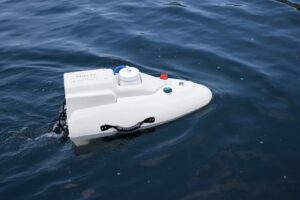
Autonomous Surface Vehicle Solutions for Waste Collection, Rescue Operations, & Aquatic Data Collection

If you design, build or supply Small USVs, create a profile to showcase your capabilities and connect with visitors who have an active requirement for your solutions.

Small unmanned surface vehicles (USVs) sit in the compact end of common USV size classes, positioned below medium, large, and fleet-class systems. In ocean science and technology work, “small” typically implies a platform that can be transported by a small team, launched quickly from shore or a small boat, and operated with limited logistics while still carrying purpose-built payloads such as sonar, water quality sensors, or meteorological instruments.
Small USVs are often selected for nearshore and inland missions where crewed vessels are difficult to justify due to cost, access constraints, or safety risk. The most capable systems combine efficient propulsion (often electric motor-driven), onboard navigation system hardware, autonomy software, and a communication system for telemetry and supervision. Depending on mission risk and operating area, collision avoidance may be implemented using radar, cameras, AIS integration, and rule-based behaviors aligned with maritime practices.
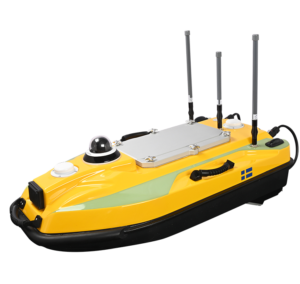
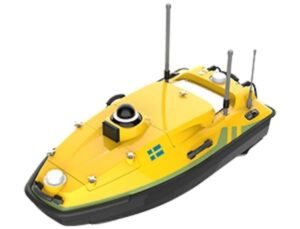
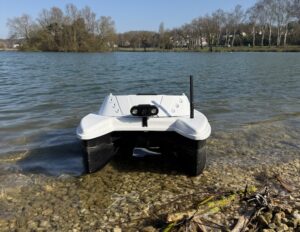
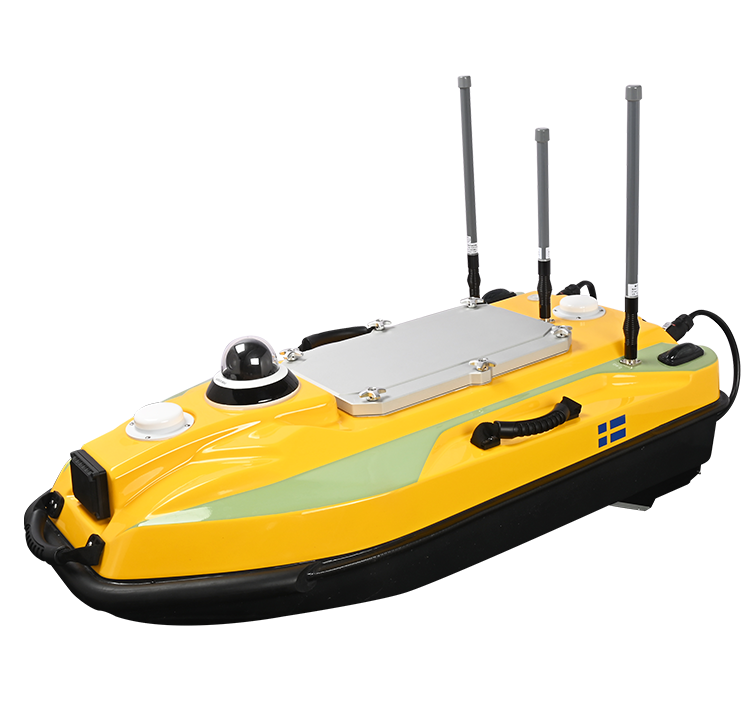
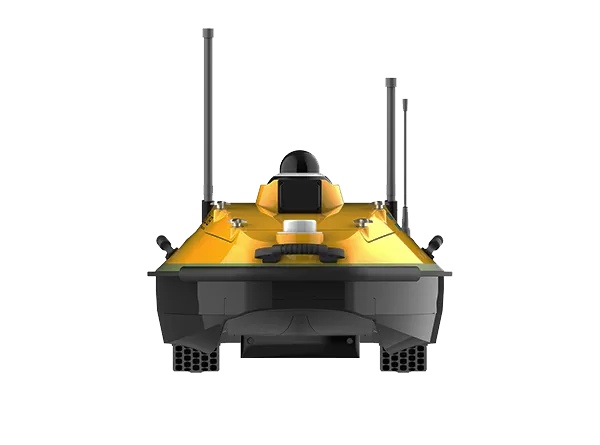
HydroBoat 990, a single-operator USV, by SatLab Geosolutions
Small USVs enable bathymetric surveying and seabed mapping in shallow water, restricted harbors, and riverine environments where crewed survey vessels have limited access. Compact platforms can carry single-beam or multibeam payloads with tight line control for repeatable coverage.
For environmental monitoring and coastal monitoring, small autonomous surface vehicles support autonomous data collection of parameters such as temperature, conductivity, dissolved oxygen, turbidity, and chlorophyll. Persistent sampling patterns help capture tidal or storm-driven variability.
Oceanographic research teams use portable research USVs as adaptable sampling platforms for transects, station keeping, and surface boundary layer studies. Integration with autonomy software supports repeatable missions, reducing vessel time.
Small USVs can support fisheries research by hosting acoustic sensors, cameras, or environmental packages that correlate habitat with conditions. Quiet electric propulsion can be beneficial in sensitive areas.
For offshore inspection, especially offshore wind inspection in nearshore arrays, small USVs can collect visual data and surface measurements while reducing personnel exposure. Platform stability and reliable communications are critical in active marine traffic zones.
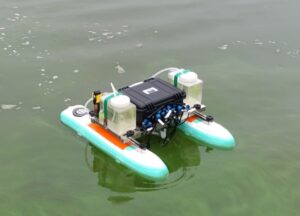
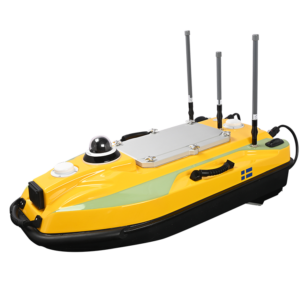
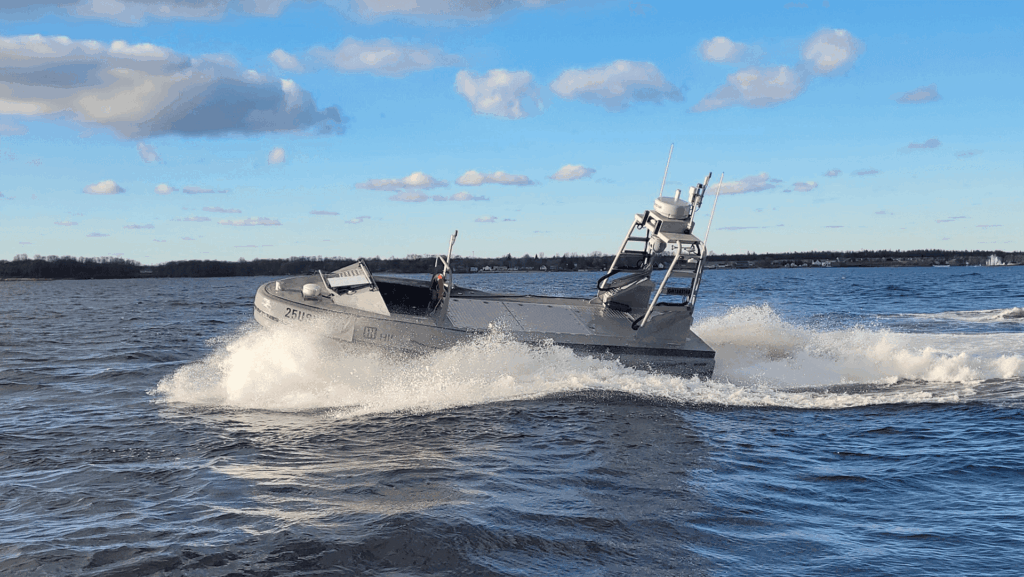
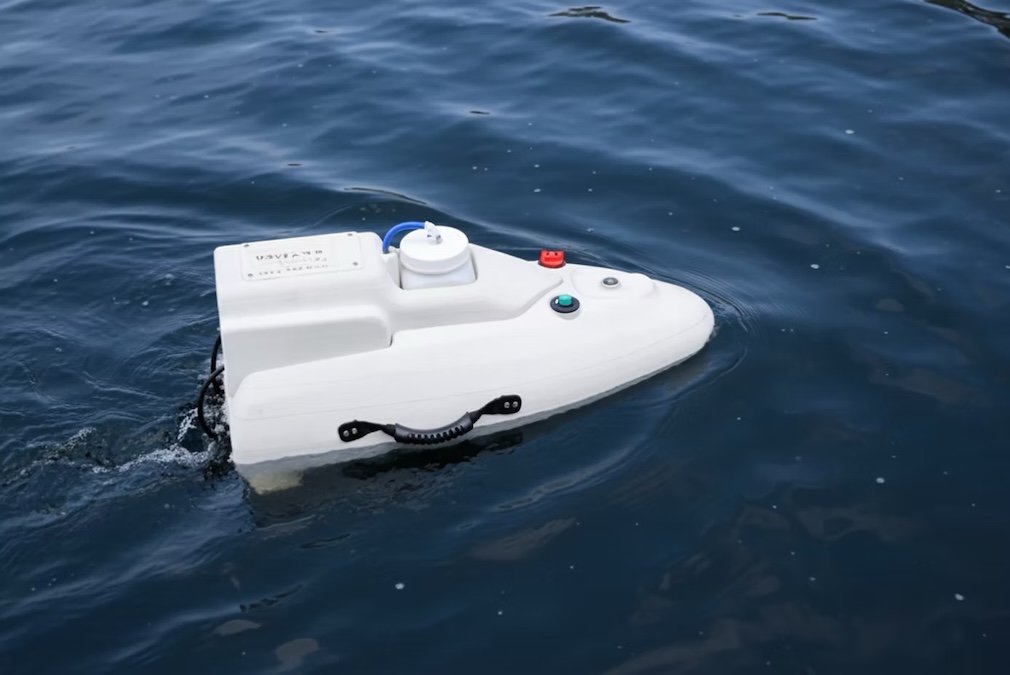
USVSTAR, a compact USV, by AGISTAR
Harbor monitoring missions often prioritize situational awareness, geofenced patrols, and routine data collection near infrastructure. Compact USV boat form factors simplify deployment from docks and ramps.
In maritime security, surveillance and selected defense operations, small USVs (including military USV variants) can provide forward sensing, route reconnaissance, or perimeter monitoring with a smaller operational footprint. Payload choices may include radar, electro-optical sensors, and secure communications, depending on requirements.
Small USVs can extend search patterns, relay surface observations, or deliver lightweight safety equipment in controlled scenarios. They are generally used to augment, not replace, crewed responders.
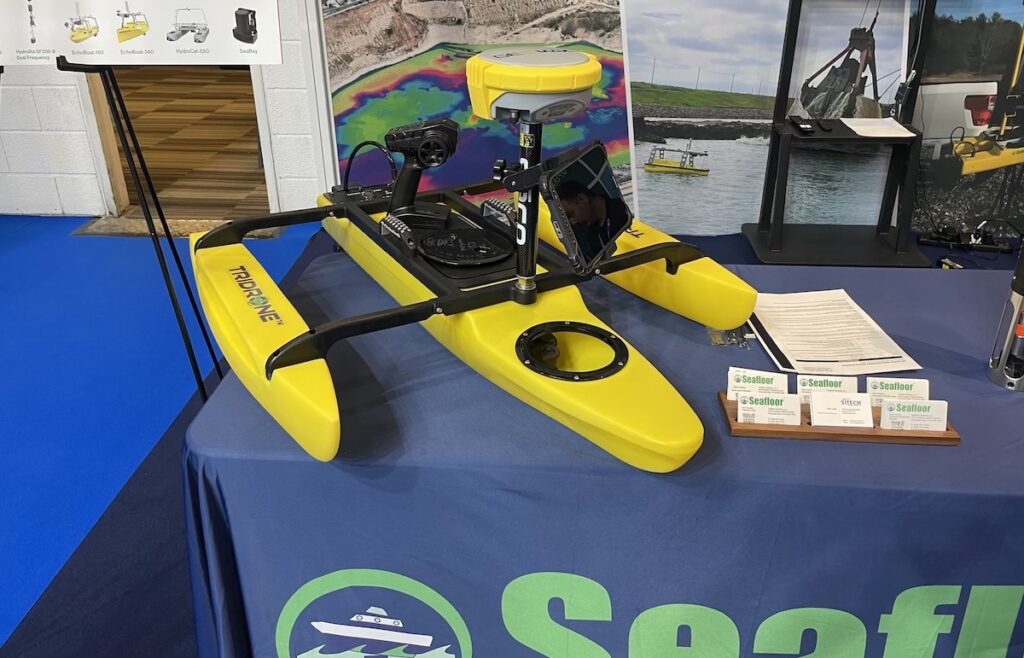
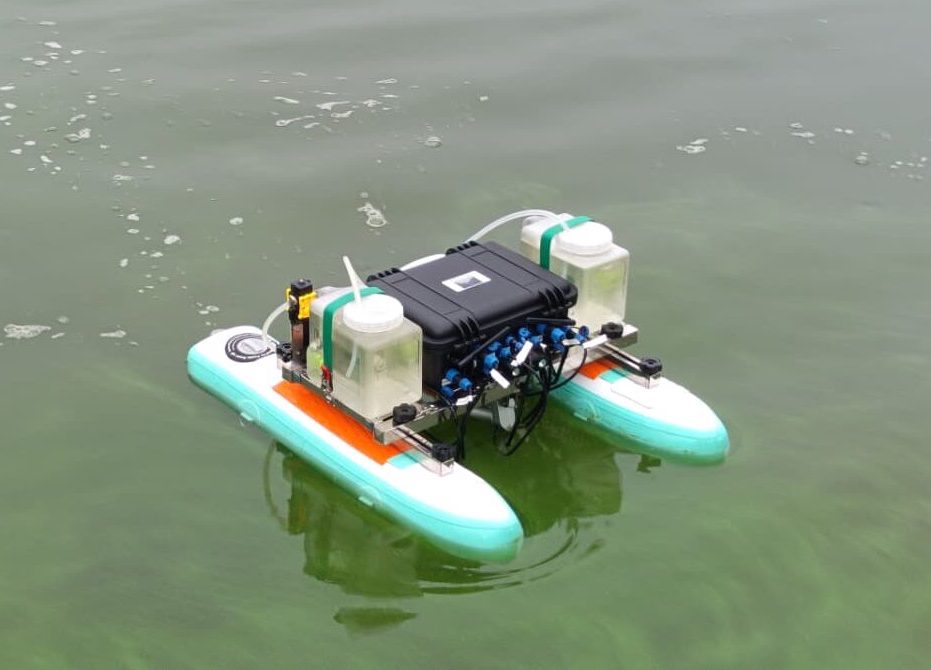
Catamaran USV designs often prioritize stability, deck area, and sensor mounting options for survey payloads. Twin-hull layouts can reduce roll sensitivity in mild to moderate conditions.
Monohull USV platforms may offer simpler construction and efficient cruising profiles. They are common when payload needs are modest and portability is the primary driver.
Inflatable USV configurations emphasize lightweight handling and compact transport. These are often chosen for rapid response monitoring or operations where storage volume is constrained.
Modular USV platforms with a defined payload bay simplify swapping between sonar, environmental packages, and surveillance payloads. This approach supports multi-mission fleets using either COTS configurations or custom USV builds, enabling consistent training, logistics, and spares management across varying operational requirements.
Electric USV propulsion systems are common for low acoustic signature and straightforward maintenance. Endurance is largely battery-limited, making speed management and mission planning essential.
Hybrid USV options extend endurance by combining battery power with fuel-based generation, while solar-powered USV approaches can support low-power loiter missions. These configurations trade simplicity for longer persistence.
Some small USVs are built for supervised autonomy with operator override, while others are primarily remotely operated USVs with basic waypoint modes. The right approach depends on risk, comms availability, and local operational controls.
Mission fit is usually defined by endurance (battery capacity and propulsion efficiency), payload capacity (including payload bay volume and power budget), and sea-state tolerance driven by hull form. GPS/GNSS and inertial aiding underpin navigation, while command and control links may include RF line-of-sight, cellular, or satellite options for remote surface vessel operations. For survey-grade work, sensor mounting, vibration isolation, and time synchronization become as important as raw platform speed.
Compared with medium USVs and large USVs, small USVs generally offer faster deployment, lower operating costs, and easier transport, but they deliver lower payload mass, shorter endurance, and reduced tolerance to higher sea states. Fleet-class USVs are designed for long-duration operations and heavier mission packages, while small USVs are better suited to short-cycle survey and monitoring tasks, pilot studies, and operations close to shore. Terminology also varies: autonomous surface vehicle (ASV), uncrewed surface vehicle, maritime drone, and surface drone are often used interchangeably with USV, so specification should focus on measurable performance rather than labels.
Small USVs used for survey and mapping commonly align with data quality practices outlined in the International Hydrographic Organization’s guidance, such as IHO S-44, and may rely on IHO data standards, such as S-57 and S-100, for deliverables. Marine electronics and integration often reference established interface conventions such as NMEA 0183 and NMEA 2000, depending on the payload and navigation system architecture. For defense-oriented requirements, environmental and electromagnetic compliance expectations may reference MIL-STD test methods (e.g., MIL-STD-810 for environmental testing and MIL-STD-461 for EMC), while operational behaviors should be evaluated against applicable collision-avoidance practices and local navigation rules.
 Searching Companies & Products