Unmanned Surface Vehicles for Environmental Monitoring
Select unmanned surface vehicles for environmental monitoring from specialized manufacturers and suppliers supporting ocean science, marine research, and regulatory monitoring programs. These platforms provide persistent, data-driven observation across coastal, offshore, and inland environments while reducing operational risk and cost compared to crewed vessels.
If you design, build or supply Environmental Monitoring USVs, create a profile to showcase your capabilities and connect with visitors who have an active requirement for your solutions.
Unmanned Surface Vehicles for Environmental Monitoring
Overview by
Summer James
Updated:
Unmanned surface vehicles enable continuous measurement of physical, chemical, and biological parameters in environments ranging from rivers and lakes to coastal zones and open ocean. For ocean science and technology stakeholders, environmental monitoring USVs represent a scalable solution for long-duration data collection, adaptive surveying, and rapid response to environmental events.
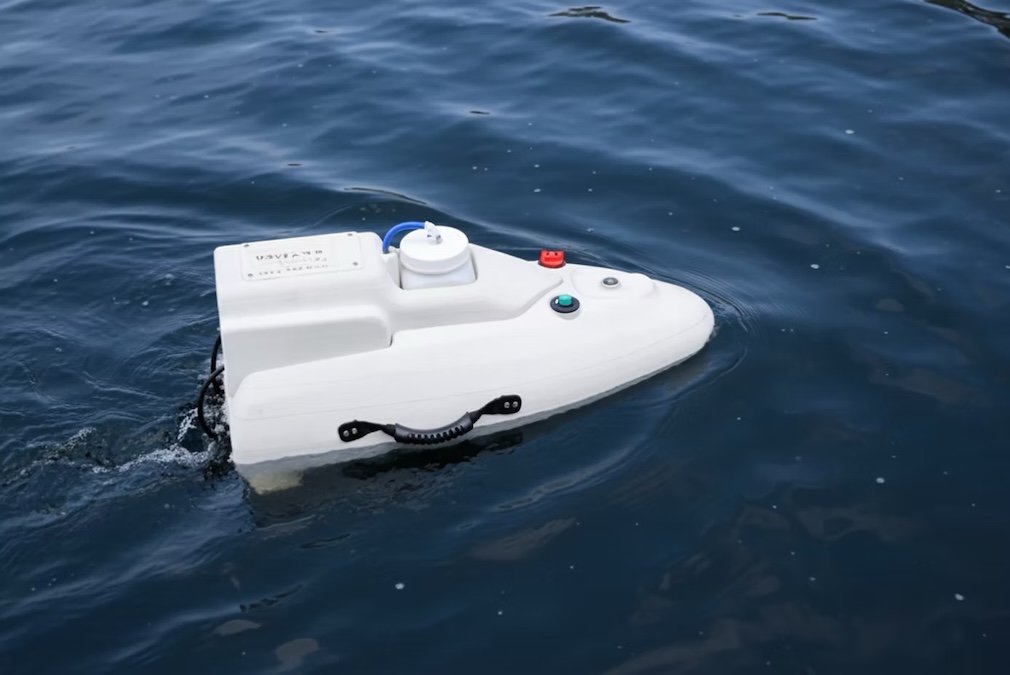
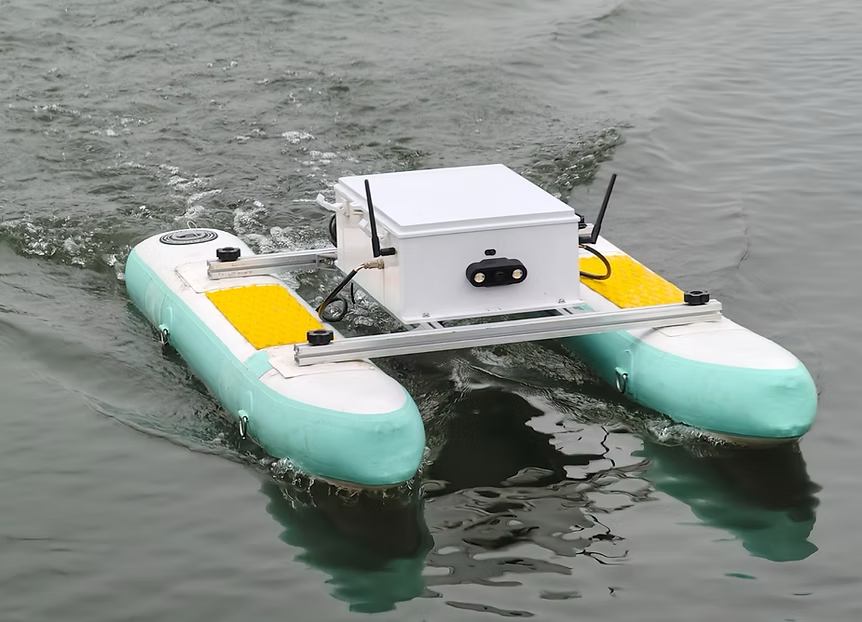
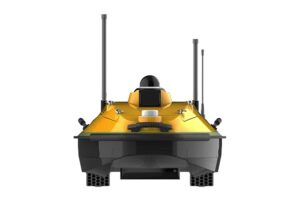
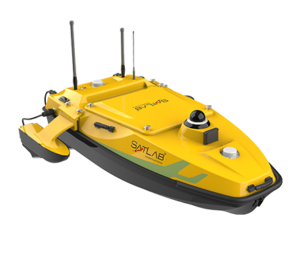
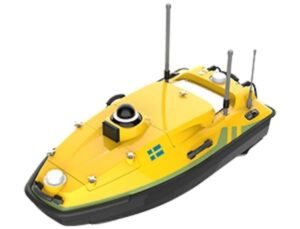
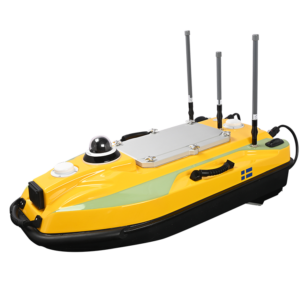
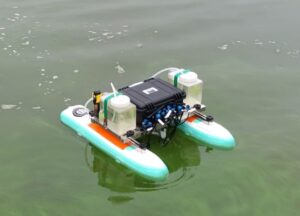
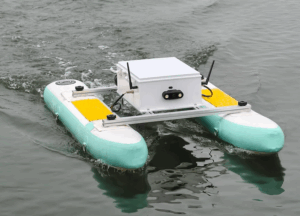
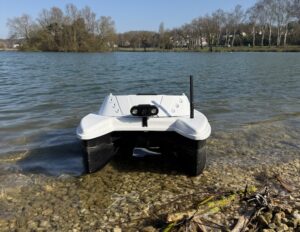
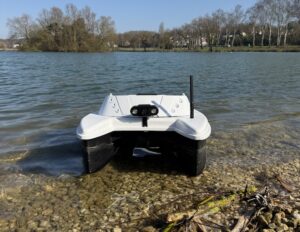
BX USV by AGISTAR
Environmental monitoring USVs are increasingly used where traditional vessels are impractical due to shallow water, hazardous conditions, endurance requirements, or budget constraints. Their low acoustic and environmental footprint also makes them suitable for sensitive habitats and long-term ecosystem studies.
Environmental Monitoring USV Applications
Coastal And Offshore Monitoring
USVs support long endurance monitoring of coastal waters and offshore zones, collecting data on currents, waves, temperature, salinity, and water quality. These missions support climate monitoring, marine spatial planning, and offshore environmental compliance.
Inland Water And River Monitoring
In rivers, lakes, and reservoirs, environmental monitoring USVs enable routine sampling and continuous measurement of turbidity, dissolved gases, pH, and pollutants. Their shallow draft and precise navigation are well-suited to constrained waterways.
Pollution And Spill Response
USVs are deployed for oil spill monitoring, chemical spill detection, and hydrocarbon sensing, using payloads such as fluorometers and complementary water-quality sensors. Rapid mobilization and autonomous coverage enable wide area assessment without exposing personnel to hazardous conditions.
Ecosystem And Habitat Monitoring
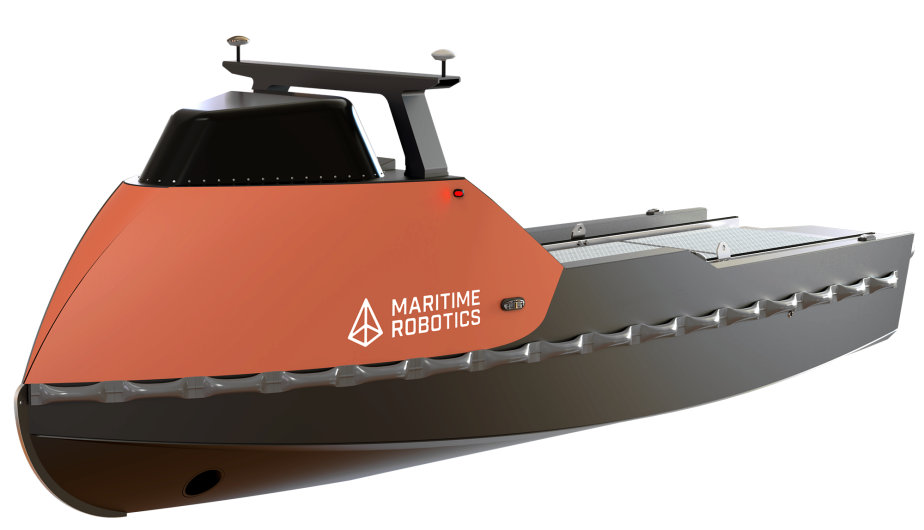
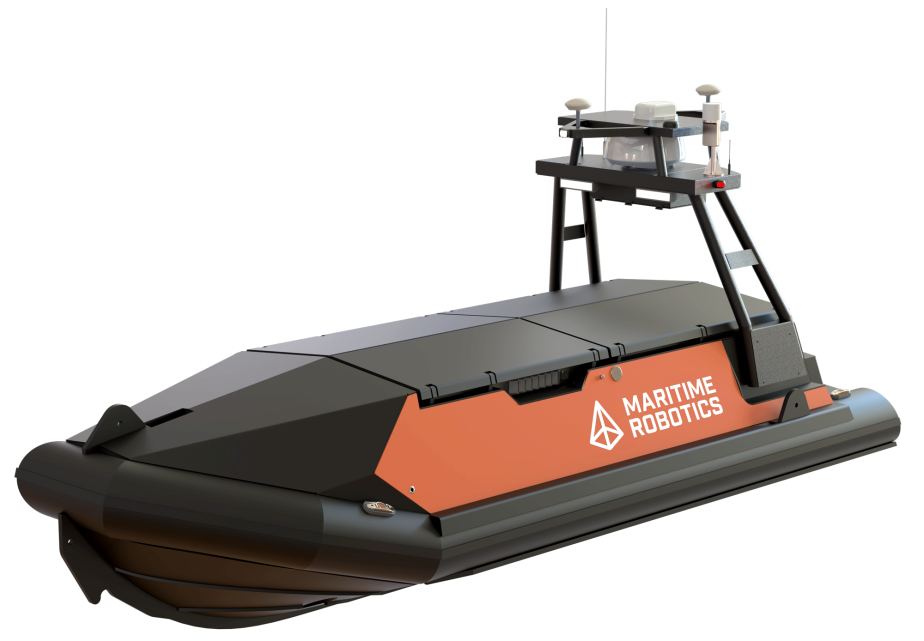
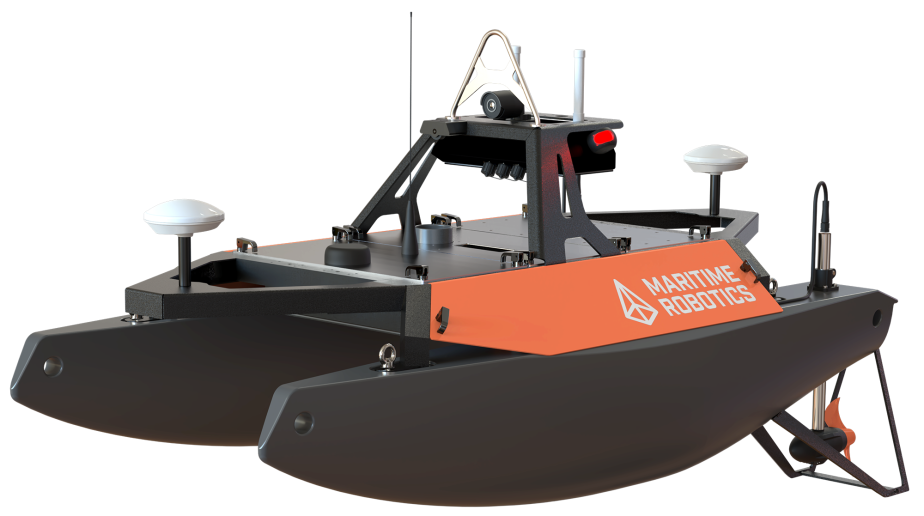
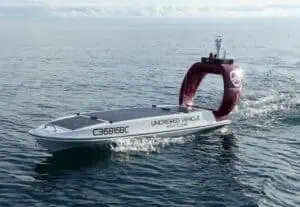
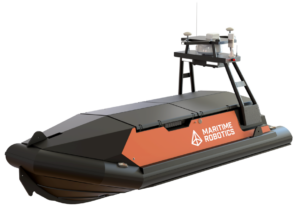
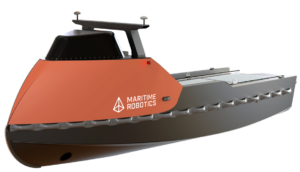
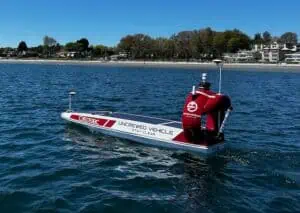
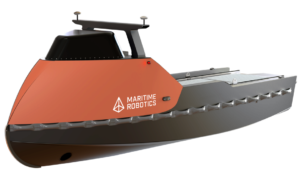
Mariner X Uncrewed Surface Vessel by Maritime Robotics
Environmental monitoring USVs support seagrass, coral reef, and habitat assessment by carrying optical, acoustic, and water-quality sensors. Low-speed endurance profiles enable detailed spatial and temporal data collection.
Meteorological And Oceanographic Research
Integrated weather stations, wave sensors, and current profilers allow USVs to act as mobile oceanographic platforms. These missions support atmospheric-ocean coupling studies and the validation of numerical models.
Types Of Environmental Monitoring USVs
Solar Powered Long Endurance USVs
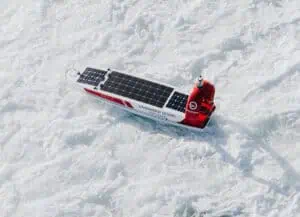
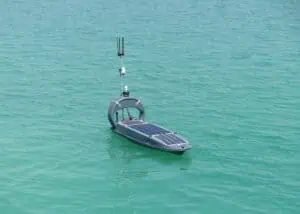
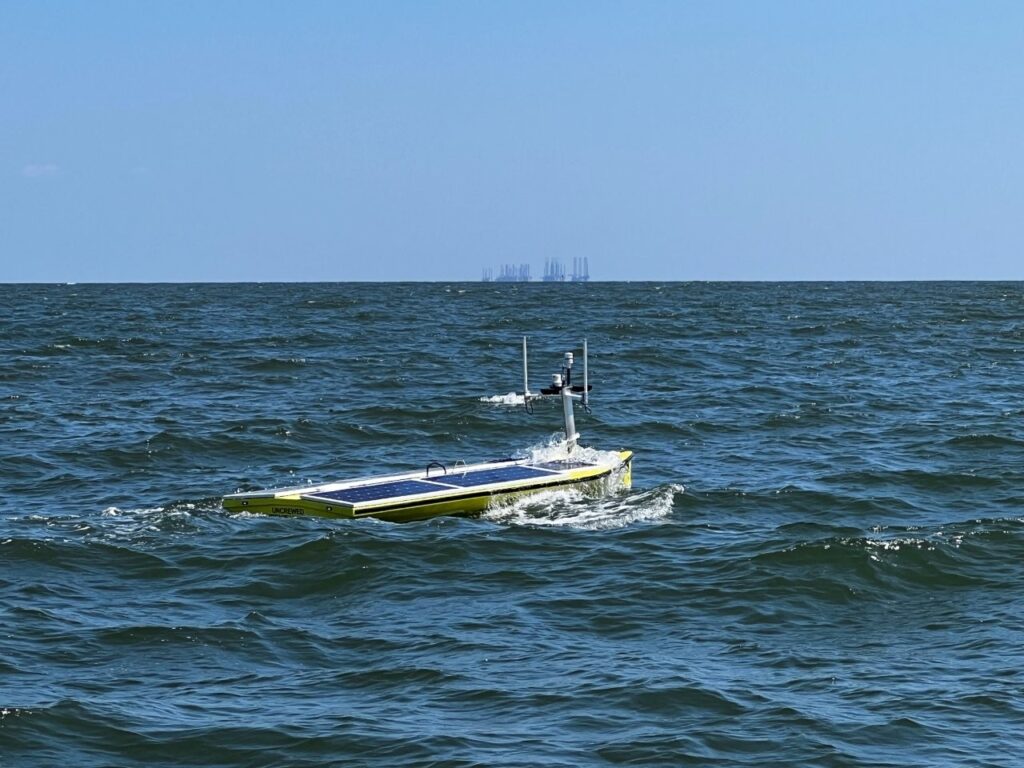
Solar-powered platforms prioritize endurance and low maintenance, enabling multi-week or multi-month missions. They are commonly used for climate monitoring, baseline environmental surveys, and remote-area observation.
Modular Payload USVs
These USVs feature configurable payload bays and standardized interfaces for rapid sensor integration. They support multi-mission roles across water quality monitoring, hydrographic surveying, and acoustic sensing.
Shallow Water And Nearshore USVs
Designed with shallow draft hulls and precise maneuvering, these platforms operate effectively in estuaries, lagoons, and nearshore zones. They are commonly used for habitat monitoring and regulatory surveys.
High Speed Survey USVs
High-speed USVs support rapid environmental assessments and time-sensitive missions. They are often used for pollution response, search operations, and wide-area reconnaissance surveys.
Environmental Monitoring USVs Compared To Crewed Vessels
Compared to traditional research vessels, environmental monitoring USVs reduce operational cost, crew risk, and logistical complexity. They enable persistent presence without fatigue limitations and can be deployed from small teams or shore facilities. While payload capacity and onboard processing are more limited than those of large vessels, advances in sensor miniaturization and autonomy continue to close this gap.
Compared with fixed monitoring buoys, USVs offer mobility and adaptive sampling. They can follow gradients, track plumes, and revisit areas of interest, providing richer datasets for ocean science and environmental analysis.
Key Subsystems And Sensor Integration
Environmental monitoring USVs rely on integrated navigation systems combining GNSS and inertial navigation for accurate positioning. Autopilot and collision avoidance systems support autonomous operation in mixed traffic environments. Communication systems may include radio, cellular, and satellite links depending on range and data requirements.
Environmental sensor integration typically includes sensors for temperature, salinity, dissolved oxygen, turbidity, chlorophyll, and pH. Acoustic payloads, such as single-beam or multibeam sonar, support bathymetric surveying and habitat mapping. Data loggers and onboard computers manage sensor fusion, storage, and transmission.
Standards And Regulatory Considerations
Environmental monitoring USVs are developed in accordance with international maritime and electrical standards relevant to ocean science operations. Common considerations include COLREGs for navigation, IEC 60945 for maritime electronics, and ISO standards for environmental monitoring instrumentation. For government and research programs, alignment with national and international environmental monitoring protocols is often required.
As regulatory frameworks for autonomous surface vehicles evolve, environmental monitoring USVs are increasingly designed to support compliance through remote identification, logging, and safe operational behaviors.
Unmanned surface vehicles for environmental monitoring are becoming core tools within ocean science and technology programs. Their ability to deliver flexible, persistent, and high-quality environmental data makes them well-suited to research institutions, environmental agencies, and commercial monitoring operators seeking scalable solutions for complex marine and freshwater environments.
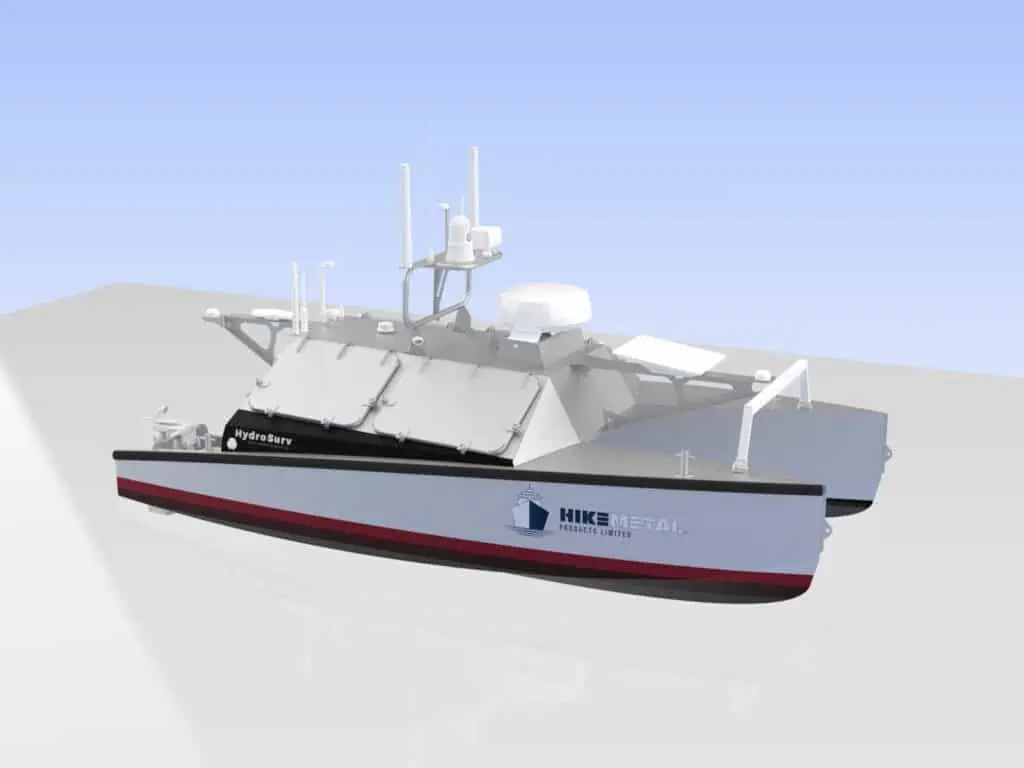
A technology licensing agreement enables Canadian shipbuilder Hike Metal to manufacture and support HydroSurv’s autonomous surface vessel platforms across Canada and the United States
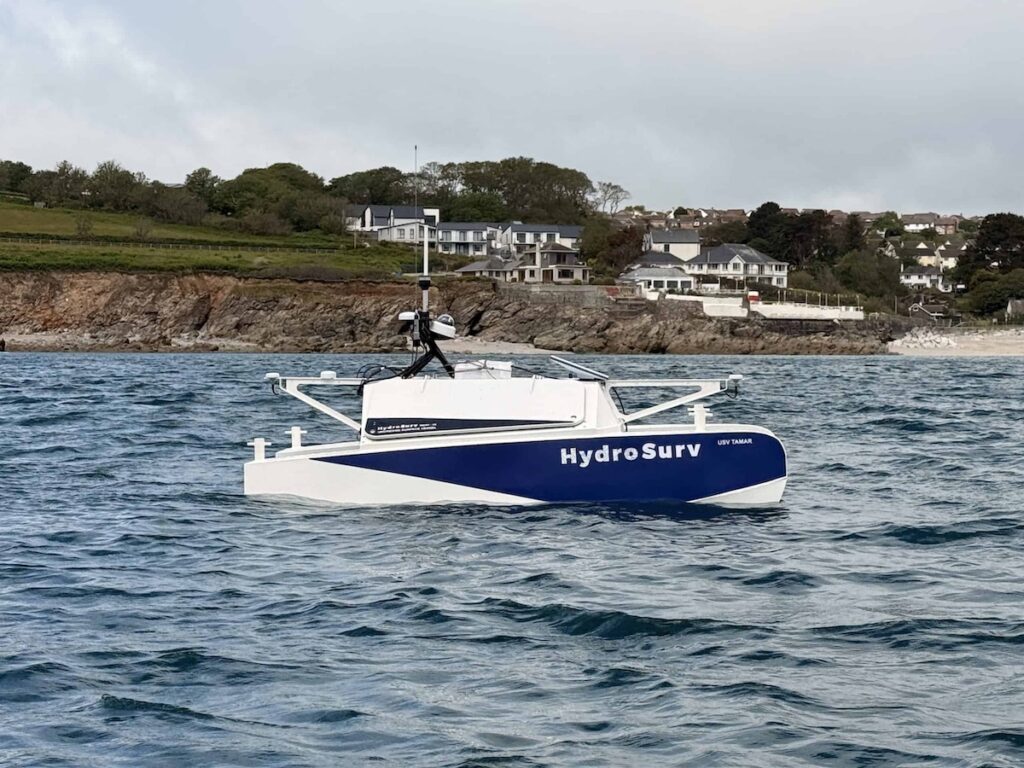
Subnero and HydroSurv are collaborating to integrate USVs with acoustic smart modems, delivering a continuous subsea monitoring solution that eliminates the need for routine crewed vessel mobilization campaigns
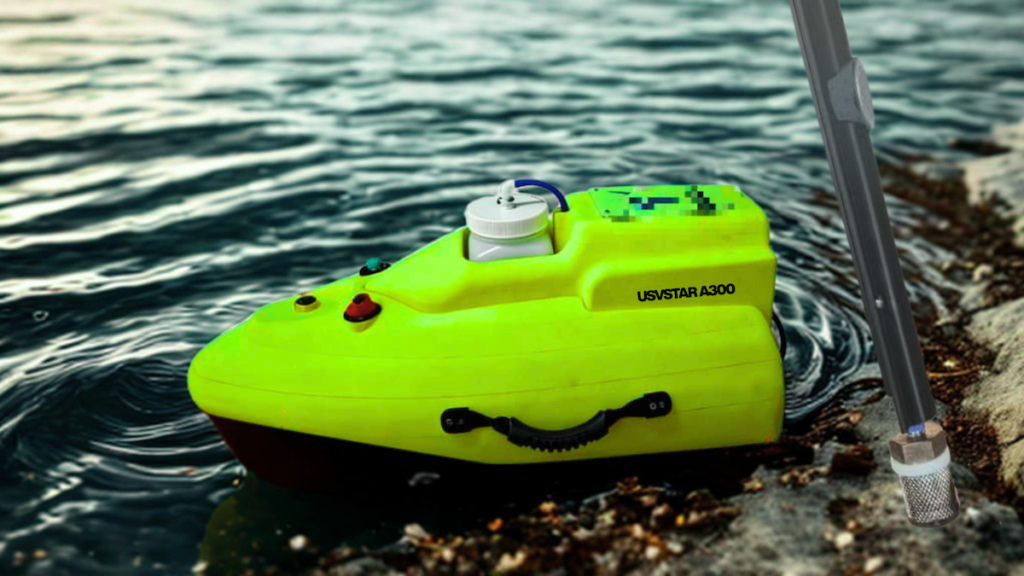
AGISTAR's USVSTAR A300 is an autonomous surface vehicle designed to streamline water sampling, supporting rapid, repeatable collection while maintaining sample integrity across a range of marine environments
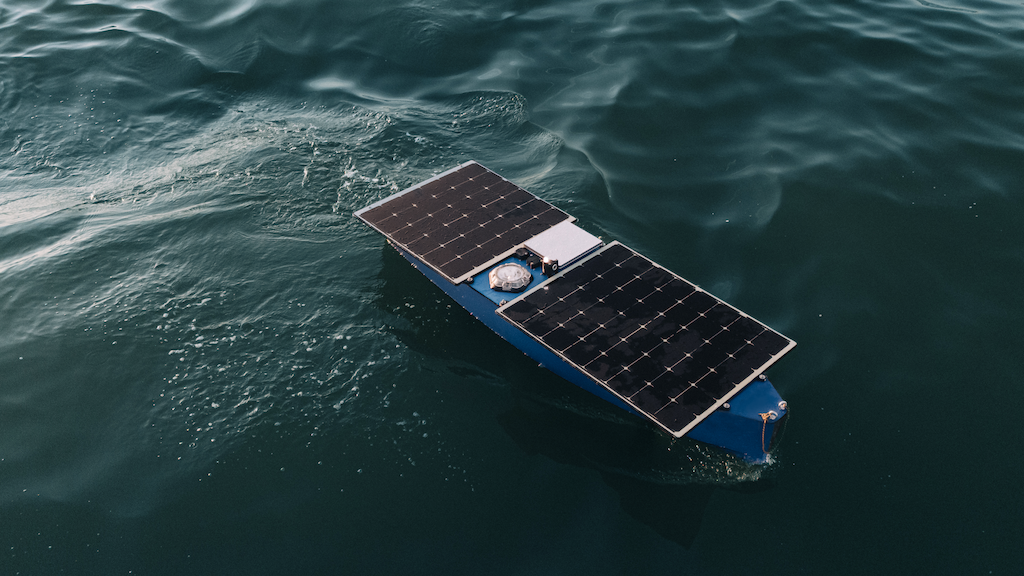
A solar-powered USV from Sofar Ocean & Online Oceans enables scalable and persistent ocean monitoring in remote deep water locations where traditional moorings are often difficult to deploy and maintain
Open Ocean Robotics spoke to OST at Oceanology International 2026 in London, with CEO and Co-Founder Julie Angus outlining the company’s solar-powered USV platform and AI-enabled maritime monitoring capabilities
Demcon unmanned systems delivers a compact autonomous USV to Rijkswaterstaat, enabling advanced hydrographic surveying and monitoring in locations unsuitable for conventional survey vessels