

Showcase your capabilities
If you design, build or supply Vessel Power Management, create a profile to showcase your capabilities and connect with visitors who have an active requirement for your solutions.


Modern vessels and remotely operated vehicles (ROVs) rely on advanced power management systems to meet the growing demands for efficiency and sustainability. From enhancing energy efficiency to integrating renewable energy and ensuring fault-tolerant operation, these systems are essential for modern maritime platforms. Power management in this context involves the seamless coordination of various electrical components and power sources, ranging from diesel generators and battery energy storage systems to photovoltaic solar panels and fuel cells, ensuring optimal performance in increasingly complex operational environments.
Read the Technology Overview


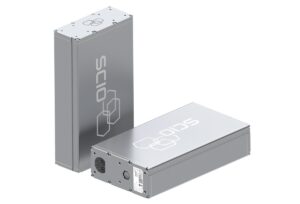
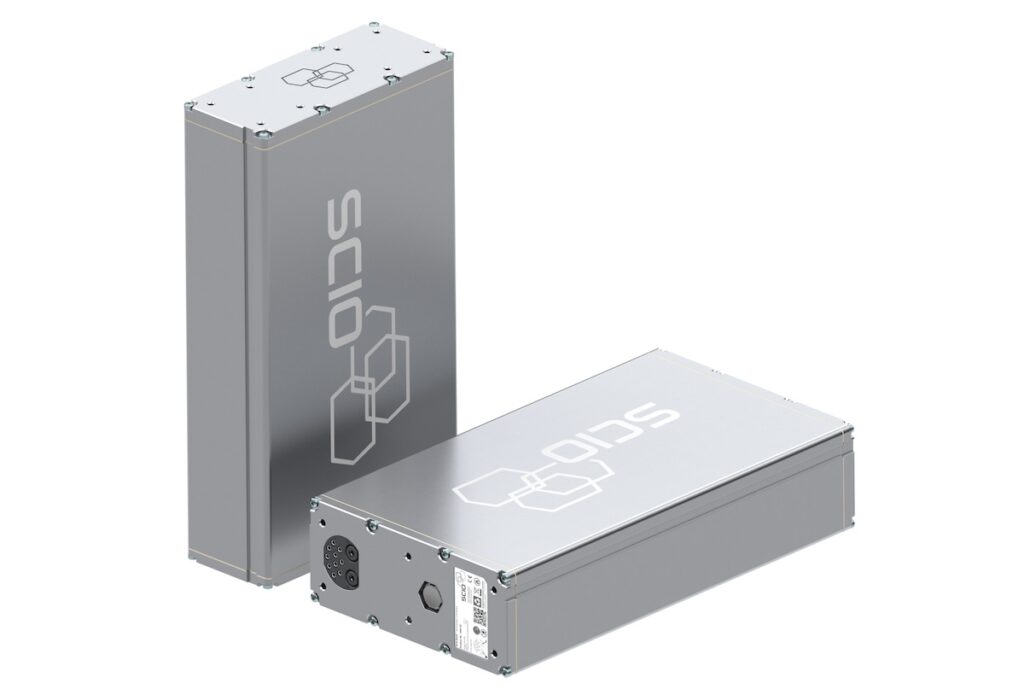
Innovative SCIO Brick® Battery System for Maritime Crewed & Uncrewed Vessels, and Infrastructure

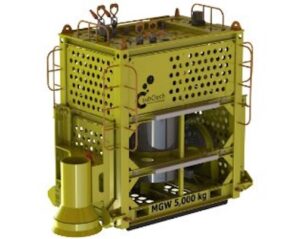
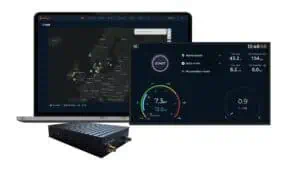
Marine Monitoring Systems for Surface & Underwater Vessels | Advanced Power Solutions for Subsea Vehicles

If you design, build or supply Vessel Power Management, create a profile to showcase your capabilities and connect with visitors who have an active requirement for your solutions.

Marine power management refers to the monitoring, control, and distribution of electrical energy aboard vessels and remotely operated vehicles (ROVs). The purpose of a PMS is to ensure the continuous availability of electrical power while optimizing energy efficiency, enabling the use of renewable energy, and maintaining redundancy in critical systems.
In the marine environment, operational reliability is not just a priority; it is a necessity. Power management systems are designed to handle a diverse range of power sources and dynamically allocate electricity to propulsion systems, communication protocols, mission equipment, and life-support systems without interruption. Whether powering an electric boat or managing the hybrid energy systems of an offshore support vessel, PMS solutions serve as the central nervous system of a vessel’s electrical architecture.
A typical PMS is composed of several integrated subsystems, including:
Diesel generators remain the backbone of energy production for many vessels. However, increased focus on sustainability has prompted the integration of alternative sources such as fuel cells, photovoltaic panels, and hybrid power generation units. These systems often work in concert, requiring load controllers and generator automation software to manage energy flows efficiently.
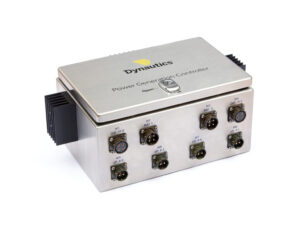
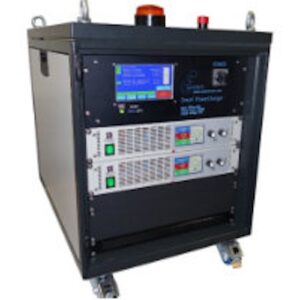
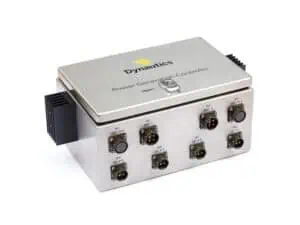
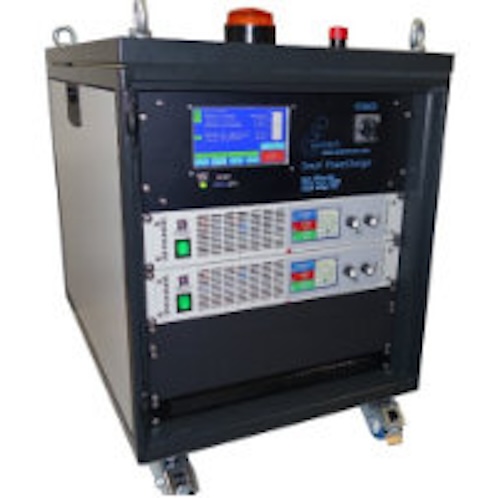
Power Management System by Dynautics
Battery banks and battery energy storage systems (BESS) are used to store energy for peak demands or as emergency reserves.
Inverters and AC/DC converters regulate voltage levels to match load requirements, while rectifiers convert alternating current to direct current for battery charging.
Power is distributed via marine-grade switchboards, circuit breakers, and power distribution panels. These components ensure safe and efficient power delivery to mission-critical systems. Voltage regulators and current sensors maintain stability in response to fluctuating load demands.
Programmable logic controllers (PLCs), marine automation platforms, and power management modules form the brain of a PMS. These systems utilize communication interfaces, such as Modbus, to interact with various components and provide centralized control. Remote power control systems and data logging units enhance situational awareness and predictive maintenance capabilities, thereby improving overall operational efficiency.
Efficient use of energy is a critical factor in modern vessel operations. Load shedding algorithms allow PMS platforms to temporarily disable non-critical systems during power shortages, preserving energy for essential operations. Load management tools distribute energy across shipboard power systems to prevent overloads, optimize generator loading, and reduce fuel consumption.
Energy efficiency optimization strategies also include intelligent scheduling of energy-intensive activities and real-time performance tuning using energy monitoring sensors. These systems help reduce operating costs and extend the lifespan of onboard electrical infrastructure.
In high-stakes environments like offshore drilling, military patrols, or autonomous survey missions, a reliable power supply can make the difference between success and failure. Redundant power supplies, backup generators, and dual power feeds for mission-critical systems ensure that a fault in one part of the system does not lead to a complete shutdown.
Emergency power systems and fault protection technologies isolate and neutralize power failures before they can spread and cause further damage. Fault detection and fault isolation functions are integrated into most modern PMS platforms, enabling real-time responses and system recovery procedures.
Photovoltaic solar panels and fuel cells are increasingly being integrated into marine power systems. These renewable energy systems not only reduce environmental impact but also provide additional power sources that can be crucial during extended missions.
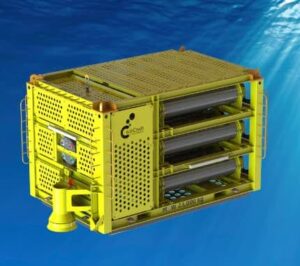
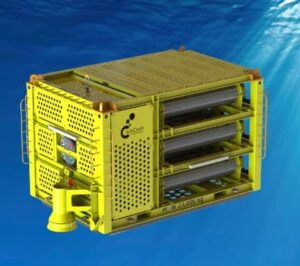
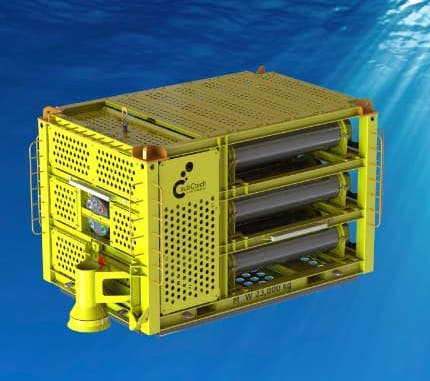
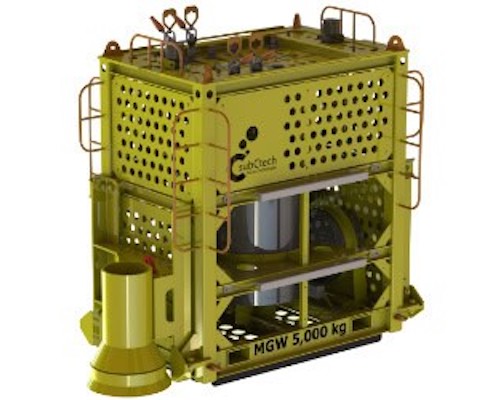
Battery Storage Skid (BSS) by SubCtech
Renewable energy integration into PMS requires specialized power conversion units and hybrid marine power controllers capable of managing inconsistent power supply from solar or fuel-based sources. These are especially valuable in electric propulsion systems and for powering ancillary systems on hybrid vessels, including research vessels, tugboats, and unmanned surface vessels.
Marine vessels operating in isolated or hazardous environments rely heavily on remote monitoring systems. These systems utilize communication protocols and automation controllers to monitor system performance, detect anomalies, and trigger corrective actions.
With the advancement of marine energy management platforms, remote monitoring now includes real-time visualization of energy usage, automated load distribution, and energy analytics. Power management software enables centralized control from shore-based command centers or from within the vessel’s bridge systems.
Each vessel type presents unique power challenges. For example:
As the maritime sector moves toward automation and decarbonization, PMS technologies and advanced vessel efficiency management systems are evolving to support digitalization and energy transition goals. The integration of artificial intelligence (AI), edge computing, and Internet of Things (IoT) devices is expected to refine power optimization strategies further.
Modular PMS designs are also emerging, enabling scalable installations across various vessel classes, from mine countermeasure vessels to pilot boats. These systems can adapt to changes in operational requirements, energy sources, or environmental regulations, providing flexibility and future-proofing investments.
As the industry shifts toward sustainability and automation, PMS technology will continue to evolve, providing enhanced energy intelligence, operational resilience, and regulatory compliance to vessels of all sizes and missions.
 Searching Companies & Products
 Subscribe to the Weekly eBrief
The latest engineering and technical developments straight to your inbox - join thousands of engineers who receive it.
Subscribe to the Weekly eBrief
The latest engineering and technical developments straight to your inbox - join thousands of engineers who receive it.