Select and procure pipeline inspection support USVs from experienced manufacturers and suppliers supporting offshore subsea inspection, monitoring, and integrity management operations. These uncrewed surface vessels provide stable, persistent surface support for ROVs, diver-assisted systems, tracked inspection vehicles, and autonomous payloads operating along subsea pipeline routes.
If you design, build or supply Pipeline Inspection Support USVs, create a profile to showcase your capabilities and connect with visitors who have an active requirement for your solutions.
Pipeline inspection support vessels are purpose-built unmanned surface platforms designed to replace or augment crewed offshore support vessels during inspection, survey, and monitoring activities.
Operating under remote control or supervised autonomy, these vessels deliver precise navigation, station keeping, and subsea system support while reducing operational risk and cost.
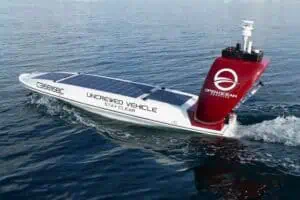
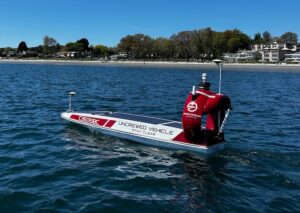
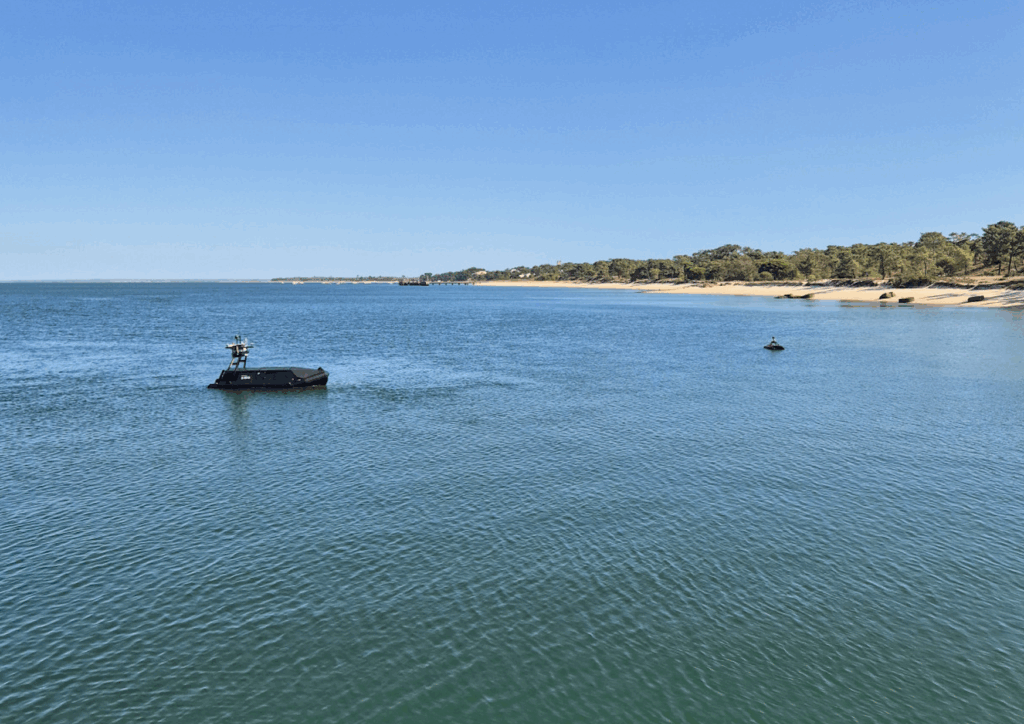
USV for pipeline inspection, DataXplorer Survey, from Open Ocean Robotics.
For offshore science, energy, and infrastructure operators, pipeline inspection support USVs enable extended endurance missions, improved data continuity, and safe operations in environments where crewed vessels are inefficient or impractical. Their modular architecture allows rapid integration of inspection payloads, launch and recovery systems, and mission control software.
Support USV Applications and Use Cases
ROV-Supported Pipeline Inspection
USVs provide launch, recovery, and surface power support for inspection ROVs conducting visual and sensor-based inspections of subsea pipelines.
Subsea Pipeline Integrity Monitoring
Persistent surface presence enables repeat inspection passes and monitoring of known integrity risks along pipeline corridors.
Diver and Hybrid Inspection Support
Inspection support USVs can act as surface coordination platforms for diver-assisted inspections in shallow and nearshore environments.
Offshore Inspection Campaigns
Long-endurance USVs support multi-day inspection operations without the logistics burden of crewed vessels.
Subsea Asset and Infrastructure Inspection
Beyond pipelines, these platforms support inspection of manifolds, crossings, and associated subsea infrastructure.
Types of Pipeline Inspection Support USVs
ROV Support USVs
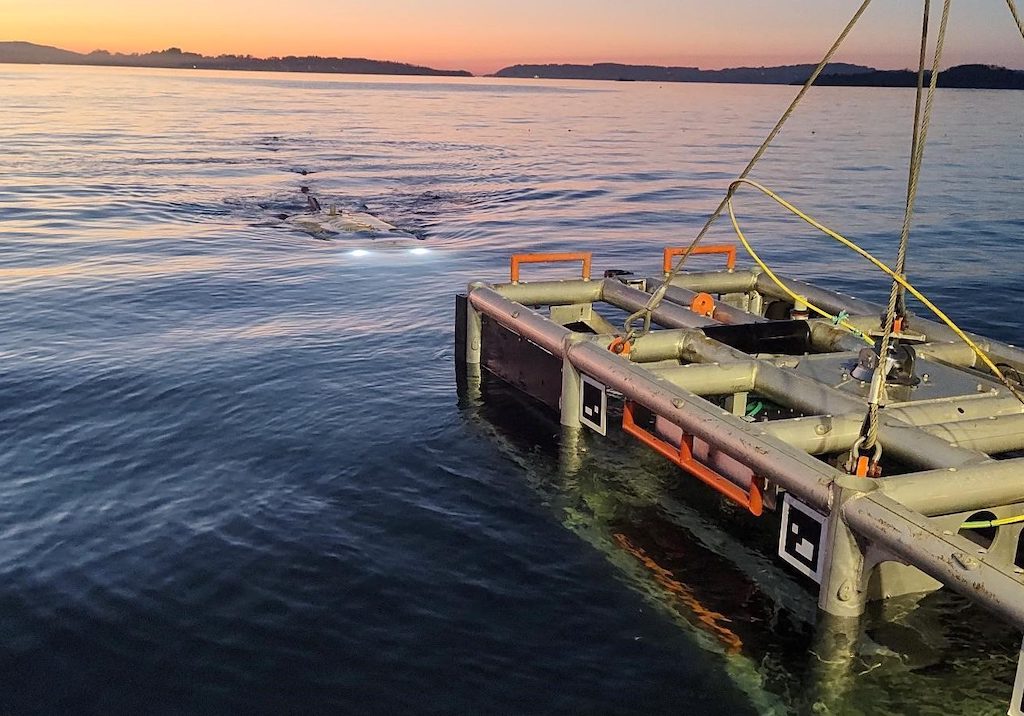
Designed with deck space, winch systems, launch and recovery systems (LARS), and tether management for inspection-class and work-class ROV deployment.
Hybrid Inspection Support USVs
Platforms combining autonomous navigation with remote piloting for complex inspection and intervention tasks.
Long-Endurance Inspection USVs
Vessels optimized for extended missions with hybrid or electric propulsion and low fuel consumption profiles.
Autonomous Inspection Support USVs
Systems capable of supervised autonomy during transit and inspection station keeping operations.
Key Capabilities and System Architecture
Inspection support USVs are engineered to enable subsea inspection operations. Hull designs emphasize seakeeping, deck load capacity, and dynamic positioning to safely support launch, recovery, and sustained operation of inspection assets working directly above pipeline infrastructure.
Integrated navigation systems combine GNSS-aided INS and collision-avoidance sensors to maintain precise station-keeping and alignment with subsea vehicles and tools. Satellite communications and remote control stations enable continuous oversight during offshore inspection campaigns, while onboard power generation and distribution support deck systems and subsea operations, including LARS, winches, and tether management for work-class ROV missions.
Comparison With Crewed Inspection Support Vessels
Compared to traditional offshore support vessels, pipeline inspection support USVs offer reduced operating costs, lower emissions, and improved safety by removing personnel from hazardous offshore environments while still providing continuous surface support to subsea inspection systems.
These vessels are particularly effective for routine inspection campaigns, monitoring programs, and early-stage integrity assessments by supporting ROVs, towed systems, tracked vehicles, and diver-assisted tools deployed to perform the actual inspection tasks. Crewed vessels are typically retained for heavy intervention, repair, and construction activities that require human presence and high deck loads.
Integration With Subsea Systems
Inspection support USVs are designed to integrate with ROV launch and recovery systems, tether management systems, deck cranes, and payload bays. Power and data interfaces support real-time transfer of inspection data to shore-based mission control software, enabling rapid analysis and decision-making.
Modular deck layouts allow reconfiguration between pipeline inspection, survey support, and subsea asset monitoring roles without extensive refit.
Standards, Regulations, and Operational Alignment
Pipeline inspection support USVs are typically aligned with offshore and subsea operational frameworks, including IMCA guidance for ROV operations, offshore navigation regulations, and client-specific inspection and integrity management standards. Cybersecurity, data integrity, and compliance with remote operations are increasingly critical considerations for offshore operators.
As regulatory acceptance of uncrewed systems expands, inspection support for USVs is gaining adoption across offshore pipeline inspection and monitoring programs.
Reach Subsea will deploy its uncrewed surface vessel Reach Remote 1 for gas reservoir monitoring and subsea maintenance projects on the Norwegian Continental Shelf
Open Ocean Robotics spoke to OST at Oceanology International 2026 in London, with CEO and Co-Founder Julie Angus outlining the company’s solar-powered USV platform and AI-enabled maritime monitoring capabilities
PlanBlue and Orpheus Ocean have collaborated to integrate advanced AI-driven imaging with autonomous underwater vehicles, enabling enhanced monitoring and analysis of critical deep-sea environments
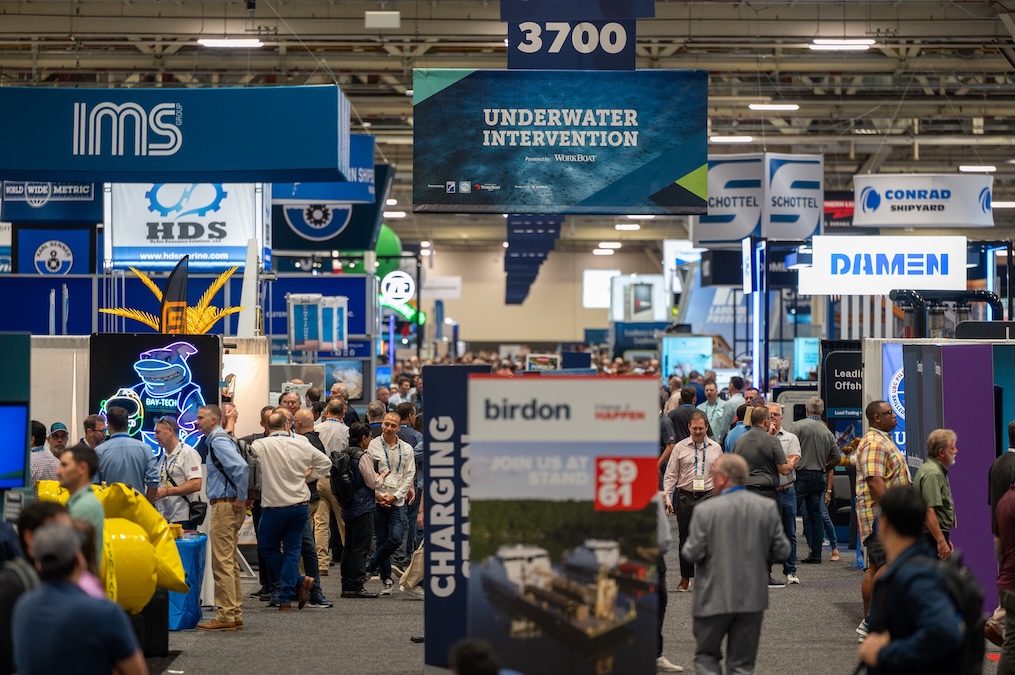
Underwater Intervention 2025, taking place from December 3-5 in New Orleans, will feature three days of technical programming, more than 100 exhibitors, and opportunities for networking across the offshore and underwater industry
Oceanbotics’ SRV-8 ROV is enhancing hurricane preparedness in Florida, providing safe, high-resolution underwater inspections of pipelines, canals, and culverts to support infrastructure resilience and post-storm disaster response
Oceaneering International’s Freedom AUV completed a high-quality Pipeline Inspection Industrial Pilot of over 120km of sub-marine lines to aid TotalEnergies reach Net Zero by 2050