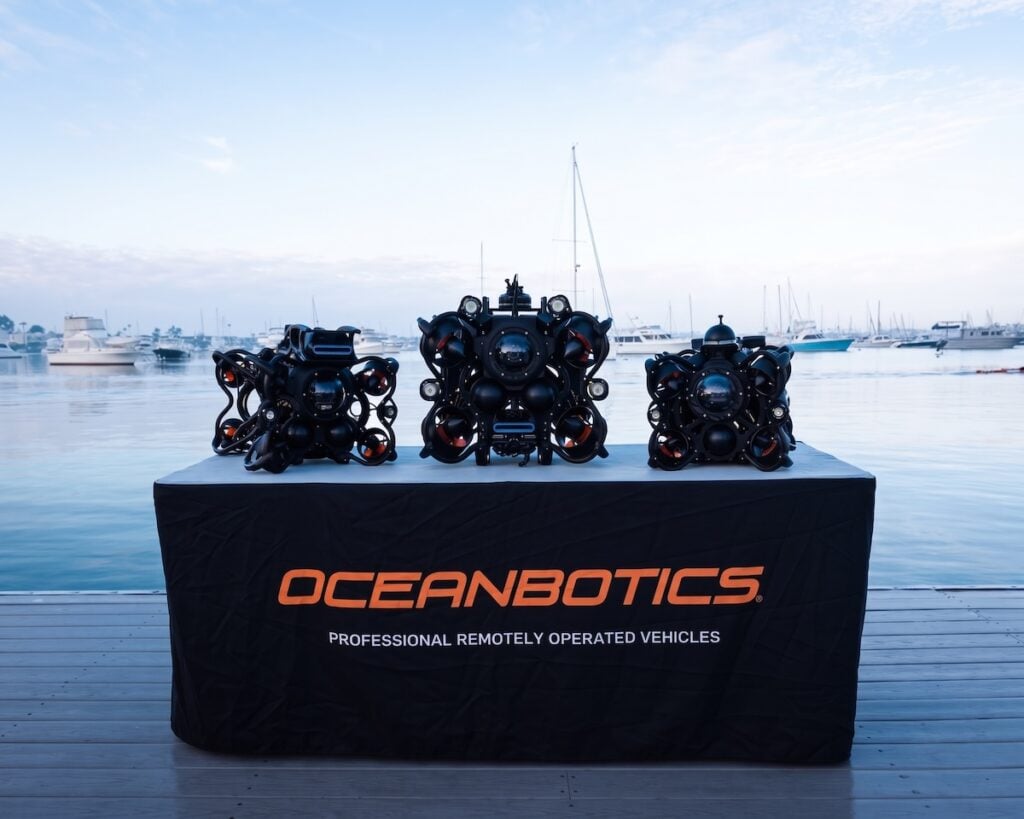



Oceanbotics remotely operated vehicles (ROVs) are playing a key role in post-hurricane infrastructure assessments across Florida, providing inspection crews with a safer and more efficient method for evaluating submerged systems following extreme weather events.
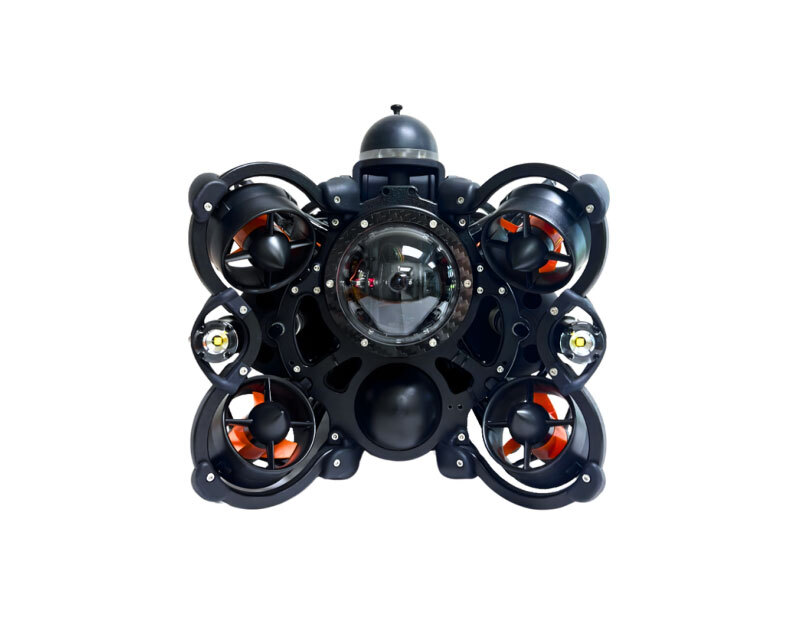
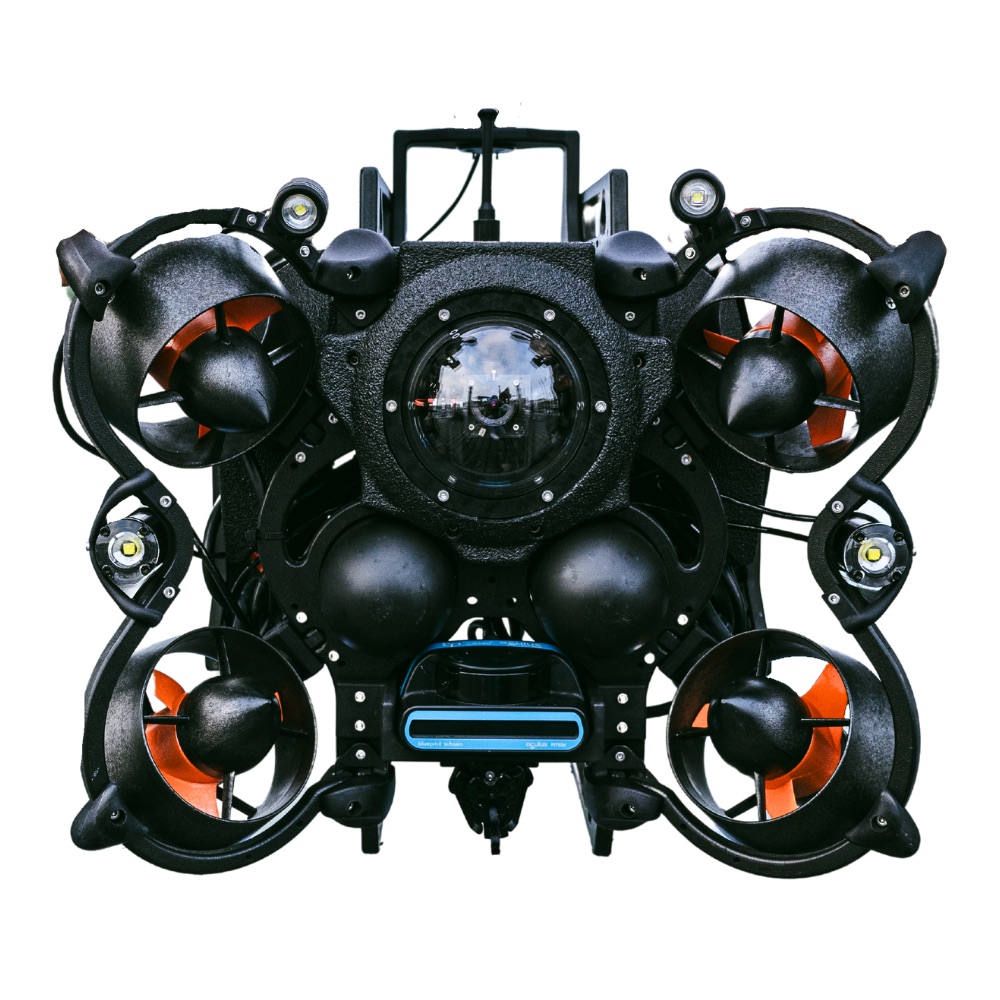
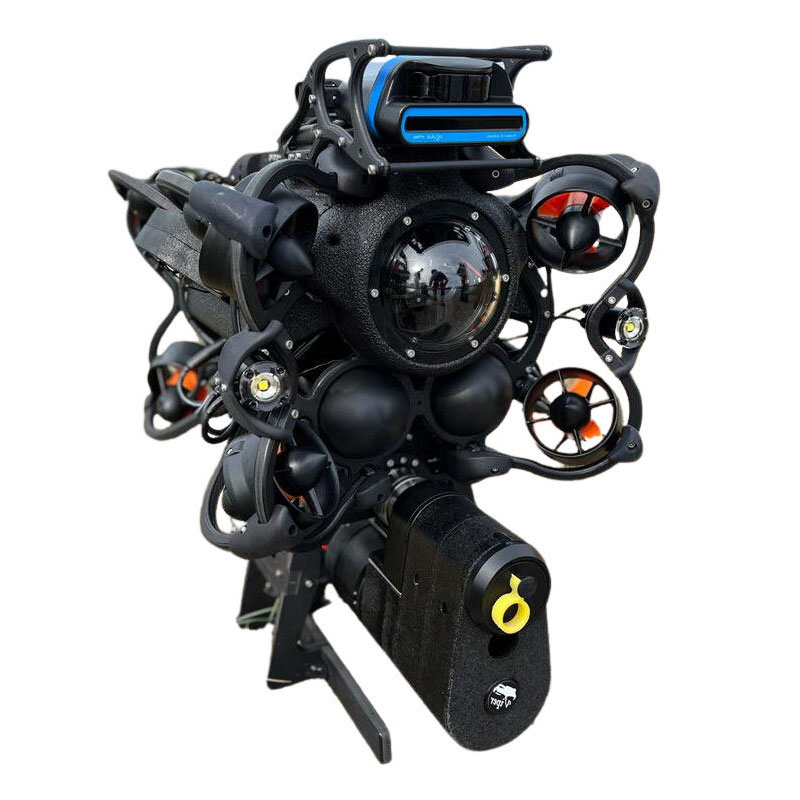
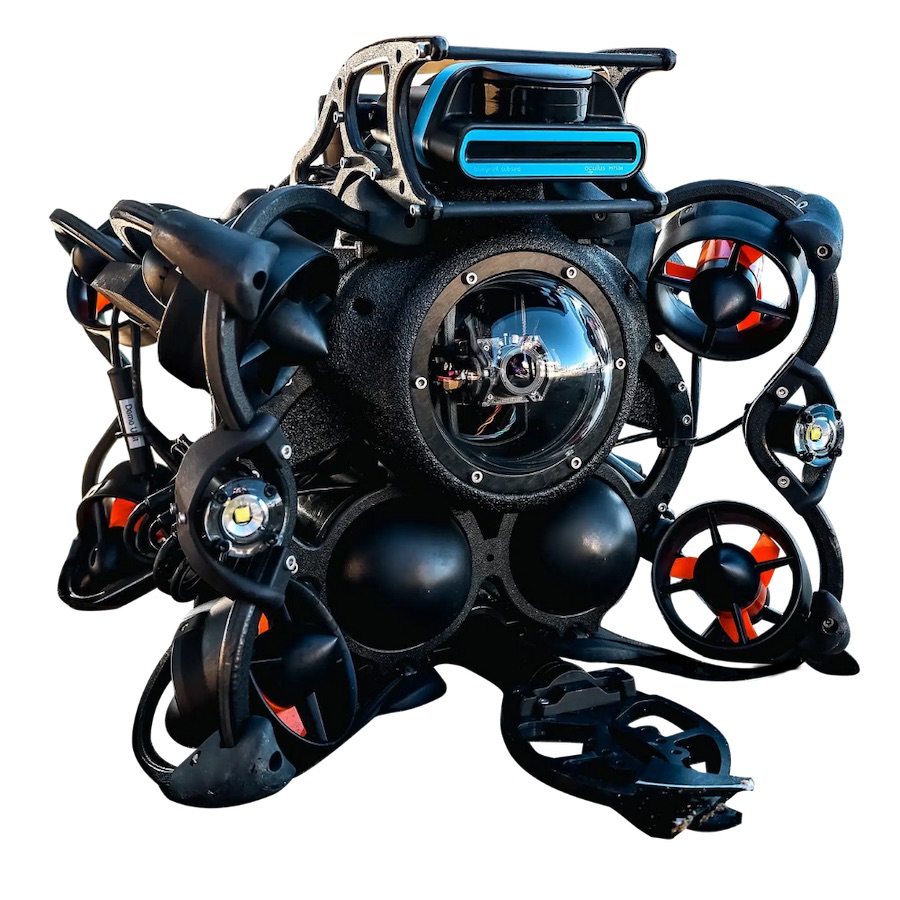
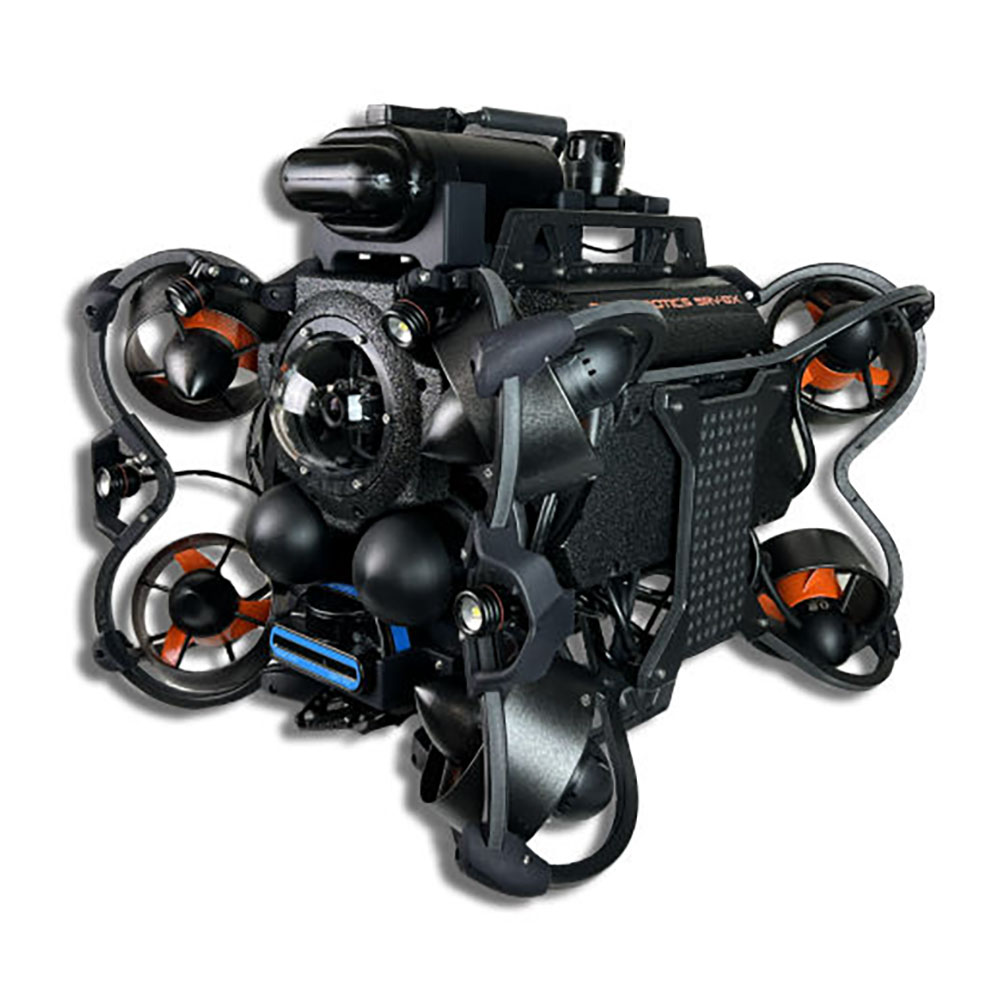
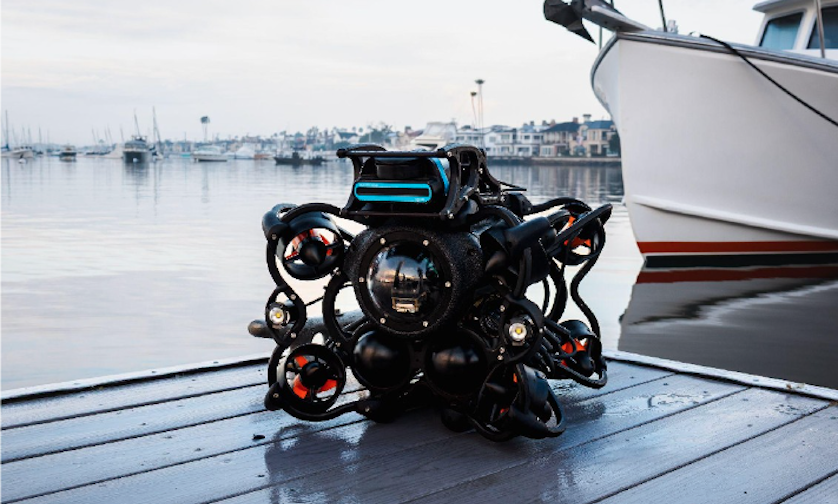
The company’s SRV-8 ROV, equipped with high-resolution sonar and advanced navigation capabilities, has become an essential tool for disaster response teams preparing for increasingly frequent and severe storms.
Pre- and Post-Storm Assessments
Civil engineering teams across the state are prioritizing inspections of critical infrastructure, including pipelines, canals, culverts, and roadways, to ensure systems remain resilient during flooding. Traditionally, these surveys relied on professional divers working in hazardous and often zero-visibility conditions. By deploying ROVs first, crews can now conduct thorough evaluations without exposing divers to dangerous environments such as alligator-prone floodwaters or storm-damaged canals.
The SRV-8 delivers high-resolution video and sonar imaging from the surface, providing inspection teams with detailed insights that guide repair and reinforcement decisions. This approach allows for faster, safer, and more accurate assessments of submerged structures.
Advanced ROV Capabilities
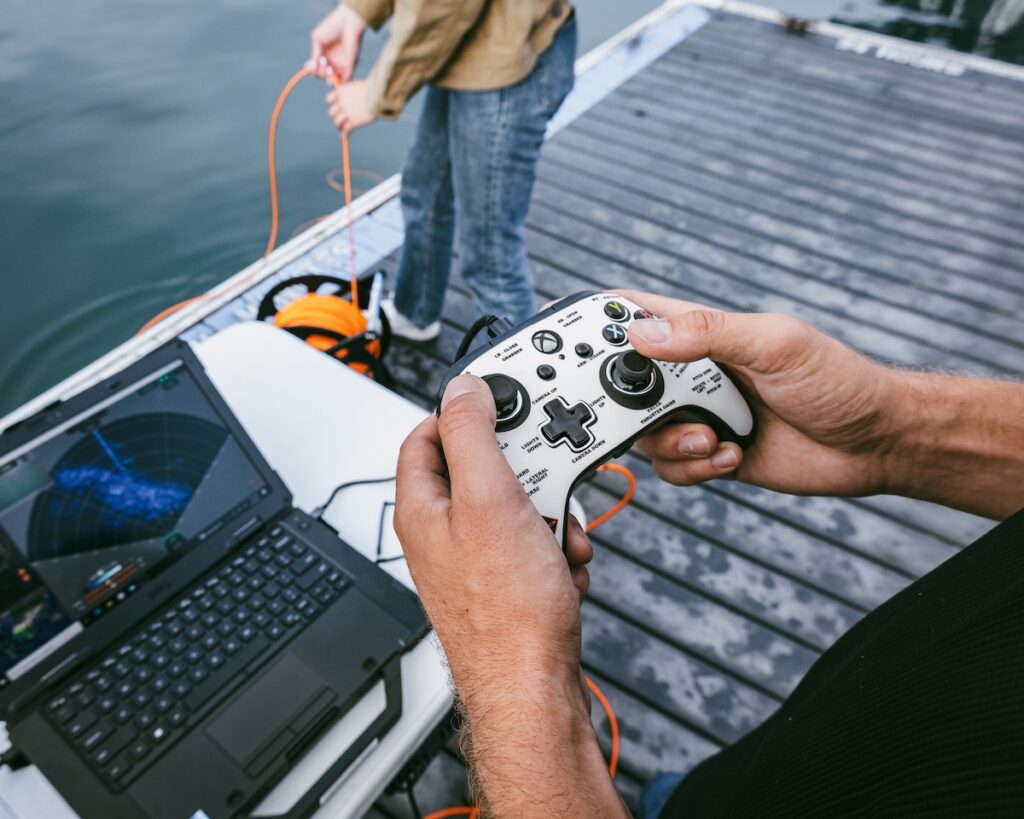
Oceanbotics’ SRV-8 features intuitive software, a handheld controller, and multiple imaging systems including 2D sonar and pipe-profiling sonar. These tools allow operators to identify cracks, blockages, sediment buildup, and structural weaknesses in submerged infrastructure. With eight thrusters, the ROV provides precision maneuverability, allowing it to access confined areas that are otherwise unreachable.
Pipe profiling, in particular, enables cross-sectional scans of culverts and drains by generating detailed sonar images of internal conditions. This data helps determine whether a pipeline is structurally sound, partially obstructed, or at risk of failure, supporting more informed decision-making for stormwater management.
Field Deployment Highlighted on Smithsonian Channel
The SRV-8 was recently featured in the Smithsonian Channel series How Did They Fix That? (Season 4, Episode 3, “Water Work”), where Florida-based Underwater Engineering Services Inc. (UESI) demonstrated its use for post-hurricane inspections.
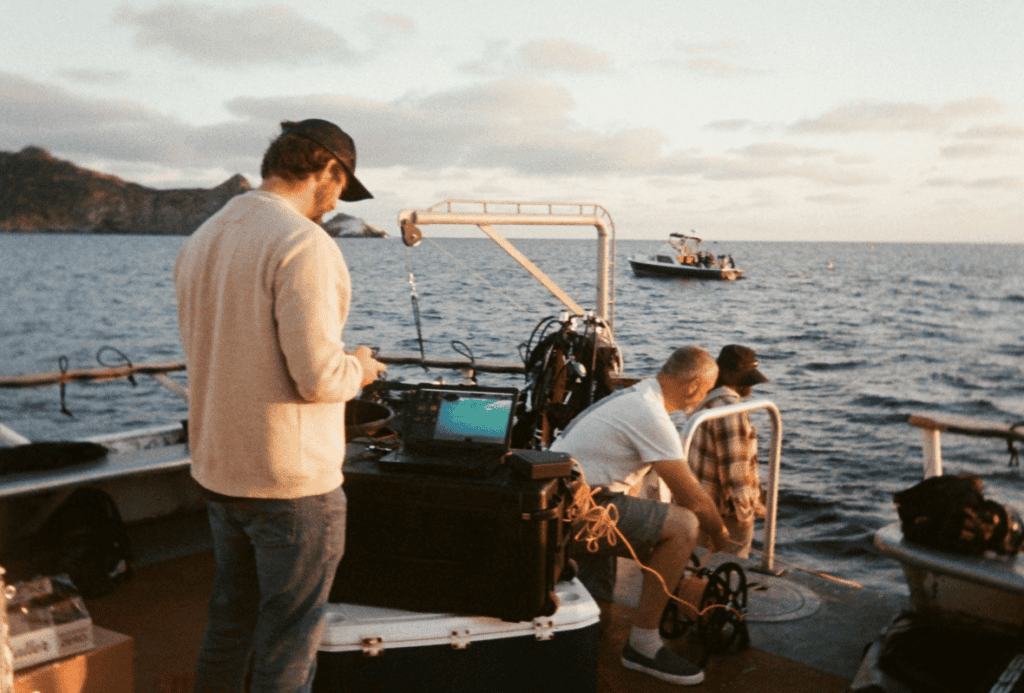
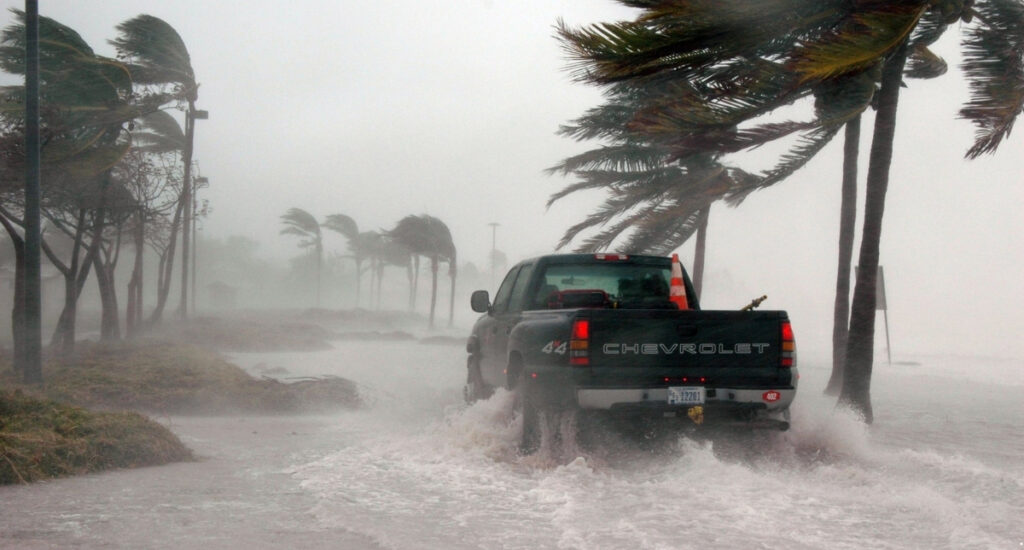
During the episode, the ROV was deployed in flooded roadside canals near Fort Pierce, Florida, following Hurricane Milton. Operator Max Jackson explained, “You’re able to go around in the water with zero visibility and have a perfect picture of what you’re picking up through the sonar on the laptop. And when you have eight thrusters on the ROV, you’re able to maneuver around certain places a human diver wouldn’t be able to do.”
Using Oceanbotics’ SubNav OS software, Jackson piloted the SRV-8 through storm-damaged culverts. The system’s live sonar imaging confirmed whether pipe joints remained sealed and structurally sound, while pipe-profiling scans provided a three-dimensional view of internal conditions.
Resilient Infrastructure
As climate-related disasters increase in frequency and intensity, inspection technologies that improve safety and efficiency are becoming critical to disaster preparedness. Remotely operated vehicles, such as the SRV-8 allow crews to conduct rapid evaluations of stormwater infrastructure, enabling early detection of vulnerabilities and supporting more effective emergency management strategies.
With proven applications across law enforcement, search and rescue, and civil engineering, Oceanbotics’ ROVs are providing response teams with a reliable and cost-effective way to prepare for future hurricanes.