Ocean noise pollution, driven by sonar pings and various underwater activities, poses significant risks to marine ecosystems. This page features methods and technologies used to monitor underwater noise levels and manage underwater radiated noise, essential for protecting marine life and maintaining ocean health.
If you design, build or supply Ocean Noise Pollution Monitoring, create a profile to showcase your capabilities and connect with visitors who have an active requirement for your solutions.
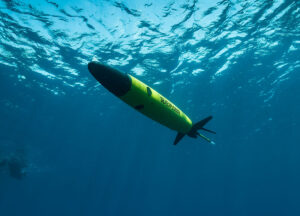
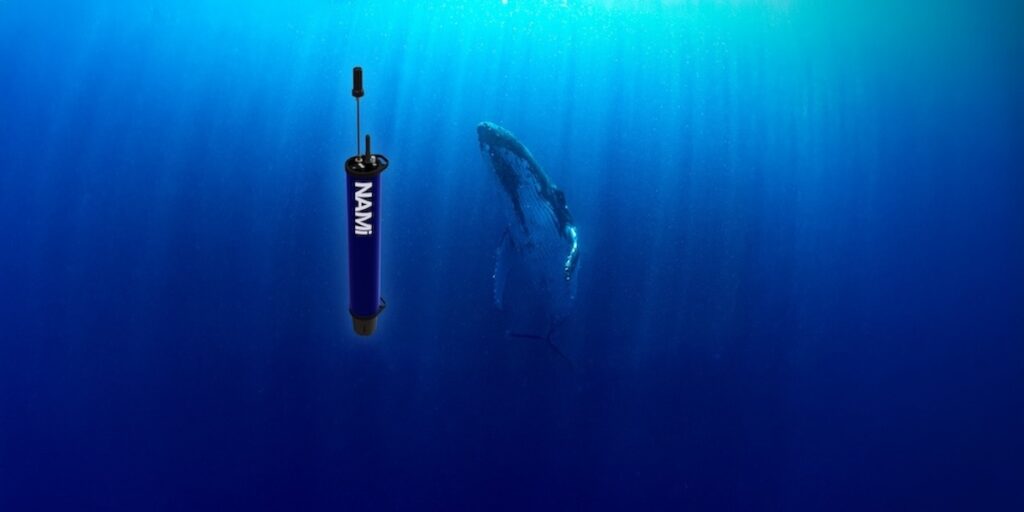
Autonomous acoustic float for long-term underwater noise monitoring
Autonomous acoustic float for long-term underwater noise monitoring
...observation of underwater soundscapes. Utilizing a precision hydrophone and Iridium-based telemetry,... ......earchers and regulators conducting conservation, compliance, and noise mapping programs...
Ocean noise pollution is an increasing concern in marine environments, posing significant risks to marine life and ecosystems. The growing presence of human activities in the ocean, such as shipping, offshore construction, and military exercises, has led to a substantial increase in underwater noise levels. Monitoring ocean noise pollution using sonar devices and other technologies is essential for understanding the sources and impacts of these sounds and for implementing effective strategies to mitigate their effects.
Underwater Noise Pollution Impact
The introduction of harmful or disruptive sounds into the marine environment can come from various sources, including ship engines, sonar devices, drilling operations, and other industrial activities. The continuous and often intense noise generated by these activities can have detrimental effects on marine life, particularly for species that rely on sound for communication, navigation, and foraging.
Marine mammals, such as whales and dolphins, are especially vulnerable to underwater noise. High levels of underwater radiated noise can interfere with their ability to communicate, find mates, and locate prey. In some cases, exposure to intense noise can lead to disorientation, physical harm, or even death. Fish and other marine organisms are also affected, with noise pollution potentially disrupting their feeding and breeding behaviors.
Ocean Noise Pollution Monitoring
Monitoring ocean noise pollution is crucial for assessing the extent and impact of underwater noise on marine environments. This process involves the use of advanced sonar devices and other acoustic technologies to measure and analyze sound levels in the ocean. By continuously tracking subsea noise, scientists and environmental managers can identify the primary sources of noise pollution and evaluate their effects on marine life.
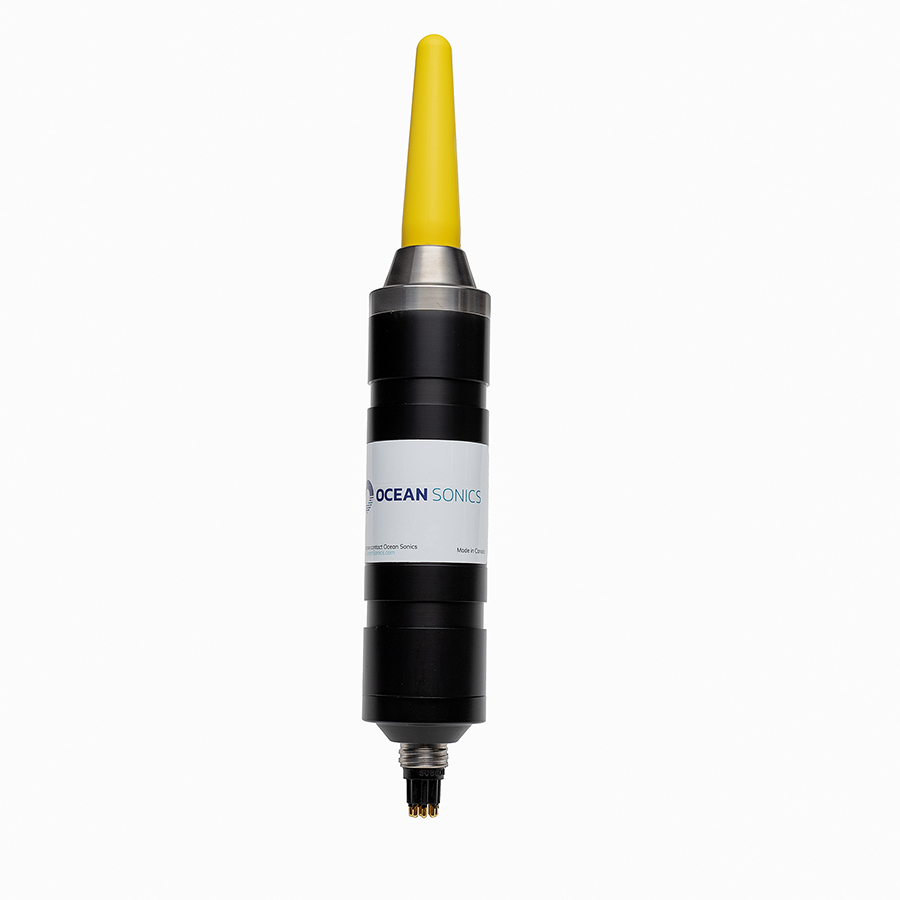
One of the key tools in this type of ocean monitoring is the deployment of hydrophones—underwater microphones that capture sound waves in the ocean. These devices are capable of detecting a wide range of sounds, from low-frequency ship noise to high-frequency sonar pings. The data collected by hydrophones is then analyzed to determine the intensity, frequency, and duration of the sounds, providing valuable insights into the nature and impact of this noise pollution.
Sonar Devices and Underwater Radiated Noise Monitoring
Sonar devices play a dual role in ocean noise pollution monitoring. On the one hand, sonar technology is a significant source of underwater noise, particularly in the case of military and industrial sonar operations. High-intensity sonar pings can propagate over long distances, creating a pervasive noise field that affects a wide range of marine species.
On the other hand, sonar devices are also instrumental in monitoring subsea noise levels. Passive sonar systems, which detect and measure sound without emitting their own signals, are commonly used in ocean noise pollution monitoring. These systems allow for the continuous observation of underwater noise without adding to the noise pollution.
Managing Underwater Radiated Noise
Effective underwater radiated noise management is essential for mitigating the impacts of ocean noise pollution. This involves a combination of monitoring, regulation, and technological innovation to reduce the noise generated by human activities in the ocean.
One approach to managing underwater radiated noise is the development and implementation of quieter technologies. For example, advances in ship design and propulsion systems have led to the creation of vessels that produce less noise, thereby reducing their impact on marine life. Similarly, the use of low-impact sonar technologies can minimize the disruption caused by sonar pings during military and industrial operations.
Regulatory measures also play a critical role in managing underwater radiated noise. International guidelines and regulations, such as those established by the International Maritime Organization (IMO), set limits on the noise levels that ships and other ocean-based activities can produce. These regulations are designed to protect marine environments from the harmful effects of noise pollution while allowing for sustainable human activity.
The Importance of Continuous Monitoring
Continuous monitoring of ocean noise pollution is vital for ensuring that noise management strategies are effective. By regularly measuring underwater noise levels and analyzing trends over time, scientists can assess the success of noise reduction measures and identify emerging sources of noise pollution. This ongoing monitoring is essential for adapting management practices to changing conditions and for protecting marine ecosystems from the evolving threat of underwater radiated noise pollution.
Monitoring subsea noise pollution is critical to the safeguarding efforts of marine environments. Through the use of advanced sonar devices, hydrophones, and other acoustic technologies, scientists can track underwater noise levels, assess their impact on marine life, and implement effective strategies for underwater radiated noise management.
As human activities in the ocean continue to grow, the importance of monitoring and managing ocean noise pollution will only increase, ensuring that our oceans remain healthy and vibrant for future generations.
Ocean Sonics outlines how nearly a decade of acoustic monitoring at Cambridge Bay, Nunavut reveals increasing and more complex Arctic underwater noise across seasons, including contributions beyond summer vessel activity
Ocean Sonics contributed to the International Maritime Organization’s (IMO) 2025 workshop examining how ship energy efficiency relates to underwater radiated noise, a continuation of IMO initiatives aimed at reducing impacts on marine life
applied acoustics discusses international underwater acoustic standards and outlines how responsible operation and mitigation strategies using its AA301 Boomer, S-Boom, and Dura-Spark 400 systems help seismic survey operations meet marine environmental protection requirements
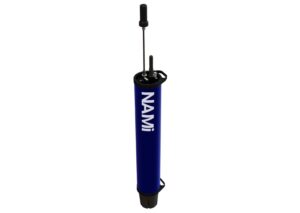
MetOcean Telematics introduced NAMi, a next-generation autonomous acoustic float that collects high-resolution underwater sound data to support marine conservation, regulatory compliance, and environmental research in remote ocean environments
A new icListen firmware update for Ocean Sonics enhances security, performance, and introducing a zero-memory option to ensure complete user control over collected data
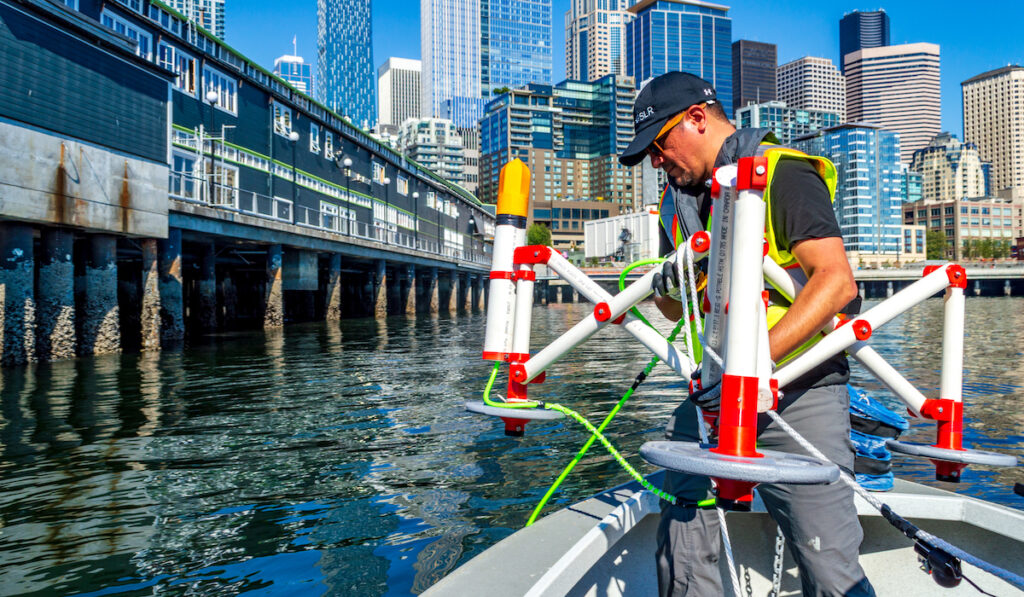
The Port of Seattle and SLR Consulting are using Ocean Sonics’ high-resolution icListen hydrophones to collect continuous acoustic data, creating a detailed baseline of underwater noise levels in Elliott Bay
Ocean Sonics has partnered with OST to demonstrate its innovative underwater acoustics solutions, enhancing marine monitoring and data collection for various offshore and oceanographic applications
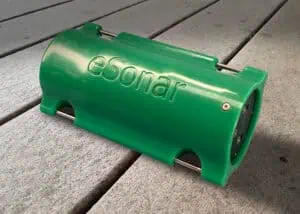
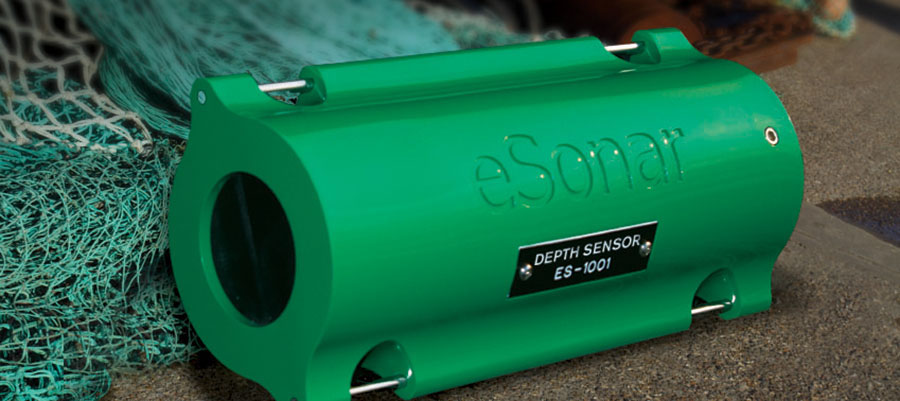
OST has been showcasing eSonar’s marine acoustic and sonar developments, providing access to underwater environmental data and protecting endangered marine wildlife
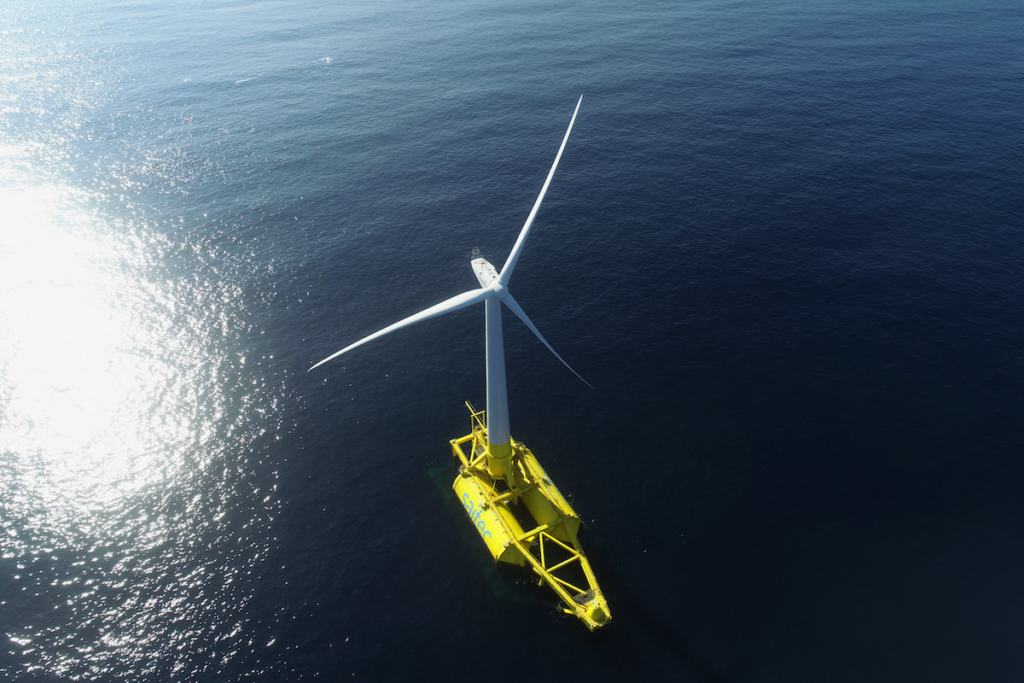
Launched by Saitec and RWE, the DemoSATH Lab will monitor bird interactions, ecosystem biodiversity, and underwater noise emissions around the DemoSATH floating offshore wind turbine