



applied acoustics, a developer of subsea navigation and survey solutions, reviews international environmental standards for underwater noise and evaluates how its seismic sources perform against marine wildlife safety thresholds. Read more >>
Offshore engineering projects cover diverse applications, such as oil and gas exploration, carbon storage, seabed mapping, and offshore renewable construction. Geophysical seismic surveys are critical to these operations, but they must be conducted with careful attention to minimizing acoustic impact on marine life. Poorly managed survey noise can disrupt and harm wildlife.
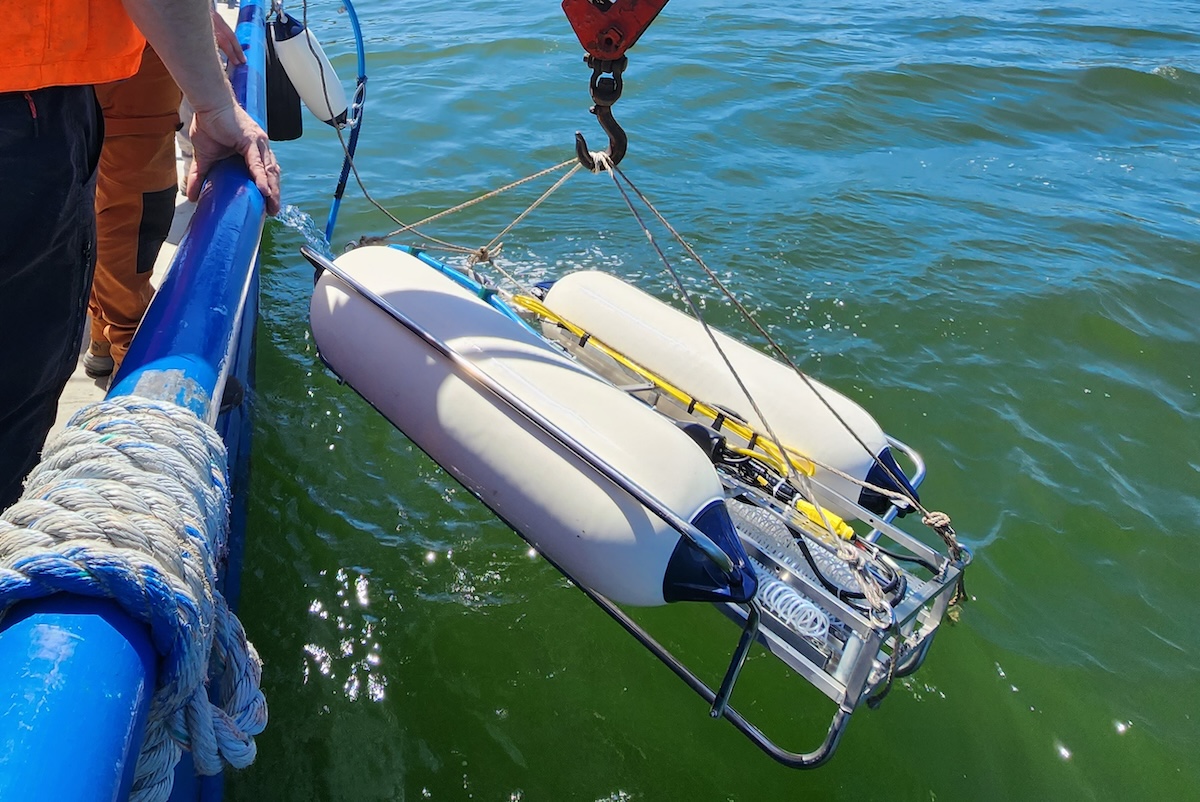
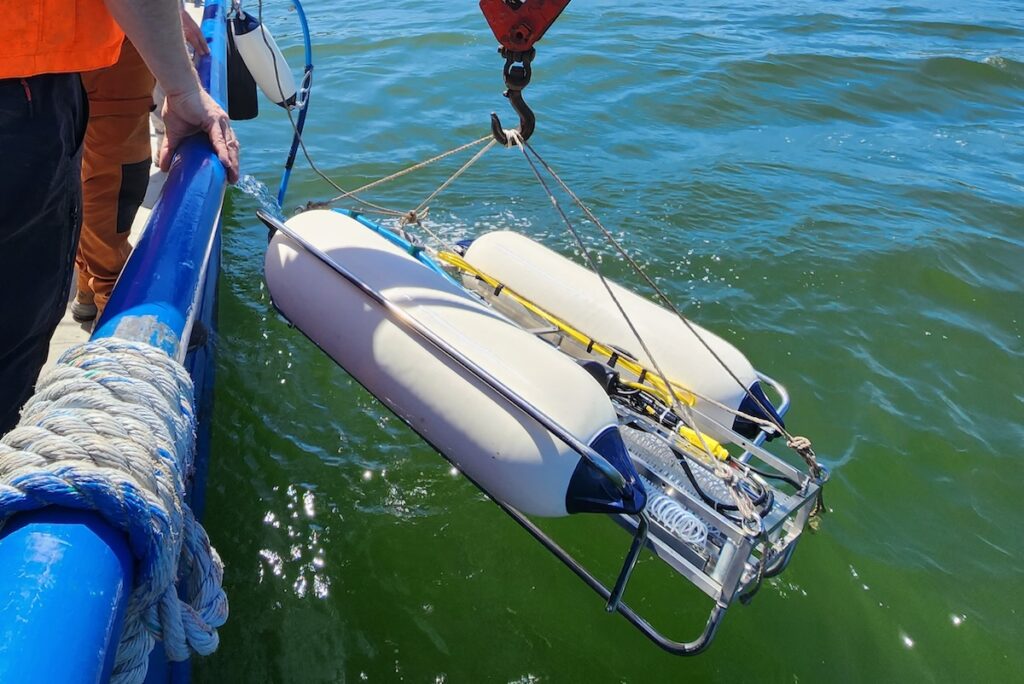
The company’s whitepaper assesses the Sound Pressure Level (SPL) and Sound Exposure Level (SEL) produced by the AA301 Boomer, S-Boom, and Dura-Spark 400 systems against standards defined in the UK, EU, and United States. These include the Marine Strategy Framework Directive, Joint Nature Conservation Committee (JNCC) guidance, and U.S. National Marine Fisheries Service (NMFS) thresholds.
Measurements and modeling show that at distances greater than 25 meters, SPL values remain below limits associated with permanent hearing damage in marine mammals, while SEL readings beyond 300 meters remain within temporary threshold shift (TTS) safety levels.
The report concludes that when operated responsibly and beyond 300m, applied acoustics’ sources can perform within accepted environmental limits for underwater sound.
applied acoustics also highlights mitigation methods to reduce potential disturbance, including exclusion zones, gradual power ramp-up (soft starts), and passive acoustic monitoring during low-visibility operations. By combining these measures with responsible equipment operation, offshore survey activities can be conducted safely within established environmental protection standards.