Uncrewed Surface Vessels for Cable Inspection Support
Select surface support vessels for subsea cable inspection and repair operations delivered by specialist manufacturers and suppliers serving the ocean science and offshore infrastructure sectors.
If you design, build or supply Cable Inspection Support USVs, create a profile to showcase your capabilities and connect with visitors who have an active requirement for your solutions.
Uncrewed Surface Vessels for Cable Inspection Support
Overview by
Summer James
Updated:
Unmanned surface vehicles are used to reduce reliance on crewed vessels while providing stable station keeping, reliable communications, and safe deployment of subsea assets across nearshore and offshore environments. These vessels operate as surface command, power, and deployment hubs, supporting ROVs, subsea tracked vehicles, and diver operations where permitted through integrated launch and recovery systems, payload deck capacity, and coordinated command and control. Navigation architectures combining GNSS-aided INS and dynamic positioning maintain accurate position over cable routes, while radio and satellite communication systems ensure continuous control and data flow during inspection and preparation for repair missions.
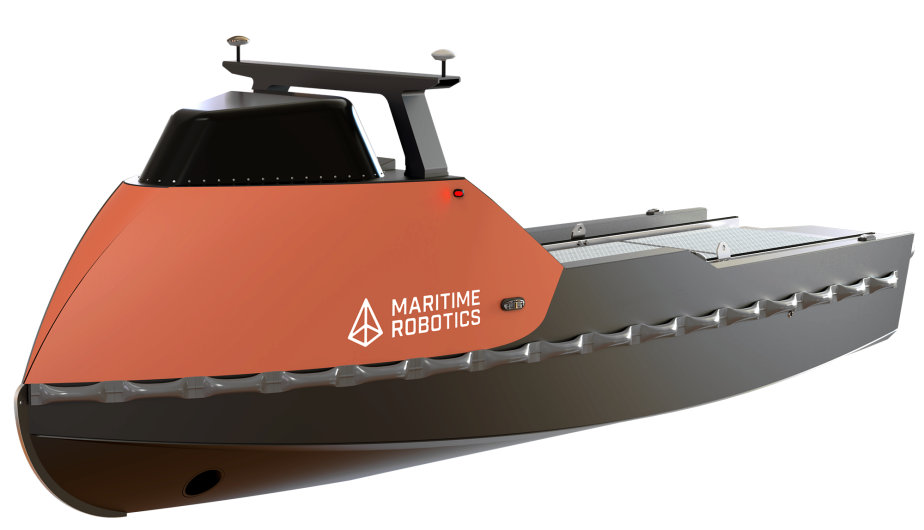
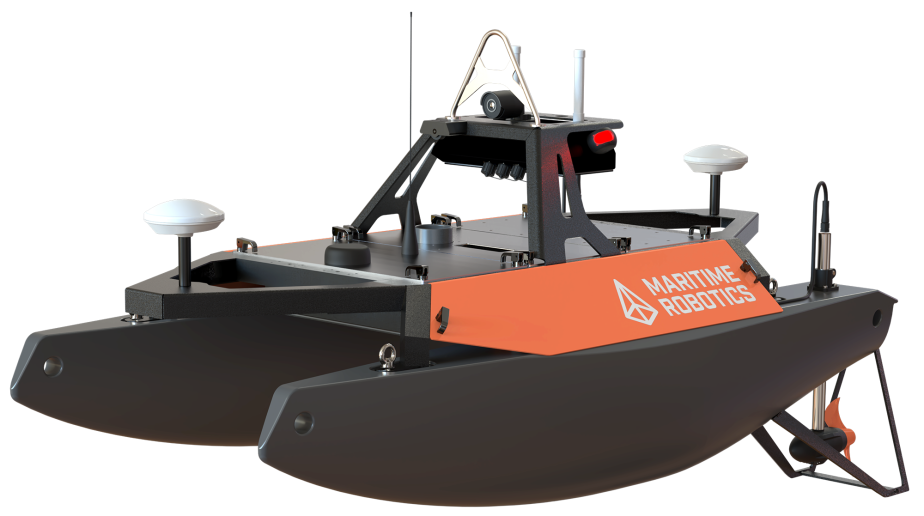
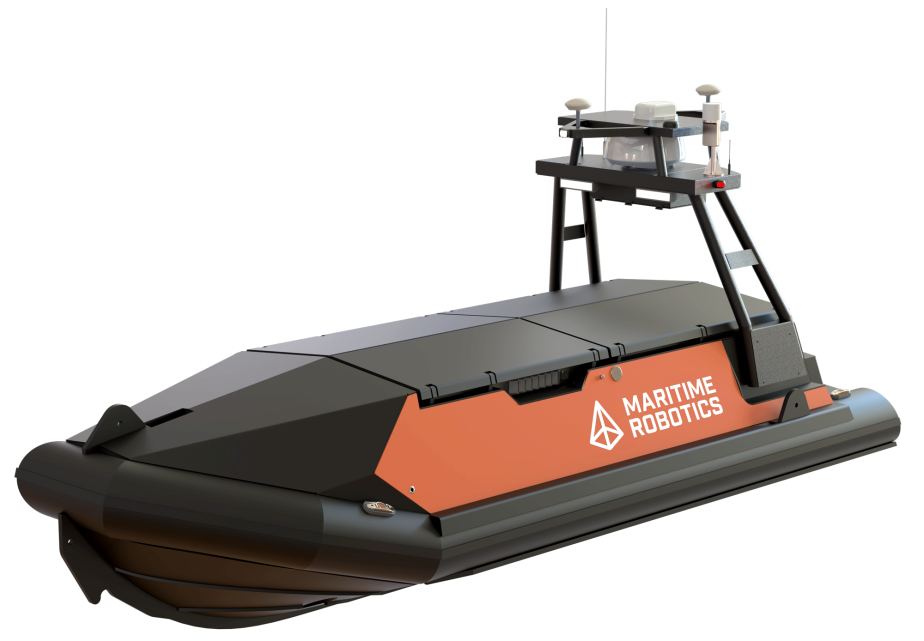
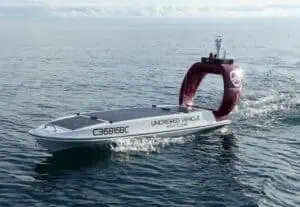
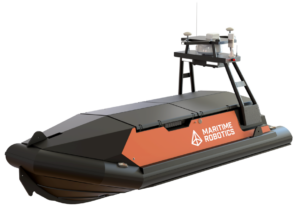
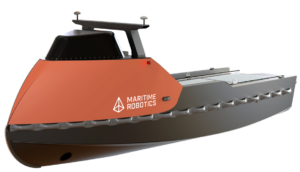
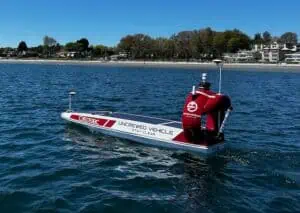
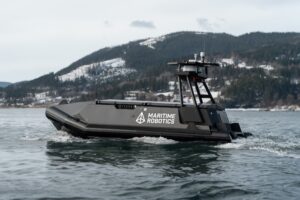
Mariner Uncrewed Surface Vessel by Maritime Robotics
Applications and Use Cases
Diver-Supported Cable Inspection
USVs provide stable surface platforms for diver operations, supporting cable inspection, preparation, and localized repair activities in nearshore and shallow offshore environments.
ROV Cable Inspection Support
These vessels enable launch, recovery, and real-time control of inspection-class and work-class ROVs conducting subsea cable inspection and integrity assessment.
Subsea Tracked Vehicle Operations
For array cable inspection and export cable inspection, USVs support tracked vehicles used in burial assessment, exposure monitoring, and repair preparation.
Cable Repair Preparation Support
USVs serve as logistics and control platforms during pre-repair inspections, tool deployment, and condition monitoring prior to full repair campaigns.
Long-Endurance Offshore Inspection Support
Hybrid and long-endurance USVs support extended offshore cable inspection operations without the cost and risk profile of crewed support vessels.
Types of Cable Inspection Support USVs
Remotely Operated Support USVs
These vessels are controlled from shore or a nearby control station and prioritize reliable communication systems and manual oversight during complex inspection operations.
Autonomous Support USVs
Autonomous surface vessels integrate mission control software and decision-support systems to manage station keeping, transit, and contingency handling with minimal operator input.
Hybrid USVs
Hybrid USVs combine remote operation with autonomous functions, offering flexibility for offshore cable inspection operations with varying regulatory and operational requirements.
Work-Class Support USVs
Larger platforms with payload decks, power distribution systems, and robust launch and recovery systems designed to support heavy ROVs and subsea tooling.
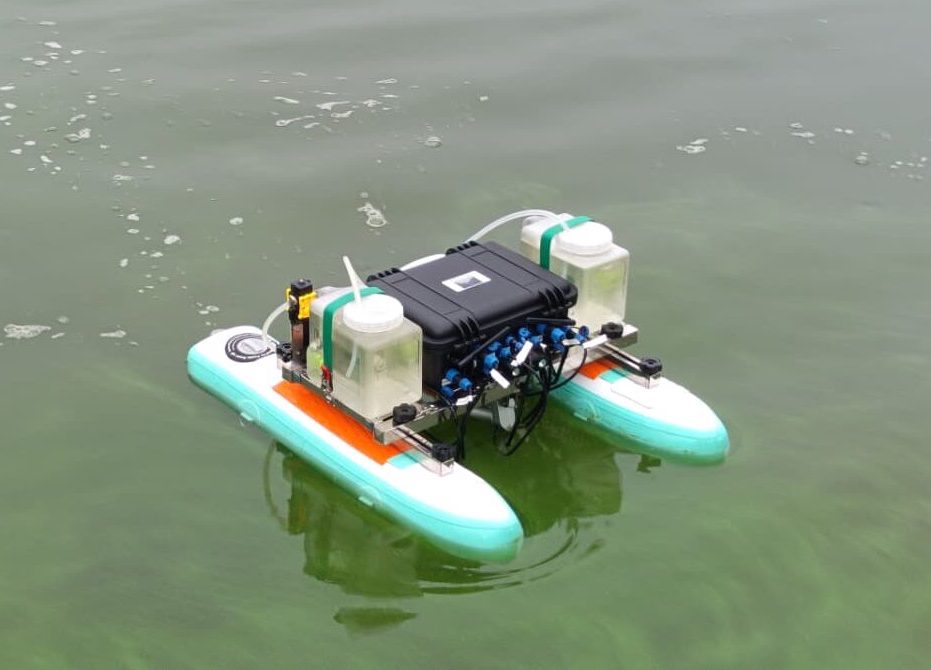
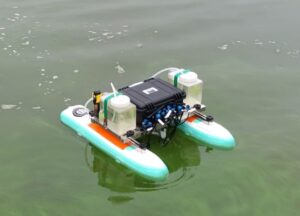
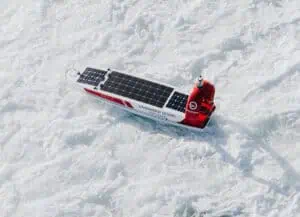
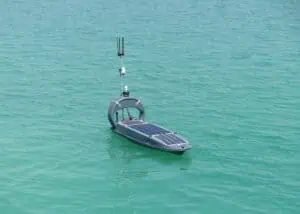
DataXplorer™ Survey by Open Ocean Robotics
Comparison With Survey-Capable USVs
Unlike survey USVs equipped with side scan sonar, multibeam echosounders, or survey-grade sensor suites, cable inspection support USVs are not designed for data acquisition or seabed mapping. Their systems architecture prioritizes operational support, command and control, and subsea asset handling rather than survey accuracy or hydrographic performance.
This distinction is critical for procurement and program planning, ensuring vessel capabilities align with inspection logistics rather than survey deliverables.
Systems and Subsystems Overview
Core subsystems typically include navigation, dynamic positioning, communication, power distribution, and integrated command and control software. Cameras and sensors are used for situational awareness and deck operations rather than seabed inspection. Mission control software coordinates vessel behavior, payload operations, and safety monitoring throughout inspection missions.
Standards and Operational Considerations
Cable inspection support USVs operating in ocean science and offshore infrastructure environments are commonly designed to align with marine autonomy frameworks, offshore operations guidance, and subsea intervention practices. Considerations include redundancy in navigation and communication systems, compliance with subsea cable operation procedures, and integration with diver and ROV operational standards.
Environmental conditions, endurance requirements, and regulatory acceptance for autonomous and unmanned operations strongly influence vessel selection for offshore cable inspection support roles.
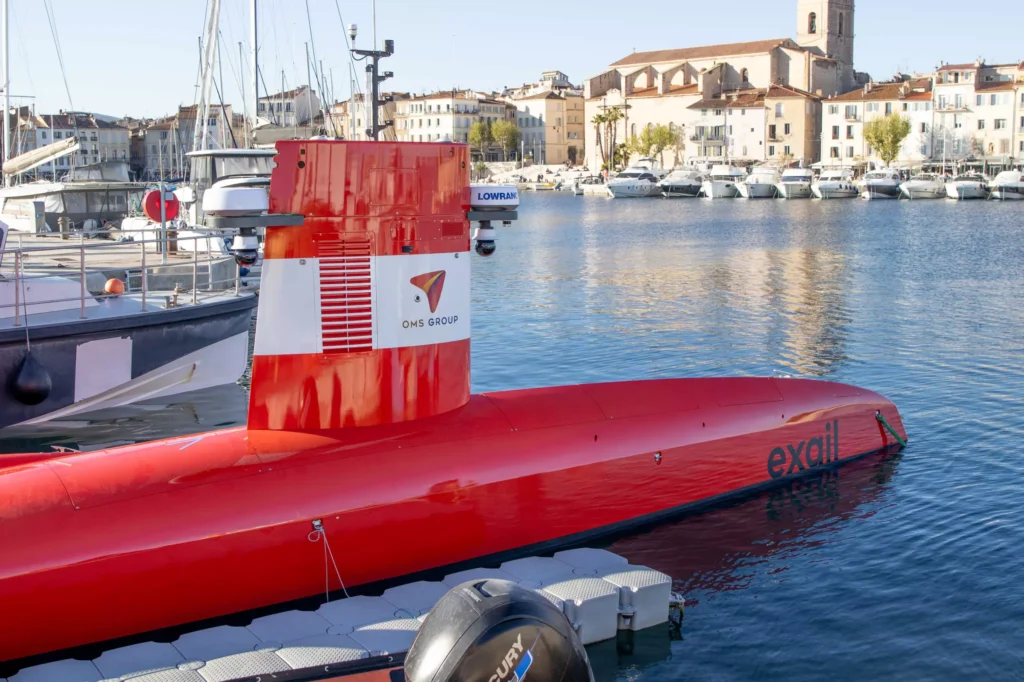
A new partnership agreement between OMS Group and Exail scales autonomous cable installation capabilities through advanced uncrewed surface vessel technology
Open Ocean Robotics spoke to OST at Oceanology International 2026 in London, with CEO and Co-Founder Julie Angus outlining the company’s solar-powered USV platform and AI-enabled maritime monitoring capabilities