Oceanographic Survey USVs – Surface Vessels for Ocean Science
Search oceanographic survey USVs to identify manufacturers and suppliers delivering surface vehicle platforms designed for ocean science, environmental monitoring, and marine research operations. These vessels support cost-effective data collection across diverse marine environments while reducing reliance on crewed assets and improving operational flexibility.
If you design, build or supply Oceanographic Survey USVs, create a profile to showcase your capabilities and connect with visitors who have an active requirement for your solutions.
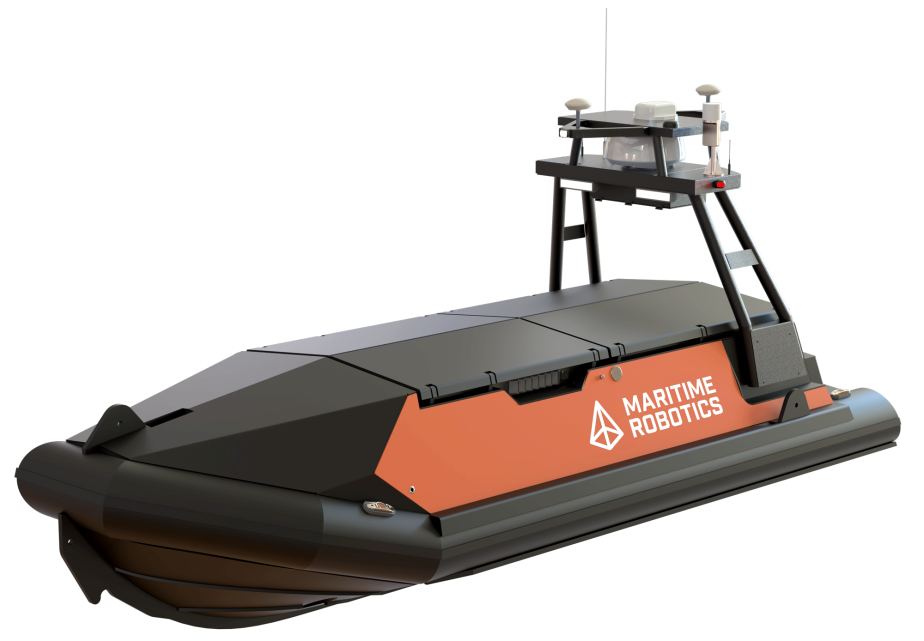
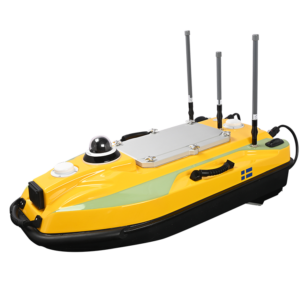
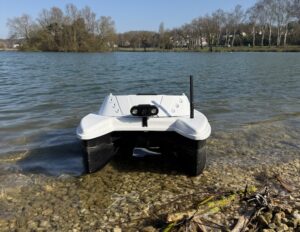
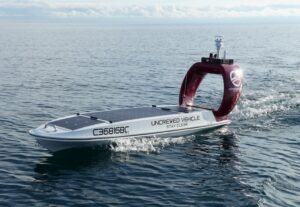
...d hydrographic survey platform designed to be launched and operated by just one person. With a... ...The IP67-rated USV features a hovering function that allows it to remain in place in flowing water,...
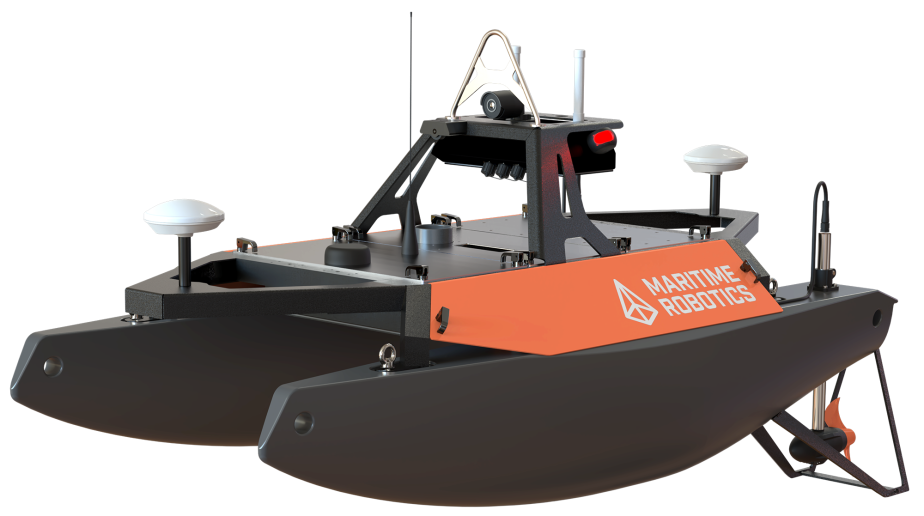
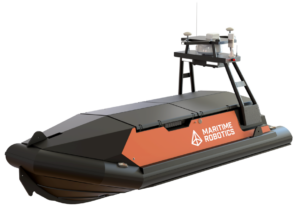
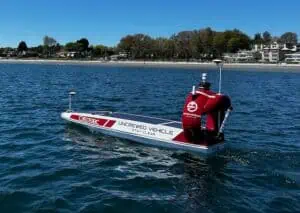
Highly reconfigurable USV with enhanced mission endurance
Highly reconfigurable USV with enhanced mission endurance
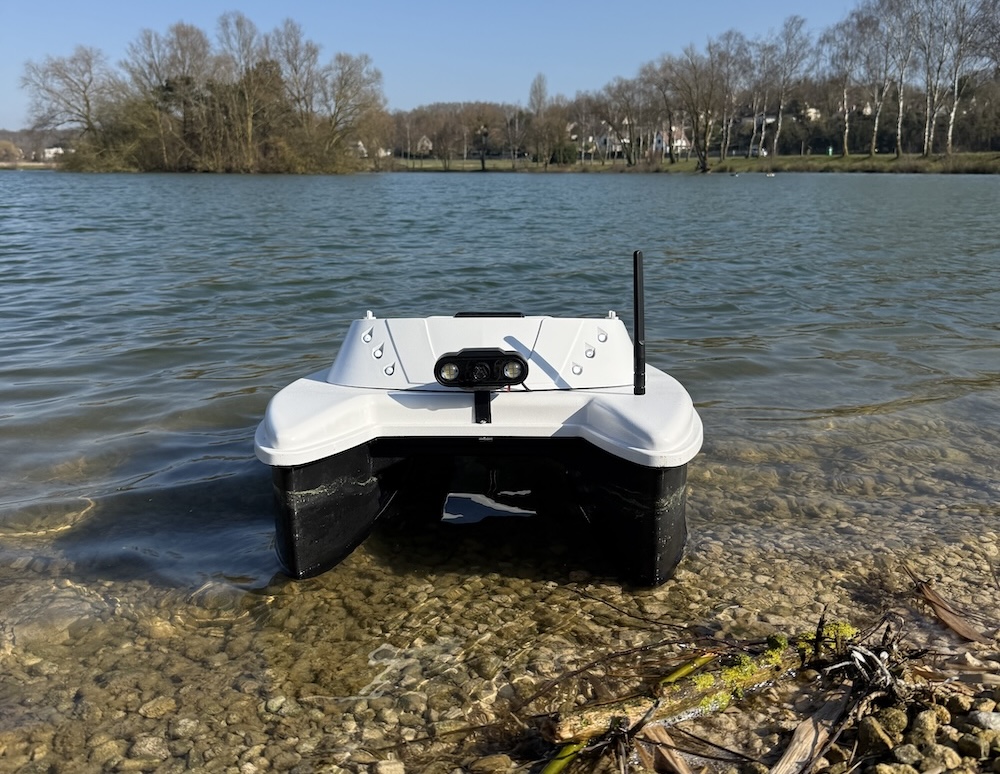
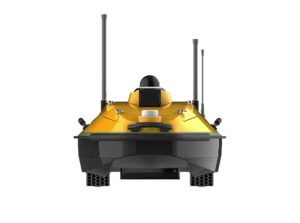
The BX-USV is a compact and lightweight autonomous robotic platform designed to offer a low-cost and... ...
The versatile USV is ideal for a variety of applications, including:
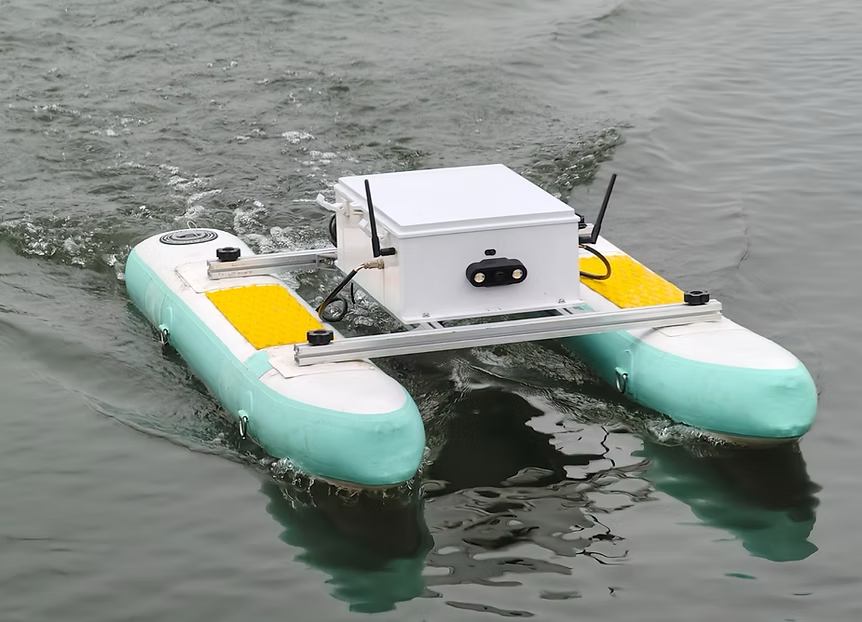
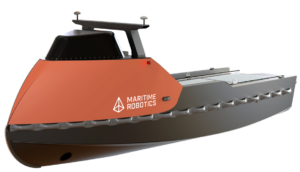
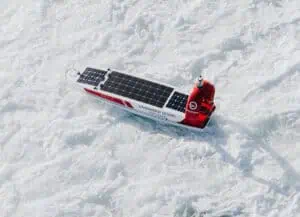
Solar-powered dual-use USV for environmental applications & maritime domain awareness
Solar-powered dual-use USV for environmental applications & maritime domain awareness
...sions uncrewed vessel that offers dual-use functionality, supporting scientific and environmental... ...
The USV comes equipped as standard with a variety of sensors and payloads, including:
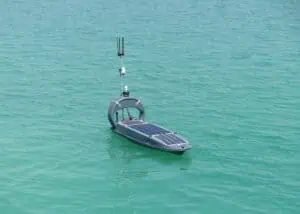
Solar-powered USV for high-resolution spatial data acquisition
Solar-powered USV for high-resolution spatial data acquisition
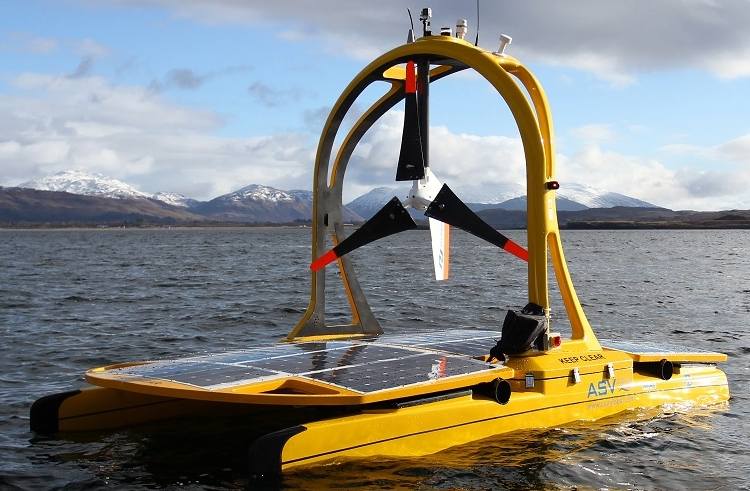
DataXplorer™ Survey is a solar-powered, zero-emissions uncrewed vessel that has been purpose-built... ...
The USV comes equipped as standard with a variety of sensors and payloads, including:
Solar-powered USV for meteorological & oceanographic data collection
Solar-powered USV for meteorological & oceanographic data collection
...nable uncrewed vessel solution designed to undertake demanding meteorological and oceanographic data... ...zero-emissions USV features a patented self-righting system for quick recovery, a shallow draft, and...
Oceanographic Survey USVs – Surface Vessels for Ocean Science
Overview by
Summer James
Updated:
Unmanned surface vehicles are used to collect, process, and transmit scientific data in coastal, offshore, and open-ocean environments. In contrast to strictly autonomous systems, many oceanography USVs operate across a spectrum that includes remotely operated, supervised autonomy, and hybrid control modes. This flexibility allows operators to tailor vessel behavior, mission control, and risk management to specific research objectives and regulatory constraints.
DataXplorer™ Listen by Open Ocean Robotics
Within ocean science and technology programs, USVs are valued for their ability to carry oceanographic sensors, maintain precise navigation, and operate for extended periods with reduced operational overhead. Their modular architectures support reconfiguration between missions such as ocean observation, climate monitoring, and marine environmental assessment. Advances in navigation systems, satellite communications, and onboard computing continue to expand the scientific roles of surface vehicles in oceanographic research.
Oceanographic Survey USV Applications
Ocean Monitoring
USVs support sustained ocean monitoring missions, collecting time-series data on waves, currents, temperature, and salinity for operational oceanography and climate studies.
Surface vehicles provide persistent platforms for climate monitoring, enabling long-duration measurement of air-sea interactions and ocean variability.
Meteorological Data Collection
USVs gather surface meteorological data, including wind, atmospheric pressure, humidity, and air temperature, to support weather forecasting and climate modeling.
Remote Ocean Observation
USVs extend the reach of fixed observation systems by acting as mobile ocean observation platforms capable of adaptive sampling and redeployment.
Types of Oceanographic Survey USVs
Remotely Operated USVs
Remotely operated surface vehicles rely on shore-based control for navigation and mission execution, offering high operator oversight for complex or sensitive research tasks.
Semi-Autonomous USVs
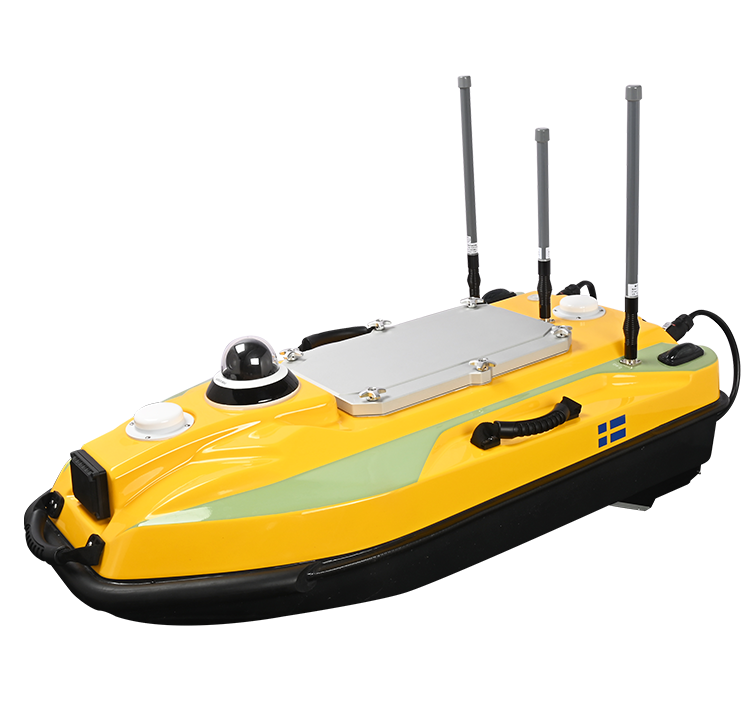
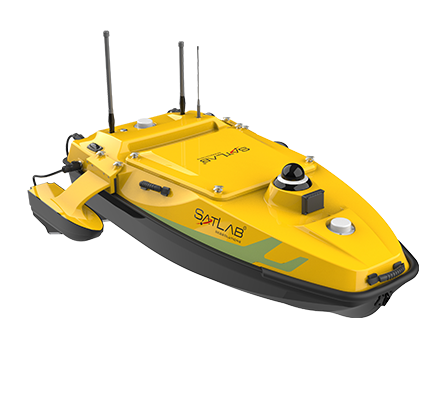
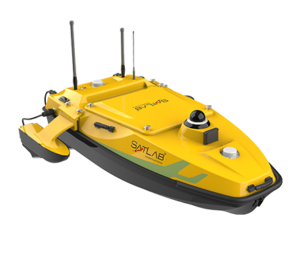
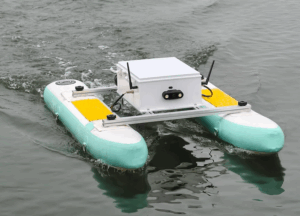
HydroBoat 1200MB USV by SatLab Geosolutions
Semi-autonomous USVs combine onboard autonomy with remote supervision, enabling waypoint navigation, adaptive behaviors, and operator intervention when required.
Electric-Powered USVs
Electric-powered platforms provide low-noise operation suitable for marine biology, nearshore research, and environmental monitoring applications.
Hybrid and Long-Endurance USVs
Hybrid-powered and long-endurance USVs are designed for extended deployments, balancing endurance, payload capacity, and energy efficiency for offshore missions.
Modular Multi-Mission USVs
Modular USVs feature configurable payload bays and standardized interfaces, enabling multiple oceanographic missions to be supported by a single vessel platform.
Core Subsystems and Technologies
Oceanographic survey USVs integrate navigation systems that typically include GPS/GNSS, inertial sensors, and mission-planning software to support precise station-keeping and survey execution. Collision avoidance systems may incorporate radar, AIS, and optical sensors to support safe operations in shared maritime environments.
Scientific payloads are selected based on mission objectives and may include oceanographic sensors for wave measurement, ocean current measurement, water quality monitoring, and meteorological data collection. Onboard computers manage data logging, preliminary processing, and secure transmission to shore via satellite communications or radio links.
Hull design and propulsion system selection influence endurance, stability, and sea-state performance. Common hull forms prioritize efficiency and platform stability to support reliable sensor operation in variable ocean conditions.
Relationship to Other Marine Survey Platforms
Oceanographic survey USVs are distinct from platforms dedicated exclusively to hydrographic surveying, which are typically optimized for charting and bathymetric data acquisition. Oceanography-focused USVs emphasize flexibility, endurance, and sensor diversity to support broader scientific objectives rather than specialized seabed mapping alone.
In practice, ocean science programs often deploy a combination of USVs, autonomous underwater vehicles, fixed moorings, and crewed research vessels. This integrated approach enables efficient coverage across spatial and temporal scales that cannot be achieved with a single platform type.
Standards and Operational Considerations
Oceanographic survey USV operations are guided by established ocean science practices and evolving maritime safety frameworks. Navigation and situational awareness systems are designed to support compliance with accepted collision avoidance principles, while scientific data collection follows recognized oceanographic methodologies.
Operational planning emphasizes redundancy, robust communications, and safe failover modes to support long-duration missions. As the regulatory landscape for uncrewed surface vehicles continues to mature, ocean science operators prioritize conservative operating concepts that balance innovation with safety and data reliability.
Oceanographic survey USVs play a critical role in modern ocean science by enabling scalable, flexible, and persistent access to the marine environment. Their ability to operate across multiple control modes and mission profiles supports a wide range of research, monitoring, and observation needs within the ocean science and technology community.
Open Ocean Robotics spoke to OST at Oceanology International 2026 in London, with CEO and Co-Founder Julie Angus outlining the company’s solar-powered USV platform and AI-enabled maritime monitoring capabilities
Demcon unmanned systems delivers a compact autonomous USV to Rijkswaterstaat, enabling advanced hydrographic surveying and monitoring in locations unsuitable for conventional survey vessels
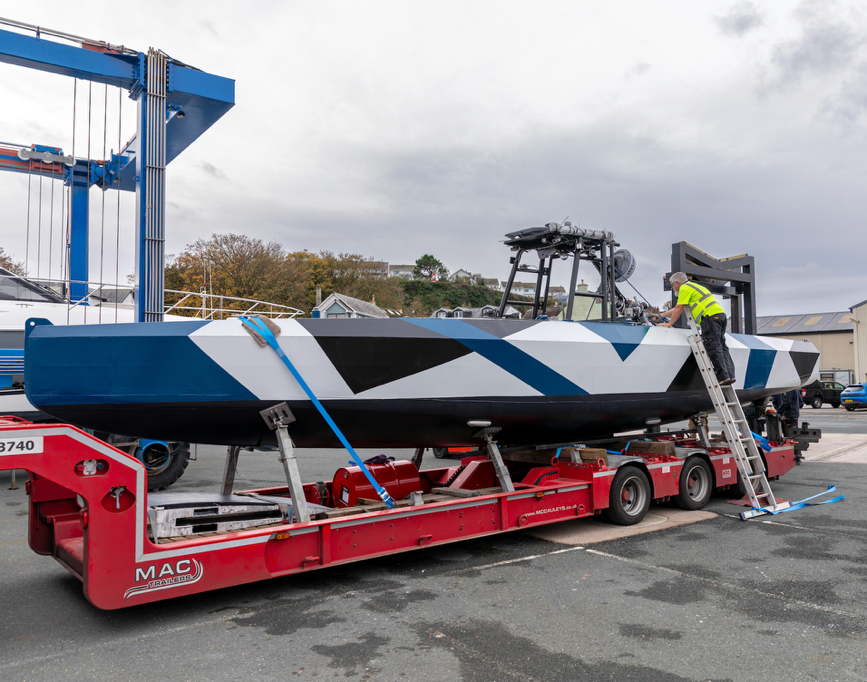
ZeroUSV's new Uncrewed Surface Vessel (USV), available for purchase or charter, is designed for long-range missions in defence and commercial hydrography, utilizing electric-hybrid propulsion and advanced autonomous software
Robosys Automation will deliver its VOYAGER AI Autonomous Navigation System to the University of Plymouth, integrating with a Royal Navy-supplied C-Enduro USV for hydrographic and oceanographic surveying and training
AGISTAR’s new USVSTAR is a compact, modular unmanned surface vehicle offering high payload capacity, rapid transport, and versatile performance for diverse marine missions
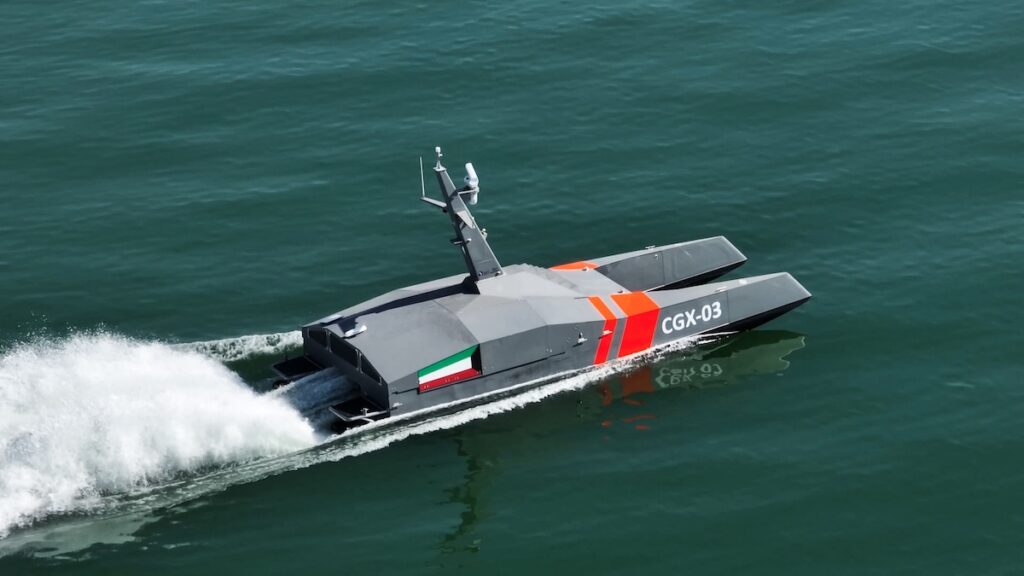
Ocean Infinity has launched its NeedleFish USV with the Kuwaiti Coast Guard, enhancing Kuwait’s maritime surveillance through advanced autonomous technology