Showcase your capabilities
If you design, build or supply Military USVs, create a profile to showcase your capabilities and connect with visitors who have an active requirement for your solutions.



Source military-grade unmanned surface vehicles (USVs) from established manufacturers and suppliers supporting naval, defense, and ocean science operations worldwide. Military USVs are increasingly central to modern maritime missions, enabling persistent presence, reduced risk to personnel, and scalable capability across contested, remote, and environmentally demanding maritime environments.
Read the Technology Overview
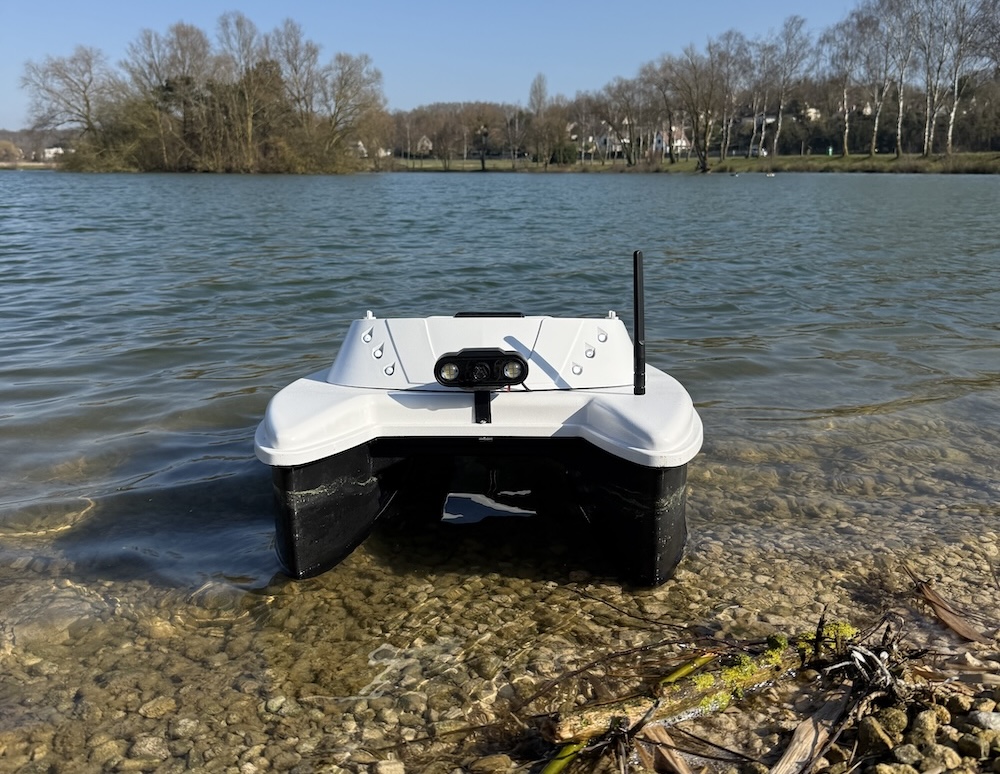


Innovative Uncrewed & Autonomous Surface Vessel Technologies for Maritime Operations

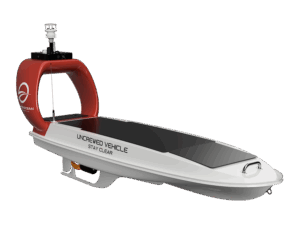
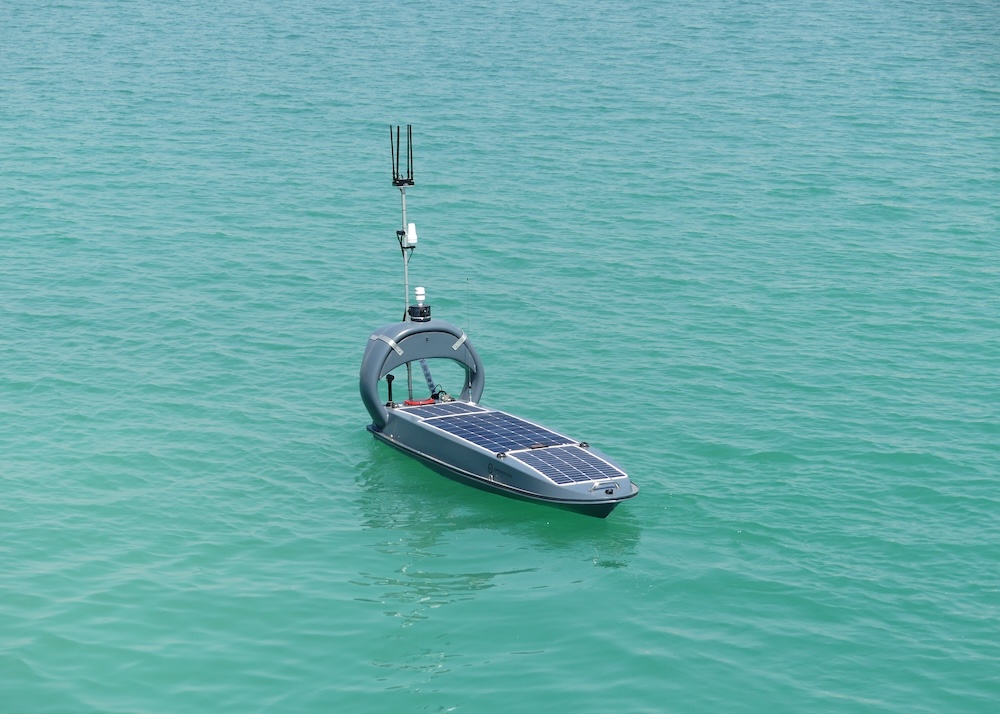
Reliable Solar-Powered USVs for Real-Time Oceanographic & Maritime Data Acquisition

Autonomous Surface Vehicle Solutions for Waste Collection, Rescue Operations, & Aquatic Data Collection

If you design, build or supply Military USVs, create a profile to showcase your capabilities and connect with visitors who have an active requirement for your solutions.

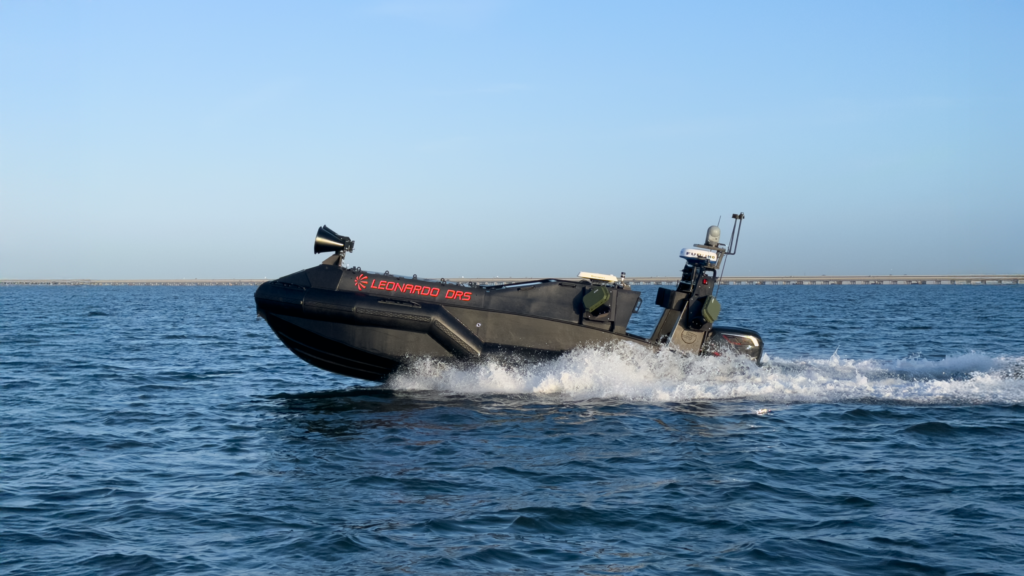
Military unmanned surface vehicles, commonly referred to as Navy USVs or naval USVs, are uncrewed or optionally crewed surface platforms designed for defense, security, and scientific maritime operations. These systems operate autonomously, semi-autonomously, or under remote control, depending on mission requirements, command and control architecture, and regulatory constraints.
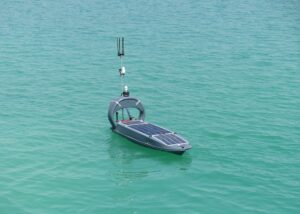
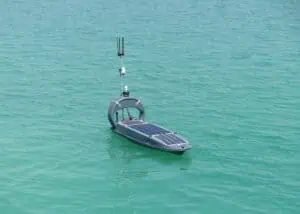
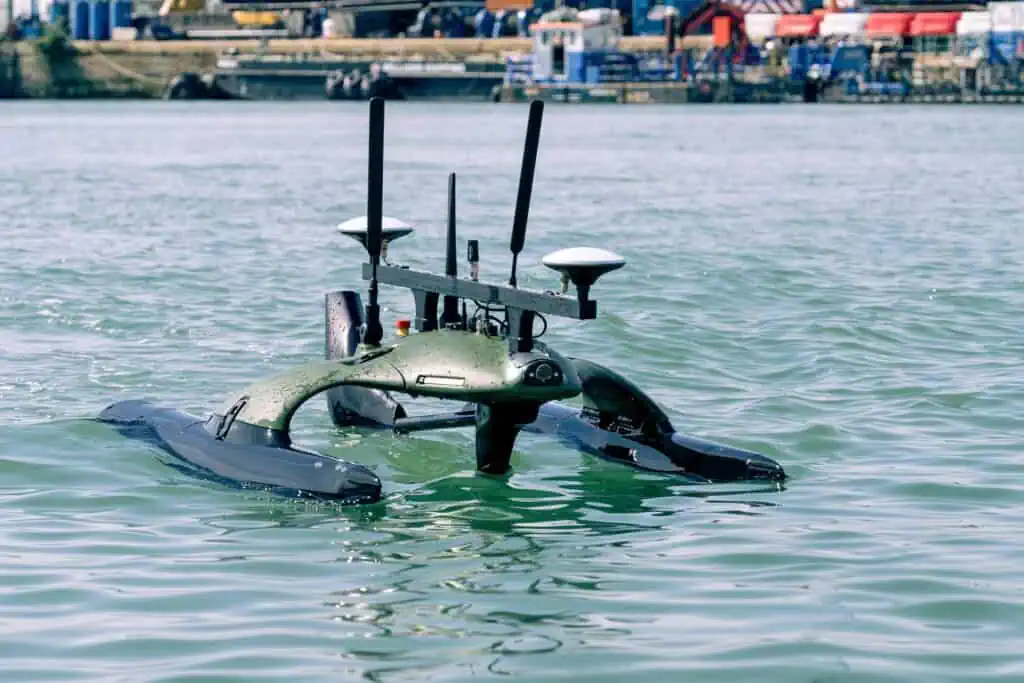
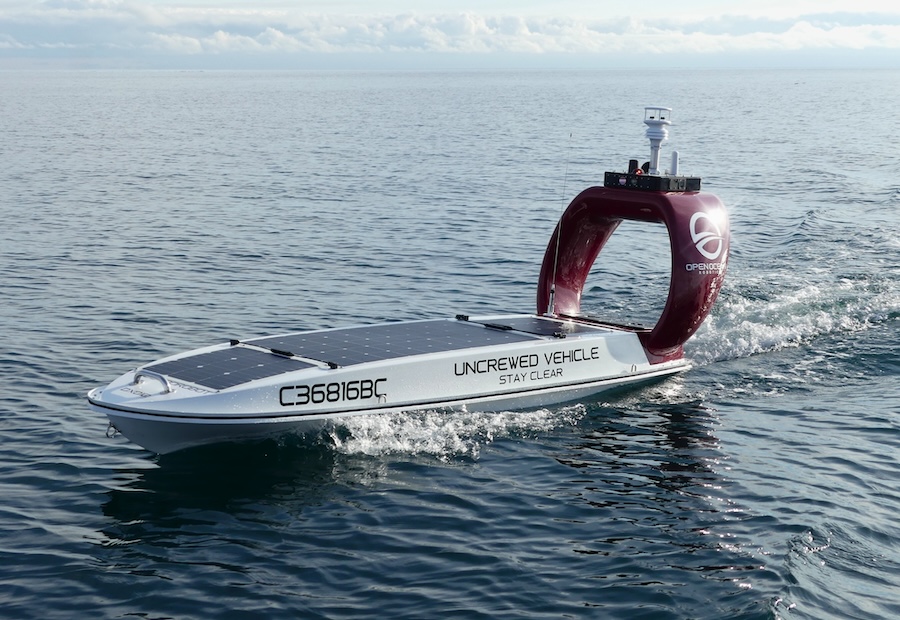
DataXplorer™ Protect USV for day- and nightime security & situational awareness, from Open Ocean Robotics
Modern military USVs range from small, portable platforms deployed from shore or larger vessels to large USVs capable of transoceanic endurance. Hull forms, propulsion systems, autonomy software, and payload integration approaches vary widely, reflecting the diversity of mission profiles across naval forces and research organizations. For ocean science and technology stakeholders, these platforms offer a proven foundation for long-duration, persistent surface operations in challenging sea states.
Military USVs are widely used for intelligence, surveillance, and reconnaissance missions requiring persistent maritime domain awareness. Equipped with radar, electro-optical sensors, infrared sensors, and satellite communications, these platforms provide continuous monitoring of surface activity while minimizing risk to crewed assets.
In anti-submarine warfare roles, naval USVs support detection and tracking through integrated sonar systems and autonomous navigation. These platforms extend sensor coverage and enable distributed operations in both open ocean and littoral environments.
Mine countermeasure USVs are optimized for detecting, classifying, and supporting naval mine neutralization missions. Autonomous and remotely supervised operation, combined with precise navigation, allows these platforms to conduct high-risk mine warfare tasks while reducing personnel and crewed vessel exposure.
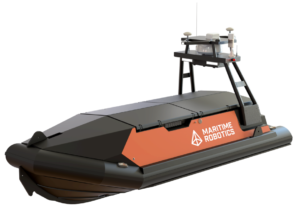
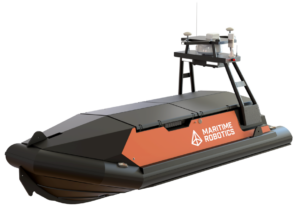
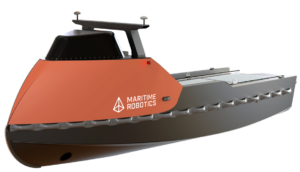
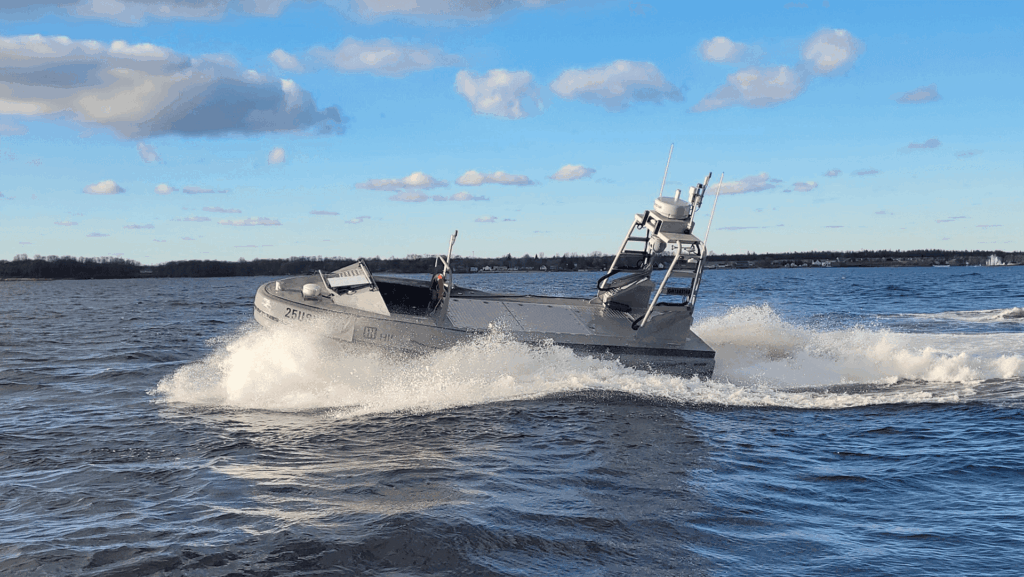
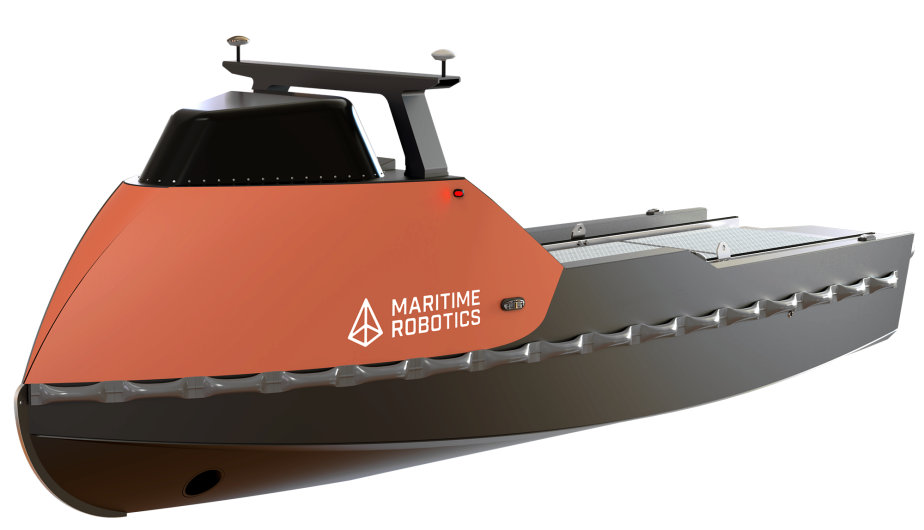
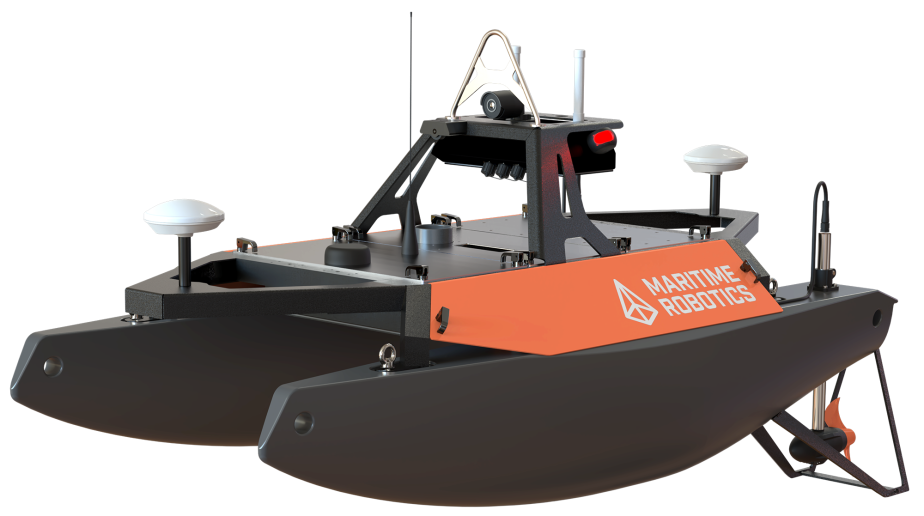
Mariner Uncrewed Surface Vessel from Maritime Robotics
Military USVs are increasingly deployed for hydrographic survey and seabed mapping missions that overlap defense and scientific requirements. Using sonar and positioning systems, these platforms support charting, infrastructure planning, and environmental assessment.
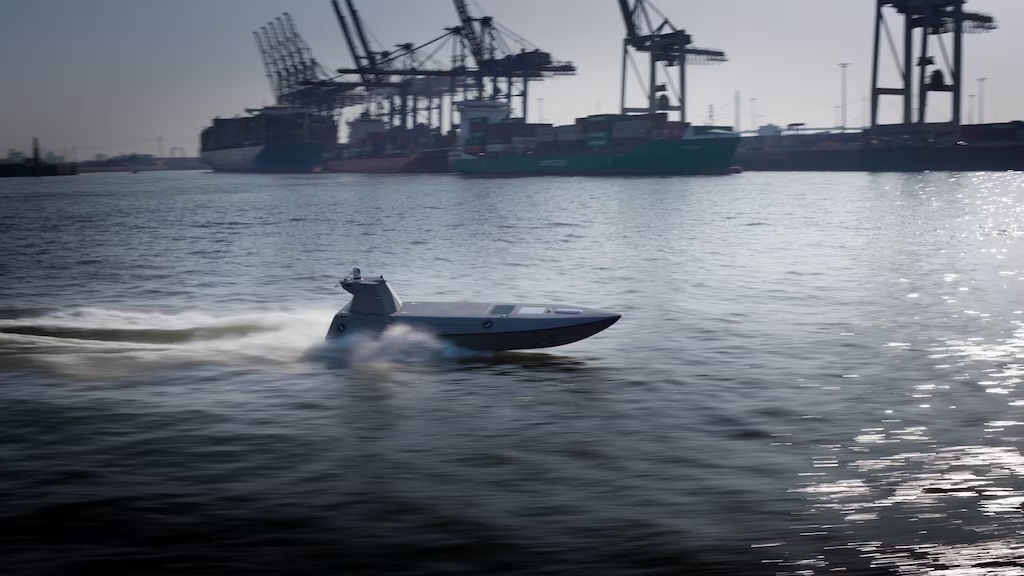
For harbor security and force protection, small and medium USVs provide continuous patrol and rapid response capability. Their ability to operate in confined and high-traffic environments makes them suitable for port defense and critical infrastructure protection.
Coastal patrol and maritime surveillance missions leverage USVs for long-duration monitoring of territorial waters and exclusive economic zones. Autonomous surface vessels support enforcement, situational awareness, and information sharing across naval and interagency operations.
Small USVs emphasize portability, rapid deployment, and short-range missions. These platforms are commonly used for harbor security, near-shore surveillance, and tactical reconnaissance in constrained environments.
Medium USVs balance payload capacity and endurance, supporting multi-sensor ISR, mine countermeasures, and survey missions. Their versatility makes them suitable for both defense operations and ocean science applications.
Large USVs are designed for extended endurance and open ocean operations. These platforms typically integrate advanced autonomy software, robust propulsion systems, and secure command-and-control interfaces.
Fleet-class USVs are designed to operate as integral elements of naval task groups and distributed maritime operations. These platforms emphasize interoperability, standardized command-and-control interfaces, and compatibility with fleet logistics, communications, and mission-planning systems.
Combat USVs are designed to support naval operations by integrating weapon systems, decoys, or effectors within a remotely supervised or networked command structure. These platforms contribute to distributed maritime operations by extending sensor reach, providing armed presence, and supporting fleet-level deterrence while remaining integrated with human decision-making.
Optionally crewed surface vessels allow transitions between crewed and uncrewed modes. This flexibility supports regulatory compliance, mission adaptability, and combined defense and research operations.
Military USV performance is driven by the integration of multiple critical subsystems. Navigation systems combine inertial navigation, GNSS, and collision avoidance (MCAS) sensors to support safe autonomous operation in congested and remote waters. Propulsion systems vary from diesel and hybrid configurations to fully electric designs optimized for low acoustic signature and endurance.
Autonomy software enables waypoint navigation, adaptive mission planning, and cooperative behaviors such as swarming. Secure command and control systems and satellite communications links support beyond-line-of-sight operations while addressing cybersecurity requirements. Payload bays are designed to accommodate radar, sonar, electronic warfare support equipment, signals intelligence collection systems, and oceanographic sensors.
For ocean science and technology users, the ability to integrate scientific instrumentation alongside military-grade sensors is a key differentiator. This convergence supports dual-use missions while maintaining compliance with defense standards and operational doctrines.
Military and Navy USVs are developed to align with established naval and defense standards governing safety, communications, and interoperability. Compliance with relevant MIL STD requirements, NATO STANAGs, and national maritime regulations ensures integration with existing naval command structures and joint operations. Interoperability with unmanned maritime systems, surface unmanned systems, and broader C4ISR architectures is increasingly emphasized.
Cybersecurity modules, resilient communications, and fault-tolerant control systems are critical for operations in contested environments. For scientific and commercial operators collaborating with defense organizations, adherence to these standards provides assurance of reliability, data integrity, and operational safety.
Selecting an appropriate military USV requires careful evaluation of mission profile, operating environment, and payload requirements. Endurance, sea-state capability, autonomy level, and logistics support must align with operational objectives. For ocean science and technology applications, considerations include sensor integration flexibility, data handling capabilities, and compatibility with survey workflows.
Manufacturers and suppliers supporting military USVs typically offer configurable platforms, integration support, and lifecycle services tailored to naval and research customers. Understanding the balance between defense-specific requirements and scientific mission needs is essential when evaluating unmanned surface vehicles for long term deployment.
Military USVs continue to evolve as a foundational element of modern naval and maritime operations. Their growing role across defense, security, and ocean science reflects a broader shift toward autonomous, persistent, and adaptable surface platforms capable of operating across the full spectrum of maritime environments.
 Searching Companies & Products