
Showcase your capabilities
If you design, build or supply NMEA 2000 Gateways, create a profile to showcase your capabilities and connect with visitors who have an active requirement for your solutions.


NMEA 2000 gateways enable seamless communication between diverse systems on board a vessel. These gateways convert and distribute data across various formats, connecting devices that support protocols like NMEA 0183, CAN bus, and J1939 to the robust and standardized NMEA 2000 network. Used extensively in vessel monitoring, navigation, and engine data management, NMEA 2000 gateways form the backbone of efficient, integrated maritime operations.
Read the Technology Overview
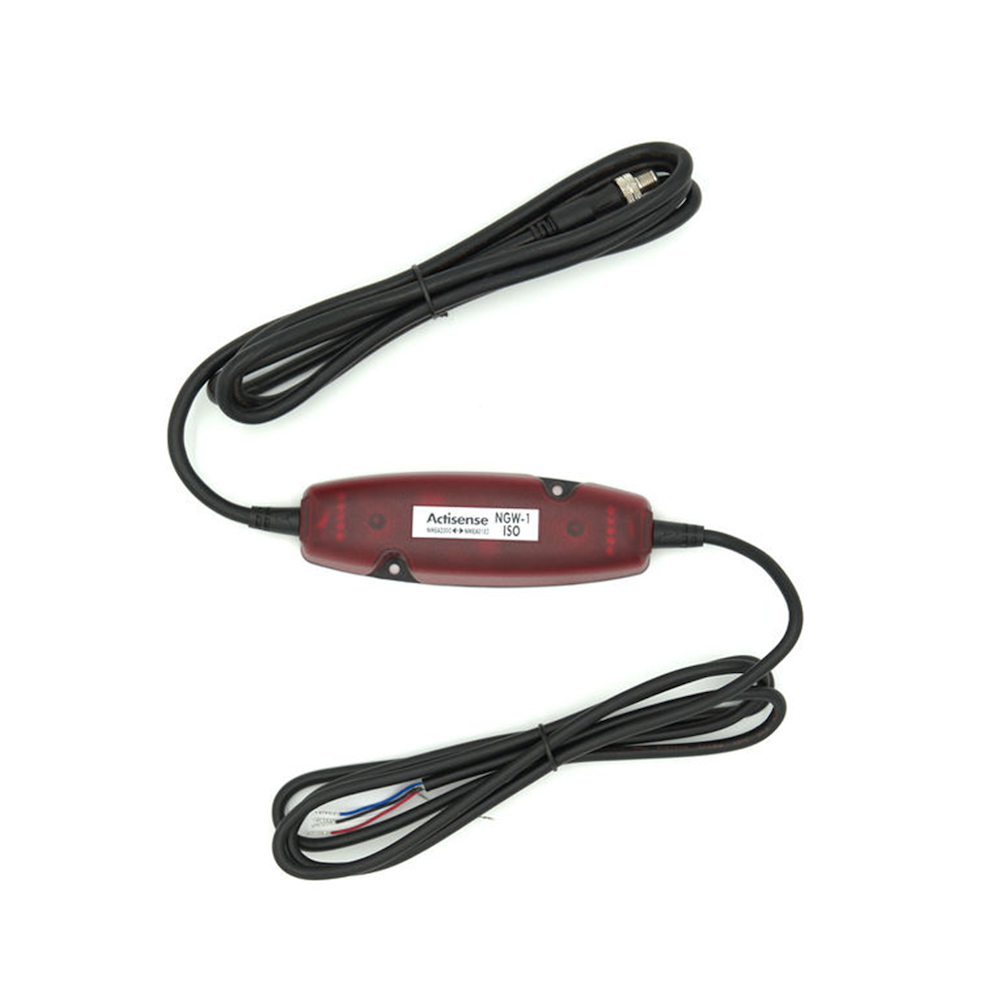
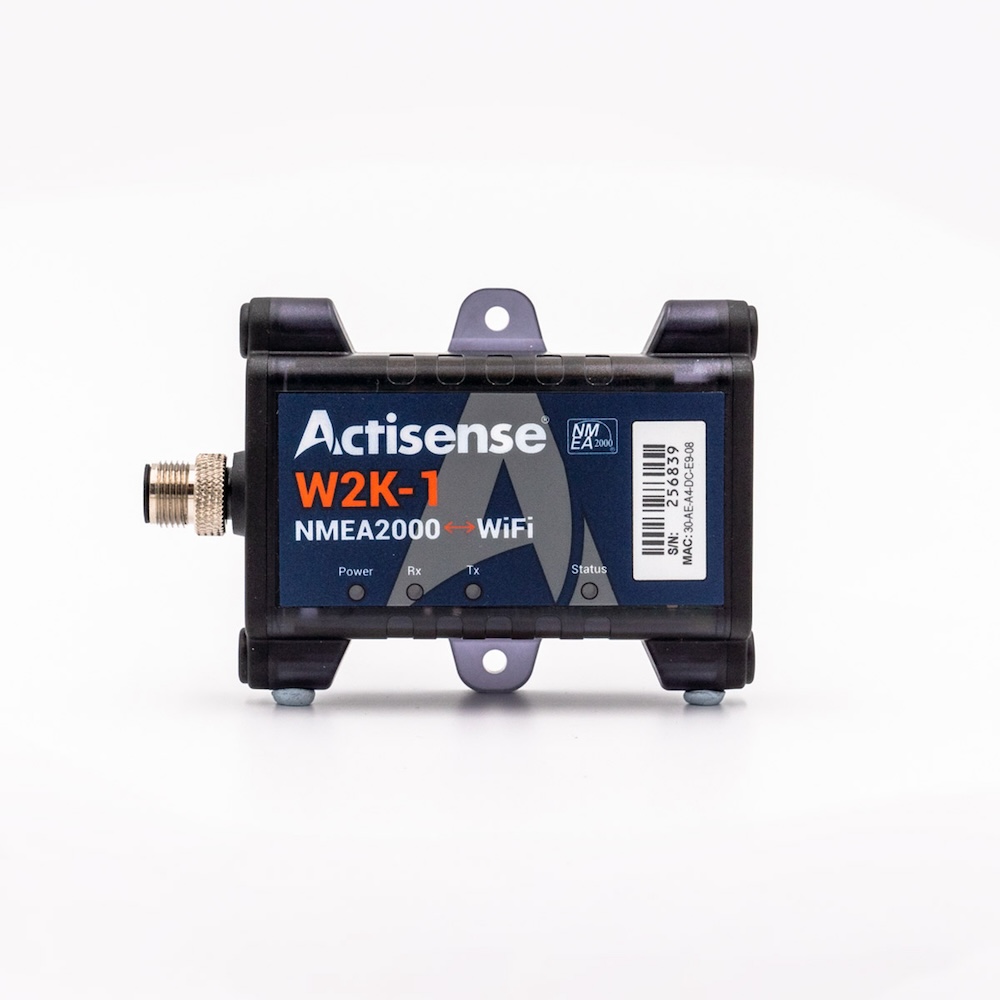
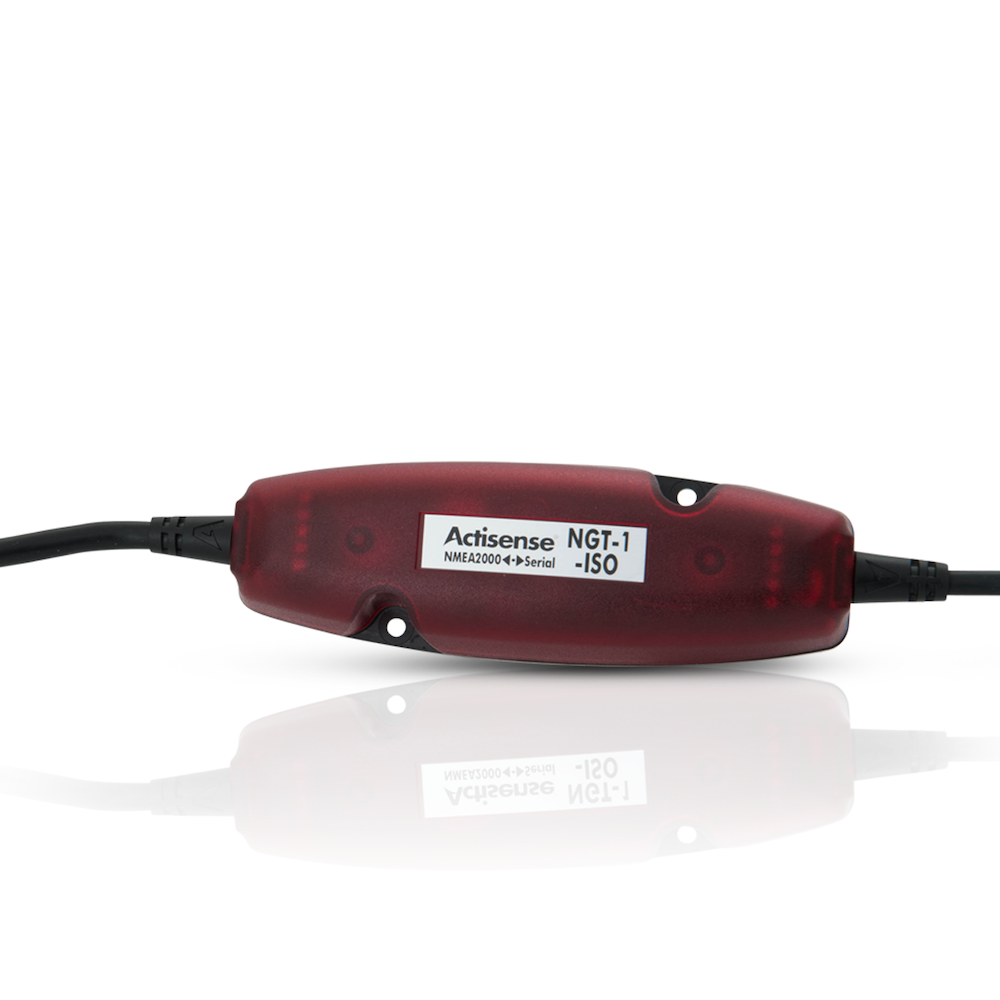
If you design, build or supply NMEA 2000 Gateways, create a profile to showcase your capabilities and connect with visitors who have an active requirement for your solutions.

NMEA 2000 gateways serve as essential interface tools that enable communication between marine devices using different protocols and network formats. They provide the infrastructure for comprehensive system integration, allowing navigation systems, engine controls, autopilot systems, fuel sensors, and other onboard electronics to operate cohesively within the NMEA 2000 protocol.
The NMEA 2000 protocol is a marine data network standard based on CAN bus technology, optimized for sharing data between electronic systems aboard vessels. It allows multiple devices to transmit and receive data over a single backbone cable, improving efficiency, reducing wiring complexity, and ensuring data consistency across systems. Devices that don’t natively support NMEA 2000 require gateways to communicate on the network.
Gateways act as translators between different data protocols. For example, a gateway might convert NMEA 0183 output from a GPS unit into NMEA 2000 so it can be used by a modern multifunction display (MFD).
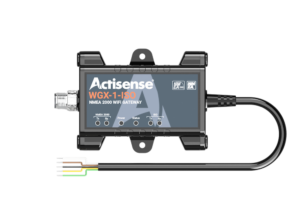
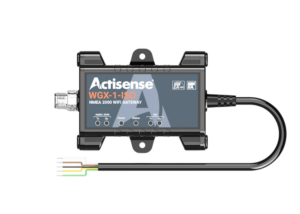
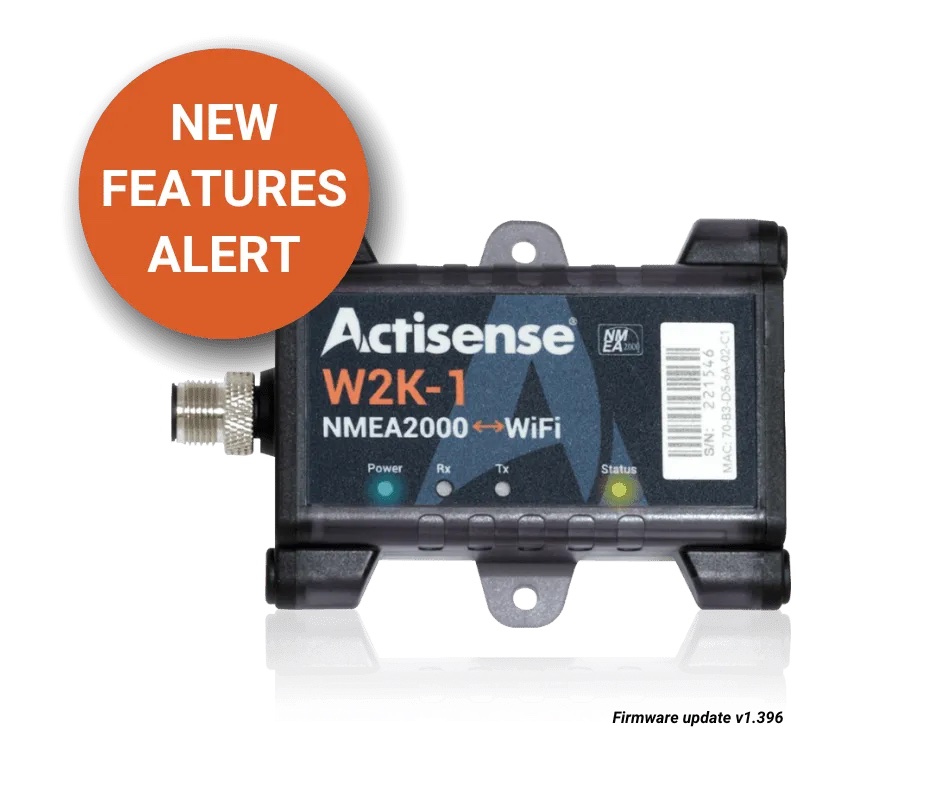
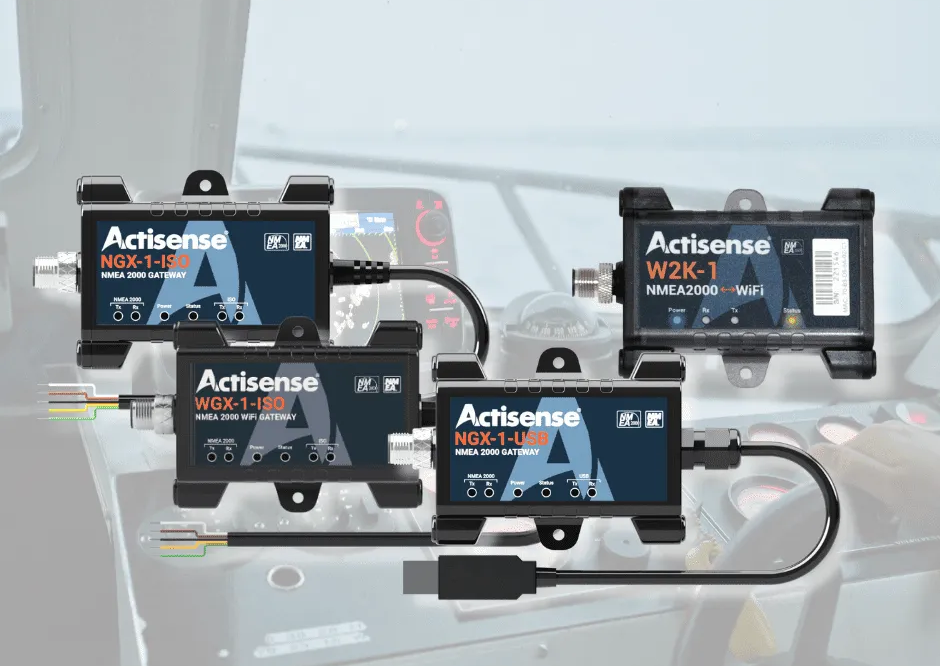
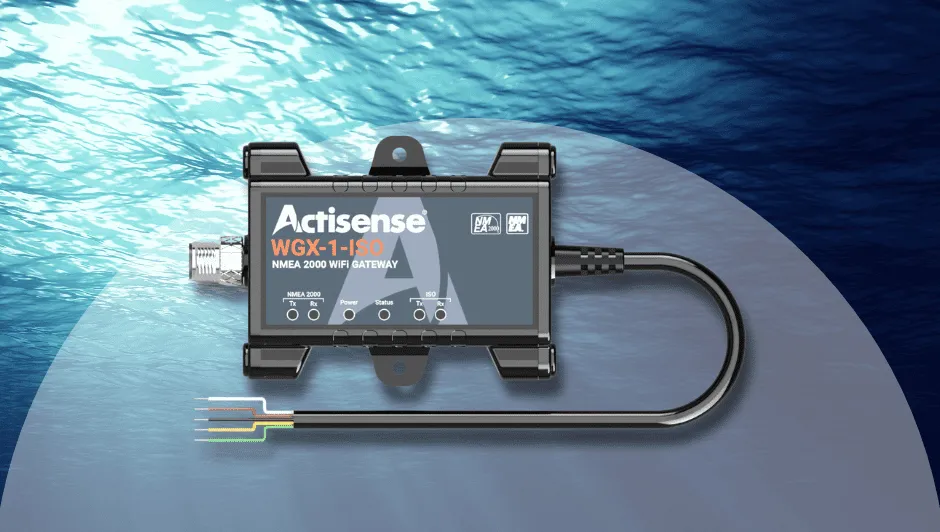
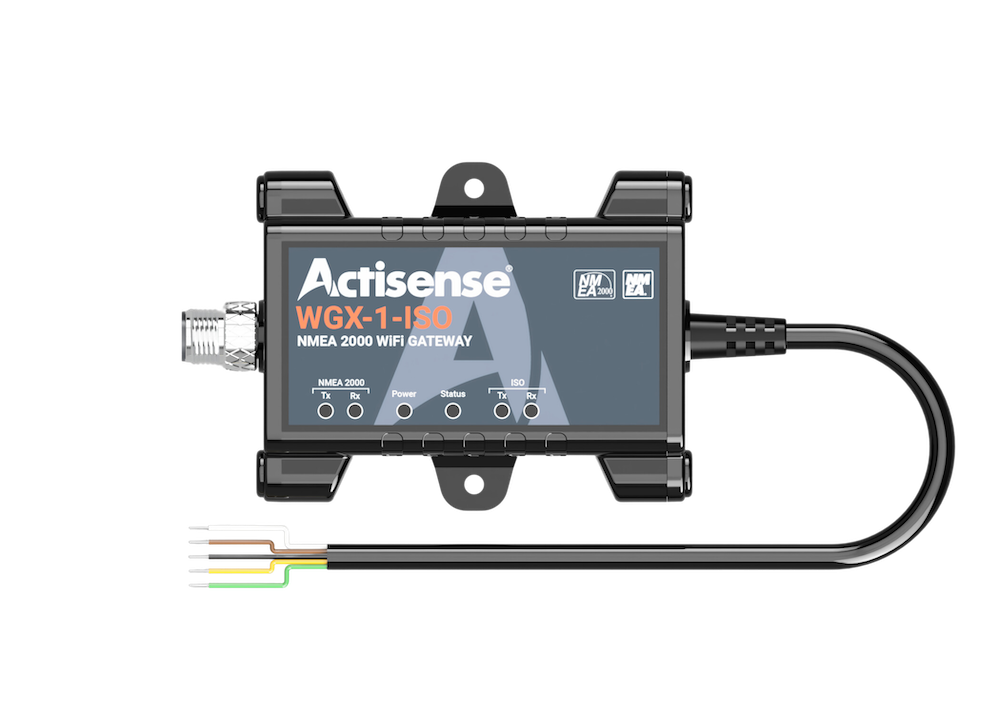
WGX-1 NMEA 2000 Gateway by Actisense
Gateways can also convert J1939 engine data, Modbus industrial signals, or USB inputs into the NMEA 2000 format. This allows for full vessel data monitoring and integration, regardless of the original data format.
Wi-Fi, Bluetooth, and Ethernet gateway models are increasingly common, allowing remote monitoring, diagnostics, and data streaming to mobile devices or cloud-based systems. This supports applications such as fleet management, fuel monitoring, battery status tracking, and real-time navigation insights.
There are several types of NMEA 2000 gateways, each designed for specific connection and data conversion needs:
Many gateways are multipurpose and may include several interface options for enhanced flexibility.
NMEA 2000 gateways are vital across a range of marine sectors and applications. In recreational boating, they help integrate autopilot systems, GPS/chartplotters, and sonar units.
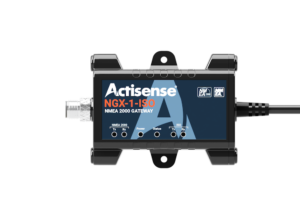
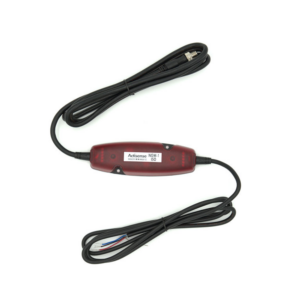
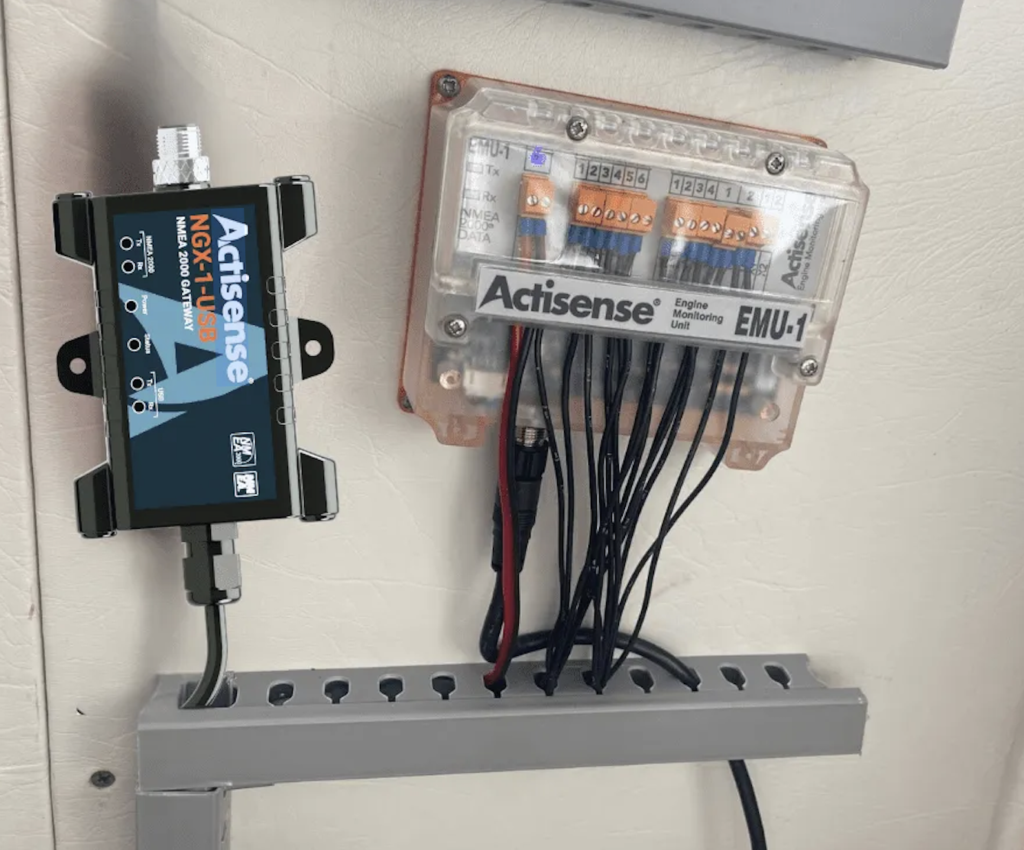
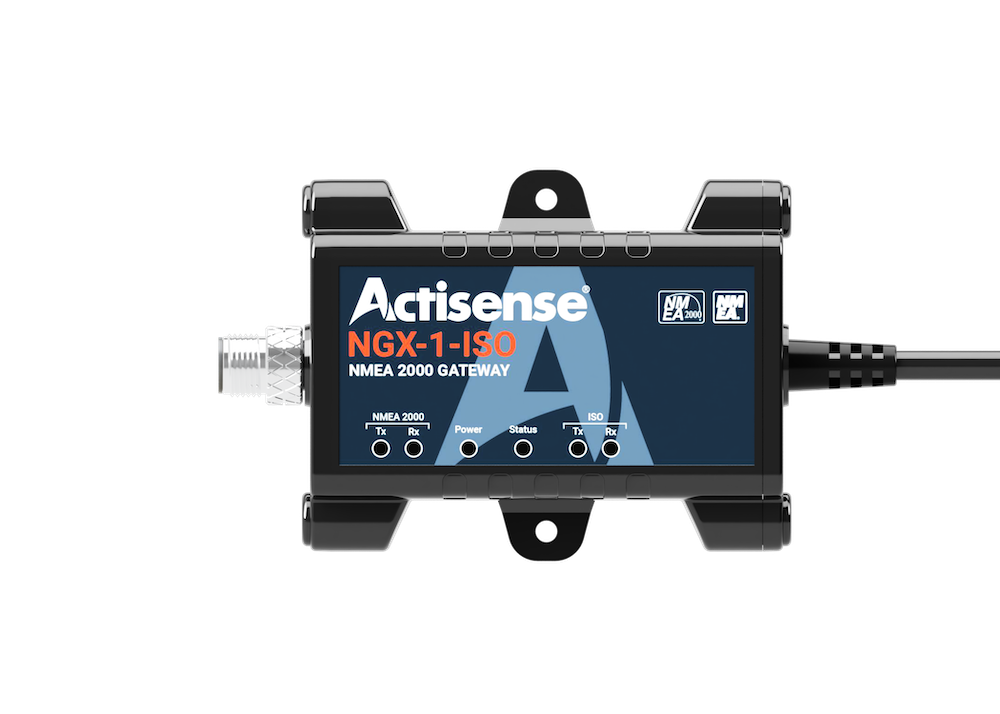
NGX-1 NMEA 2000 Gateway by Actisense
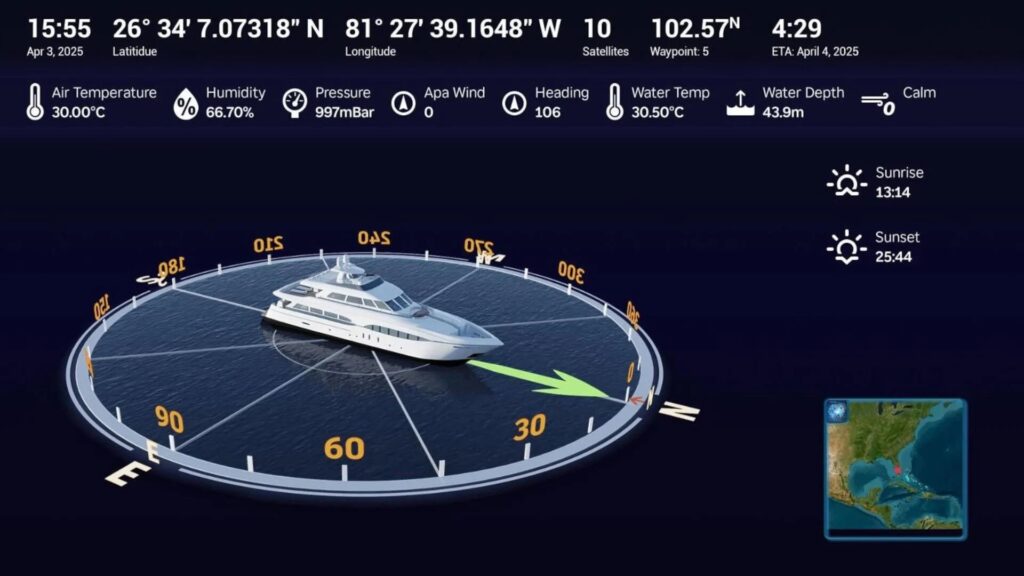
In commercial marine operations, gateways support comprehensive vessel monitoring systems, enabling real-time tracking of fuel usage, battery performance, engine parameters, and navigation routes.
Gateways are also used in scientific and oceanographic applications to connect specialized sensors or instruments with NMEA 2000-enabled data loggers and displays. Their ability to support multiple communication methods—including Ethernet, USB, Bluetooth, and Wi-Fi—makes them adaptable for custom marine solutions.
Modern gateways often include advanced capabilities such as data filtering, buffering, and signal isolation, ensuring reliable and secure data transmission. Some models support multi-directional data conversion, enabling data to flow both ways between NMEA 2000 and external devices.
Gateways are typically compact and ruggedized for the marine environment, with models available as inline connectors, DIN-rail mounts, or integrated modules within larger marine systems. Many are plug-and-play, simplifying installation and minimizing downtime.
Successful integration of a gateway depends on the layout and configuration of the vessel’s NMEA 2000 network, also referred to as the NMEA backbone. Gateways should be installed according to NMEA 2000 standards, with appropriate terminators and power sources. Network planning should ensure sufficient bandwidth and address any voltage drops that might affect performance, especially when integrating high-data-rate devices like AIS or radar systems.
Choosing a gateway that matches the communication type of the connected device—such as USB, Ethernet, or Wi-Fi—is key to maintaining consistent and accurate data exchange.
NMEA 2000 gateways are foundational tools for marine electronics integration, enabling communication between devices operating on different protocols and physical interfaces. From enhancing vessel monitoring and fuel management to integrating legacy navigation systems and supporting wireless data transfer, gateways provide the adaptability and connectivity needed for modern maritime systems. Whether deployed for naval applications, commercial fleets, or oceanographic research, the right NMEA 2000 gateway simplifies network design and ensures data flows seamlessly across onboard systems.
 Searching Companies & Products
 Subscribe to the Weekly eBrief
The latest engineering and technical developments straight to your inbox - join thousands of engineers who receive it.
Subscribe to the Weekly eBrief
The latest engineering and technical developments straight to your inbox - join thousands of engineers who receive it.