Marine autopilots are closed-loop control systems that maintain vessel heading or follow predefined tracks by continuously correcting steering based on sensor inputs. These systems integrate with GNSS, inertial navigation, and mission control architectures to support precise navigation across research vessels, commercial ships, and unmanned platforms.
This page showcases leading marine autopilot manufacturers incorporating advanced control algorithms, sensor fusion, and networked interfaces to ensure stability in dynamic conditions.
If you design, build or supply Marine Autopilot Systems, create a profile to showcase your capabilities and connect with visitors who have an active requirement for your solutions.
Marine Autopilots: Technologies, Systems & Applications for Modern Operations
Overview by
Sarah Simpson
Updated:
Introduction to Marine Autopilots
Marine autopilots are closed-loop control systems designed to automatically maintain a vessel’s heading or follow a predefined track. These systems continuously compare the actual heading against a desired setpoint and issue corrective steering commands to minimize deviation. For professionals in the ocean science sector, choosing between different marine autopilot manufacturers depends on the required precision for mission repeatability and operational safety.
Operational Principles of Marine Autopilot Systems
The fundamental function of a ship autopilot is course-keeping, which involves maintaining a constant heading despite environmental disturbances such as wind, waves, and current.
Heading Error Calculation: The system identifies the angular difference between the commanded course and the current sensor reading.
Corrective Action: Feedback is sent to the steering gear to apply a specific degree of rudder to counteract drift.
Stability Management: Algorithms ensure the vessel does not oscillate around the desired path.
Navigation Integration: Data from a gyrocompass or GNSS is fused to provide a high-fidelity state estimate.
Achieving the right balance between responsiveness and accuracy is critical for vessels operating in dynamic offshore environments where overcorrection can lead to inefficiency.
Key Types of Marine Autopilots
Modern marine autopilots are categorized by the vessel type and the complexity of the operational environment they are intended to serve.
Recreational and Small Vessel Autopilots
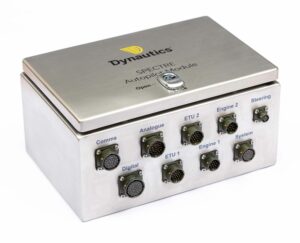
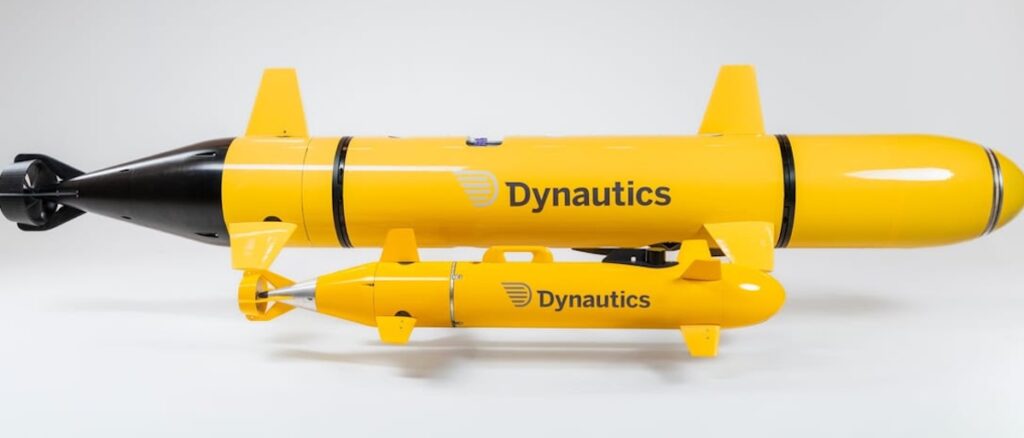
Dynautics SPECTRE Marine Autopilots
Modern recreational boat autopilots are typically compact systems designed for ease of installation. These autopilots incorporate features such as waypoint tracking and wind-based steering for sailing vessels.
Commercial Shipping Autopilot Systems
Large shipping vessels require robust commercial marine autopilot systems capable of maintaining course over extended voyages. These systems are optimized for fuel efficiency by reducing unnecessary rudder movements. These non-consumer systems are typically compatible with mission-specific hardware such as acoustic modems, scientific payloads, or underwater telemetry.
Workboat and Offshore Support Vessel Autopilots
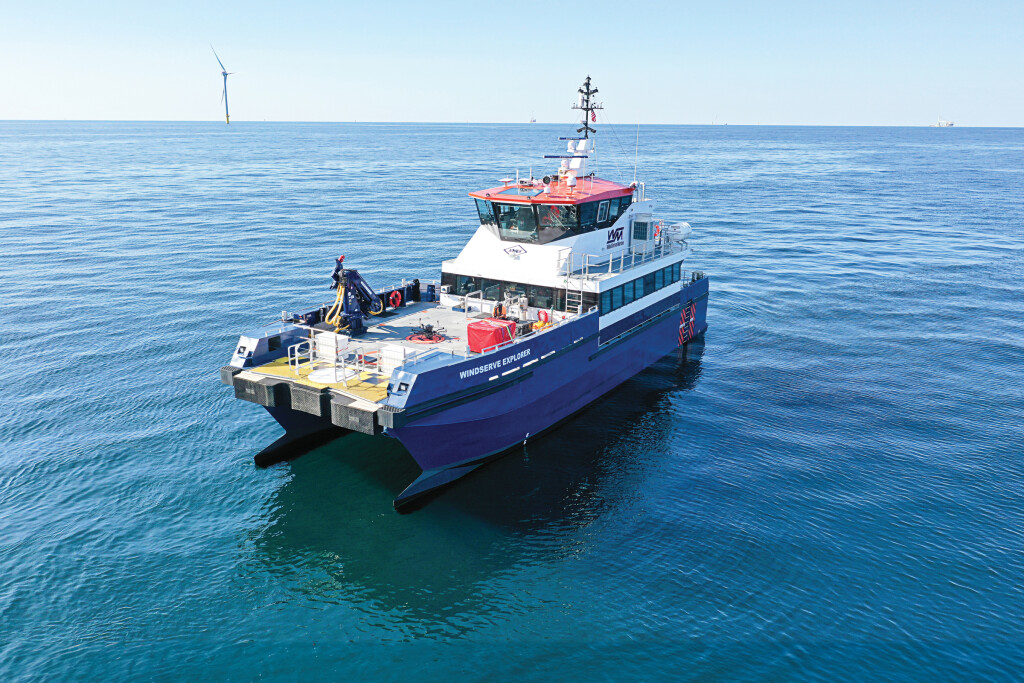
Workboats and offshore support vessels operate in highly dynamic environments. A marine autopilot system in this category is engineered for responsiveness and often features integration with dynamic positioning systems.
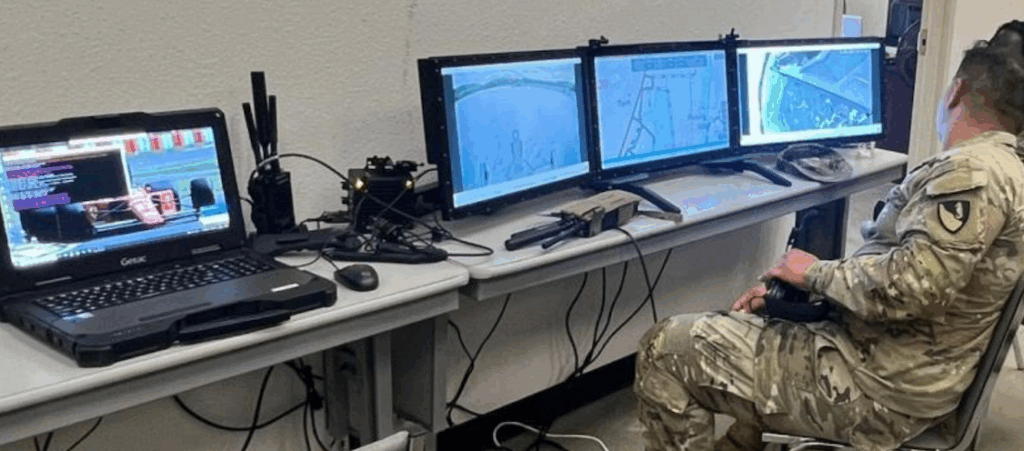
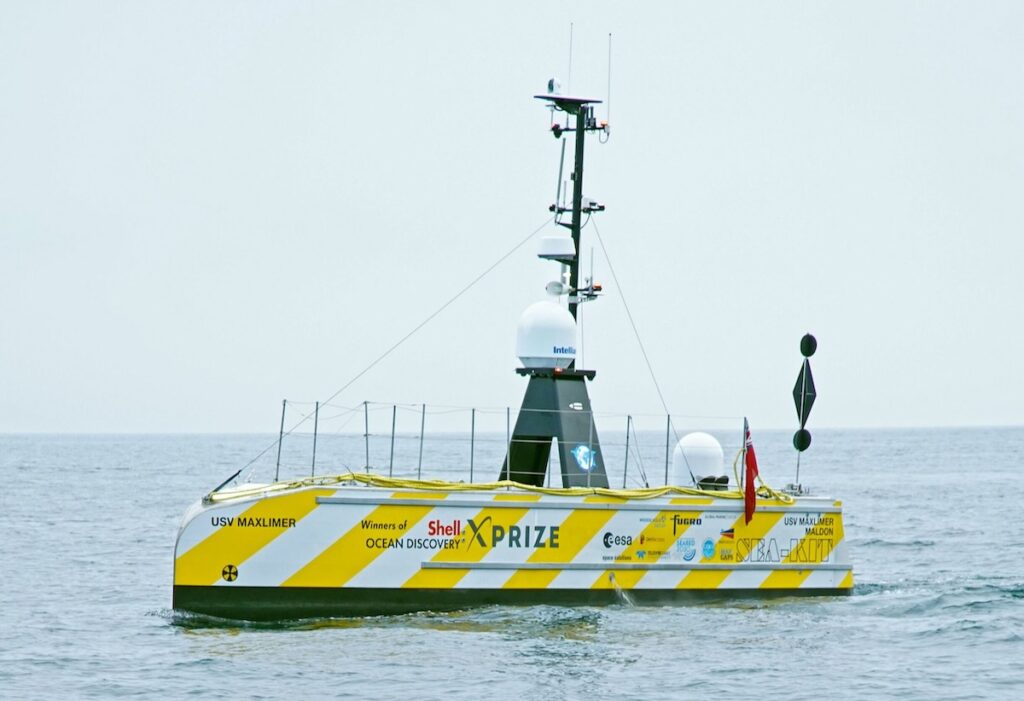
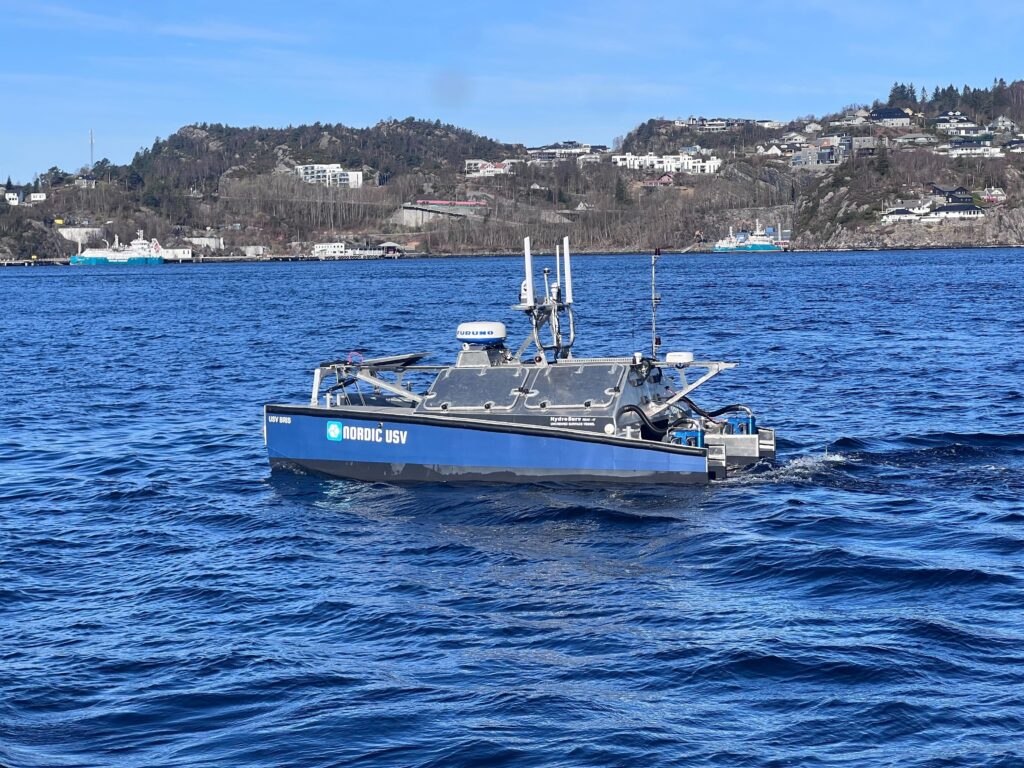
Autopilots for Unmanned Surface Vessels (USVs) and ROV Support
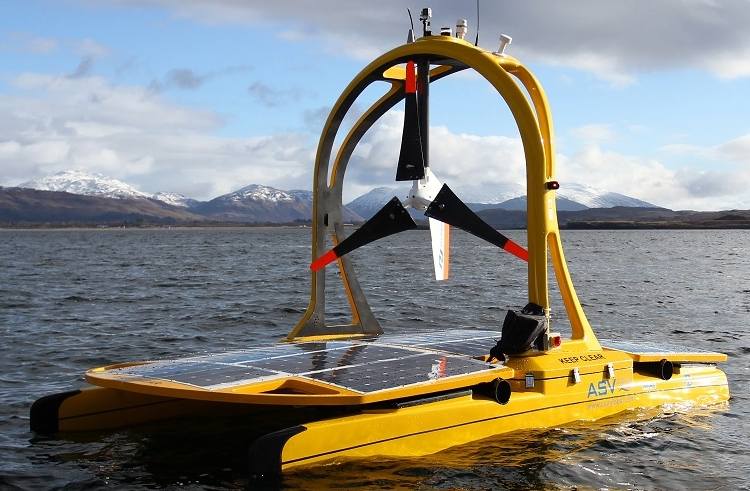
Autopilot modules for autonomous marine systems such as USVs and UUVs are key components of the autonomy stack. For subsea exploration, an ROV autopilot must also manage depth and station-keeping in three-dimensional space.
Applications of Marine Autopilot Systems
In commercial and scientific sectors, marine autopilot systems are utilized to ensure the precision of complex operations and the safety of the crew.
Commercial Shipping and Cargo Vessels
In commercial shipping, marine autopilots are used for maintaining navigation over long distances. By minimizing course deviations, they contribute to reduced fuel consumption and lower operational costs. Fleet management systems often rely on integrated autopilot solutions to enhance operational efficiency, especially in dynamic oceanographic or strategic environments.
Offshore Energy and Survey Operations
Offshore vessels conducting subsea surveys or energy infrastructure inspections rely on marine autopilots for track-following. Maintaining survey lines is necessary for data integrity when deploying sensors. These autopilots deliver survey path control for systems such as ROVs and towed sonar arrays.
Oceanographic Research Vessels
Research vessels require stable navigation. Autopilots for boats in this sector enable repeatable survey patterns and consistent speed control for bathymetric mapping. These autopilots also provide precision station-keeping for data buoys and floating laboratories.
Fisheries and Workboats
In fisheries, having an autopilot for a boat reduces operator fatigue during long operations. This allows the crew to focus on deck tasks while maintaining a consistent trawling pattern.
Naval and Maritime Security Applications
Naval platforms utilize systems as part of integrated navigation and combat systems. These systems are built with high redundancy to ensure operational continuity.
Core Components of Marine Autopilots
The hardware architecture of a vessel autopilot consists of several interconnected modules that translate sensor data into physical motion.
Autopilot Computer: The central processing unit that runs the control algorithms and manages data fusion.
Heading Sensors: Devices such as gyrocompasses or IMUs that provide the necessary orientation feedback.
Steering Actuators: Hydraulic or electric drives that physically move the rudder or thrusters.
GNSS/GPS Navigation Interface: The data link providing absolute geographic positioning and velocity vectors required for high-precision track-following and waypoint navigation.
Control Unit: The human-machine interface that allows the operator to set the course and monitor system health.
These components must work with high synchronicity and low latency to maintain stability in rough sea states.
Advanced Control Technologies
Modern marine autopilots have evolved beyond simple PID loops to include sophisticated technologies that anticipate environmental changes.
Self-Tuning Logic: Algorithms that automatically adjust gain settings as hull dynamics change with load or speed.
Predictive AI: Systems that learn wave patterns to apply rudder corrections before the vessel begins to yaw.
Track Control: Using GNSS coordinates to minimize lateral drift and keep the vessel on a precise geographic line.
DP Integration: Coordinating with tunnel thrusters and main propulsion for full 360-degree station-keeping.
These advancements allow for extreme precision in offshore engineering and subsea survey tasks where even minor deviations are unacceptable.
Sensor Integration & Data Fusion
For a marine autopilot module to be effective, it must integrate data from a variety of environmental and positional sensors.
GNSS and Satellite Navigation Systems
Satellite navigation provides absolute positioning and velocity data. Multi-constellation GNSS improves accuracy and resilience for track control functionality.
Inertial Navigation Systems (INS)
INS provides high-rate motion data and short-term position estimation. This ensures continuity during GNSS outages, which is relevant in high-latitude or obstructed environments.
Doppler Velocity Logs (DVL) and Speed Sensors
DVL systems measure velocity relative to the seabed, offering data for precise navigation, especially in low-speed or dynamic positioning scenarios.
Environmental Sensors (Wind, Current, Wave)
Environmental inputs allow the autopilot to compensate for external forces. Wind sensors are used for sailing vessels and exposed offshore platforms to maintain course stability.
Multi-Sensor Fusion for Robust Navigation
Systems employ sensor fusion techniques to combine multiple data sources into a single estimate of vessel state. This improves accuracy and resilience to individual sensor failures.
Communication & Network Integration in Marine Autopilots
The marine autopilot system must be fully integrated into the vessel’s digital nervous system to allow for data exchange with other bridge equipment.
NMEA Standards: Protocols like NMEA 2000 allow for plug-and-play connectivity between sensors and the autopilot computer.
Ethernet Networks: High-bandwidth connections required for the complex autonomy stacks of uncrewed vessels.
ECDIS Integration: Allowing the autopilot to import voyage plans and follow multi-waypoint routes automatically.
Cybersecurity Protocols: Encrypted data buses and secure boot features to protect the navigation system from unauthorized access.
Ensuring secure and reliable communication is essential as vessels move toward higher levels of connectivity and autonomy.
Marine Standards & Regulatory Compliance
To operate in international waters, marine autopilots must meet stringent safety and performance standards established by global maritime bodies.
SOLAS Compliance: Ensuring the autopilot meets the Safety of Life at Sea standards for commercial vessels.
Classification Standards: Meeting the rigorous design and testing criteria set by societies such as DNV and ABS.
IEC/ISO Specs: Adhering to technical standards for marine electronics and track control system performance.
Redundancy Requirements: Incorporating fail-safe mechanisms and backup power to prevent navigation loss during a failure.
Compliance ensures that these systems are reliable enough for use in the most demanding maritime and scientific environments.
Installation, Integration & Retrofitting
The successful deployment of a vessel autopilot depends on precise installation and thorough sea trials to calibrate the system to the specific hull.
System Design and Vessel Integration Considerations
Implementation requires integration with the vessel’s steering system and power supply. Architecture must account for latency and environmental constraints.
Retrofitting Legacy Vessels
Retrofitting an autopilot for a boat involves addressing challenges related to compatibility. Modular designs can be integrated with minimal structural modification even on older hulls.
Calibration and Sea Trials
Calibration ensures that sensor inputs and control responses are aligned. Sea trials are used for validating performance under real-world conditions.
Maintenance and Lifecycle Management
Regular maintenance, including sensor calibration and actuator inspection, is required for long-term reliability and compliance.
Emerging Trends in Marine Autopilot Technology
The field of marine navigation is undergoing a rapid shift as artificial intelligence and autonomous frameworks become more prevalent.
Full Autonomy: The evolution of autopilots into platforms that can navigate from port to port without a crew.
AI-Software & Machine Learning: Systems that continuously refine their control loops by analyzing years of operational data.
Digital Twins: Virtual models that allow for the optimization of autopilot performance before the physical ship is even launched.
Integrated Autonomy: The total convergence of bridge systems, autopilots, and propulsion into a single, unified control framework.
These trends are redefining the role of the autopilot, moving it from a basic steering aid to the core engine of maritime autonomy.
UAV Navigation-Grupo Oesía elevates maritime autonomy with a new software release enabling coordinated air and sea swarm operations in contested environments
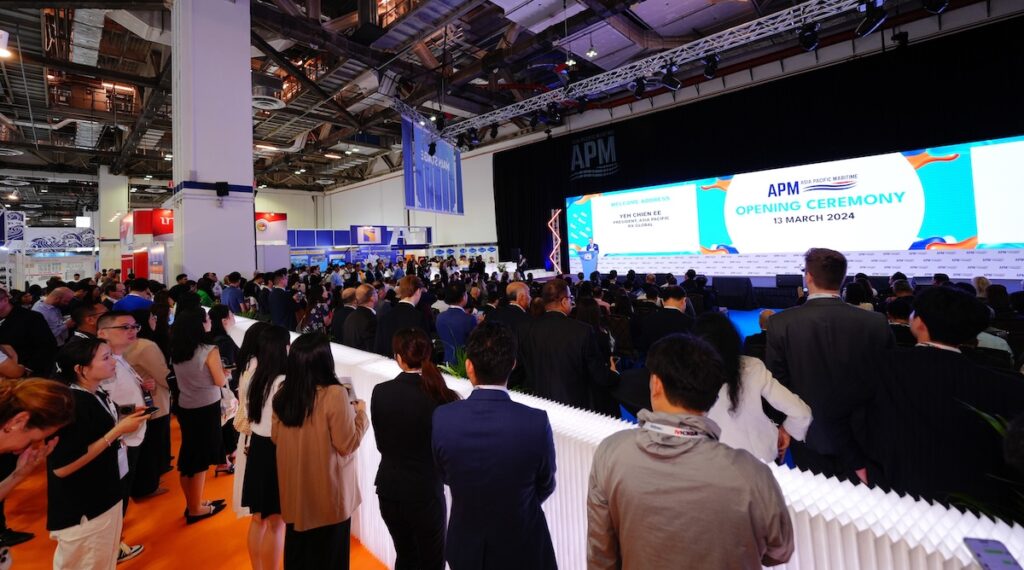
Asia Pacific Maritime 2026 convenes global shipowners as operational management takes center stage, addressing digitalization, decarbonization, and technologies shaping the future of maritime operations
Dynautics will present its Phantom 2 modular uncrewed underwater vehicle and redesigned hardware kits at Oceanology International, stand F570, highlighting control systems and communications technologies for uncrewed marine missions
A European client has awarded Robosys Automation a contract to integrate its advanced VOYAGER AI software into a Damen Fast Crew Supplier vessel to enhance safety and operational efficiency
Robosys Automation will deliver its VOYAGER AI Autonomous Navigation System to the University of Plymouth, integrating with a Royal Navy-supplied C-Enduro USV for hydrographic and oceanographic surveying and training
Robosys integrates AI autopilot, advanced networking, and BVLOS capabilities into an open-architecture retrofit of an M30 Bridge Erection Boat for wet gap crossing demonstrations
Dynautics applies over 30 years of experience to deliver advanced autopilot systems, simulation tools, and customized vessel control solutions, enhancing the design and deployment of USVs
Robosys Automation has unveiled its new VOYAGER AI SMARTPILOT™, a cost-effective autopilot delivering intelligent vessel control and enhanced safety for maritime operations
The latest HydroSurv Unmanned Surface Vehicle (USV), the REAV-47, pairs Dynautics’ custom autopilot system with rim-driven thruster propulsion for advanced marine survey missions
The latest offshore, subsea & marine technology news, straight to your inbox.
Get our weekly roundup of technology developments, new products and industry news.
THANK YOU FOR SIGNING UP
Thanks for joining us. Check your inbox.
We've sent you an email. Click the confirmation link to complete your subscription to the weekly eBrief. In the meantime, explore the latest news, suppliers and technologies.