
Greensea IQ explains how increasing operational pressure and persistent vulnerabilities are redefining hull maintenance expectations across the maritime sector, highlighting the need for continuous visibility and proactive intervention. Read more >>
The global shipping environment is facing one of its most complex periods in decades, with instability in the Strait of Hormuz and broader war risk conditions driving higher insurance premiums, adjusted or suspended coverage, and rising bunker costs.
Despite this, many operators continue to rely on periodic hull inspection and biofouling mitigation practices. As disrupted shipping lanes and congestion extend idle time, vessels become more susceptible to fouling while crews operate in less predictable regions. Maintaining full hull visibility, supported by a proactive maintenance strategy, is becoming a baseline requirement for reliable and insurable operations.
These risks are not limited to geopolitical conditions. Drug trafficking networks have adapted to commercial shipping infrastructure, using sea chests and magnetic attachments to conceal contraband and create legal exposure for vessel owners and operators, particularly when arriving from high-traffic regions. Dive teams are commonly used for inspection, but hull complexity, poor visibility, and variability in human assessment limit reliability.
Integrated Robotic Approach to Hull Maintenance
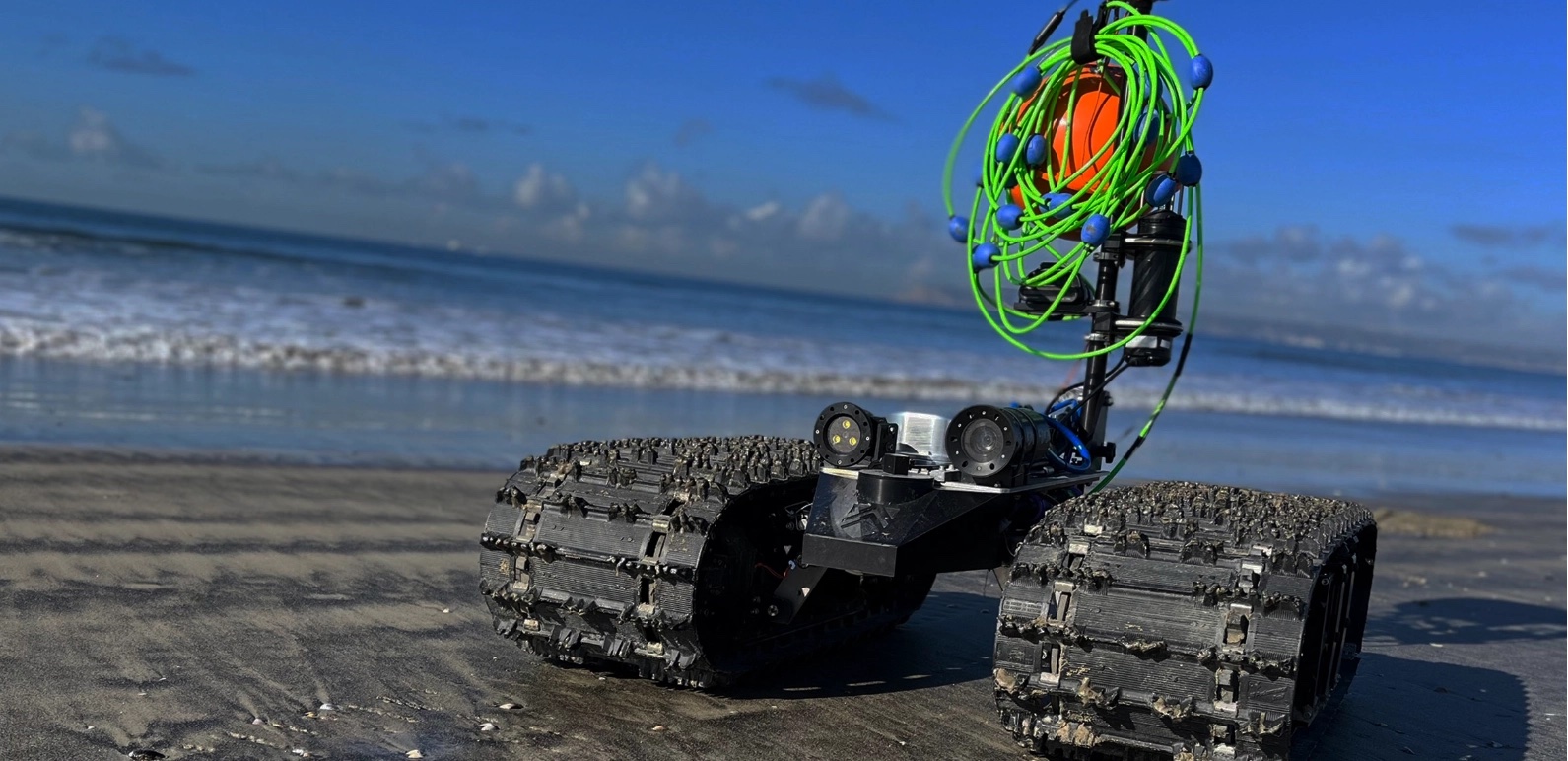
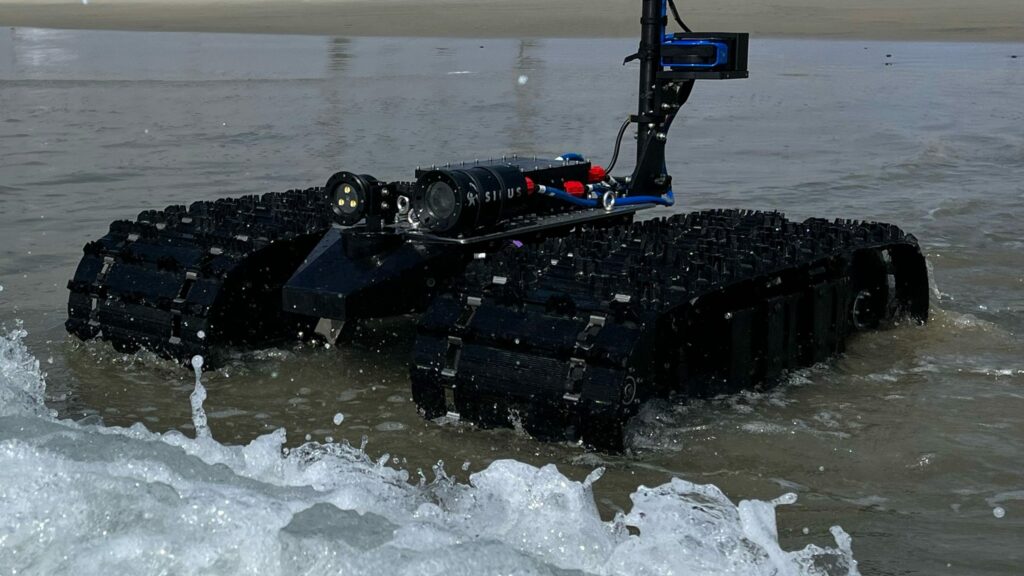
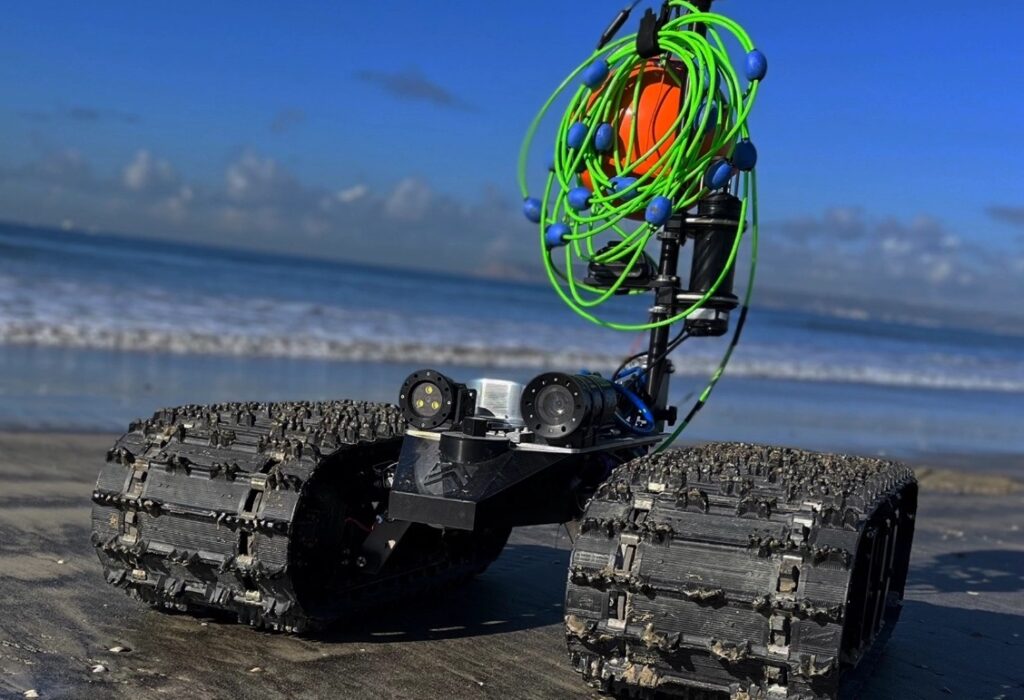
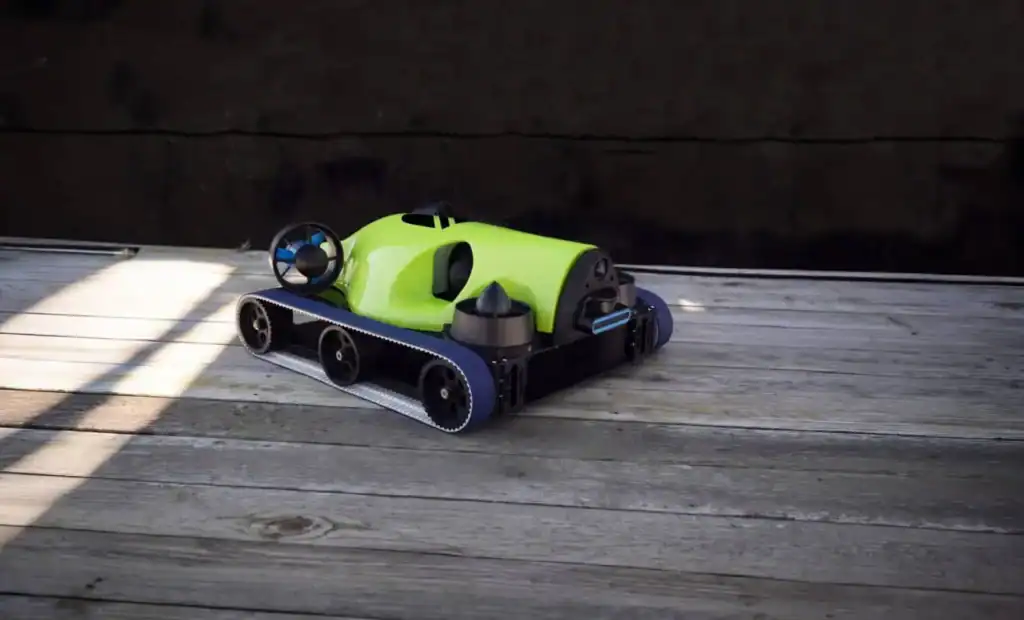
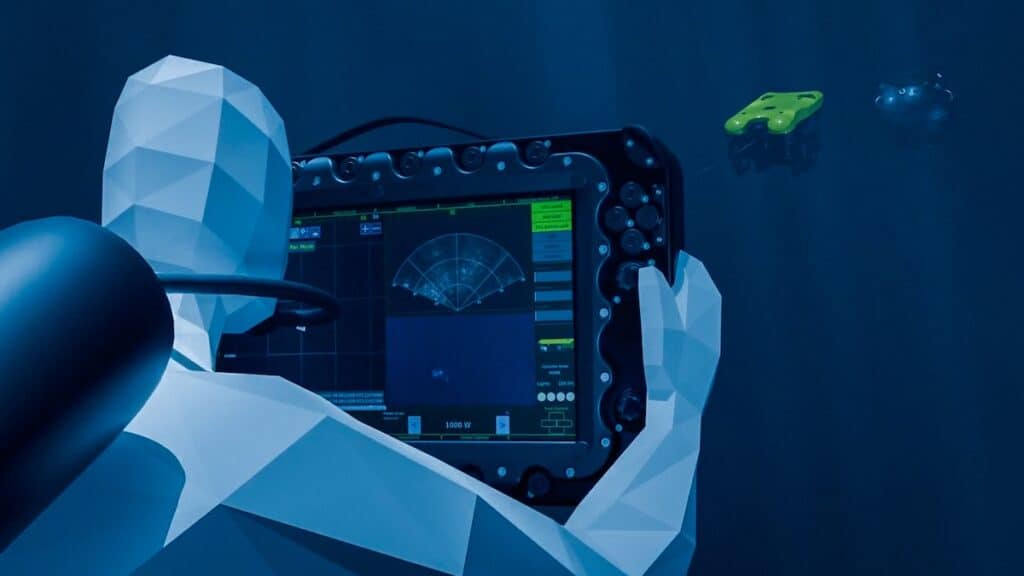
Greensea IQ’s EverClean system addresses these challenges through an integrated in-water robotic approach that combines autonomous biofouling removal, hull inspection, and damage assessment within a single deployment. This eliminates drydock downtime, reduces reliance on divers, and avoids disruption to vessel schedules.
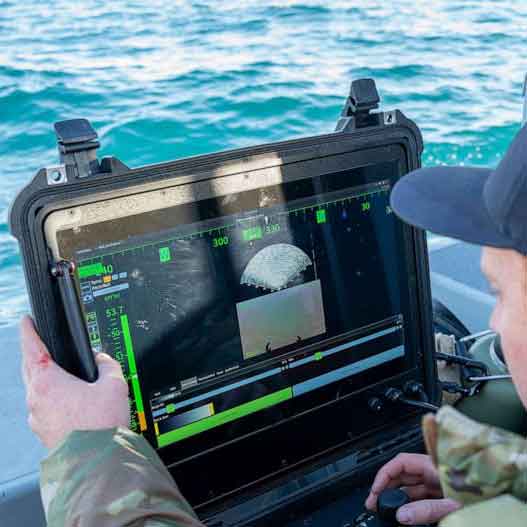
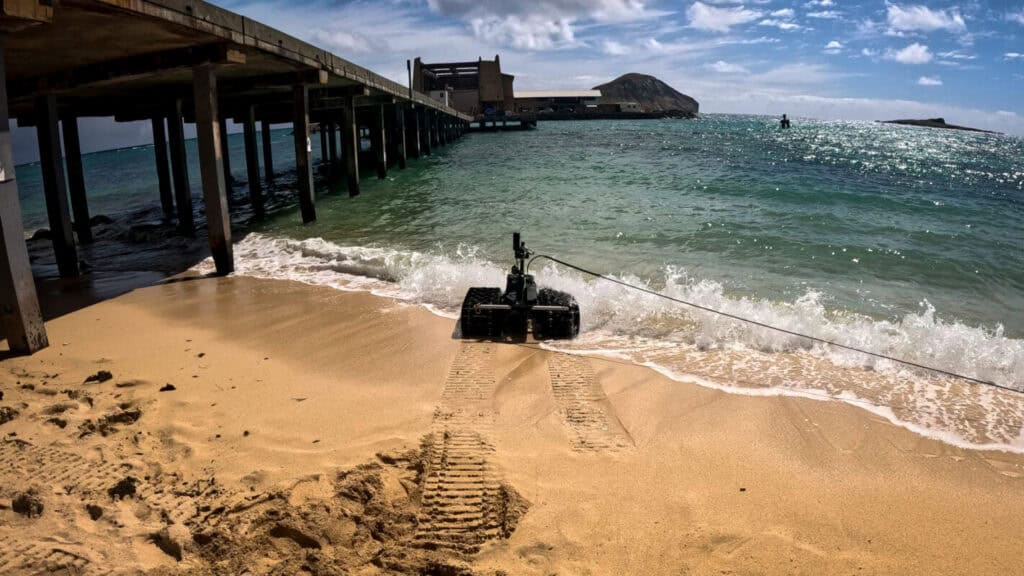
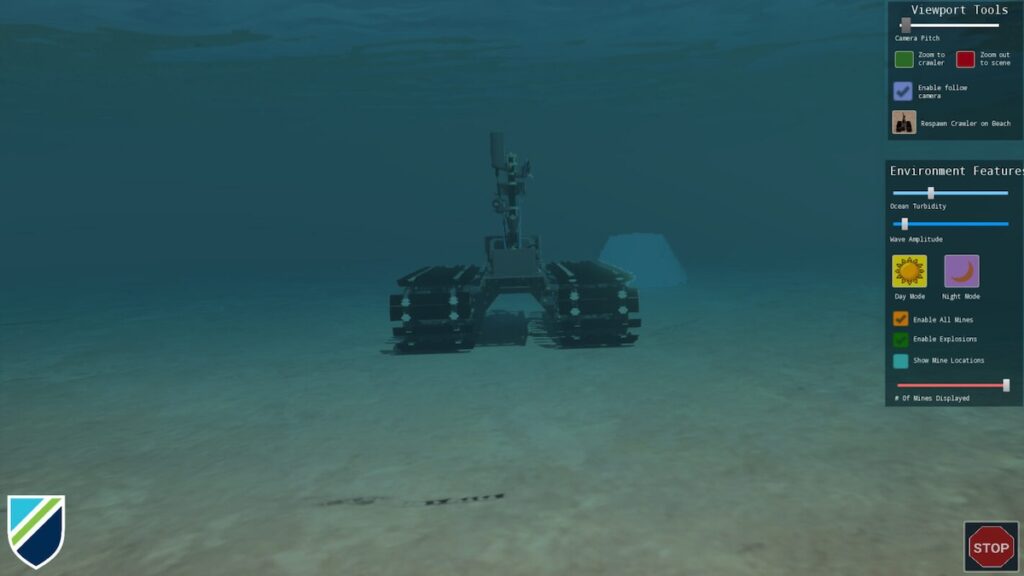
EverClean autonomous robots can traverse up to 90 percent of a vessel’s hull, capturing continuous video and condition data during each cleaning pass. Hull visibility is embedded within the process rather than treated as a separate step. The system can also be deployed as a self-hosted or customized solution where regular port service is unavailable.
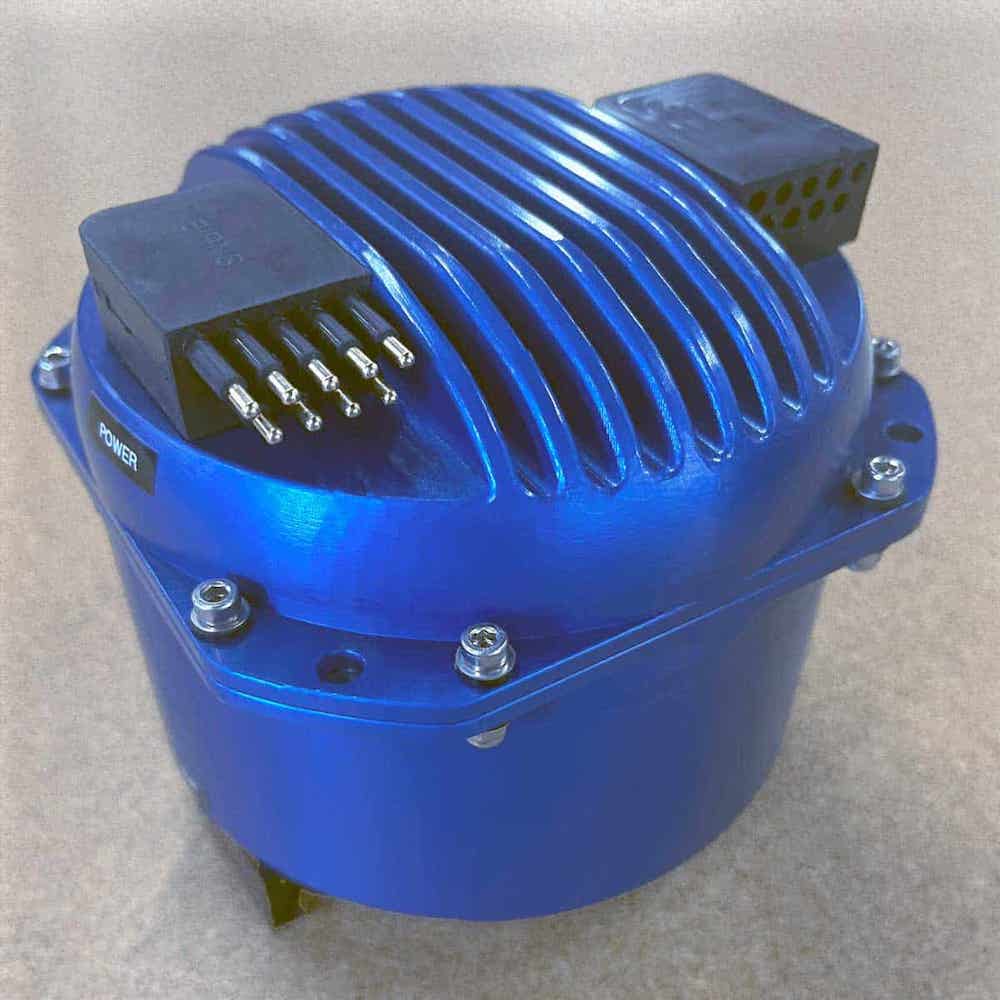
The autonomy framework that powers EverClean is the same technology used by Greensea IQ in high-risk defense Remotely Operated Vehicle (ROV) operations, where real-time underwater precision and data acquisition are mission-critical, and has been validated over 20 years of military use.
Operational Gaps & Emerging Regulatory Pressure
Conventional practices are increasingly insufficient to meet operational and regulatory demands. Biofouling can increase fuel consumption by up to 30 percent, while a clean hull can reduce fuel costs by as much as 20 percent. Despite this, only about one-third of shipping companies invest in routine biofouling management beyond coating systems and standard five-year drydock cycles, with dive service providers remaining the most common maintenance approach.
The International Maritime Organization’s 2026 Biofouling Guidelines call for vessel operators to maintain a management plan and document cleaning activity. While currently voluntary, regional enforcement is expanding, creating the potential for denied port entry, operational delays, and legal consequences.
As commercial shipping fleets, cruise operators, and port authorities face increasing operational uncertainty, regulatory pressure, and cost sensitivity, the need for consistent hull intelligence continues to grow. EverClean provides persistent, autonomous insight into hull condition, supporting fleet readiness, insurance compliance, and improved fuel efficiency without interrupting vessel operations.