

SubC Imaging, a developer of underwater optical imaging systems, discusses the capabilities of the Rayfin subsea camera for capturing high-quality images and logging NMEA environmental data in real time. Read more >>
NMEA data loggers record oceanographic information from subsea cameras, providing real-time data about the surrounding environment. This data supports oceanographers, marine scientists, and offshore professionals in making well-informed, data-driven decisions.
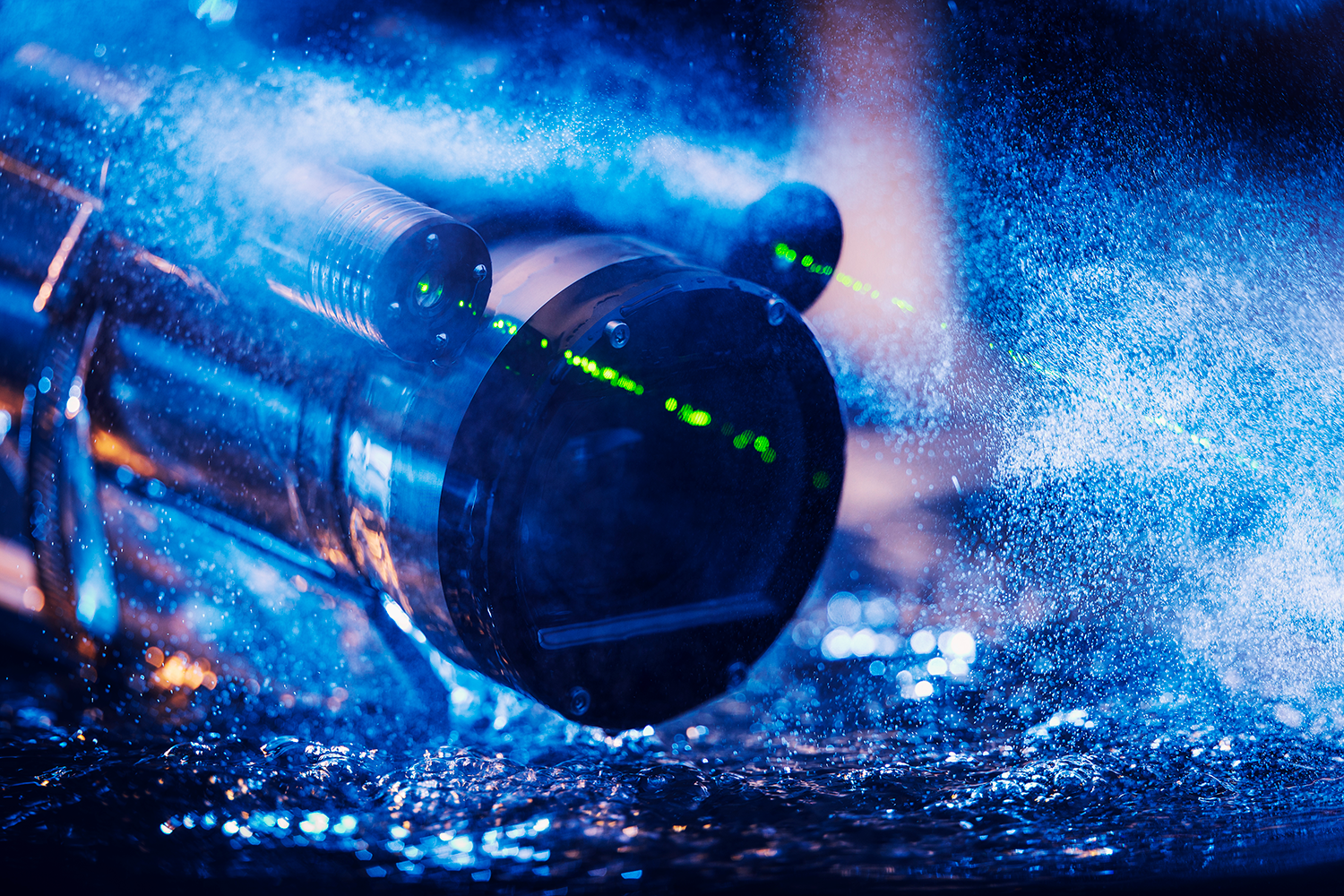
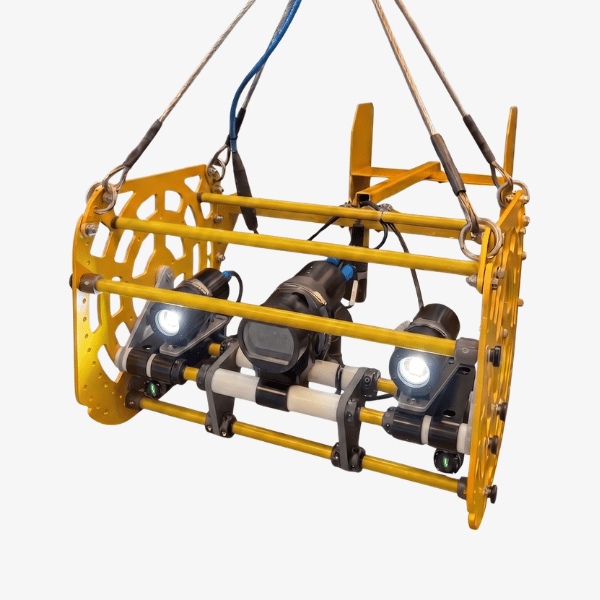
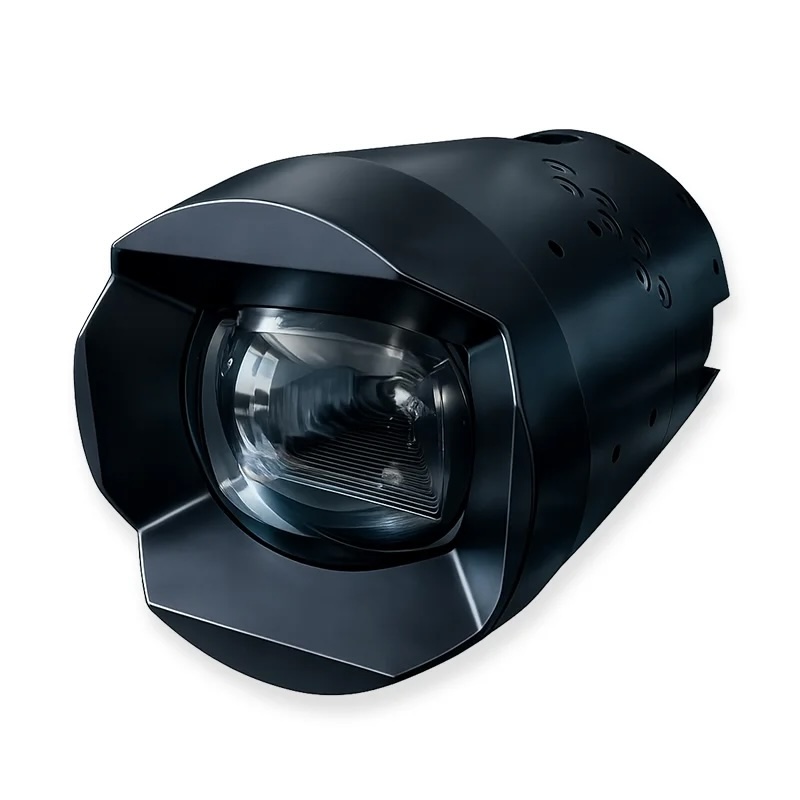
The Rayfin subsea camera supports image-based survey operations. It combines multiple functions, acting as a high-quality camera, a multiplexer, and a data logger.
Functions & Sensors
As a multiplexer, it integrates multiple RS-485 connections into a single Ethernet link, allowing video, digital stills, and NMEA data to be transmitted reliably between the seabed and surface. The camera’s auxiliary ports enable this multiplexer capability.
As a data logger, the Rayfin records time-synchronized sensor data alongside video and images. All information related to recorded video or digital stills, including location and depth, is captured, allowing researchers to analyze and understand the context in which their footage was collected.
SubC Imaging’s Rayfin camera eliminates the need for a separate data logger, recording real-time information about the surrounding ocean environment. External sensors include depth, temperature, salinity, pressure, current speed and direction, and other environmental parameters.
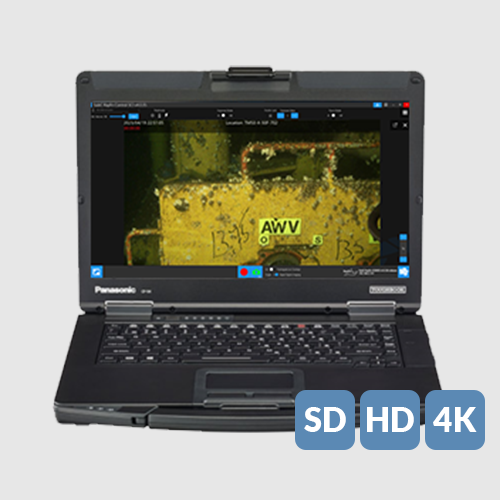
The camera can also log topside sensor data, such as GPS. GPS latitude and longitude are time-stamped and stored in daily CSV files in the camera’s “Data” folder, and embedded in JPEG EXIF to geo-reference photos.
The Rayfin has built-in NMEA data sensors including tilt, roll, accelerometer, magnetometer, and gyro (IMU), with optional depth and temperature sensors.
Compatible sensors, including altitude or the optional built-in depth sensor, display data in the camera software. Data can be transmitted via RS-485 serial on the auxiliary ports or via UDP Ethernet from topside control software.
NMEA Standard & Sensor Compliance
The NMEA standard (NMEA-0183) defines the data format and communication protocols for marine instrumentation, ensuring compatibility between different devices. The Rayfin camera applies this standard, time-stamping each data string and recording it in parallel with its internal sensors, video, and images.
SubC Imaging’s Rayfin camera also comes in different models, all compatible with common NMEA 0183 sensors such as GPS, CTD, gyroscope, altitude, system clocks, USBL, gravity, linear acceleration, rotation, and direction.
By combining imaging, data logging, and multiplexer capabilities, the Rayfin camera allows users to collect and save large volumes of video, image, and environmental data efficiently. This integration reduces the need for separate equipment, streamlines survey operations, and ensures high-quality, dependable data for subsea research and analysis.
To find out more information, read ‘NMEA Data Logging with the Rayfin Subsea Camera’ here >>