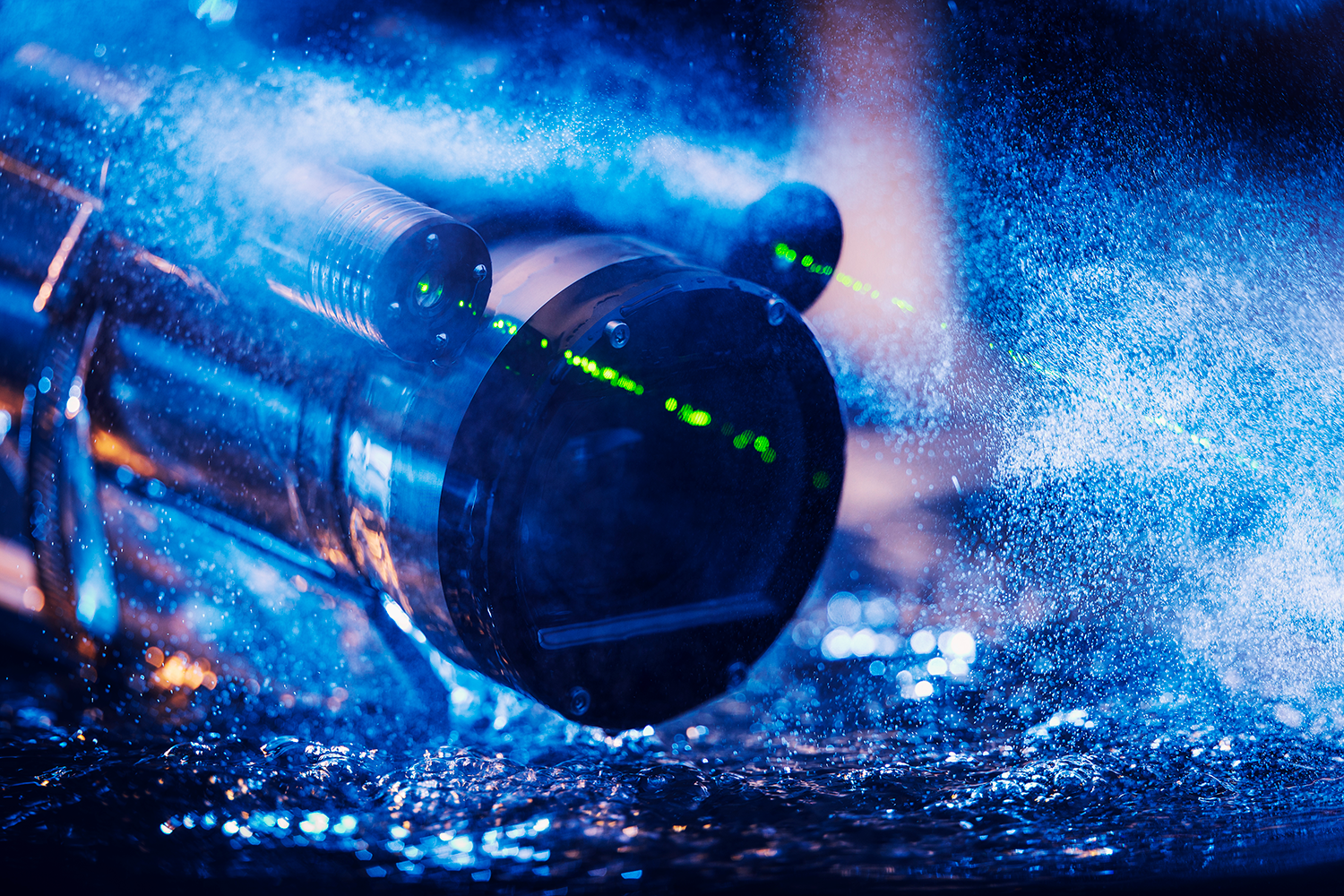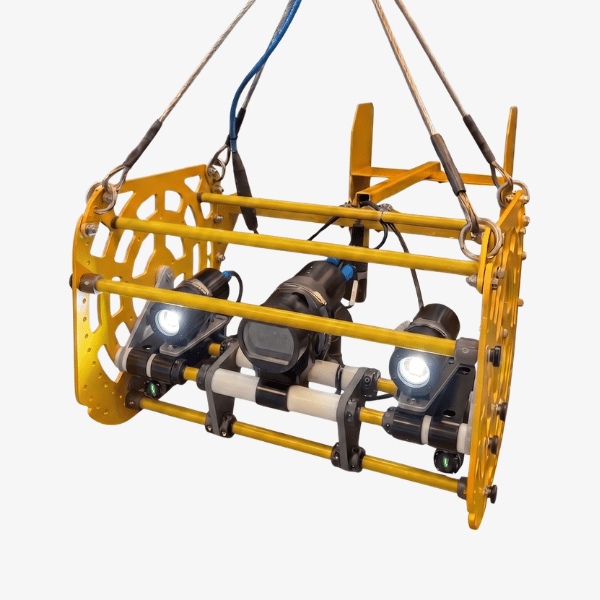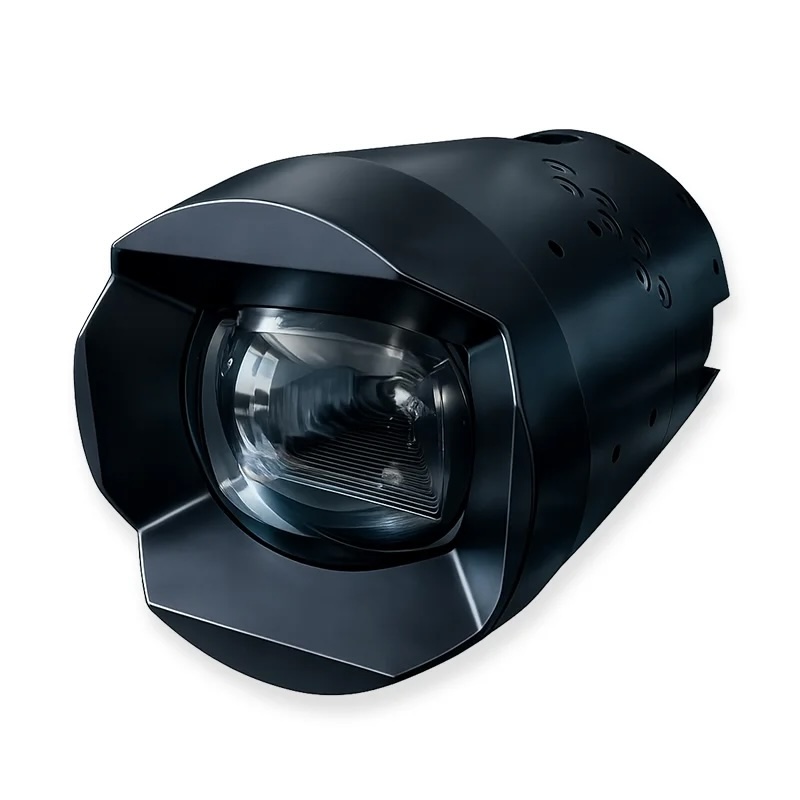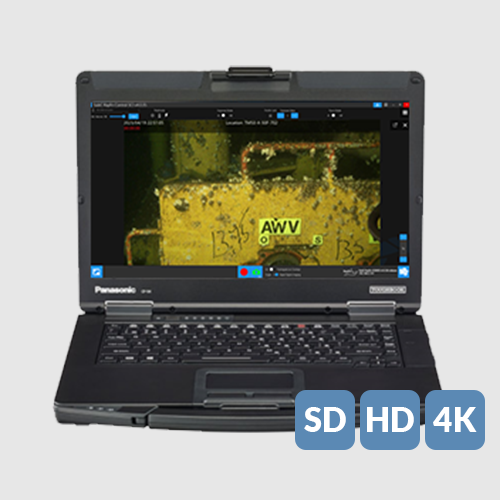
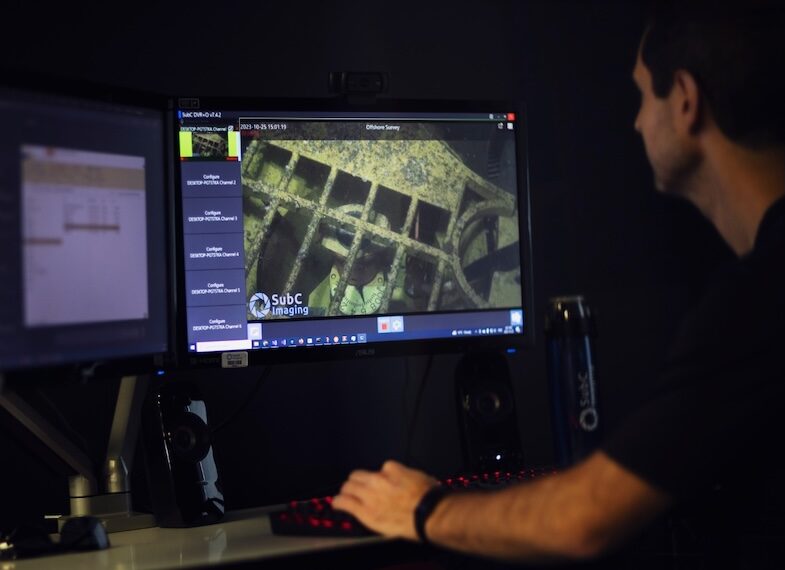
SubC Imaging explores the key causes of subsea video delay in the article, “Top 5 Factors That Affect Real-Time Streaming Latency Underwater.” The piece examines why low-latency video is critical for ROV piloting, offshore inspections, pipeline surveys, and asset integrity work, where even brief delays can affect control, accuracy, and response times.
The article outlines how latency is measured in subsea systems, commonly defined as glass-to-glass delay, which accounts for every stage from image acquisition through processing, encoding, transmission, and final display. Maintaining this delay below one second is presented as ideal for real-time control and situational awareness. When latency exceeds this level, operators may encounter lag that complicates maneuvering and slows inspection workflows, particularly during complex or time-sensitive operations.
Five primary contributors to latency are explored, including bandwidth limitations, compression strategies, processing performance, transmission distance, and environmental conditions. Each factor introduces specific constraints, from limited offshore network capacity to delays associated with satellite communication. SubC Imaging also highlights the need to balance image quality with transmission speed, depending on inspection requirements and operating conditions.
The piece further outlines practical methods for reducing delay, such as optimizing network paths, allocating bandwidth effectively, and adjusting encoding settings in real time. It also examines how SubC Imaging addresses these challenges through integrated streaming solutions designed to maintain low latency across varying bandwidth conditions.
Read more on the SubC Imaging website for a more detailed breakdown of each factor and guidance on improving subsea video performance in offshore operations.