
SubC Imaging discusses how subsea Remotely Operated Vehicles (ROVs) enable scientists to investigate underwater environments that are inaccessible to human divers.
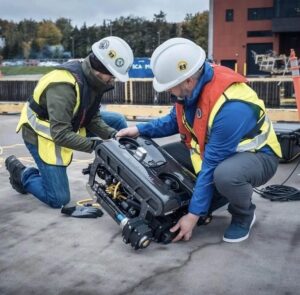
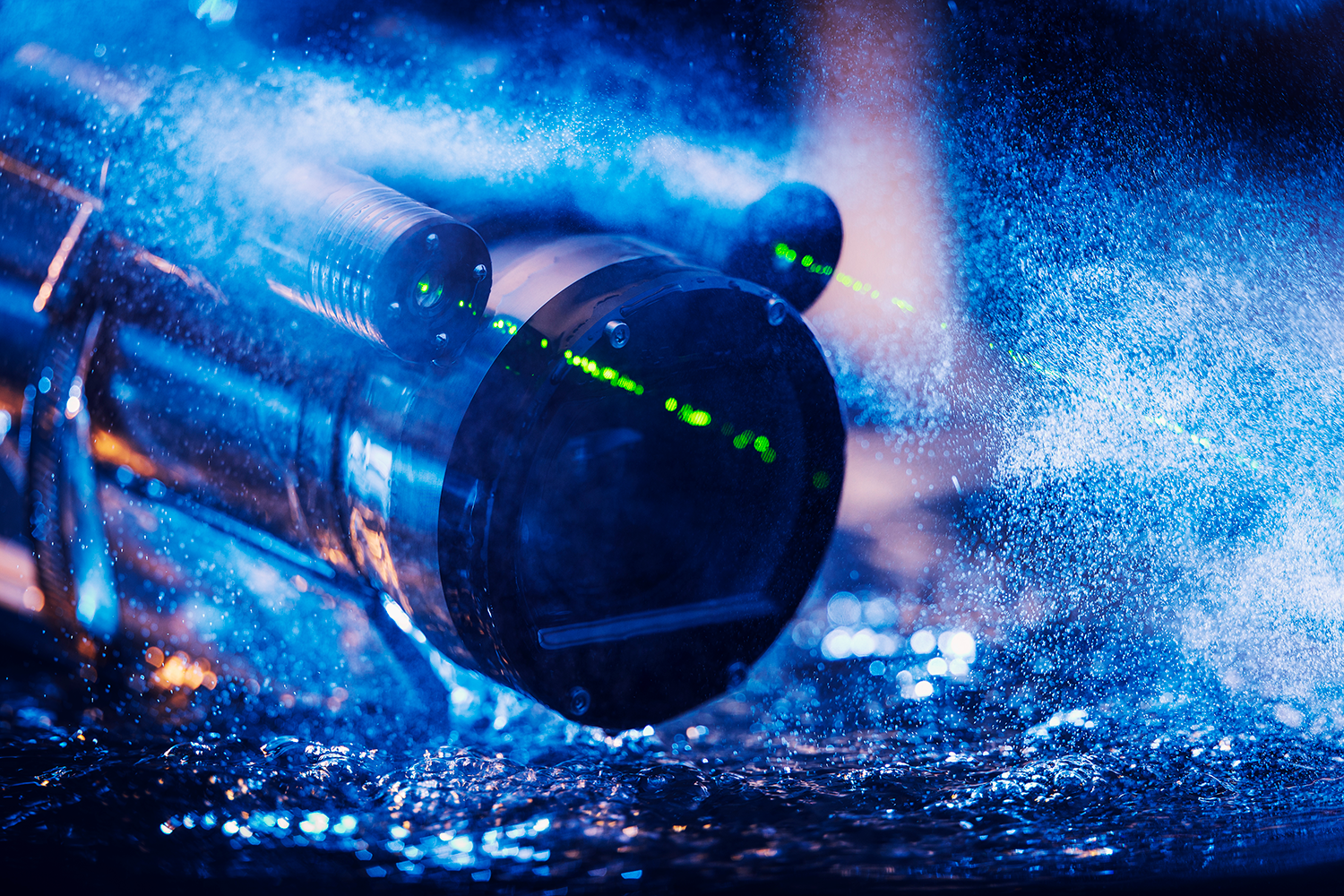
Image credit: WaterWerks Agency
By integrating rugged vehicle platforms with imaging, sensing, and sampling technologies, ROVs support oceanographic research across a wide range of depths and operating conditions.
What Is an Underwater ROV?
An underwater ROV is a robotic vehicle controlled from the surface through a tethered connection. The tether supplies power and enables real-time transmission of commands, video, and sensor data between the vehicle and operators aboard a vessel or platform.
ROVs are widely used in ocean science, environmental monitoring, offshore inspection, and exploration, carrying payloads such as cameras, lighting systems, sonar, navigation sensors, and manipulator arms.
How Do Underwater ROVs Work?
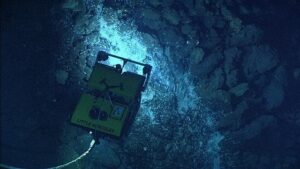
Image credit: NOAA
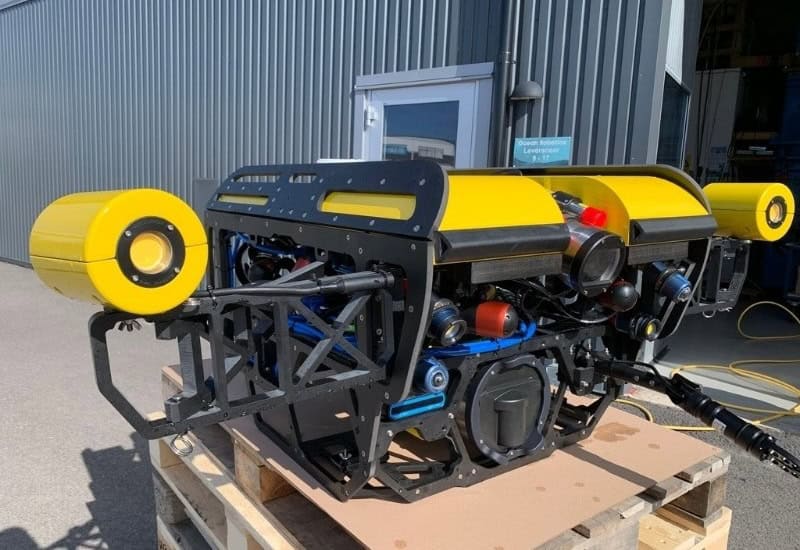
Underwater ROVs are engineered to operate reliably in high-pressure subsea environments and are equipped with cameras, lighting, sensors, thrusters, and manipulator arms, along with mission-specific tools.
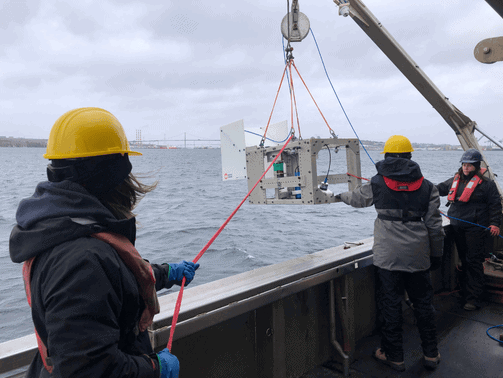
Deployed from vessels or offshore platforms, ROVs are connected to the surface by a tether that supplies power and enables real-time communication. Operators control the vehicle from a surface-based console using live video and sensor data to navigate complex terrain, inspect subsea structures, observe marine life, and carry out survey or research tasks with precision.
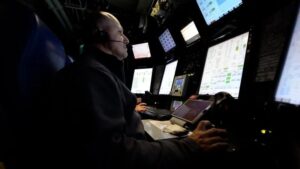
During operations, ROVs collect scientific data using onboard instruments such as sonar, water quality sensors, and temperature and pressure gauges, while manipulator systems allow for the retrieval of geological or biological samples.
Continuous real-time feedback enables operators to adjust vehicle positioning, lighting, and camera settings as conditions change. Once the mission is complete, the ROV is recovered to the surface, and collected data is processed and analyzed to support oceanographic research and reporting.
ROV Classes Used in Ocean Research
ROVs are designed in several classes to meet different depth and mission requirements.
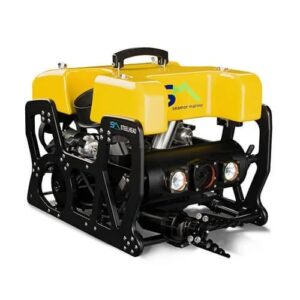
Image credit: SEAMOR Marine
- Work-class ROVs operate at extreme depths, typically between 3,000 and 6,000 meters, supporting deep-sea research and offshore operations.
- Light work-class ROVs perform inspection and intervention tasks at depths of roughly 1,000 to 3,000 meters and can carry specialized sensors.
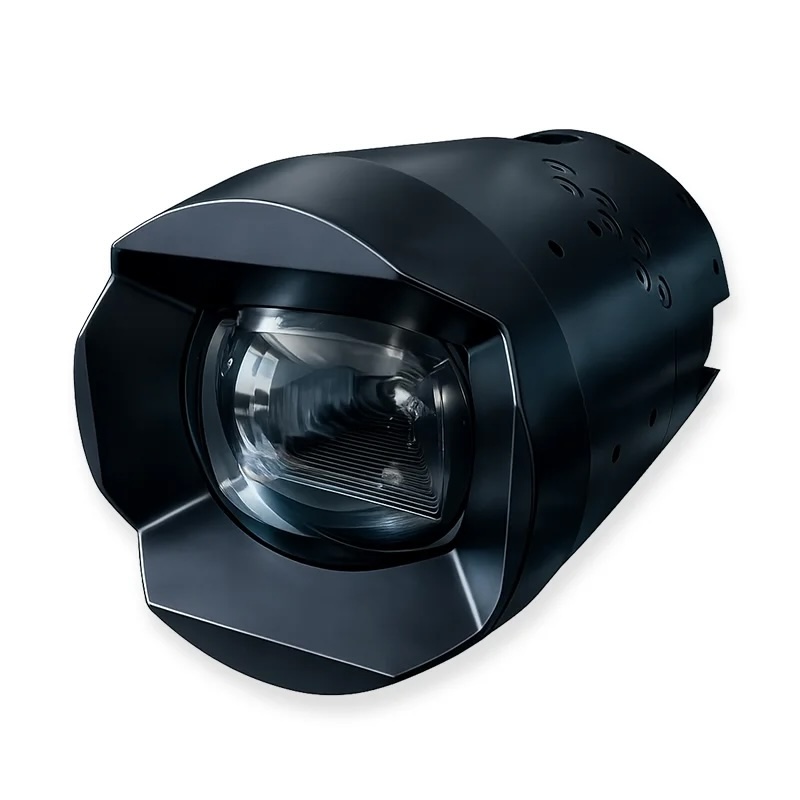
- Observation-class ROVs are smaller, maneuverable platforms used in coastal waters, lakes, and rivers, usually operating to depths of up to 1,000 meters. SubC Imaging’s Rayfin Micro subsea camera is designed for integration with this class of vehicle.
- Micro and mini ROVs are compact systems intended for shallow-water and confined-space inspections, typically operating between 100 and 300 meters.
Furthering Ocean Knowledge with ROVs
Equipped with high-definition cameras and sensors, ROVs allow scientists to observe marine life in its natural habitat, supporting studies of biodiversity, behavior, and ecosystem health.
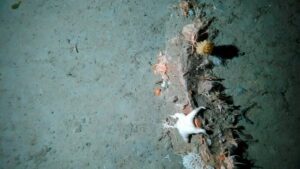
ROVs also contribute to geological and geophysical research through seafloor mapping and sample collection, support oceanographic studies by measuring physical and chemical water properties, assist with long-term environmental monitoring of sensitive habitats such as coral reefs and kelp forests, and document underwater archaeological sites and shipwrecks with minimal disturbance.
Imaging Advances Supporting ROV Operations
Advances in subsea imaging continue to improve the effectiveness of ROV-based research. SubC Imaging’s Rayfin Micro ROV camera features low-latency live image enhancement to improve visibility in low-light or turbid conditions and supports real-time access to media and data at the surface. The compact system is designed to support efficient survey workflows.
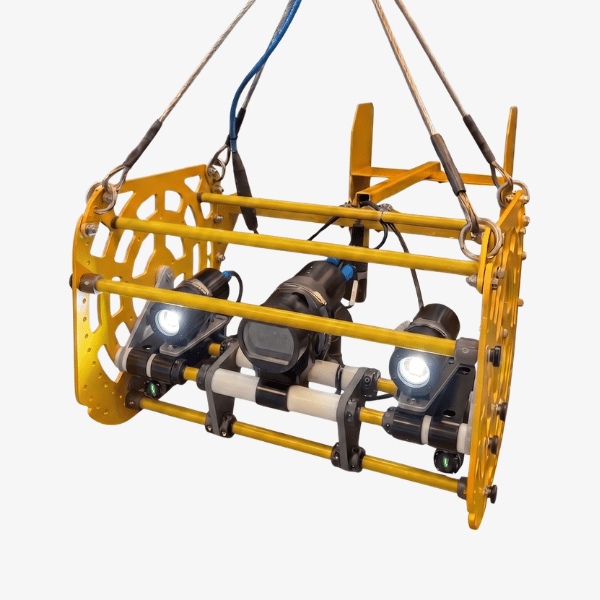
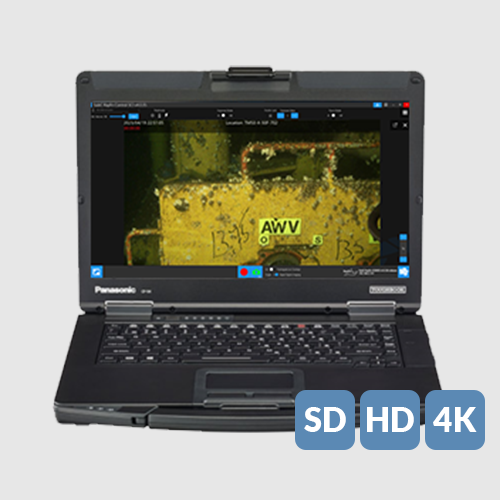
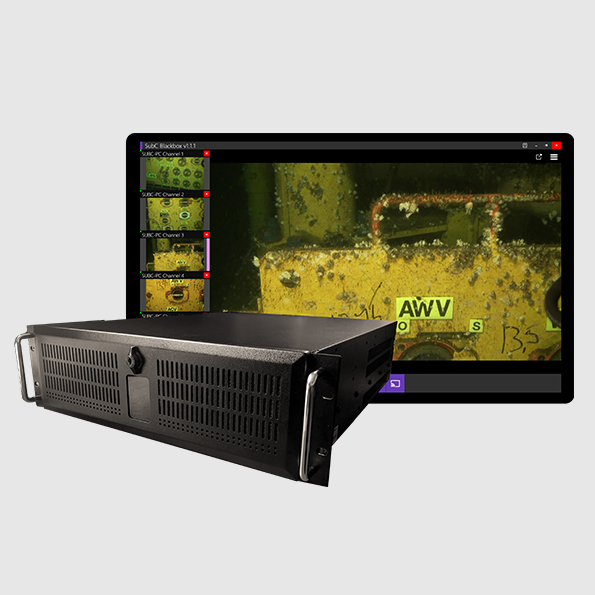
The Rayfin Single Channel Inspection system further streamlines ROV inspections through real-time data transfer, high-quality imaging, automated logging, and centralized control, supporting detailed analysis for ocean science applications.
Subsea ROVs are a foundational tool in modern ocean science, enabling reliable observation, measurement, and sampling across diverse underwater environments. As vehicle platforms and imaging technologies continue to evolve, ROVs are expected to remain essential to advancing scientific understanding and supporting responsible management of marine ecosystems.
Find out more about how subsea ROVs work for ocean research on SubC Imaging’s website.