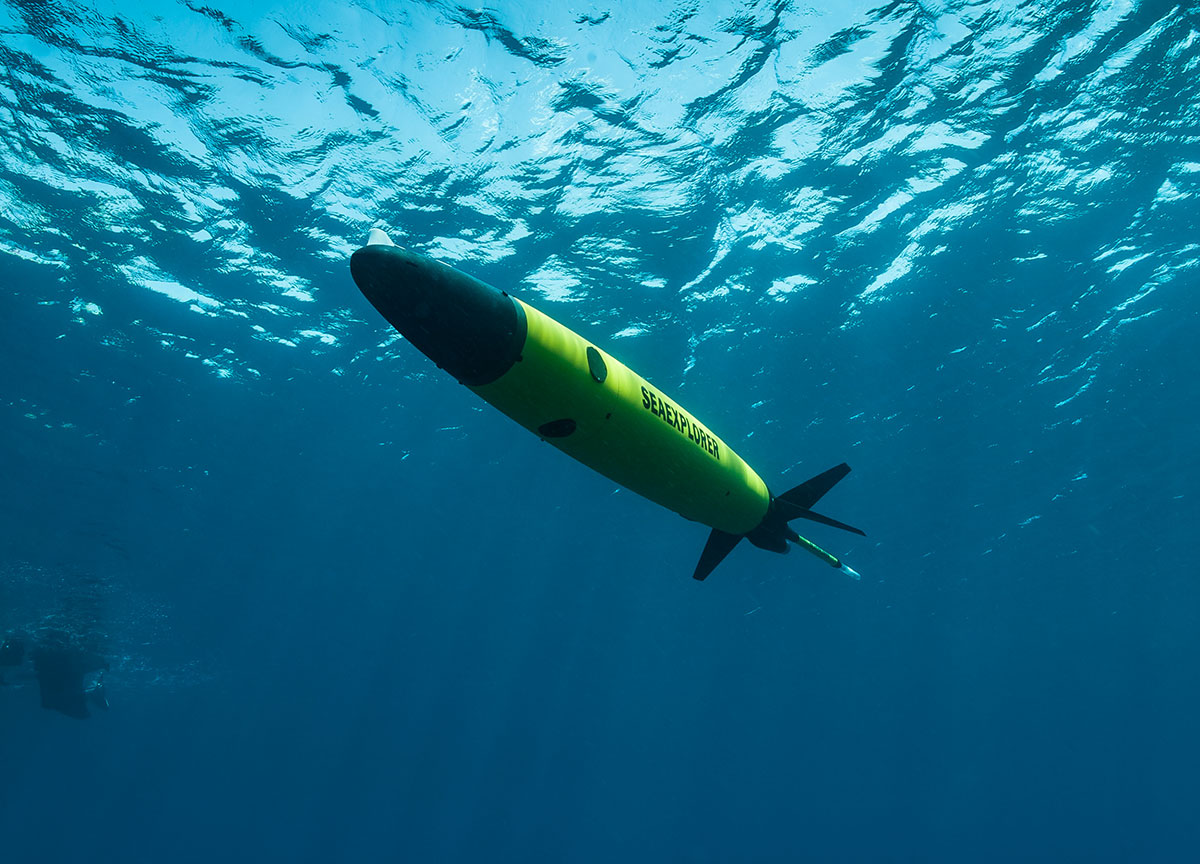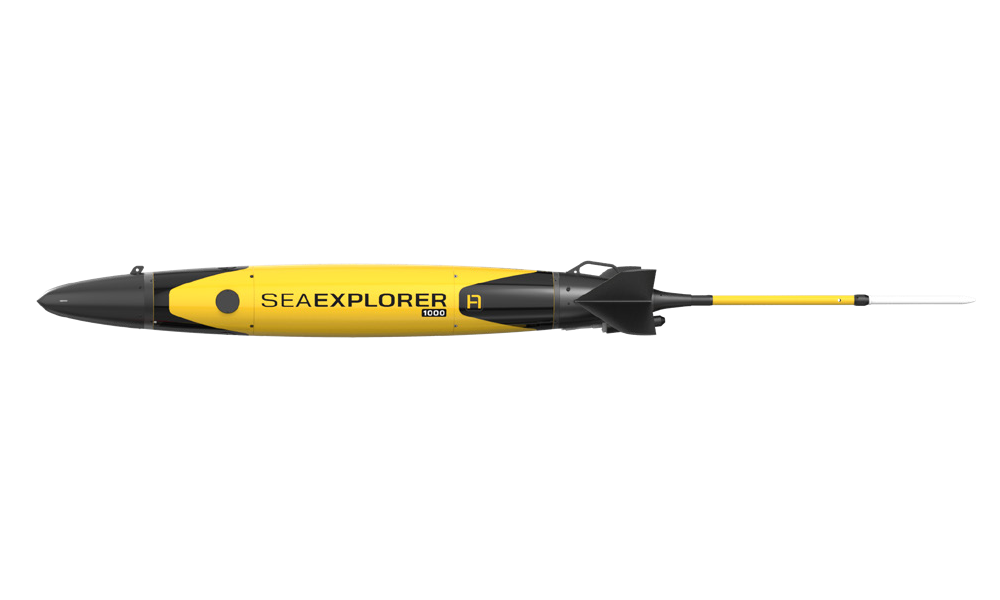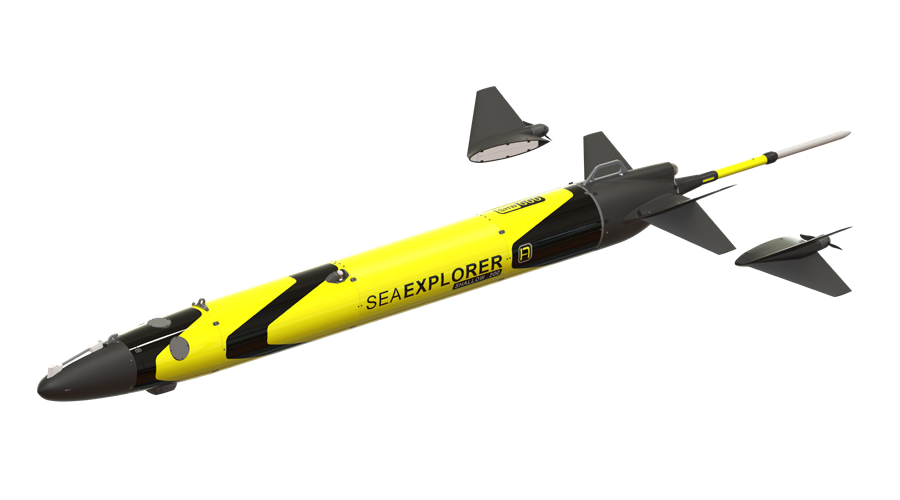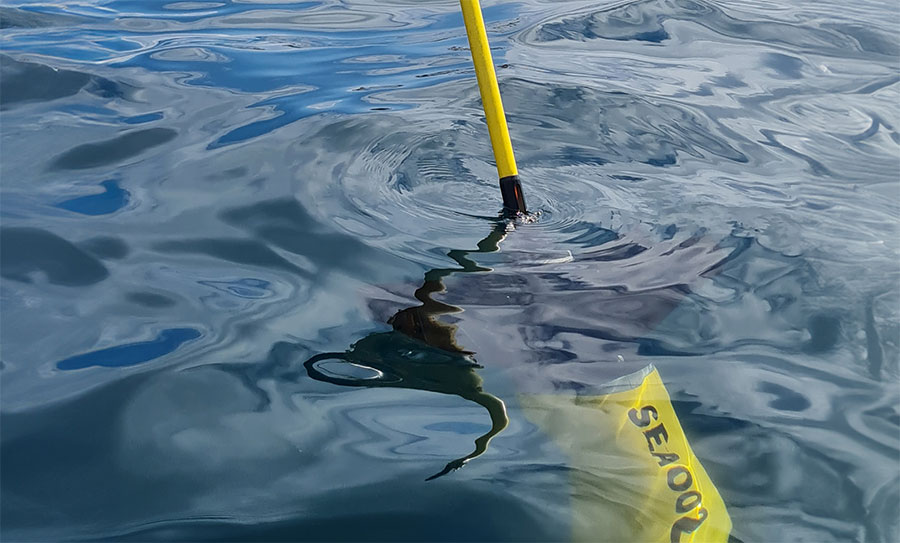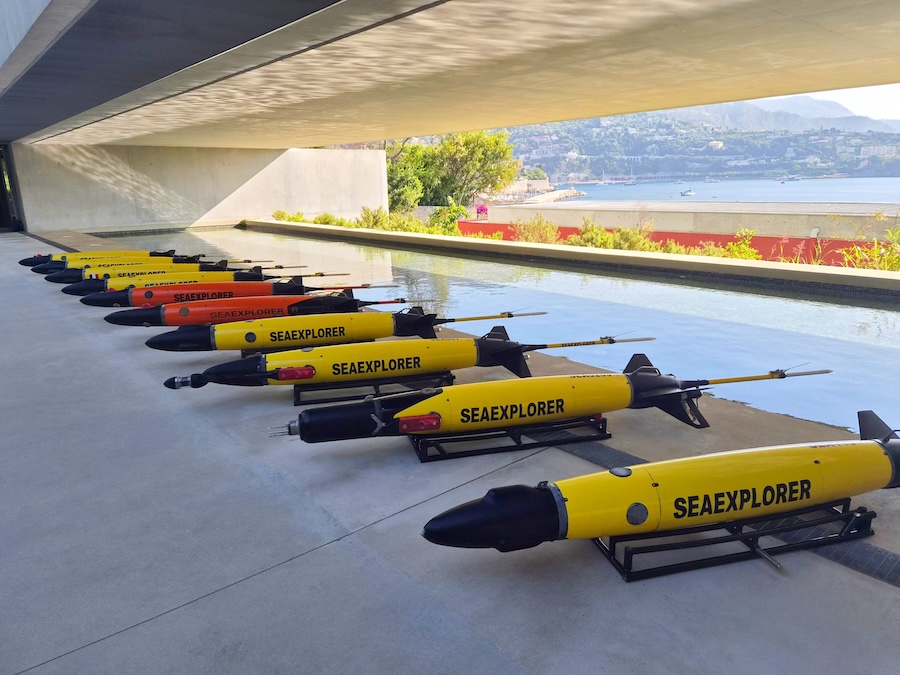
ALSEAMAR’s SEAEXPLORER 200 is an autonomous underwater glider developed for coastal and shallow-water missions, supporting long-endurance data collection in nearshore environments between 20 and 200 meters deep.
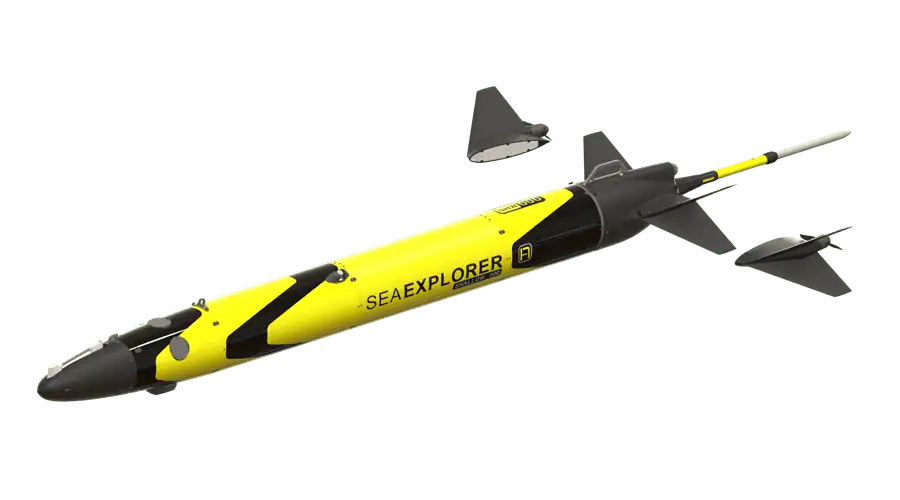
SEAEXPLORER from ALSEAMAR.
Designed for ocean science, environmental monitoring and coastal research applications, the platform is intended to help organizations gather sustained measurements in areas where operating conditions can be variable and repeated vessel-based surveys may be difficult or resource-intensive.
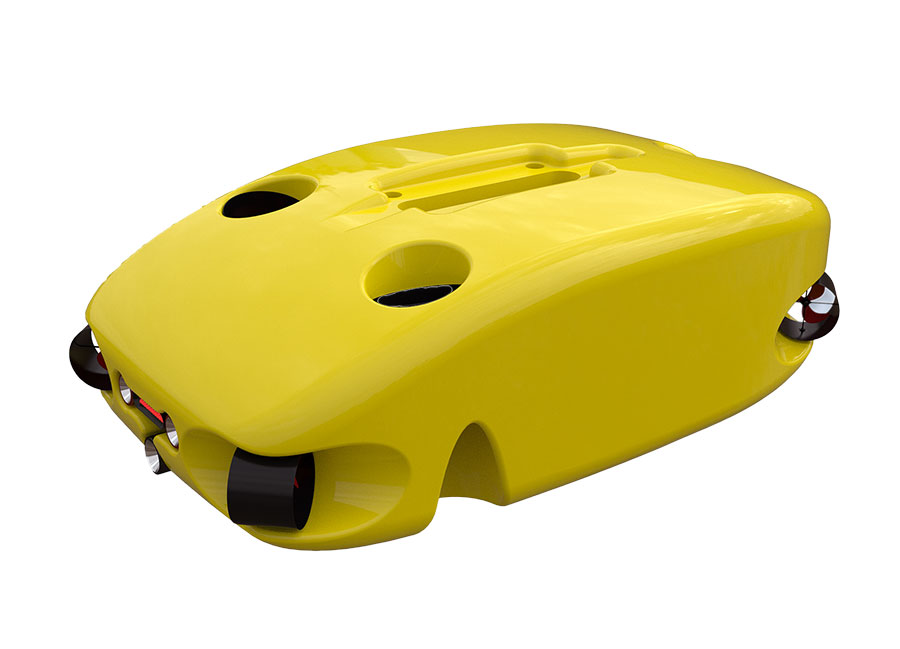
The SEAEXPLORER 200 has been engineered for shallow-water operation, with features including hybrid propulsion for horizontal navigation in very shallow areas, a high-efficiency ballast system, an extended battery option and payload compatibility with the wider SEAEXPLORER 1000 platform. This combination supports flexible use across recurring coastal observation programs, multi-site monitoring campaigns and missions requiring extended coverage close to shore.
The glider uses a modular payload approach, allowing it to support a range of coastal data collection requirements. The platform can be used to observe chemical and physical ocean processes, as well as marine life, with applications including passive acoustic monitoring for environmental noise and marine mammal detection, biogeochemistry, dissolved gas measurement and physical oceanography.
This makes the SEAEXPLORER 200 relevant to ecosystem monitoring, ocean health assessment, water column studies and climate-related observation work, particularly in coastal zones where long-duration autonomous measurements can provide valuable temporal and spatial coverage.
The platform is available in single- and dual-battery configurations. The single-battery version provides up to 75 days of endurance and a range of 1,350 km, while the dual-battery option extends this to up to 135 days and 2,500 km. Depending on the configuration, the glider measures 2.2 m or 2.8 m in length, with a 650 mm wingspan and a weight of 65 kg or 90 kg.
For communications and positioning, the SEAEXPLORER 200 supports GPS, Iridium satellite communications and radio. It also offers several operating modes, including survey, virtual mooring, drifting, propelled operation, waypoint following and bottoming.
The platform uses a dual-CPU Linux architecture to support payload and navigation functions, with safety features including an autonomous drop-weight and strobe light. Optional features include a locator pinger and Argos support.
For ocean science teams working in shallow and coastal waters, the SEAEXPLORER 200 provides a persistent autonomous platform for extending observation capability while reducing reliance on vessel time. Its endurance, modular sensing options and shallow-water design make it well suited to sustained coastal monitoring and environmental data collection programs.