
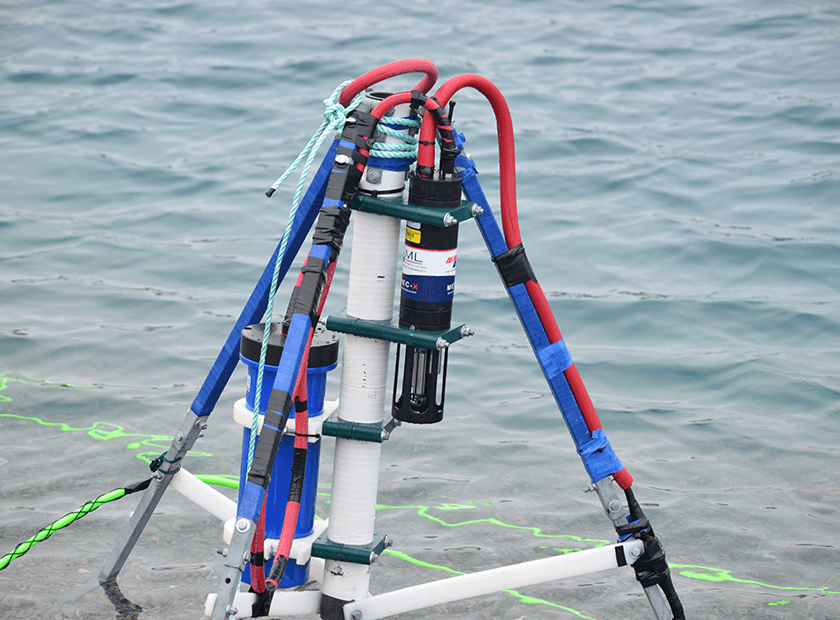
AML Oceanographic instrumentation and UV biofouling control technology were utilized in a recent Ocean Networks Canada initiative focused on improving subsea monitoring capabilities in the Canadian Arctic. Read more >>
Conducted under a contract awarded by Defence Research and Development Canada, the project evaluated methods for reducing the cost and logistical complexity associated with deploying real-time ocean monitoring systems in remote polar environments.
The deployment took place at Gascoyne Inlet on Devon Island, where extreme environmental conditions create significant challenges for subsea infrastructure. Seasonal sea-ice formation, low air and water temperatures, and shifting intertidal ice can place considerable stress on cables and monitoring equipment. Ocean Networks Canada developed and tested a compact subsea platform connected to a shore-based communications and storage system using a protected subsea cable installation method and a diver-free deployment approach designed to withstand Arctic ice conditions.
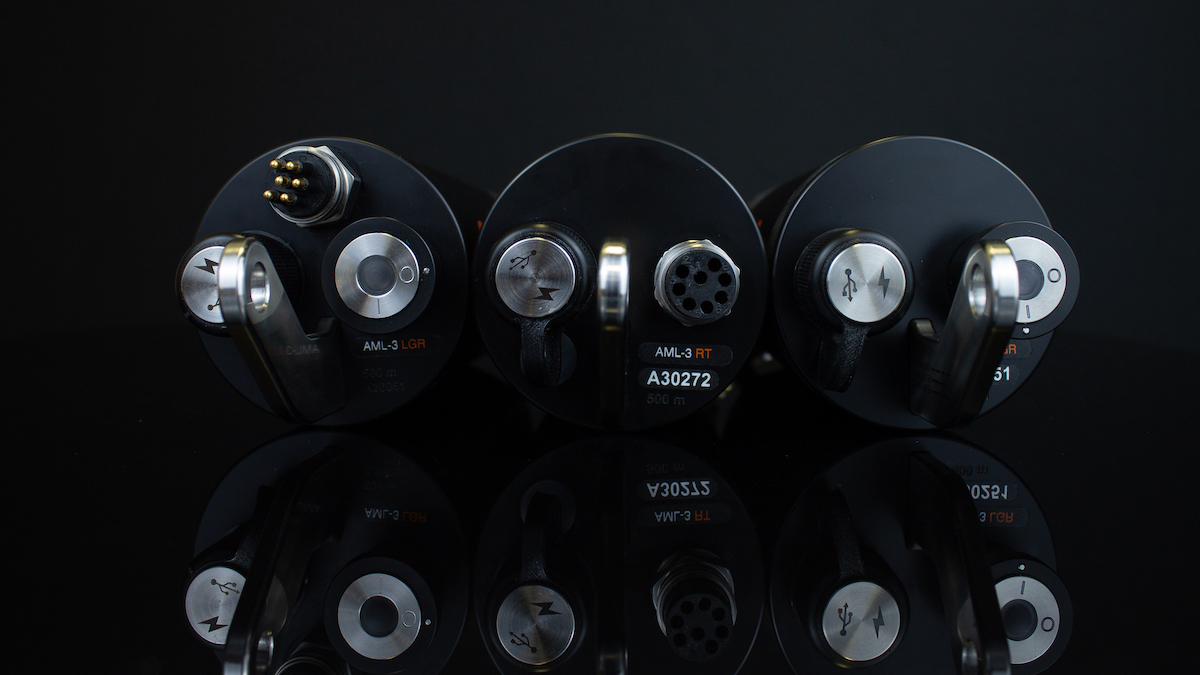
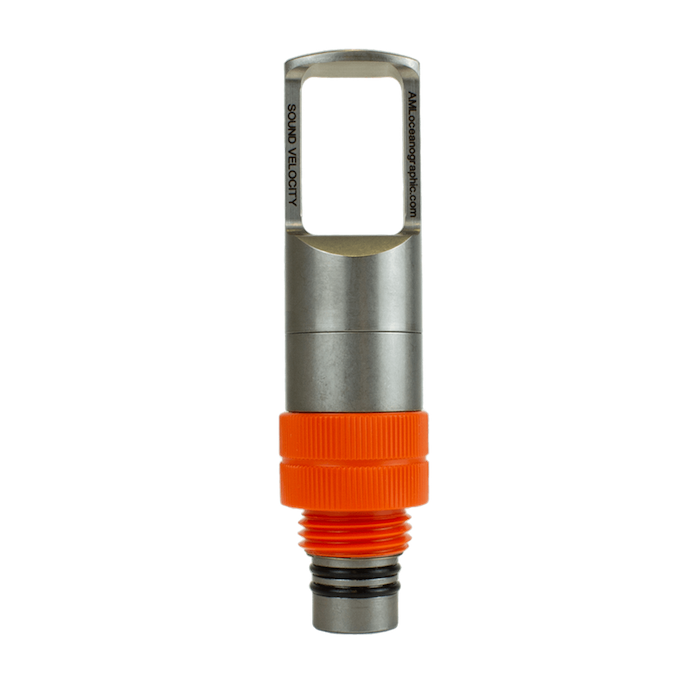
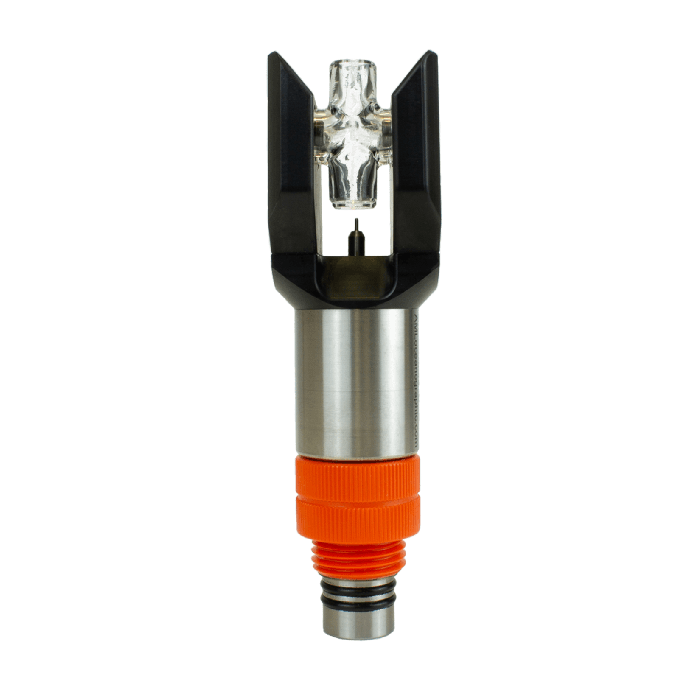
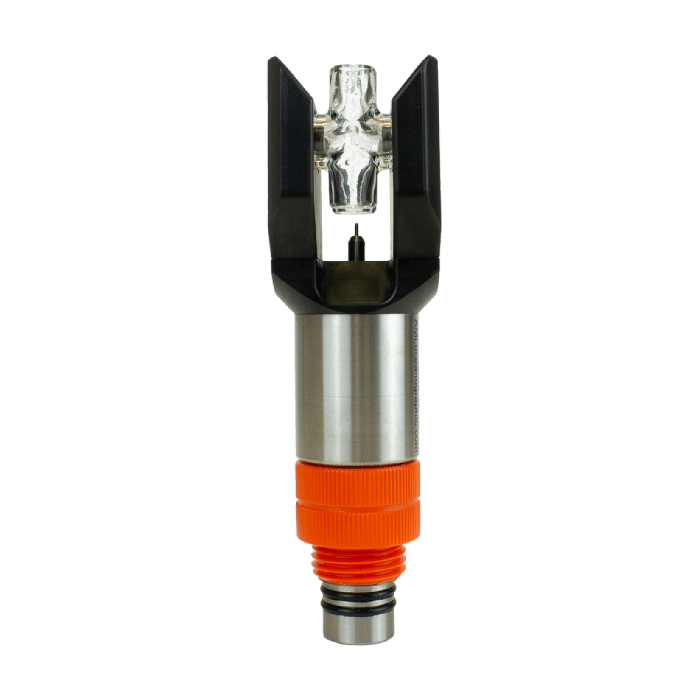
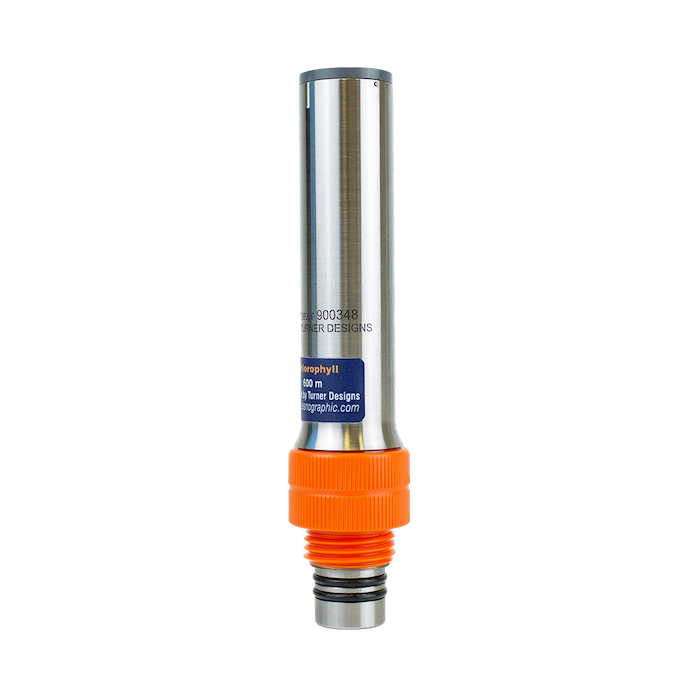
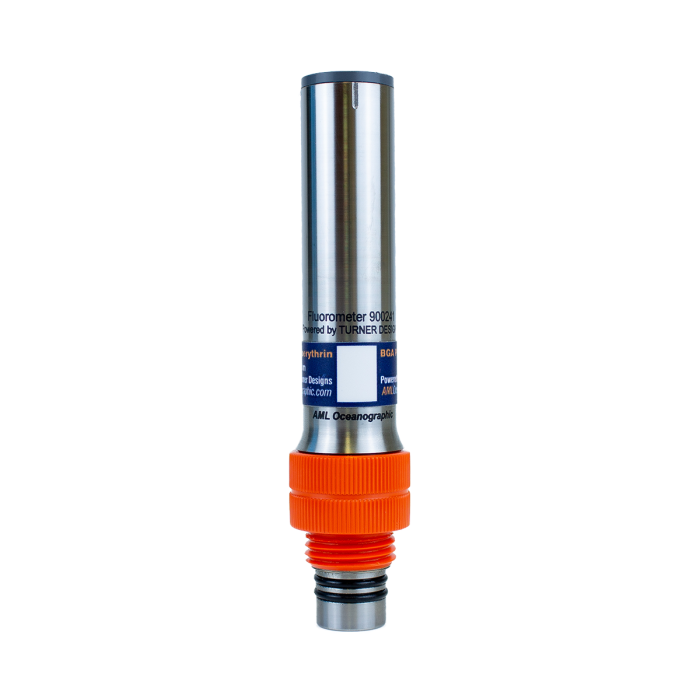
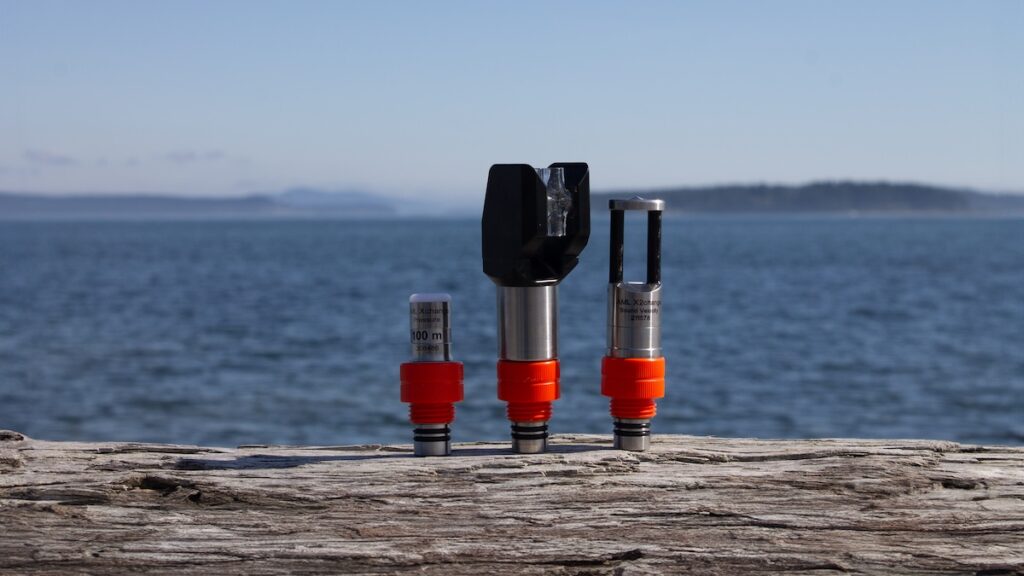
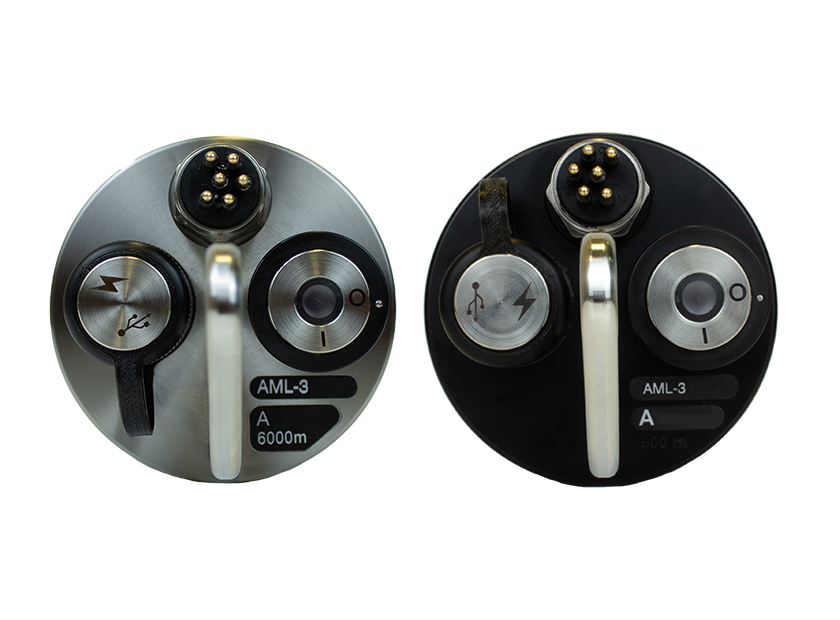
To support long-duration data collection, Ocean Networks Canada selected an AML Oceanographic Metrec•X sonde equipped with CTD, turbidity, and chlorophyll A sensors. The instrument incorporated AML’s UV•Xchange biofouling control technology, providing a non-toxic alternative to traditional anti-fouling approaches in a sensitive Arctic environment. AML’s modular design also enabled the company’s Duty Cycle Controller to be repurposed to manage power distribution across the system, supporting an anticipated deployment duration of up to 18 months using a standard subsea battery.
The project demonstrated the performance of AML instrumentation and UV anti-fouling technology in extreme conditions, as well as the effectiveness of the end-to-end power and communication system developed in collaboration with Ocean Networks Canada and Oceanetic Measurement Ltd.
Read ‘Monitoring the Canadian Arctic: Easier with AML’s UV Biofouling Control’ for a full exploration of the deployment strategy, cable protection techniques, and the broader importance of reliable Arctic monitoring systems for environmental observation and research.