


Dainis Nams, Director of Engineering
Dainis Nams, Director of Engineering at GeoSpectrum Technologies, discusses how the rapid expansion of offshore wind development is driving more rigorous and comprehensive approaches to underwater acoustic monitoring, as regulators and developers seek a clearer understanding of sound propagation and its potential effects on marine ecosystems.
In this Q&A, Nams explores the growing emphasis on full-lifecycle acoustic assessment, the use of controlled low-frequency sound sources and passive monitoring systems to support environmental compliance, and the role of emerging sensing technologies in enabling more informed, responsible subsea construction practices.
Offshore wind development continues to expand at pace, bringing increased scrutiny around environmental impact during subsea construction; how have acoustic monitoring requirements evolved in response to this growth?
As offshore wind expands and scientific understanding of underwater sound improves, acoustic monitoring requirements have become more comprehensive. We now recognize that elevated sound levels not only cause physical harm to marine species at high levels, but even lower levels can disrupt behaviour and communication in ways that may have population level consequences.
Regulators in North America, Europe, and elsewhere now take a full lifecycle approach—requiring baseline soundscape assessments, realtime monitoring during noise intensive construction phases like pile driving, and long-term postinstallation monitoring to track ecological effects. To stay within mandated acoustic thresholds, developers increasingly rely on mitigation tools such as bubble curtains and other attenuation systems.
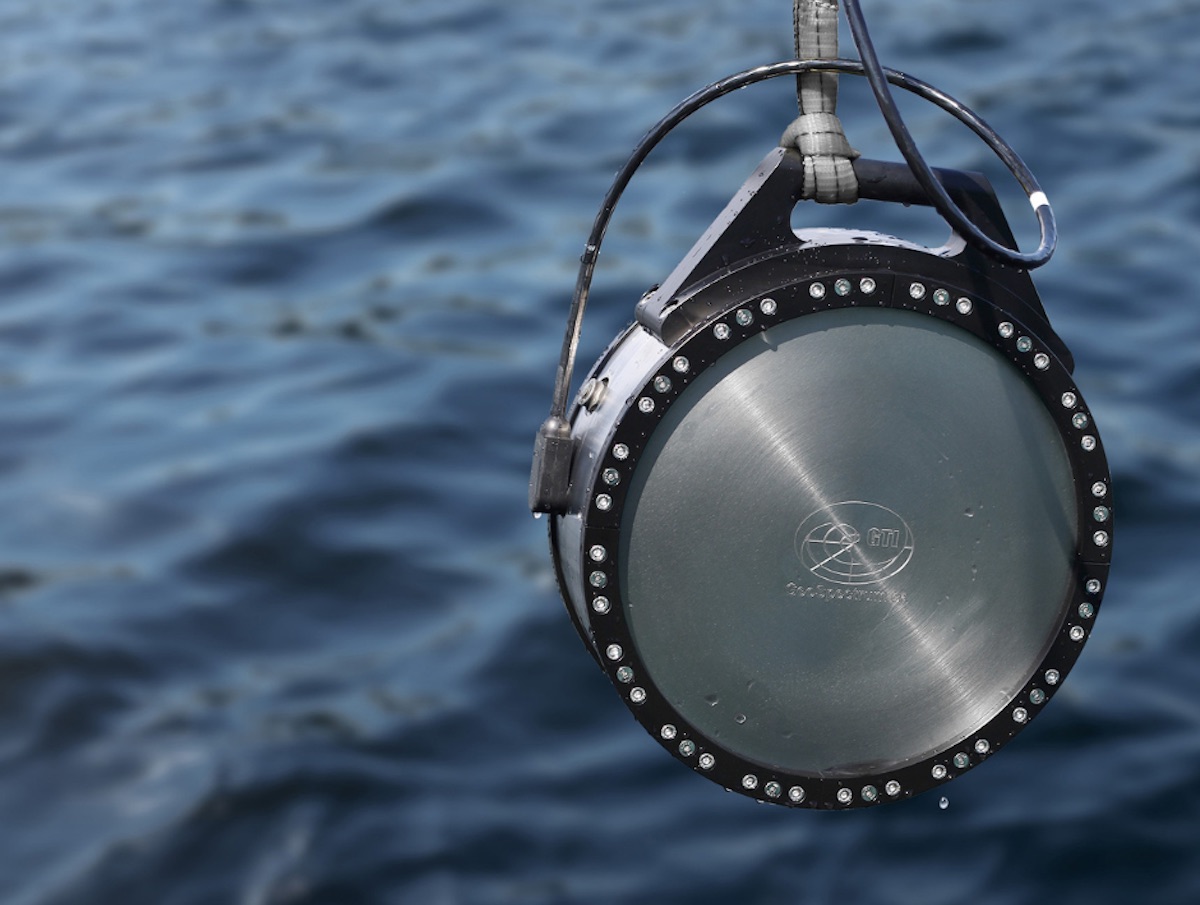
GeoSpectrum’s C-Bass VLF sound source is increasingly being deployed on offshore wind projects where monitoring is required — what characteristics of the system make it well suited to this application?
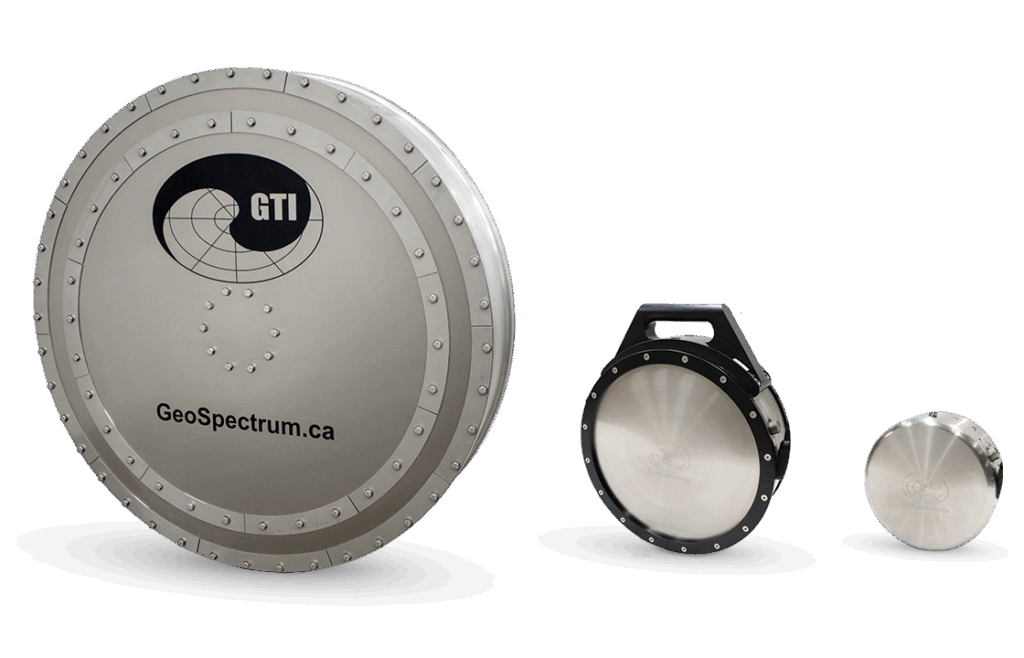
C-BASS Transducers
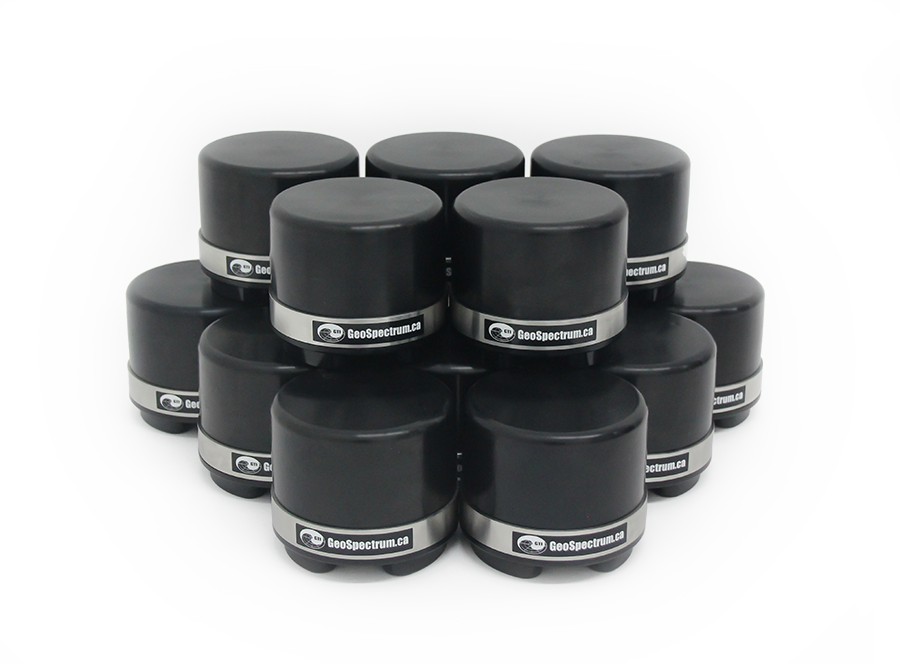
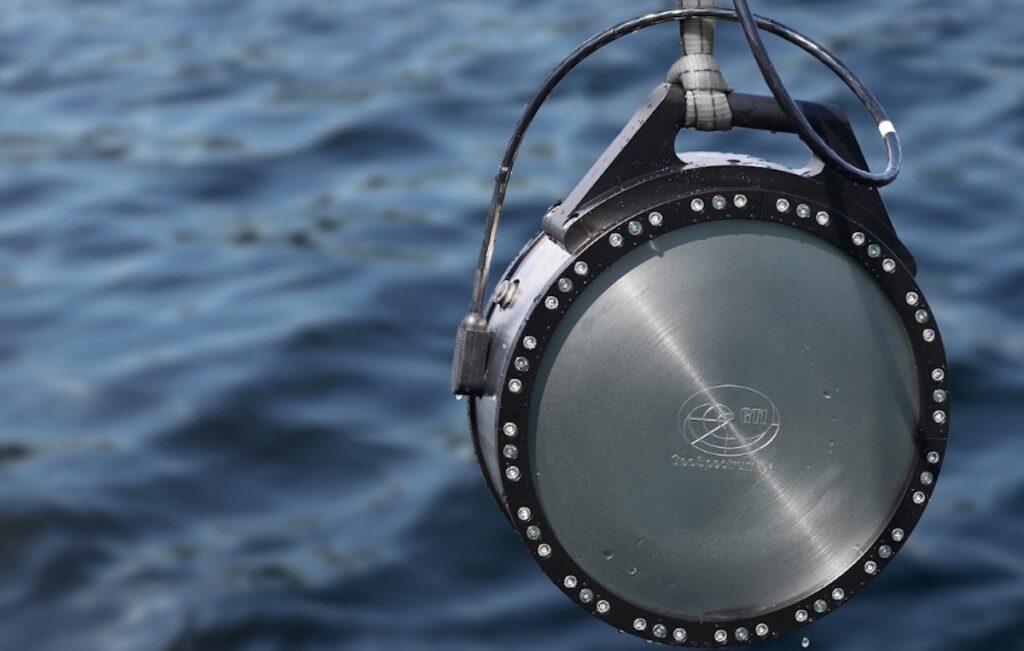
Our CBass VLF sound source is well suited to offshore wind applications because it provides a controlled, steady acoustic signal that can safely emulate piledriving and other anthropogenic noise. This makes it a valuable tool for studying how marine life responds to sound and for helping regulators and developers establish evidence based environmental standards. Its ability to replace traditional impulsive survey tools—such as air guns or sparkers—with a far lower impact acoustic footprint also makes it an effective option for the subbottom surveys required before turbine foundation installation.
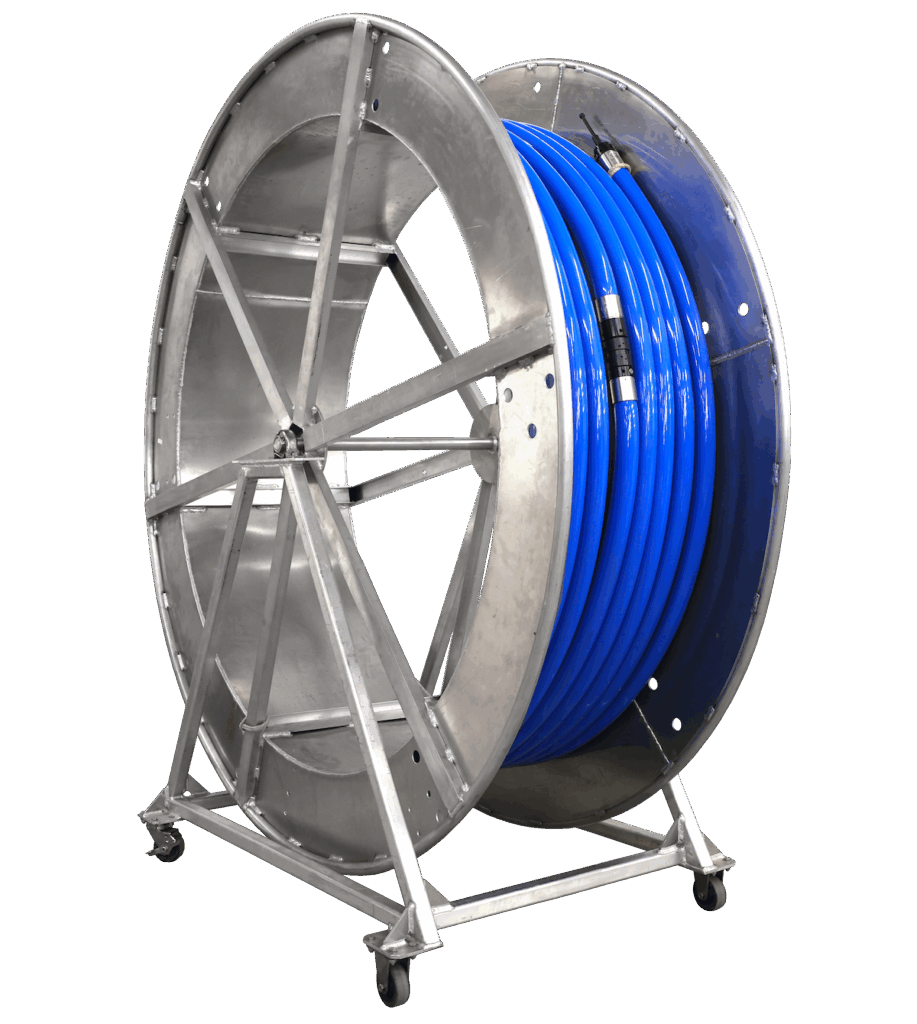
Complementing CBass, our lowprofile passive acoustic arrays—such as the Hydrus product line—are designed to support baseline, construction phase, and postinstallation Passive Acoustic Monitoring (PAM). Together, these systems help offshore wind developers meet regulatory requirements while reducing environmental disturbance and improving understanding of the marine soundscape.
Environmental compliance often depends on demonstrating that sound levels remain within defined limits; how does the use of a controlled, low-frequency sound source support this process during offshore construction activities?
Our low frequency sources are used primarily in planning and research – modelling sound propagation, characterizing risk – and can be used to reduce emissions during preconstruction surveys. During actual construction, however, compliance depends on realtime Passive Acoustic Monitoring (PAM) sensors, which confirms whether mitigation systems are effectively keeping radiated noise within prescribed limits.
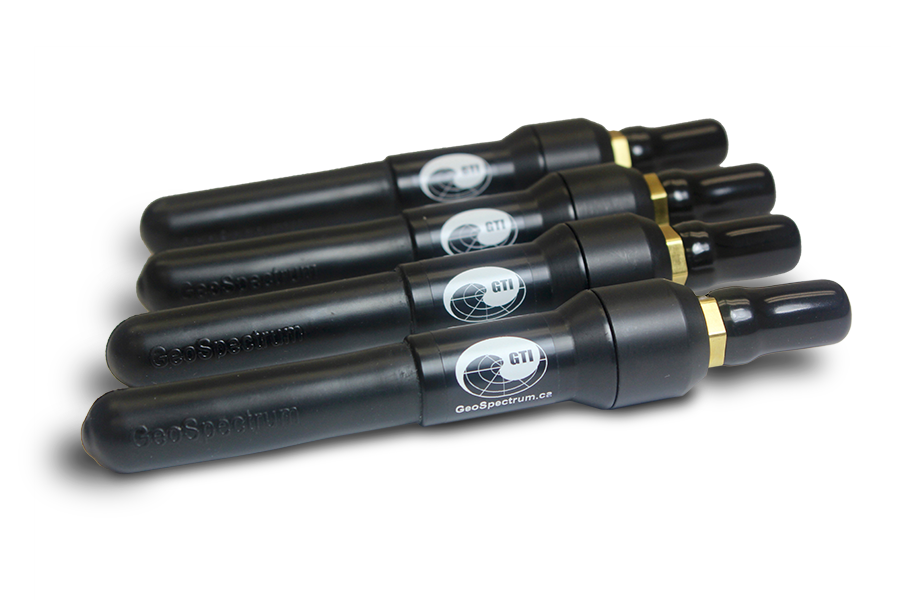
GeoSpectrum also develops technologies such as the M20 Particle Motion Sensor; how does particle motion sensing differ from traditional pressure-based acoustic measurements in underwater environments?
Great question! Traditional hydrophones measure sound pressure, detecting the “squeezing” effect of passing sound waves. Particle motion sensors—like our M20—measure the tiny accelerations of water particles themselves. This provides directional information at very low frequencies, which is particularly important given the sensitivity of many large marine mammals to those frequencies. Achieving similar directionality with pressure sensors would require much larger hydrophone arrays.
Looking ahead, where can acoustic technologies have the greatest impact in supporting responsible offshore wind development while maintaining regulatory compliance?
The next major step is moving from isolated sensors to integrated, intelligent acoustic networks capable of interpreting the soundscape in real time. By combining distributed passive sensors with advanced signal processing and AI-enabled analysis, developers will be able to detect changes sooner, predict risks more accurately, and demonstrate compliance more efficiently. This shift toward coordinated, autonomous monitoring will support more proactive environmental stewardship throughout the entire windfarm lifecycle.