

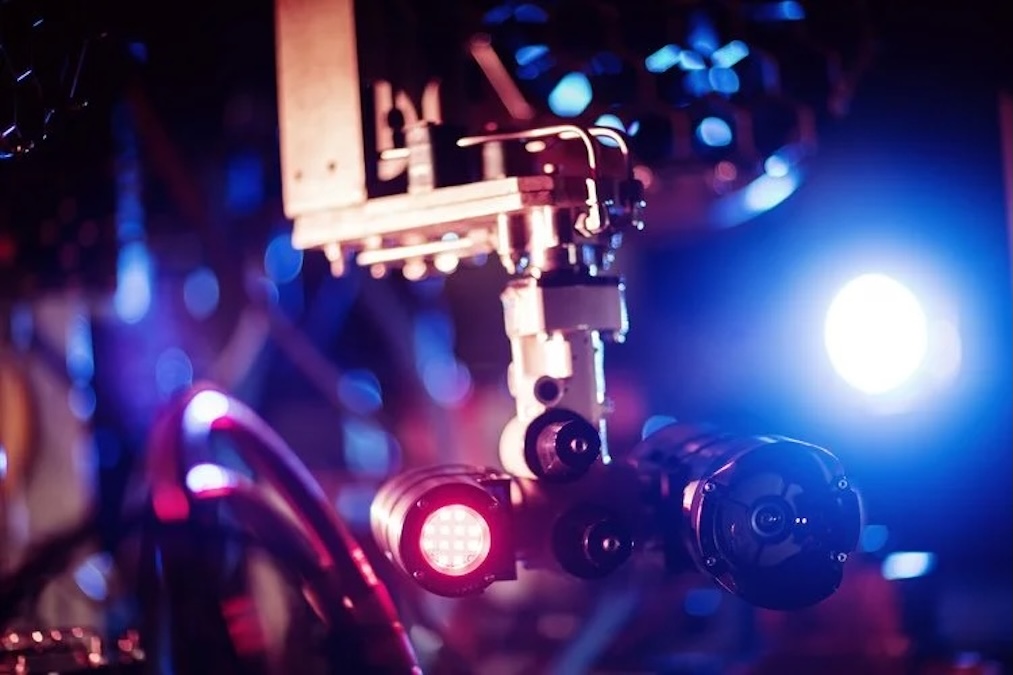
SubC Imaging, a developer of underwater optical imaging systems, provides a detailed guide to choosing and using subsea lights and lasers in marine research, exploration, and inspection work. Read more >>
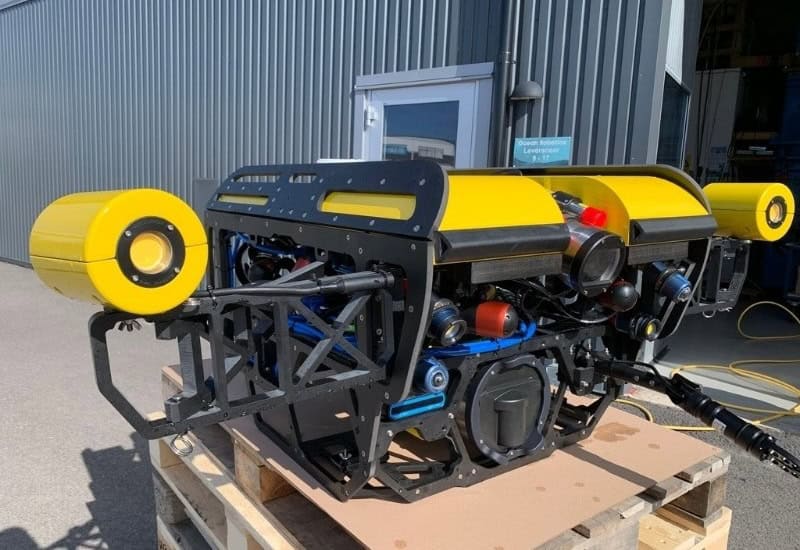
Subsea lights and lasers are essential accessories for enhancing marine observation, detection, and research. Easily integrated with subsea cameras, these systems improve imaging quality and provide valuable measurement capabilities for a range of applications.
Underwater Lights
Because ambient light decreases with depth, proper underwater lighting is critical for capturing quality subsea videos and images for marine research and survey. Rugged LED lights are preferred for short- and long-term projects due to their high output, performance, durability, and long lifespan. 
For capturing digital stills, a subsea LED with strobe (flash) capability is recommended, enabling subjects to be frozen by increasing shutter speed, which reduces motion blur. Unlike continuous lamps or floodlights, the brief duration of a strobe minimizes disturbance to marine life and environments, making it suitable for use in marine protected areas.
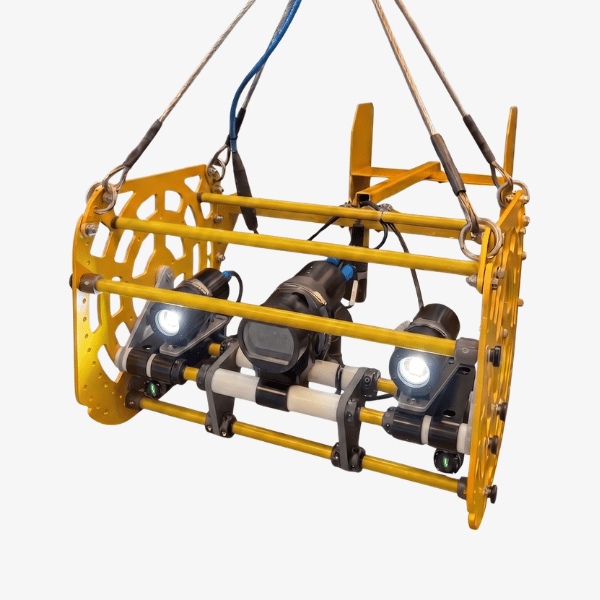
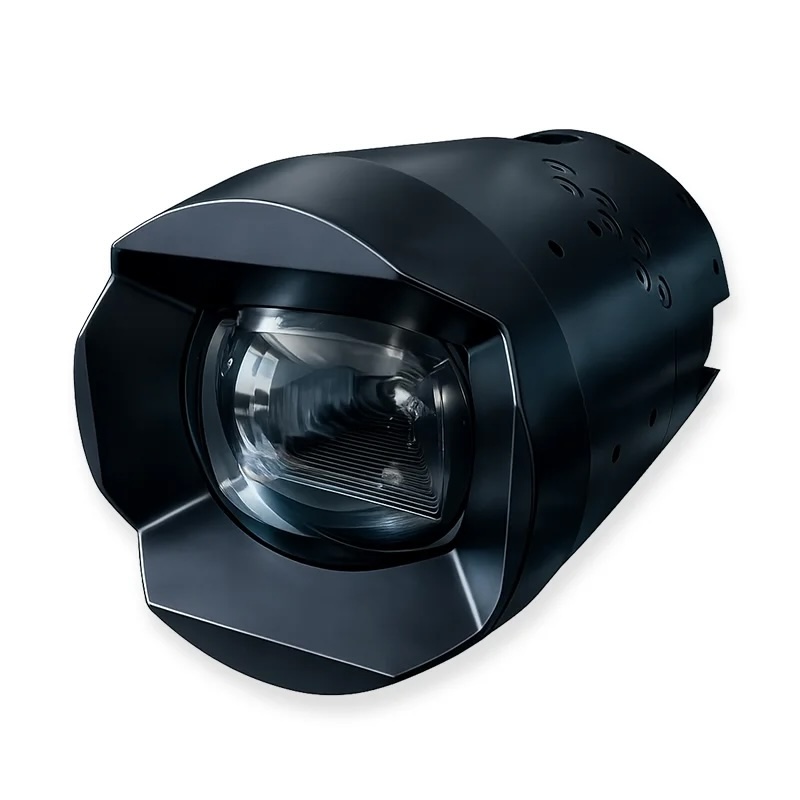
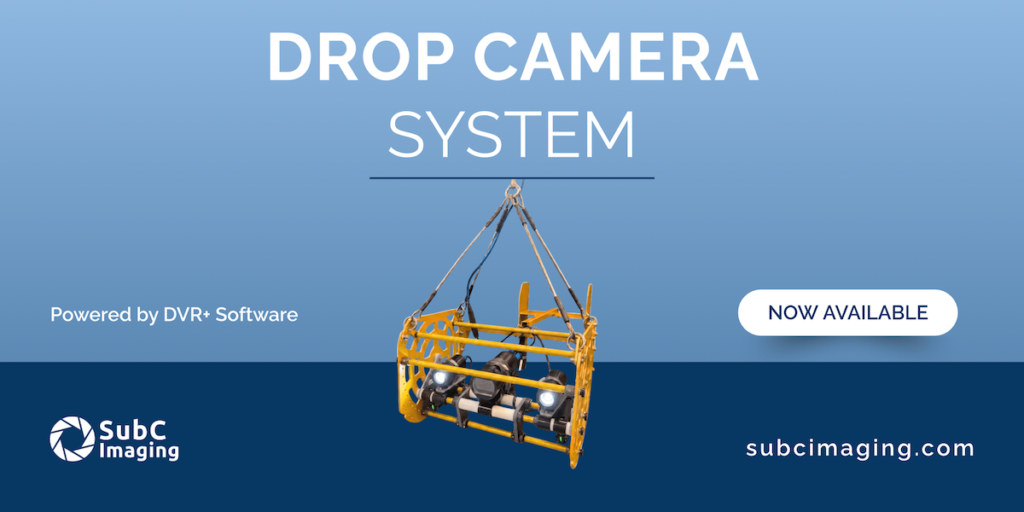
Floodlights distribute light broadly, while directional lights such as the SubC’s Aquorea LED create less backscatter, precisely aimed to illuminate a specific scene. The Aquorea is a high-efficiency, TTL-synchronized subsea LED functioning as a lamp and strobe. It integrates seamlessly with subsea ROVs, observatories, drop systems, tow systems, and battery-deployed camera setups.
Light absorption underwater causes colors to fade at different depths, with red at 5 m, orange and yellow at 10-20 m, green at 30 m, and blue at 60m.
Colored LEDs restore these wavelengths and colour deficiencies. SubC’s far-red LEDs allow imaging of creatures that cannot detect red light, in their natural state. The company’s deep-blue options are used for bio-fluorescence and leak detection.Subsea
Subsea Lasers
Lasers support ROV surveys, 3D modeling, pipeline inspection, and marine research by providing scale, distance, and measurement references to underwater objects. Subsea lasers are regularly used during offshore energy inspections or when measuring research targets. 
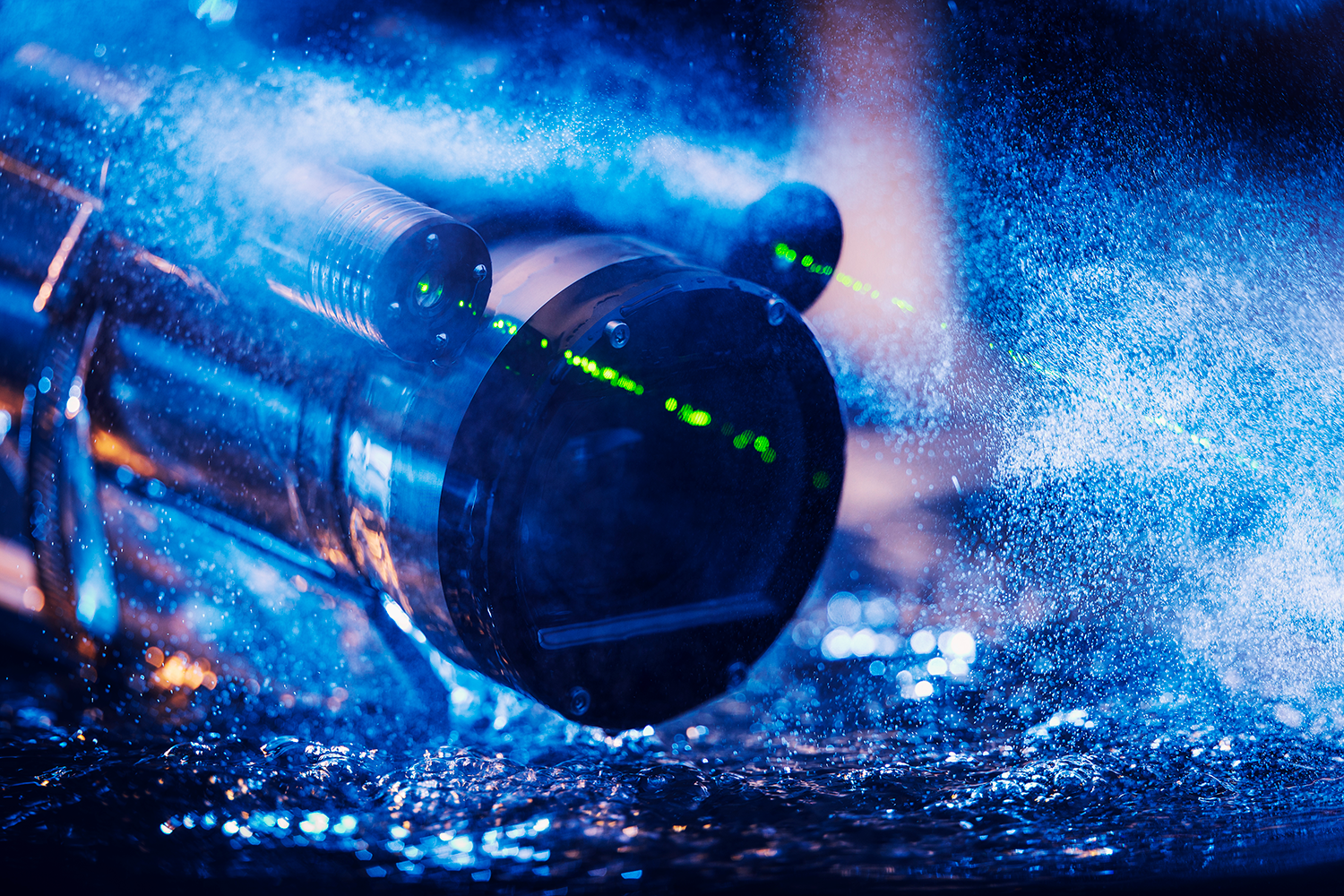
Different lasers operate at different wavelengths and produce different light. Ocean-imaging lasers commonly use a wavelength of 520nm ±10nm, appearing green and maintaining visibility at longer ranges. Red lasers are also used, though their wavelengths are absorbed more quickly than blue or green.
Parallel dot lasers, including SubC’s MantaRay, are the most common for subsea imaging. This laser projects two green dots that remain parallel to the camera’s frame of reference, allowing distance and scale to be determined from their spacing.
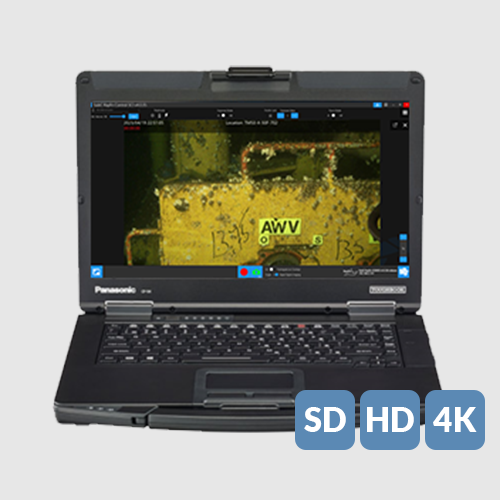
These lasers perform best when the scene is perpendicular to the camera sensor, such as viewing the seafloor from above. Measurements can be taken using photo editing tools and refined with calibrated cameras or specialized software.
Line lasers, such as SubC’s Skate Mk2, are used for precision applications. They generate image data for 3D models or point clouds and are commonly applied in pipeline metrology, species measurement, and habitat mapping.
Grid lasers, like SubC’s Skate Mk2, project hundreds of points across a scene. This creates multiple redundant data points for mapping complex geometries. The evenly spaced points spread out at a predictable angle and provide a strong basis for building accurate models.
When selecting a laser, factors such as wavelength, operating depth, ruggedness, and service life should be considered.