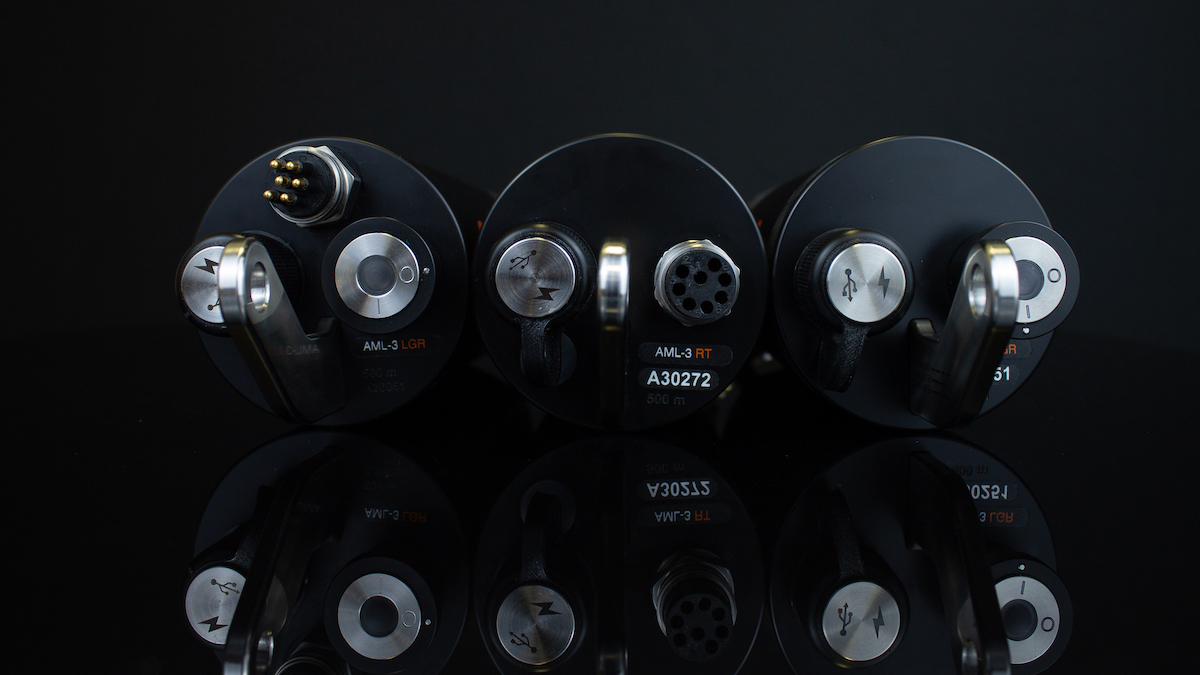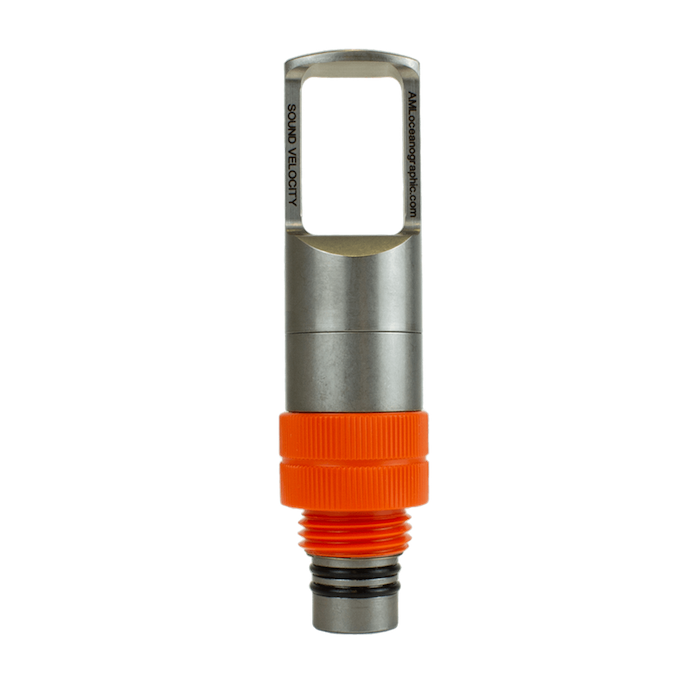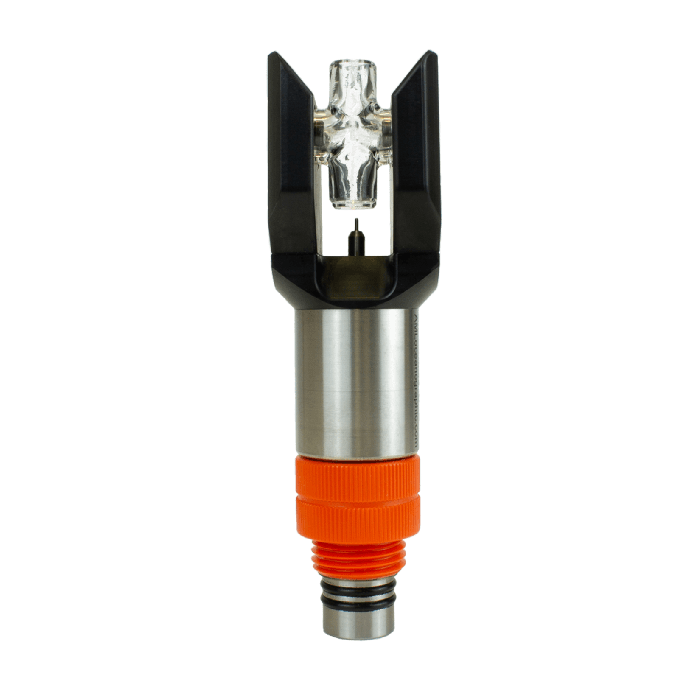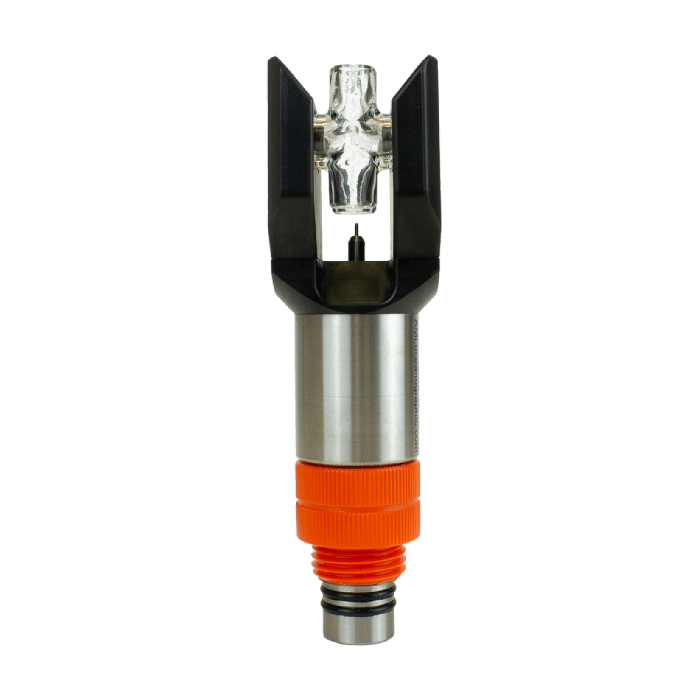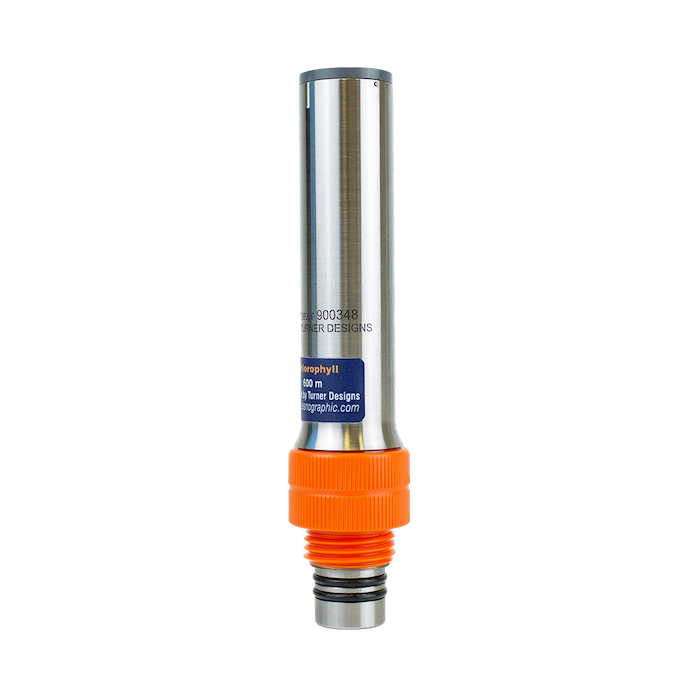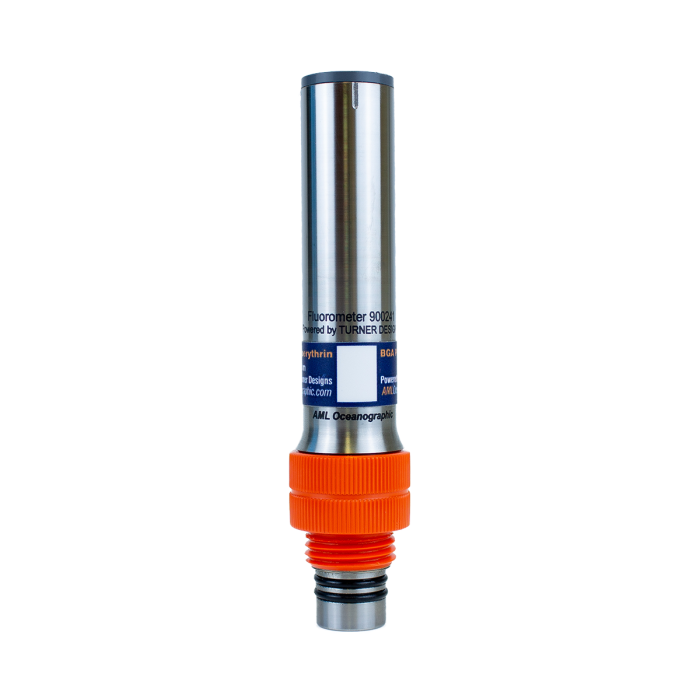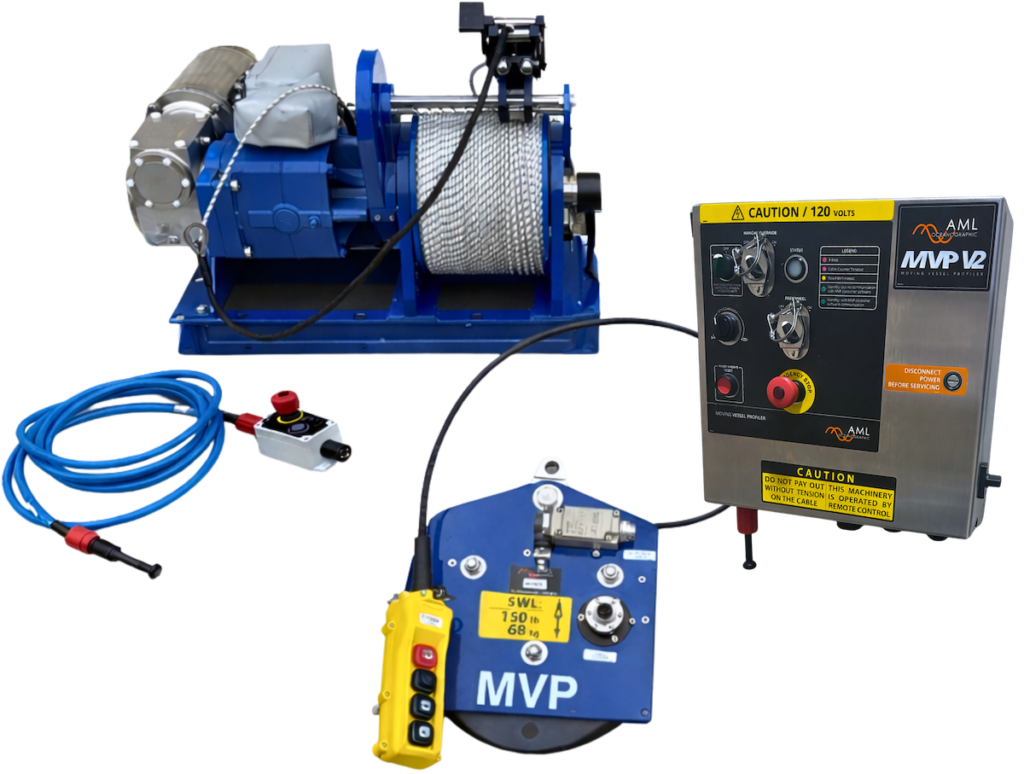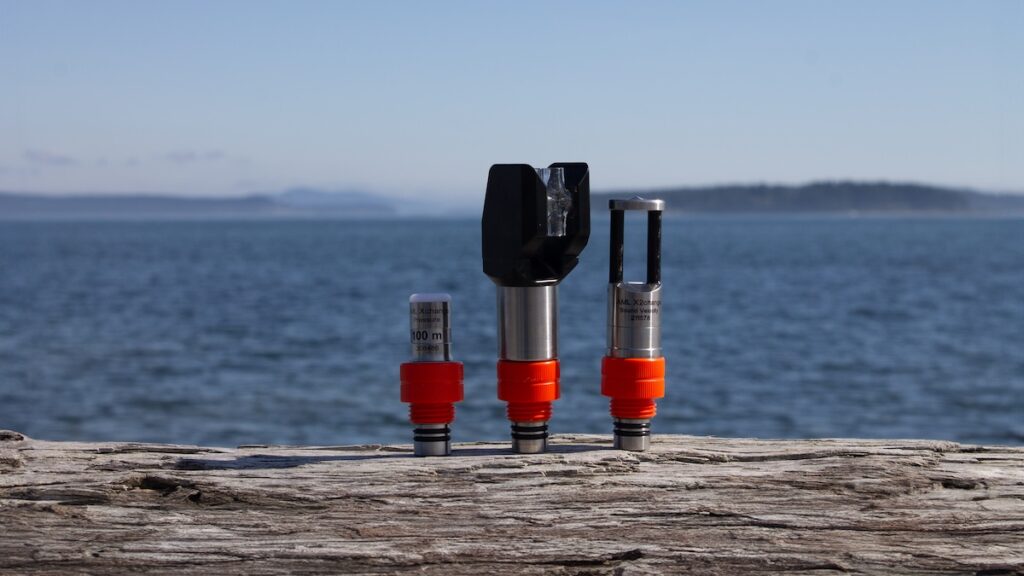

AML Oceanographic discusses several marine survey scenarios in which a Moving Vessel Profiler (MVP) enables continuous sound velocity profiling without interrupting survey operations. Read more >>
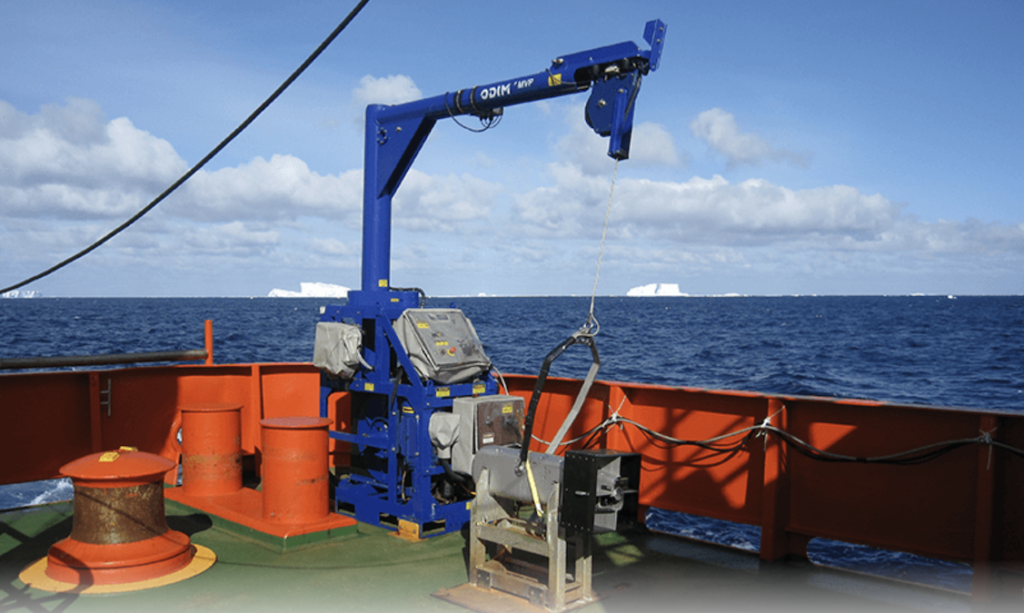
In nearshore survey projects with narrow profit margins, rapidly changing oceanographic conditions can require the interval between static sound velocity profiles to be reduced significantly, increasing both survey duration and operational costs. An MVP continuously and automatically collects sound velocity data in real time without requiring the vessel to stop, allowing sound velocity information to be uploaded and implemented as frequently as necessary while helping surveys remain on schedule and within budget.
Post-storm survey operations can create significant challenges when unstable underwater conditions require frequent sound velocity profiles while surveys must still meet IHO S-44 Special Order requirements. In situations where major shipping lanes remain closed following a hurricane, reducing survey delays is critical. By reducing the need to stop operations for repeated sound velocity profiles, an MVP allows IHO Special Order surveys to be completed in as little time as possible during time-sensitive operations.
During pipeline, cable lay, and route surveys involving multibeam data collection, sidescan sonars, and magnetometers, conventional sound velocity profiling often requires all towed equipment to be recovered before an SV cast can be completed. Repeated deployment and recovery cycles can increase the risk of equipment failure, operational downtime, and, in some cases, the need to return to port for repairs or replacement. An MVP minimizes these interruptions by enabling sound velocity profiling without halting survey operations, while its compact footprint allows it to operate safely alongside other towed systems and helps maintain survey efficiency.